Captain Fractal examines how political identities, media algorithms and institutional resistance to change reproduce conflict and instability.

Captain Fractal examines how political identities, media algorithms and institutional resistance to change reproduce conflict and instability.
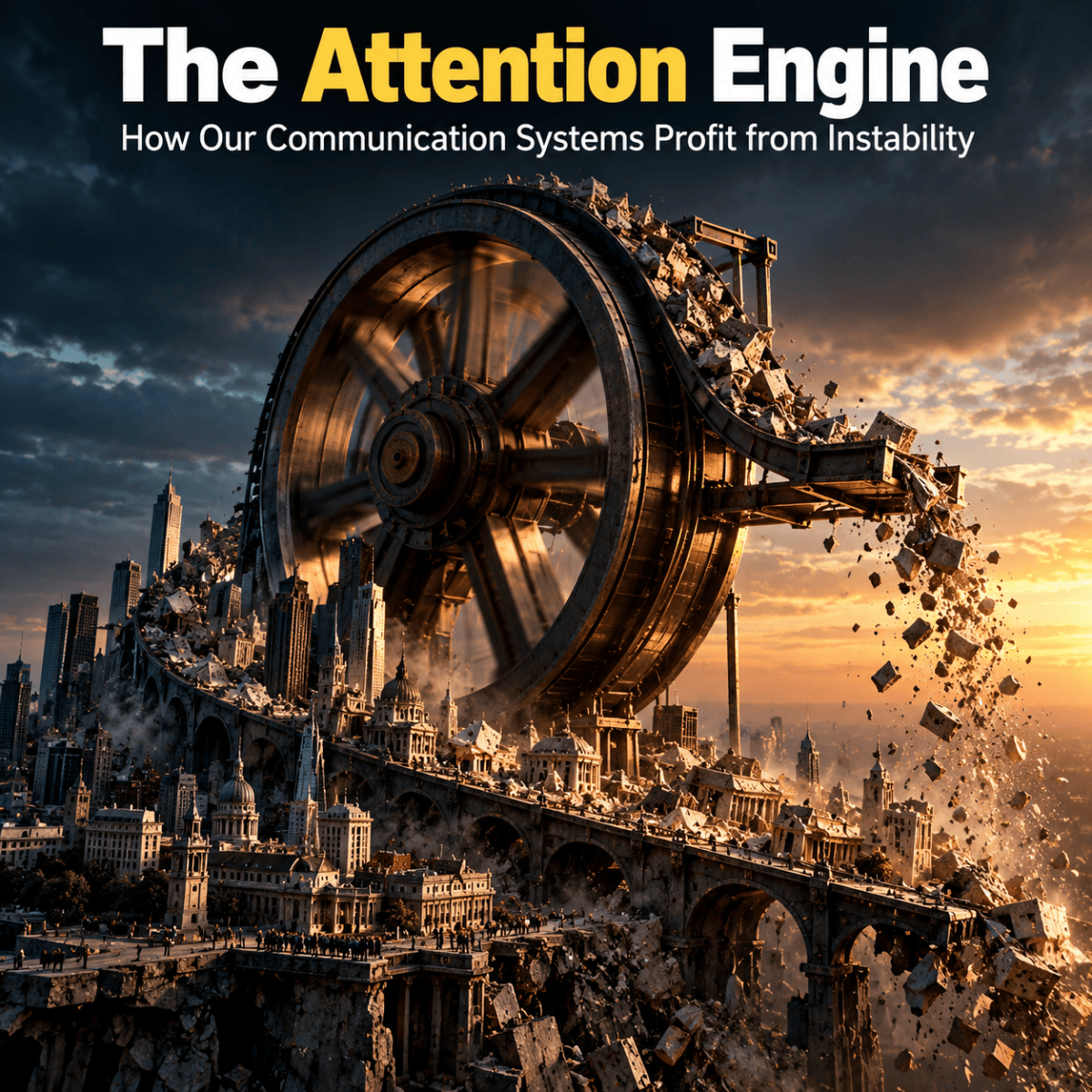
Civilisations have collapsed before. What distinguishes ours is a communications economy that profits from accelerating the disturbances society must then struggle to absorb. The danger lies in a recursive feedback system that rewards instability while transferring its consequences to everyone else.
Disinformation does not persist because individual false claims survive. It persists because the communicative relations that make those claims meaningful continue to reproduce themselves.

01-DD
02-DD
03-DD
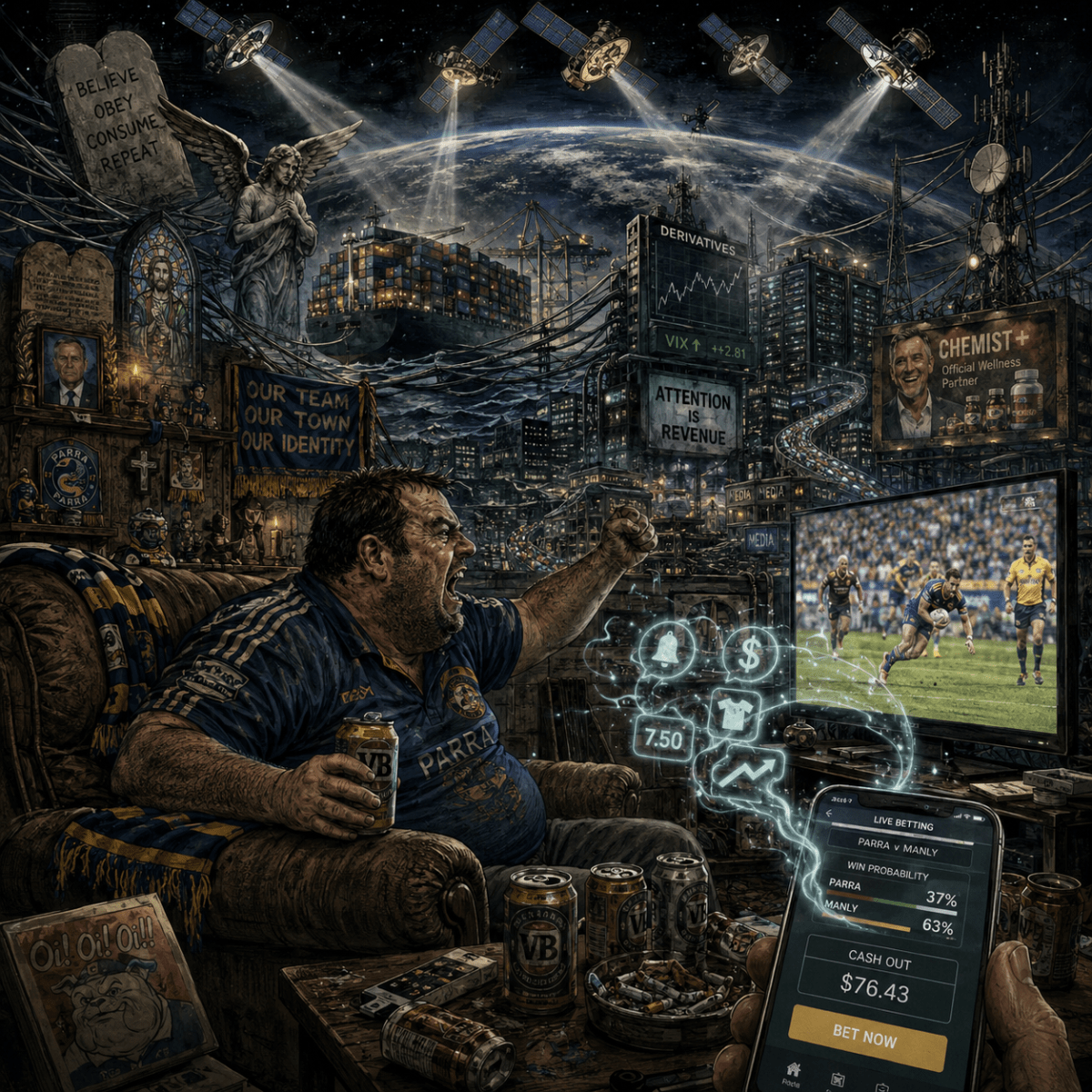
A technologically-mediated civilisation has built planetary systems of prediction and control around biological reflexes still calibrated for tribe, threat, status, and symbolic belonging.
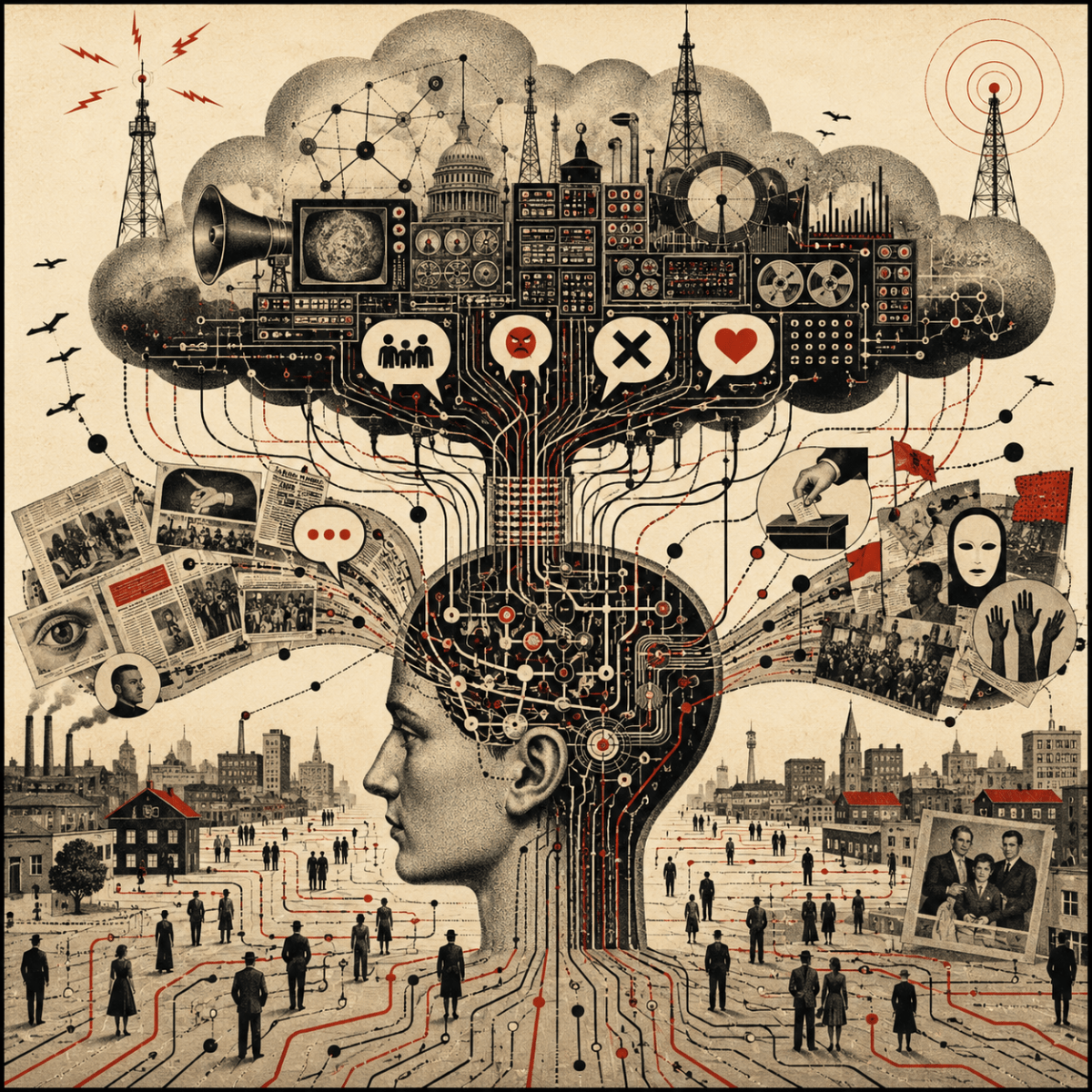
Cognitive bandwidth becomes cultural destiny because the carrying capacity of technologically mediated communication systems exceeds the carrying capacity of the biological minds living inside them.

Populist tribalism is not merely a political mood. It is a communication environment unusually rich in signal, repetition, affect, antagonism, identity, fear, loyalty, humiliation, accusation, and recurrence. This matters because large digital platforms are not neutral carriers of public feeling. Their commercial systems depend on sustained engagement, behavioural prediction, data extraction, and increasingly fine-grained user […]
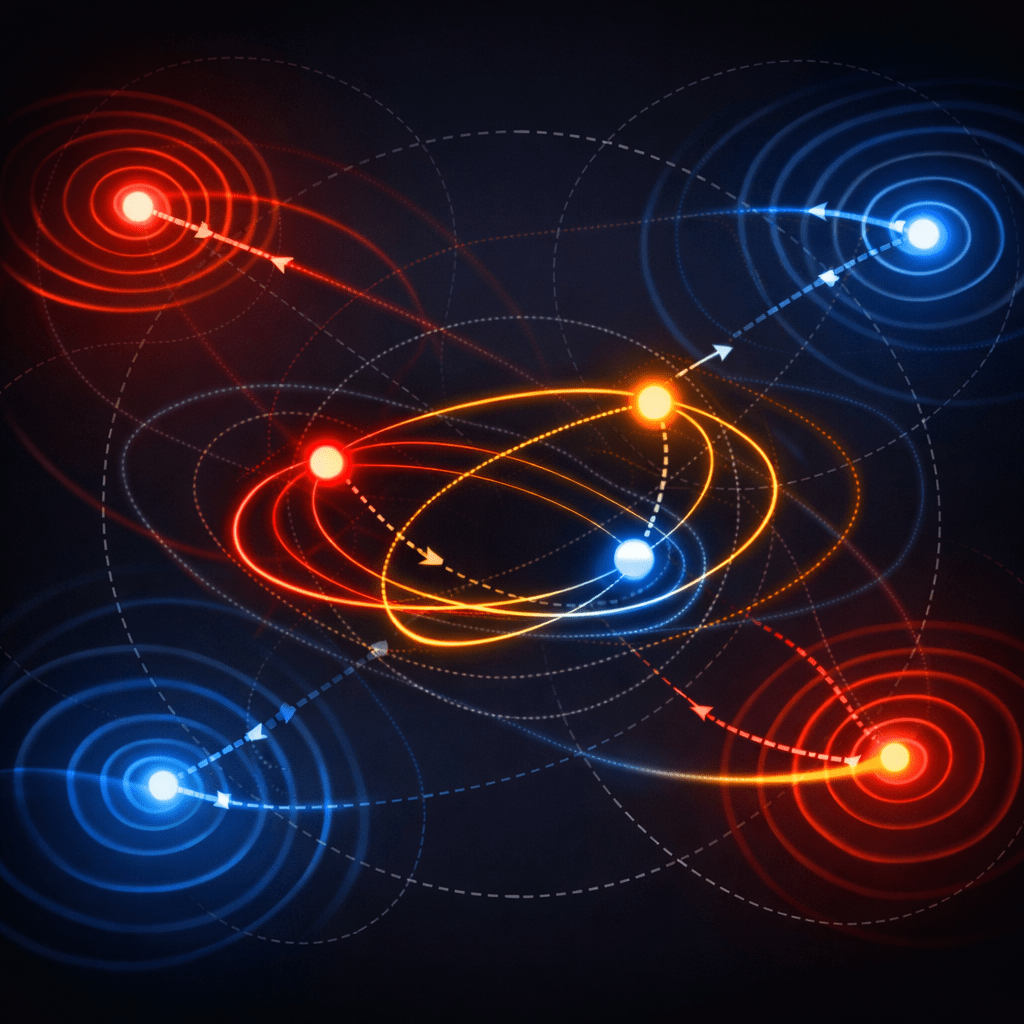
Across many countries, the current wave of populism looks like a political shift. It is, but it is also something deeper: a change in how communication systems select and stabilise meaning.

Contemporary political partisanship is commonly perceived as noise, conflict, or moral failure, rather than as a structural dynamic. Within that same environment, some actors benefit from it because the system rewards the conversion of difference into attention, status, or power, creating incentives for intensification. Structurally, partisanship functions less as a disagreement to be resolved than […]

When the ambient communication system is saturated with noise, speed, and compression, ideologies that minimise internal degrees of freedom propagate more easily, not because they are robust but because they repeat cleanly. They return in recognisable form, align with their own prior expressions, and therefore hold attention. Under these conditions, order is produced less by […]
Have a WordPress.com account? Log in now.

