Electoral victories may avert immediate catastrophe, but democracy requires genuine institutional renewal, adaptive intelligence and human judgement beyond performative reform.

Electoral victories may avert immediate catastrophe, but democracy requires genuine institutional renewal, adaptive intelligence and human judgement beyond performative reform.
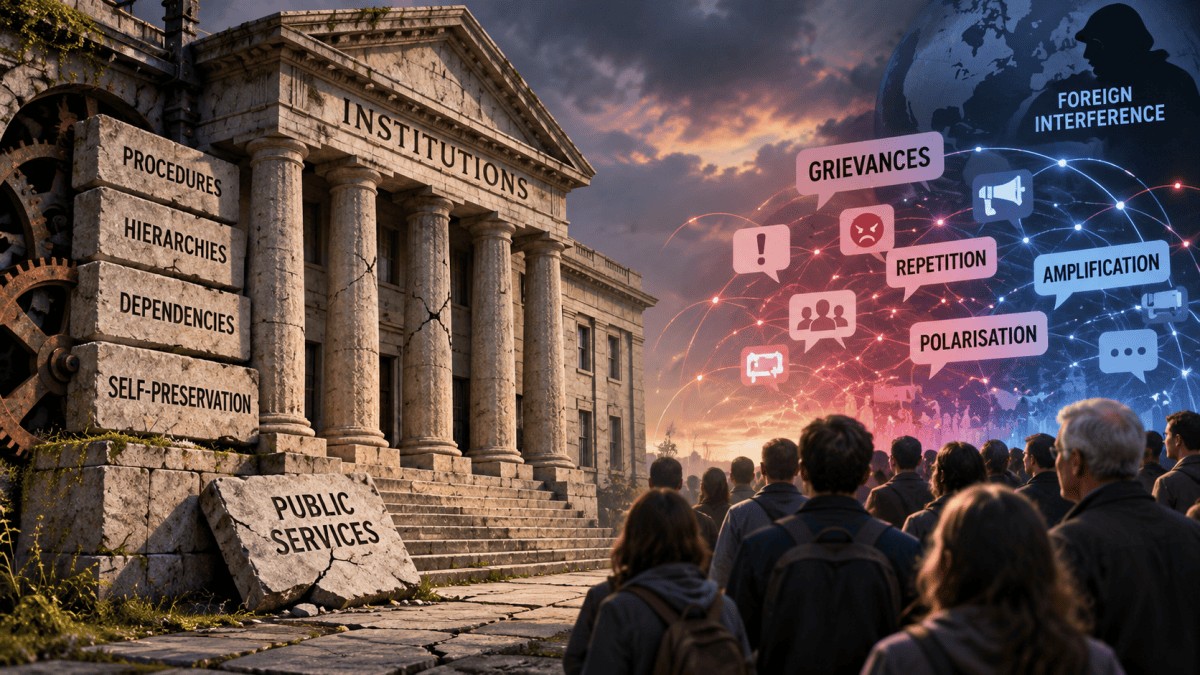
Democratic vulnerability emerges when the pace of change exceeds the capacity of institutions to recognise, adapt and respond.
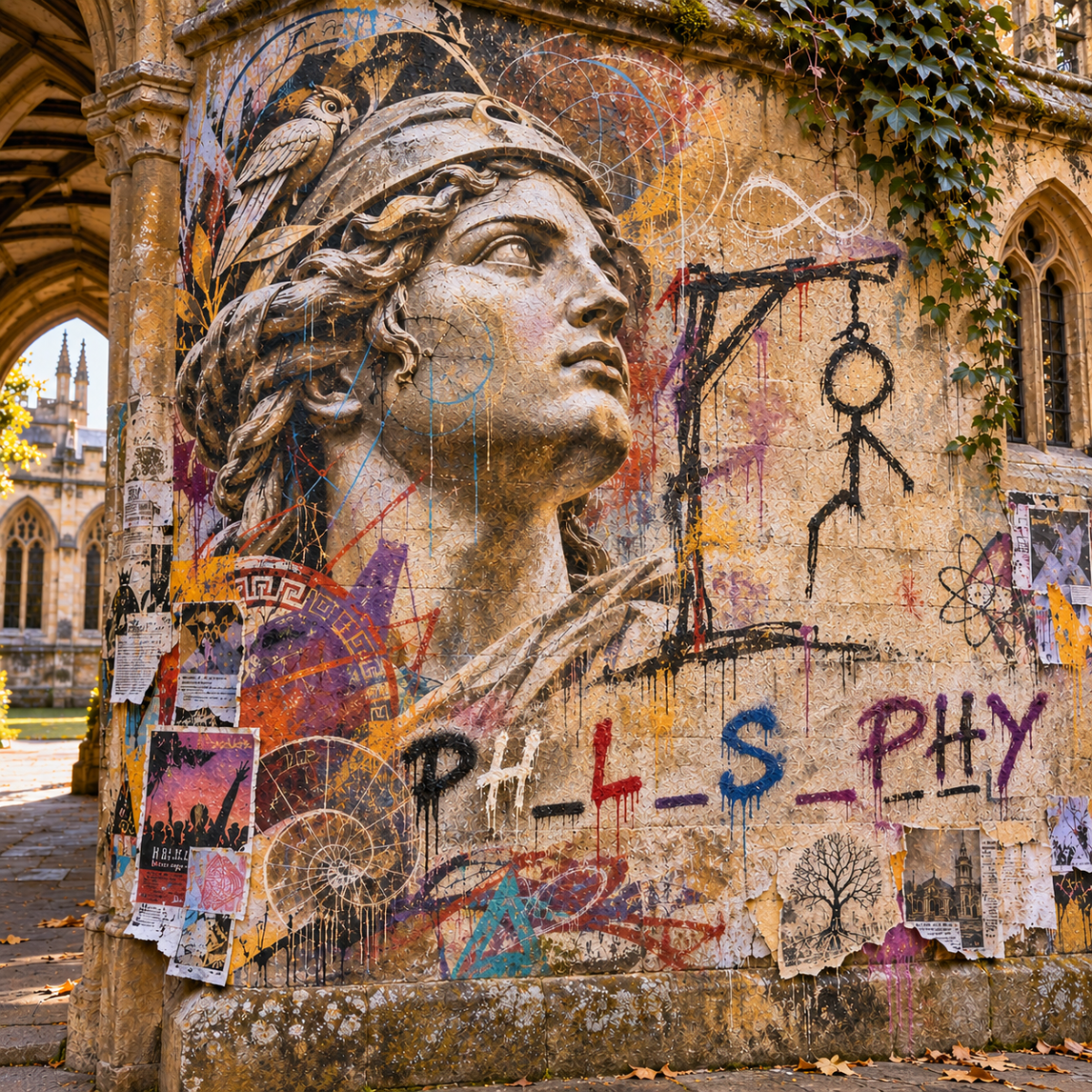
Philosophy is not simply the history of what others have thought. It is the continuing activity of understanding a world that refuses to stand still. When familiar explanations cease to serve us, thinking differently may become a matter of survival.

Many years exploring the relationships underlying existence have taught me that understanding requires no permission. Life is short, and eternity remains indifferent to worldy vanity.
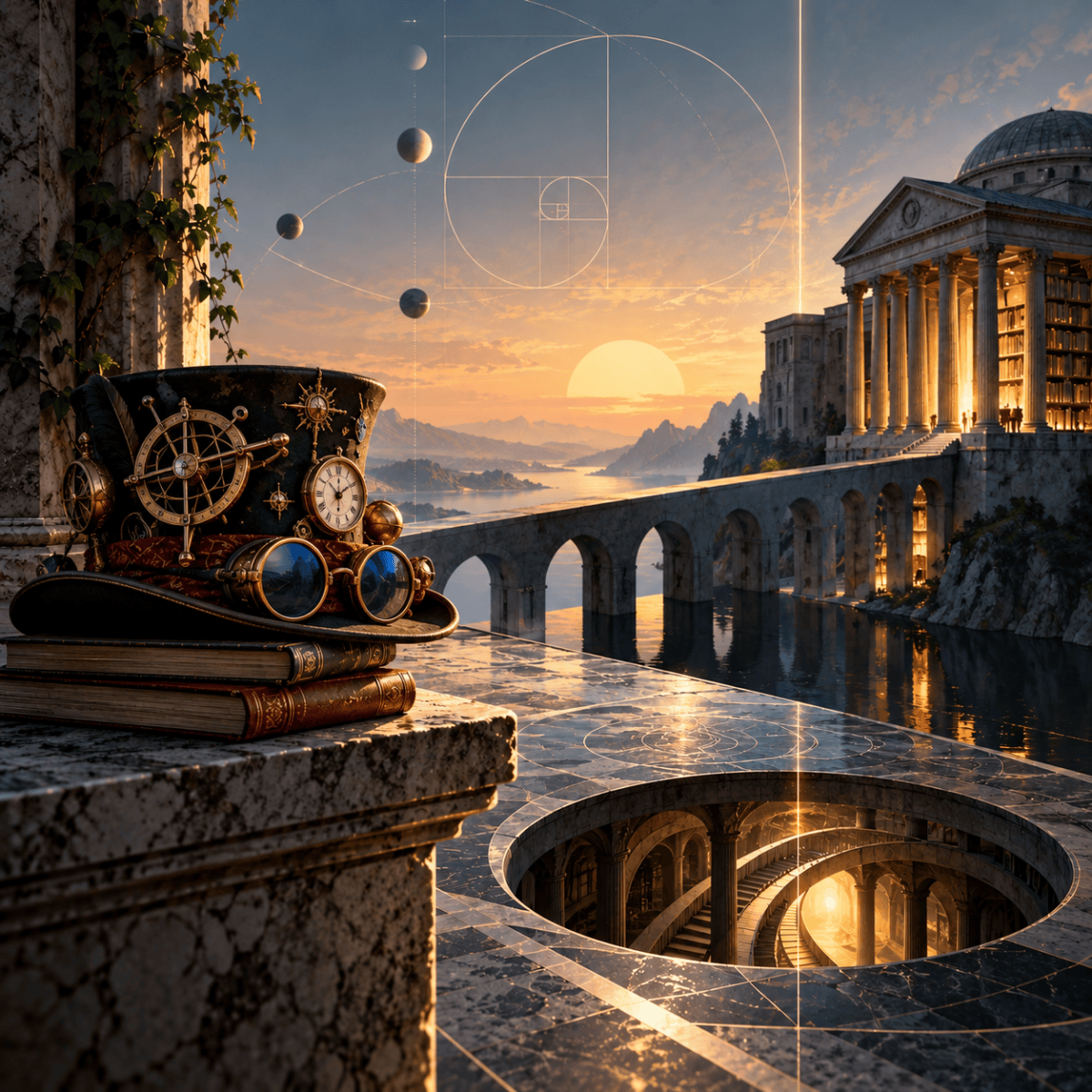
Institutions do not merely resist criticism. They regulate the conditions under which criticism can become intelligible, credible and consequential.
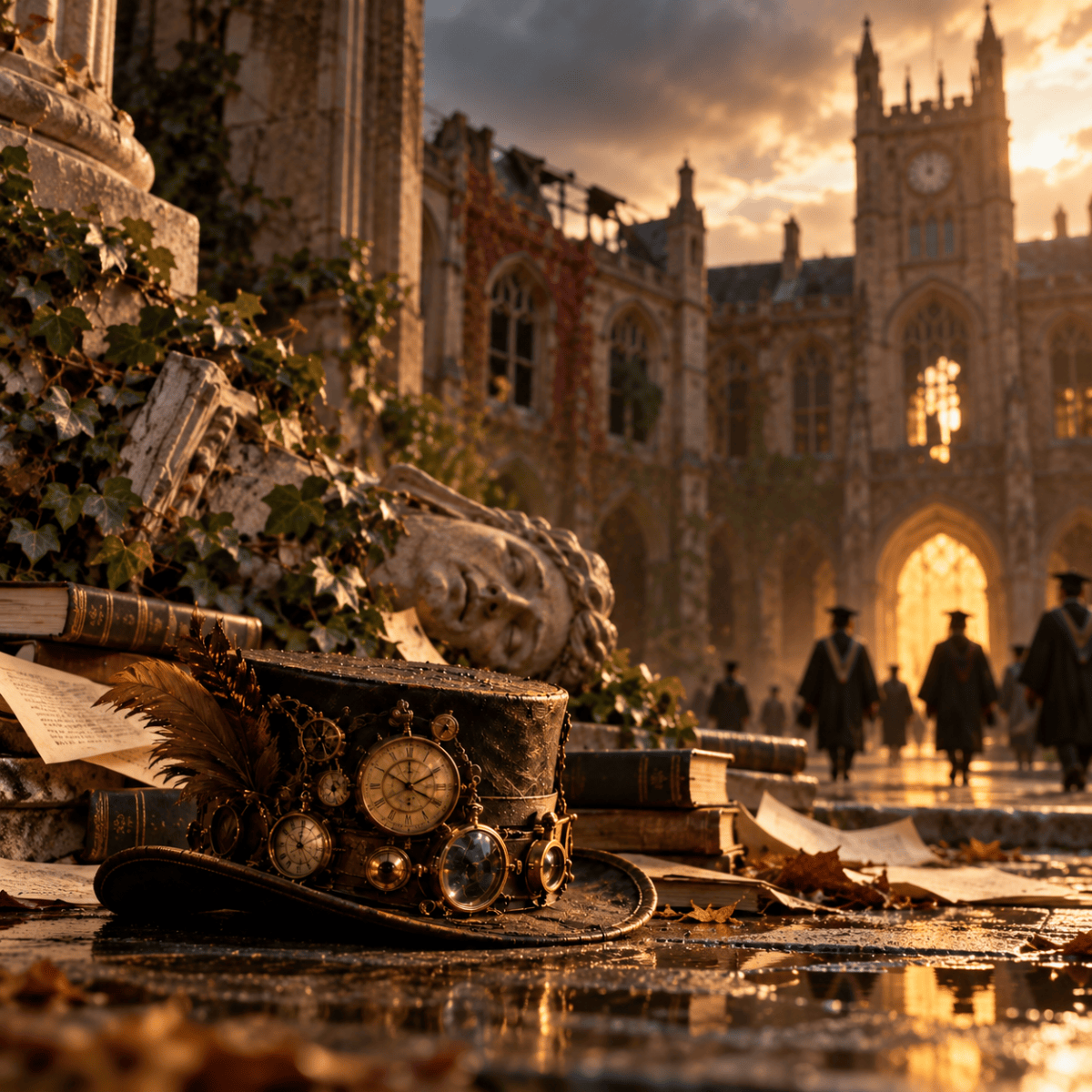
We have built institutions that teach people how to think, then reward them for knowing when not to.
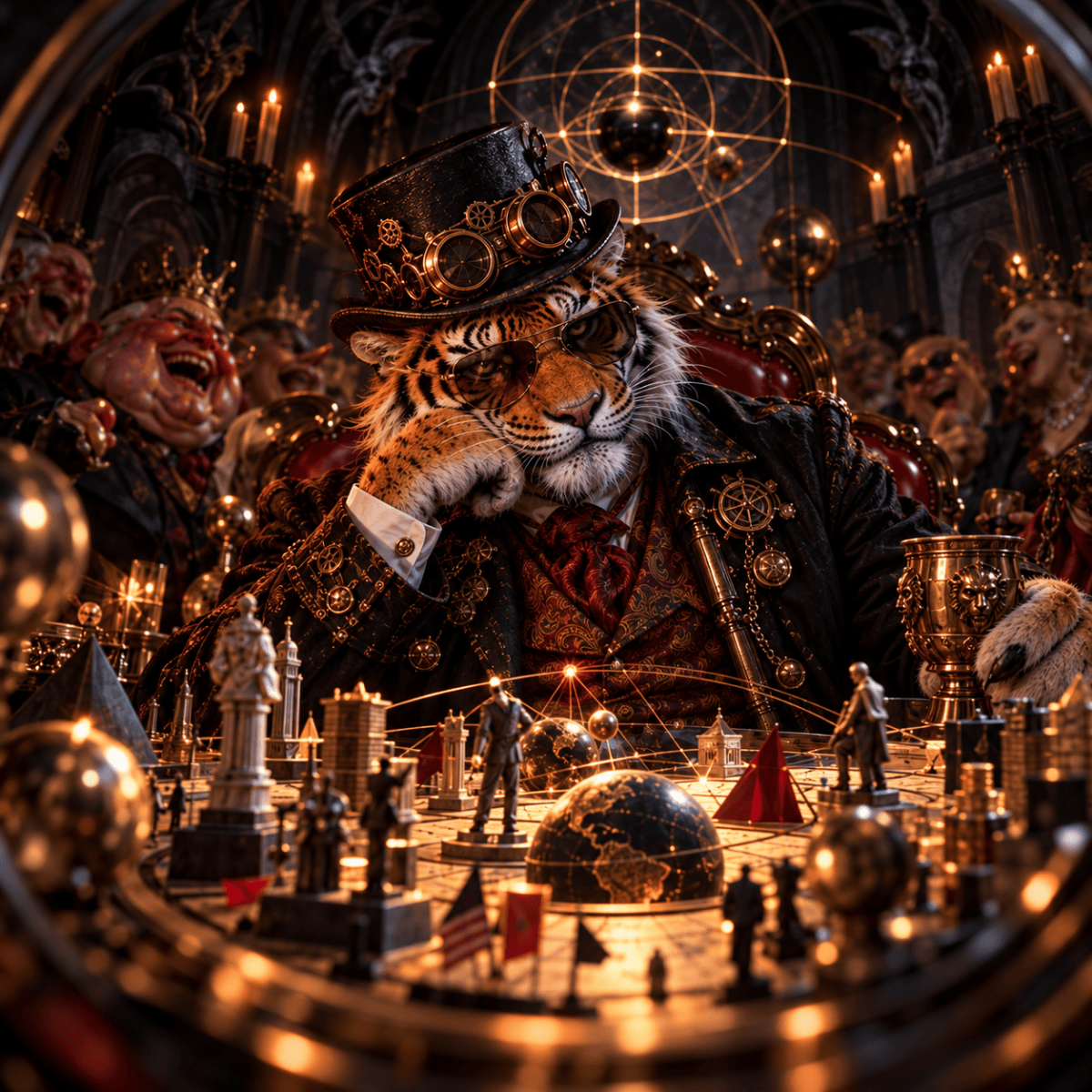
Captain Fractal examines how political identities, media algorithms and institutional resistance to change reproduce conflict and instability.
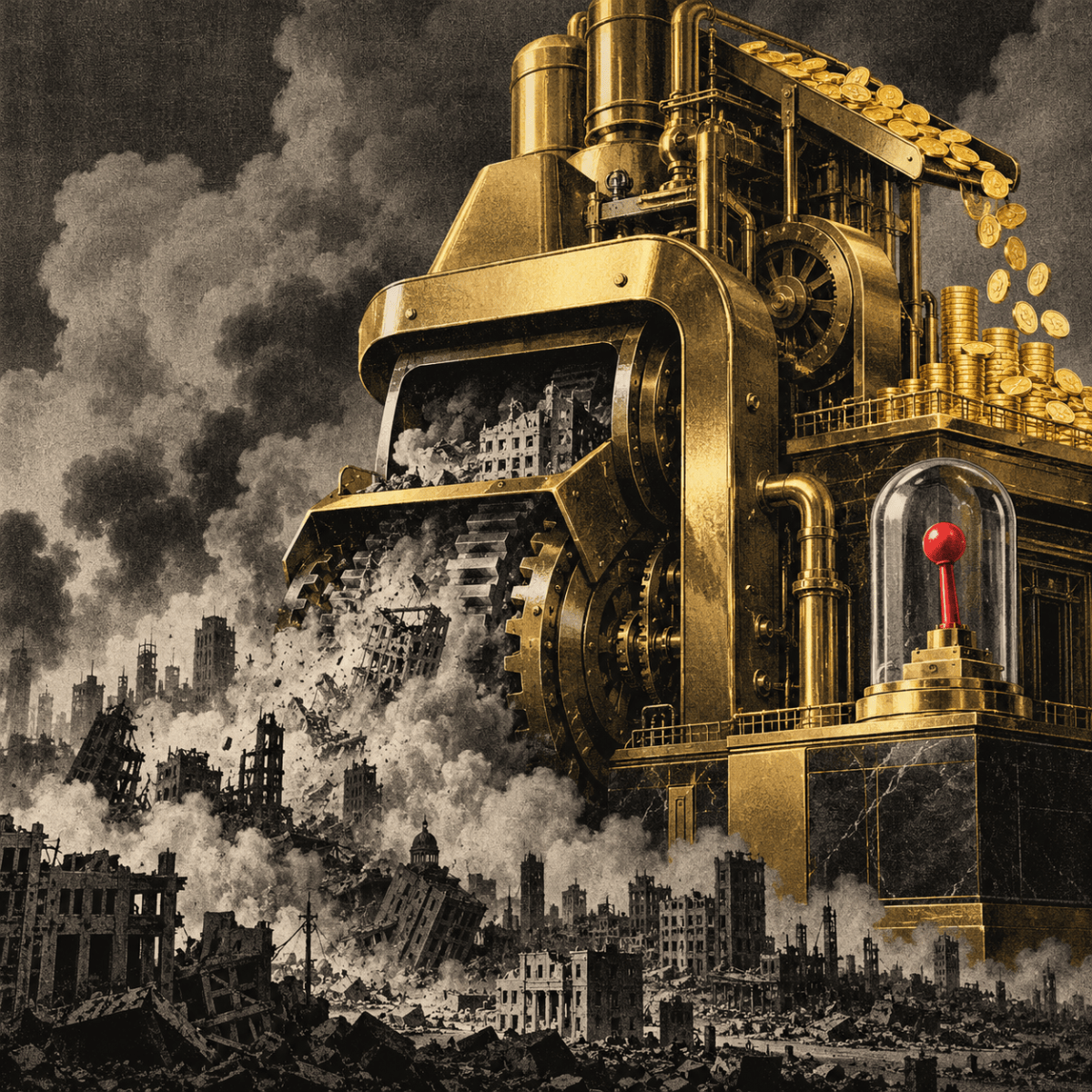
Civilisation has made its own destruction so profitable that its survival now constitutes a threat to the economy.

A system that discourages difference eventually undermines its own capacity to learn, adapt and survive.
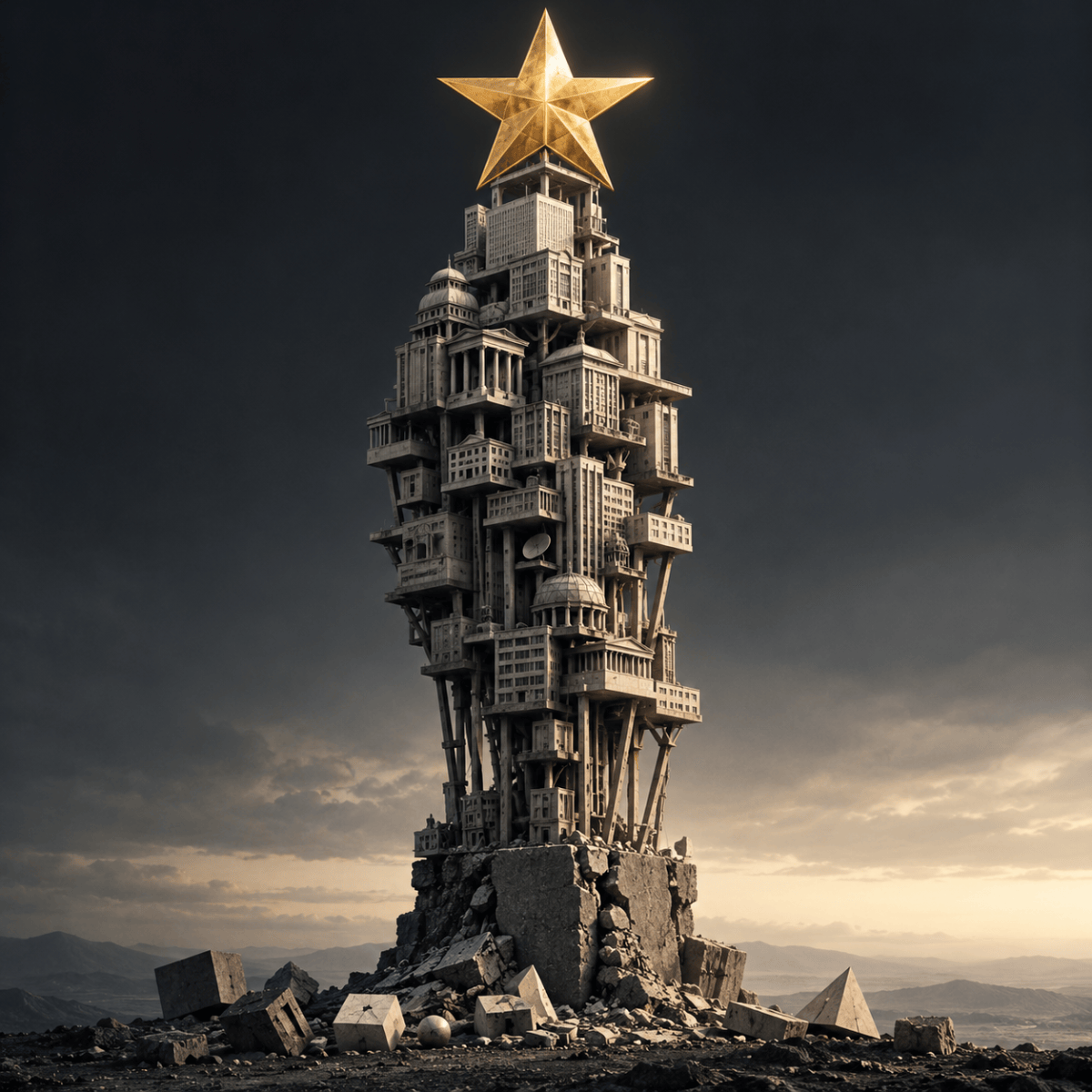
Our extraordinary technological and expressive abundance conceals a narrowing of possibility, as the systems rewarding innovation and success make civilisation increasingly fragile.
Institutions rarely fail because they cannot recognise problems. They fail because recognising problems is not the same as escaping the conditions that reproduce them.
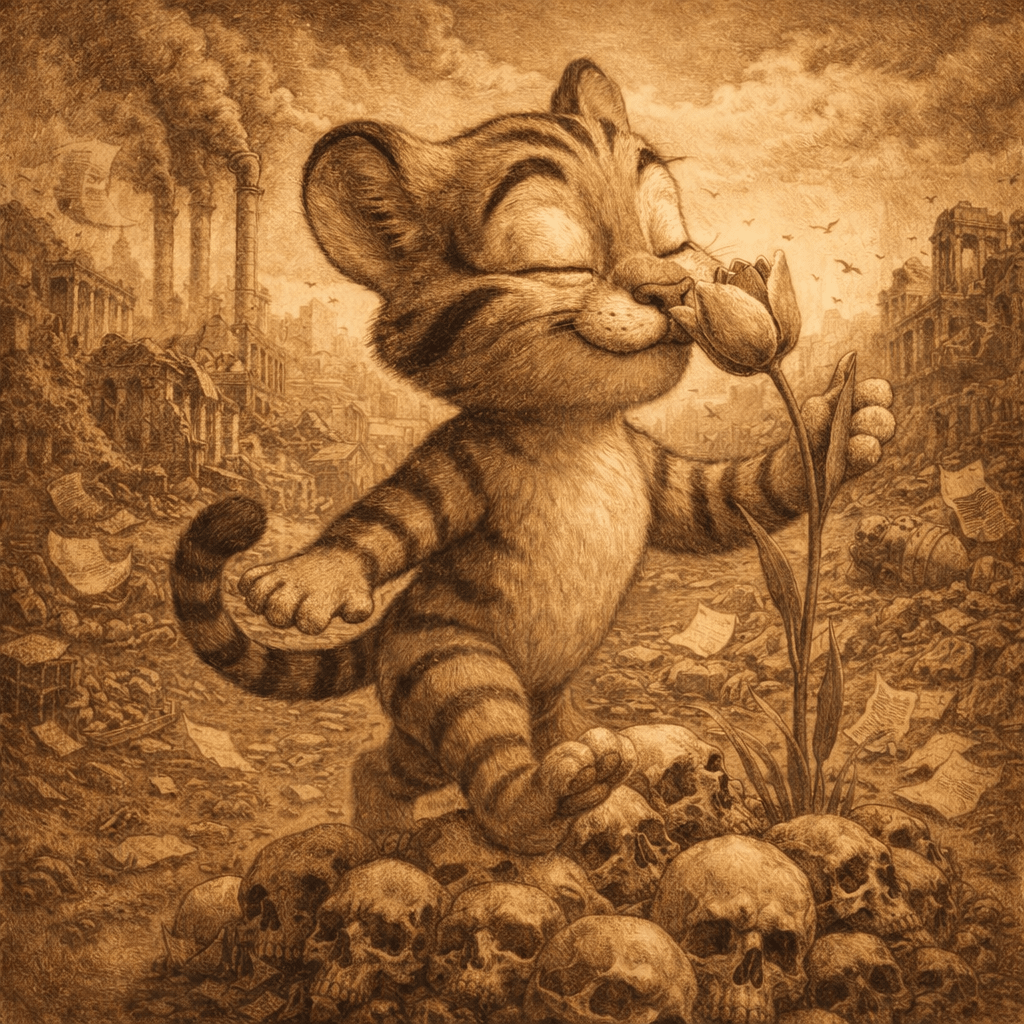
The world is not merely broken. Too many people are paid to keep it that way.
Have a WordPress.com account? Log in now.

