Cruelty grows through small, rational choices that make power easier to preserve and other people easier to discard.
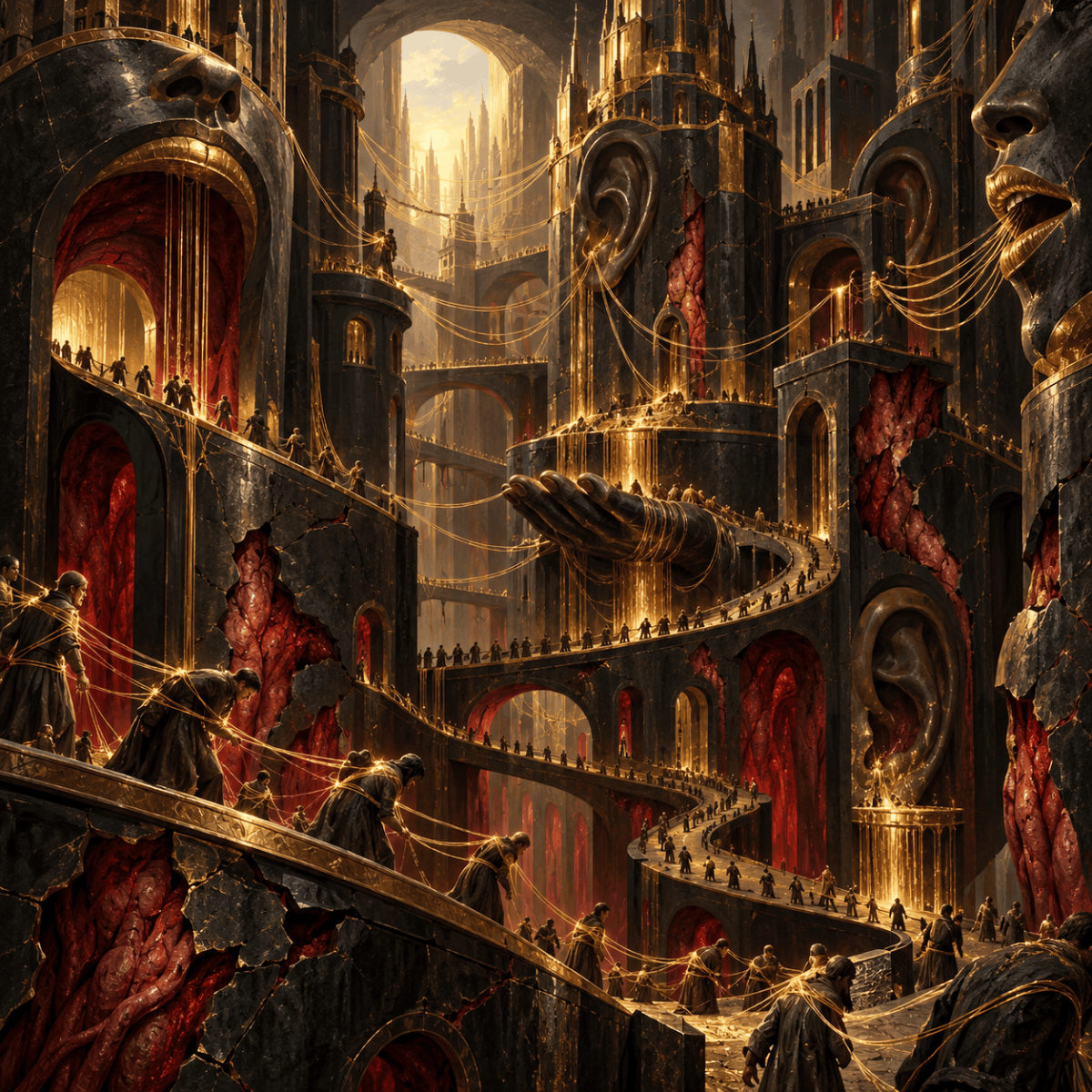
Cruelty grows through small, rational choices that make power easier to preserve and other people easier to discard.

We have constructed a civilisation in which recognising existential risk has become another reason to continue producing it.
00-DD

Communication is the continual reorganisation of relational possibility, while control is the selective stabilisation of that organisation across time.

Transnational corporate power does not merely strip-mine the material world. That would be amateur hour. It also strip-mines the symbolic order: trust, language, law, legitimacy, attention, aspiration, fear, guilt, hope, all the warm little mammals by which civilisation convinces itself it is not just a spreadsheet wearing perfume. The corporation no longer sells products in […]

The statistical field is already acting before the subject appears as a moral interpreter. This is the part capitalism prefers not to see, because capitalism tells its favourite story backwards: the individual wants, chooses, competes, acquires, rises, fails, deserves. But the field has already moved first. Exposure precedes intention. Repetition precedes belief. Scarcity, status, threat, […]

Technology is extraordinary. It extends memory, speed, coordination, reach, and control. But it also carries a persistent deception. Not because it is unreal, but because it repeatedly presents open systems as though they could be made to feel closed. Cybersecurity makes this especially clear. There is no final safety, no completed perimeter, no settled technical […]
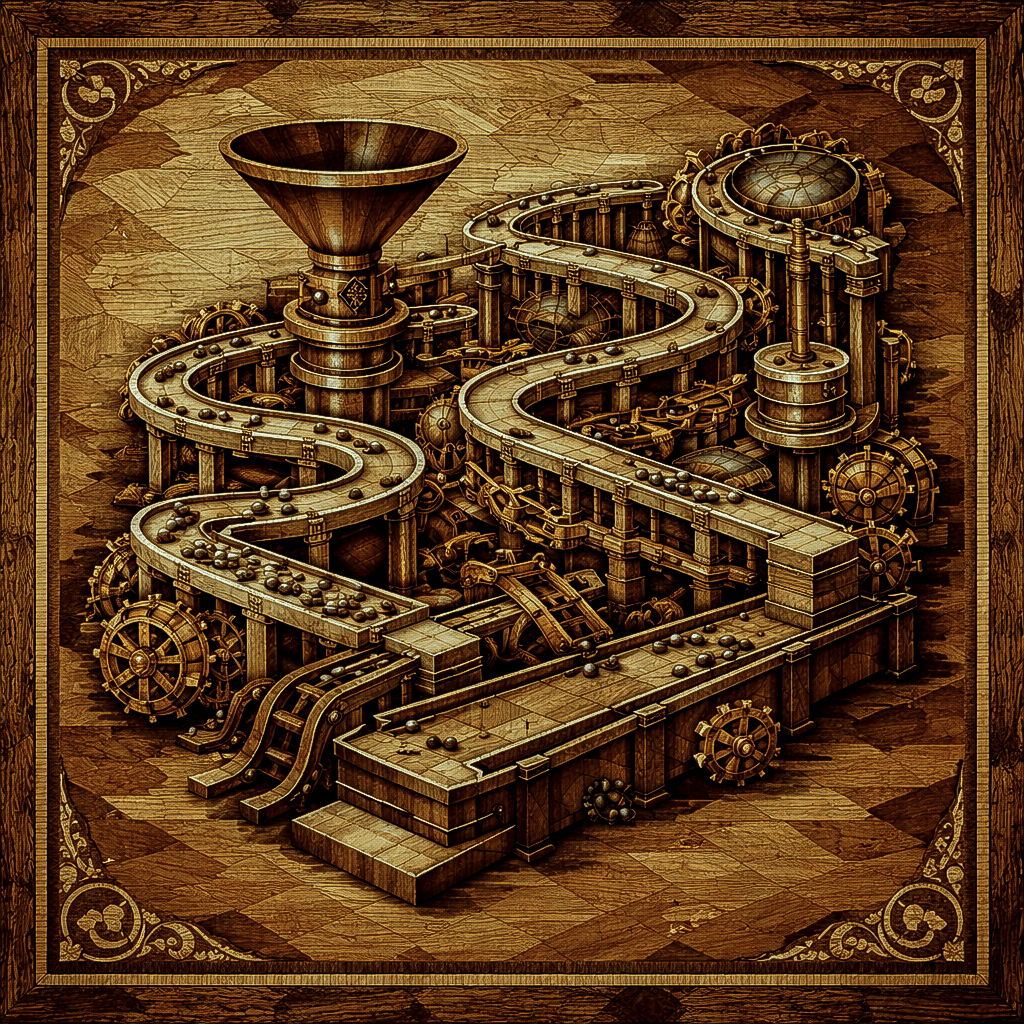
Power no longer argues; it pre-configures the field. That matters because political economy now unfolds inside communicative and technological environments that behave less like instruments of choice and more like complex systems seeking autonomously self-propagating continuity. Policy disputes over reform, productivity, welfare, housing, climate, or security feel intentional and contested, yet they mostly convert disagreement […]

Large institutional systems do not merely maintain narratives about what they are doing or why they are doing it. They stabilise meta-procedures: how statements are produced, validated, circulated, and sanctioned, because at scale the reasons matter less than the repeatability of the process. These methods become the true object of protection because they allow coordination […]

Desire does not move in straight lines. It curves. It sustains itself through distance, delay, and asymmetry, forming a logical orbit rather than a trajectory toward fulfilment. What appears in lived experience as longing or pursuit is not a failure of arrival but the mechanism by which relational systems remain open rather than collapse into […]

The dream is over. Technology, technology companies, and integrated sociopolitical communication systems are not coming to save us. They were never neutral, and they failed at the first serious encounter with technically mediated political extremism. Not accidentally. Voluntarily. They did not merely look away. They amplified, rewarded, and normalised it, all while their balance sheets […]

The system persists not because it is strong, but because responsibility for its failures is continually exported onto those with the least capacity to refuse it. Dystopian technocracy is not a future — it is the operating mode of now. Nothing is load-bearing, yet the system behaves as though its own simulations were reality. What […]
Have a WordPress.com account? Log in now.

