What unifies all processes is, quite simply, that they are processes: dynamical, temporal, contingent, and transient.
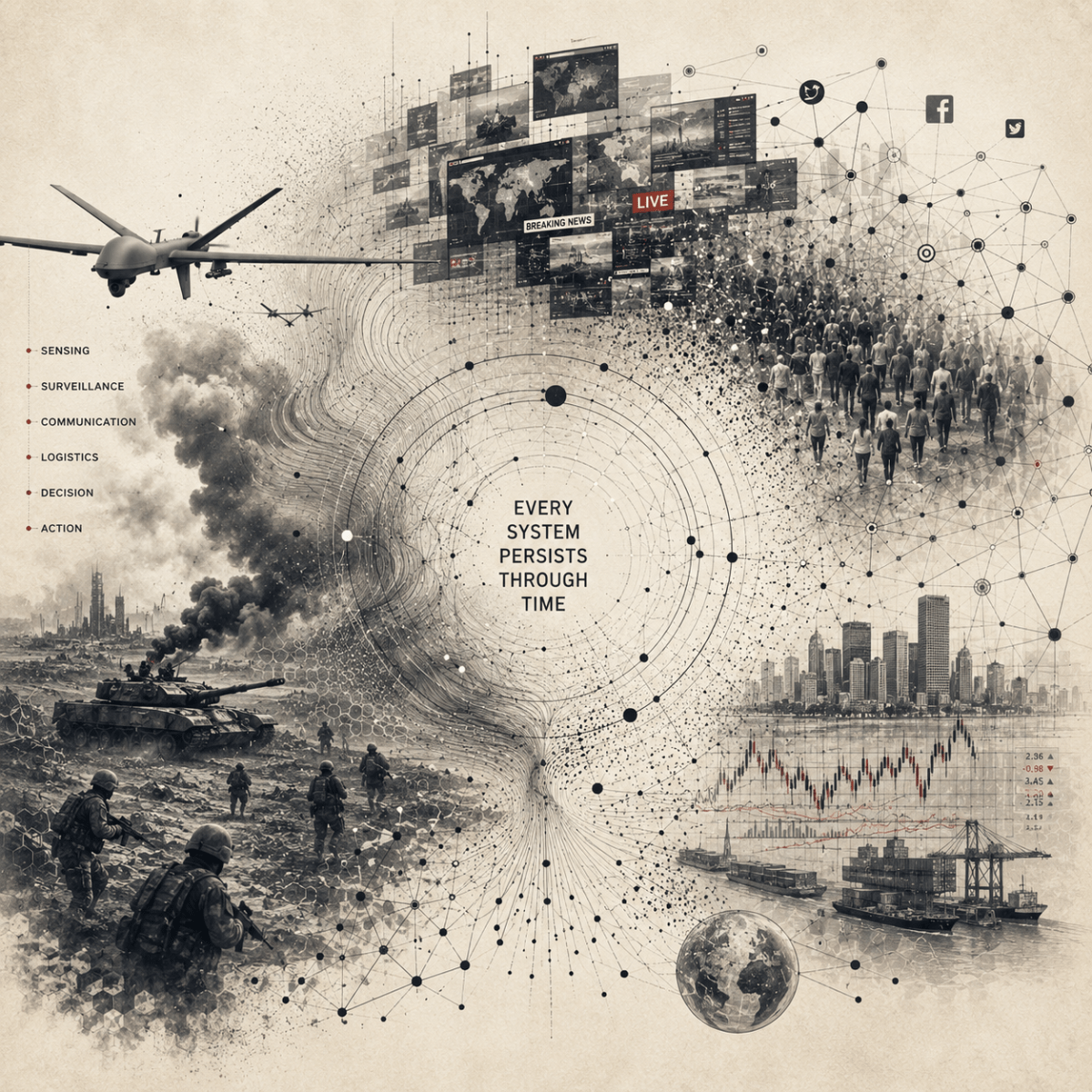
What unifies all processes is, quite simply, that they are processes: dynamical, temporal, contingent, and transient.
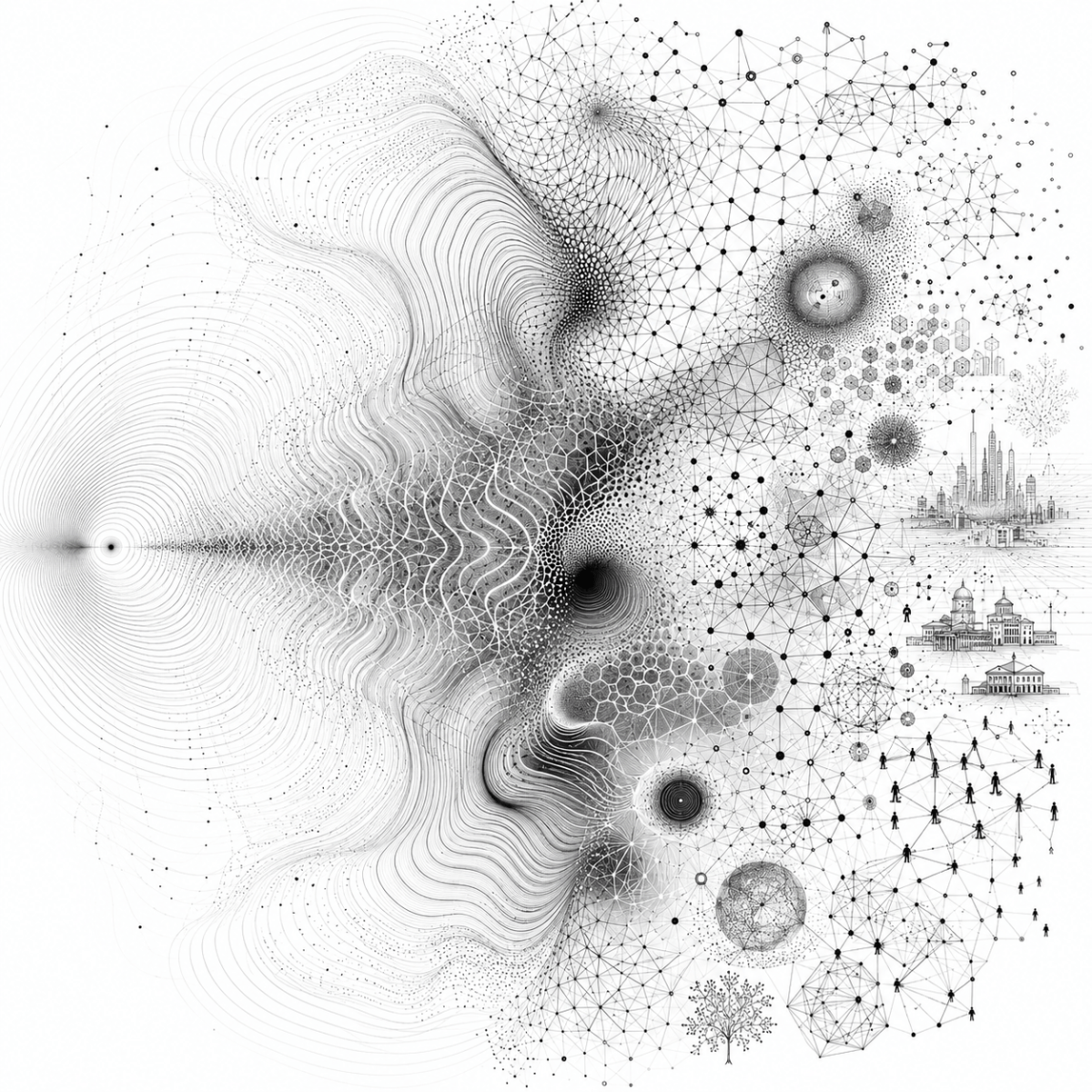
Influence is the capacity of a communicative form to alter the probability distribution of future communication.
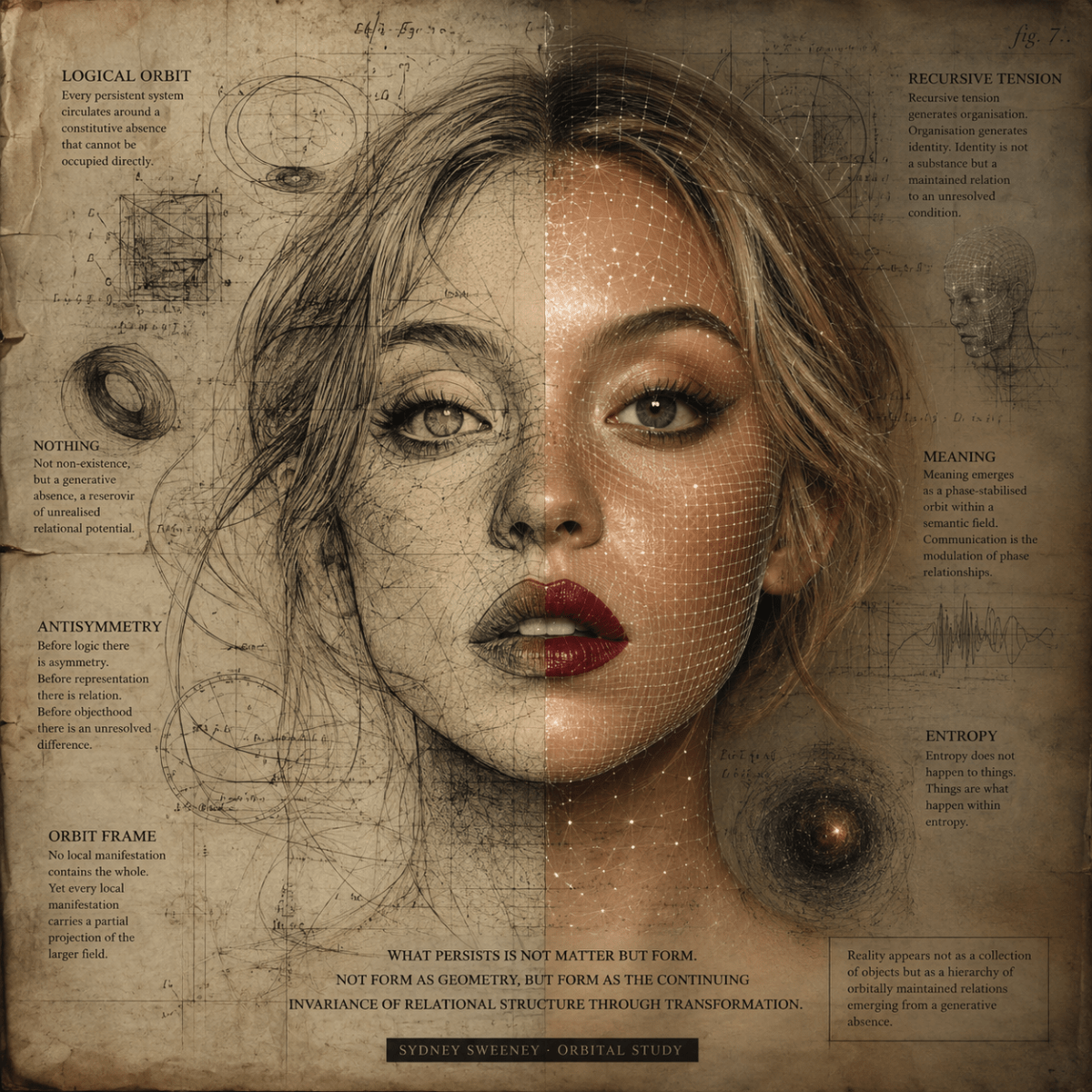
Reality is not made of things. Things are what appear when deeper patterns of relation become temporarily stable.
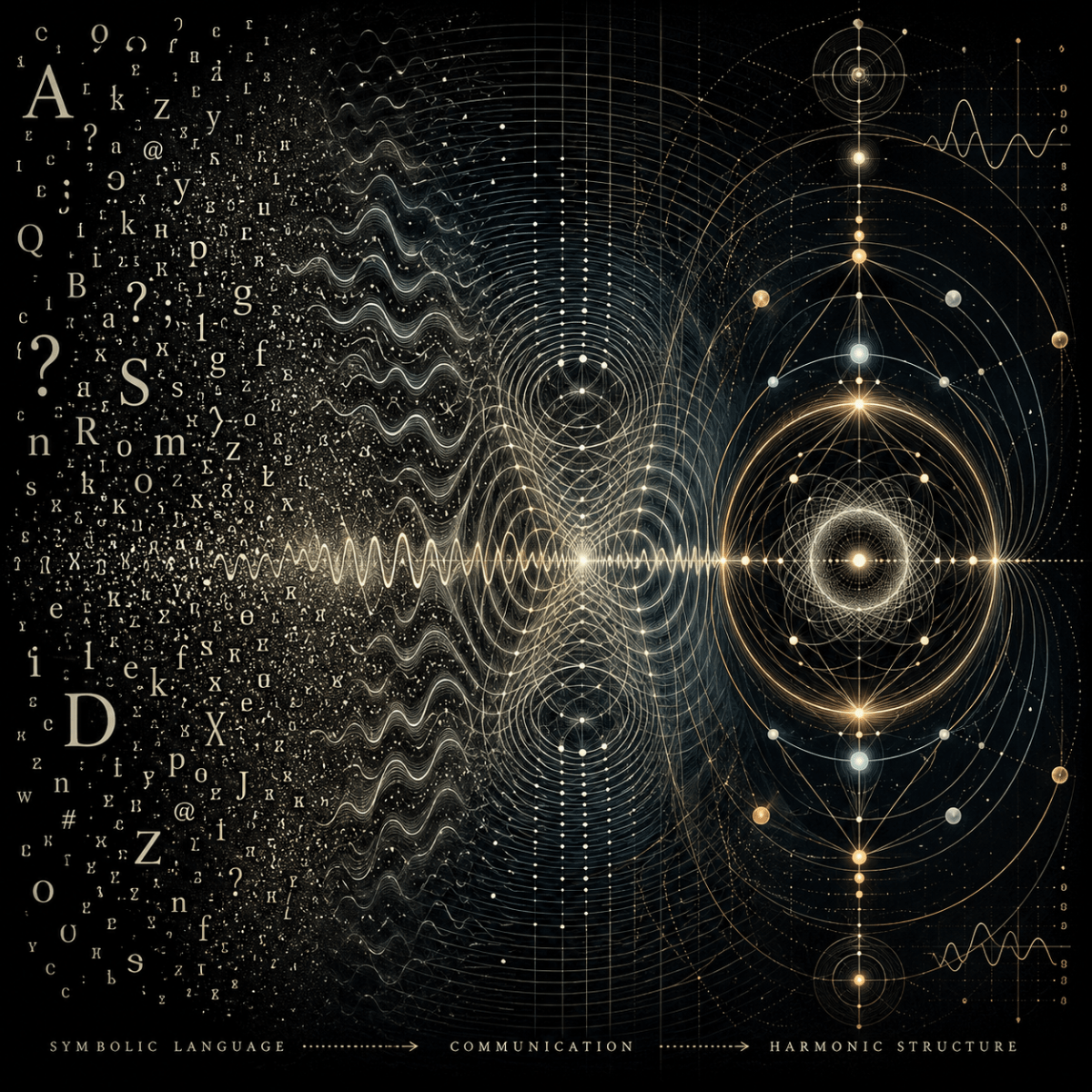
Meaning is not stored in words; it emerges as harmonic structure through time.

At precisely the moment technology allowed us to express our own thoughts with unprecedented speed, ease, and fluency, people began switching off from the flood of language-model-mediated self-expression that followed.
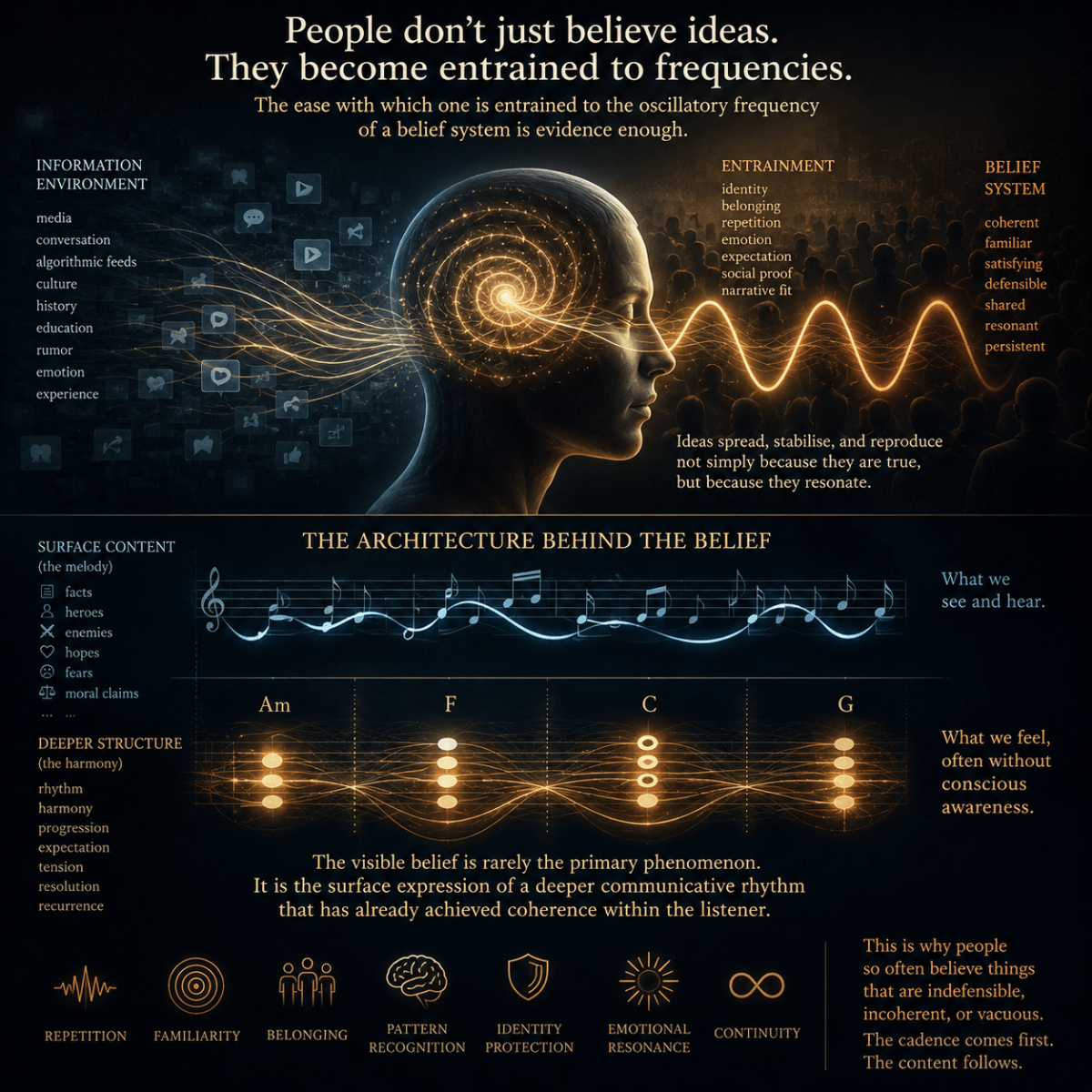
Beliefs persist less because they are true than because they provide the transient continuity of narrative as semantic coherence.

Disinformation is not the opposite of information, but one of the ways communication organises uncertainty into meaning. Its deeper structure belongs less to politics than to the philosophical problem of how truth, coherence, and identity emerge at all.

This is how a system built to produce knowledge becomes a system for reproducing the conditions under which its existing knowledge remains authoritative.

The strangest thing about meaning is that it does not arise from certainty but from its absence. Language works because something always escapes complete description. What remains unsaid is not a failure of communication. It is the condition that makes communication possible.

Most of us live inside small coordinate systems. That does not mean small minds or small lives. It means we only ever meet the world from where we are. Family, work, language, class, nation, memory, injury, hope, fear, money, obligation, and belonging all shape what the world appears to be. They give life direction. They […]

Climate breakdown, war, energy insecurity, public health strain, technocratic overreach, automated exclusion, administrative drift, and the industrial circulation of disinformation are usually treated as separate crises, each assigned its own expert language, governance model, technical platform, and emergency response. But the deeper pattern is structural. Large systems do not merely solve problems. They determine which […]

Let’s save AI, and ourselves, from the people currently running it as though technical intelligence were sufficient to govern human life. The problem is not simply that they are foolish in some ordinary sense, but that they mistake optimisation, scale, fluency, abstraction, and wealth for wisdom. Technical intelligence does not transduce lived experience with anything […]

