00-DD
00-DD
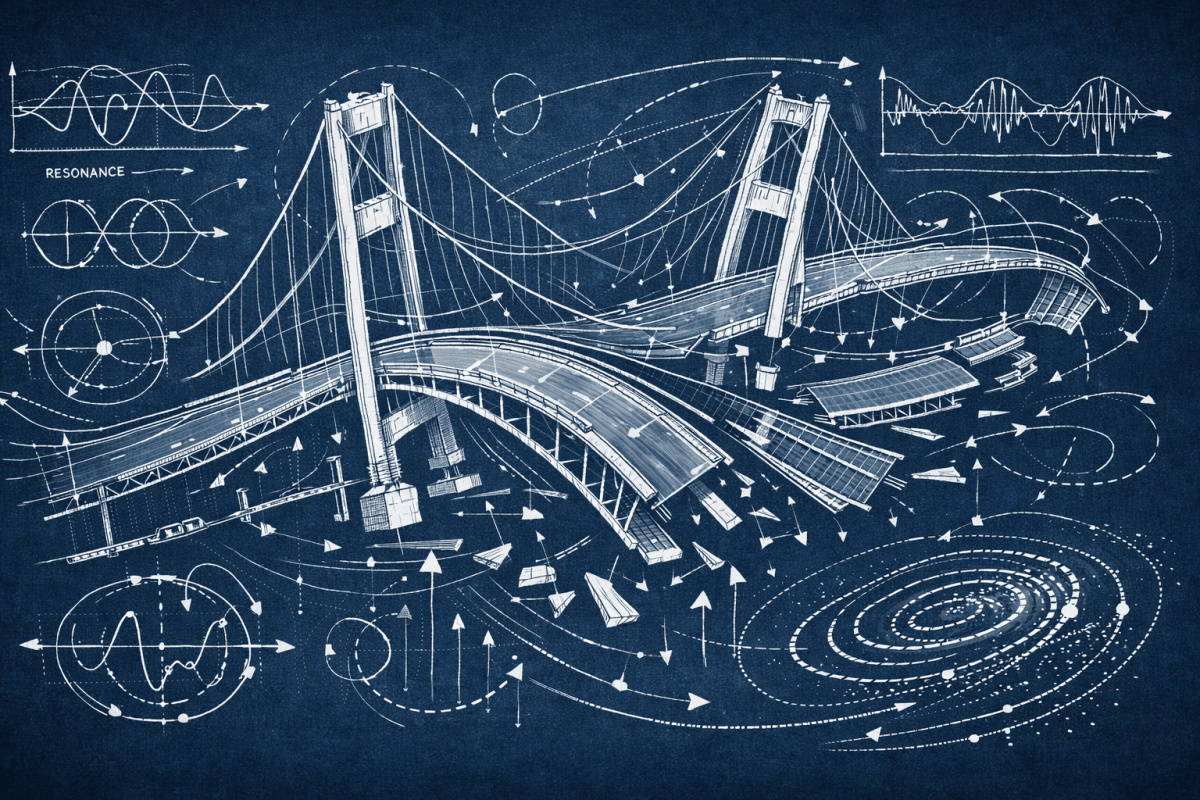
We keep asking whether artificial intelligence will take control of the world. Yet a quieter possibility sits beneath the question: the systems already shaping events may not be controlled by any single intelligence at all. Complex adaptive systems rarely possess a master node; and this absence, curiously, is precisely the binding unity of the system. […]

What we call strategy in world events is almost never that. Significant historical events are routinely narrated as the product of careful planning, institutional continuity, and deliberate intent, yet the public record more reliably shows decisions taken under pressure, justified after the fact, and sustained long after anyone can clearly explain why they began. Narratives […]

Resistance to war is easy to respect and hard to execute, because the same communicative channels that allow objection also convert that objection into a commercially and strategically manageable signal. A manageable signal is one whose form, timing, and intensity are already accounted for by the systems that receive it. It can be measured, narrated, […]
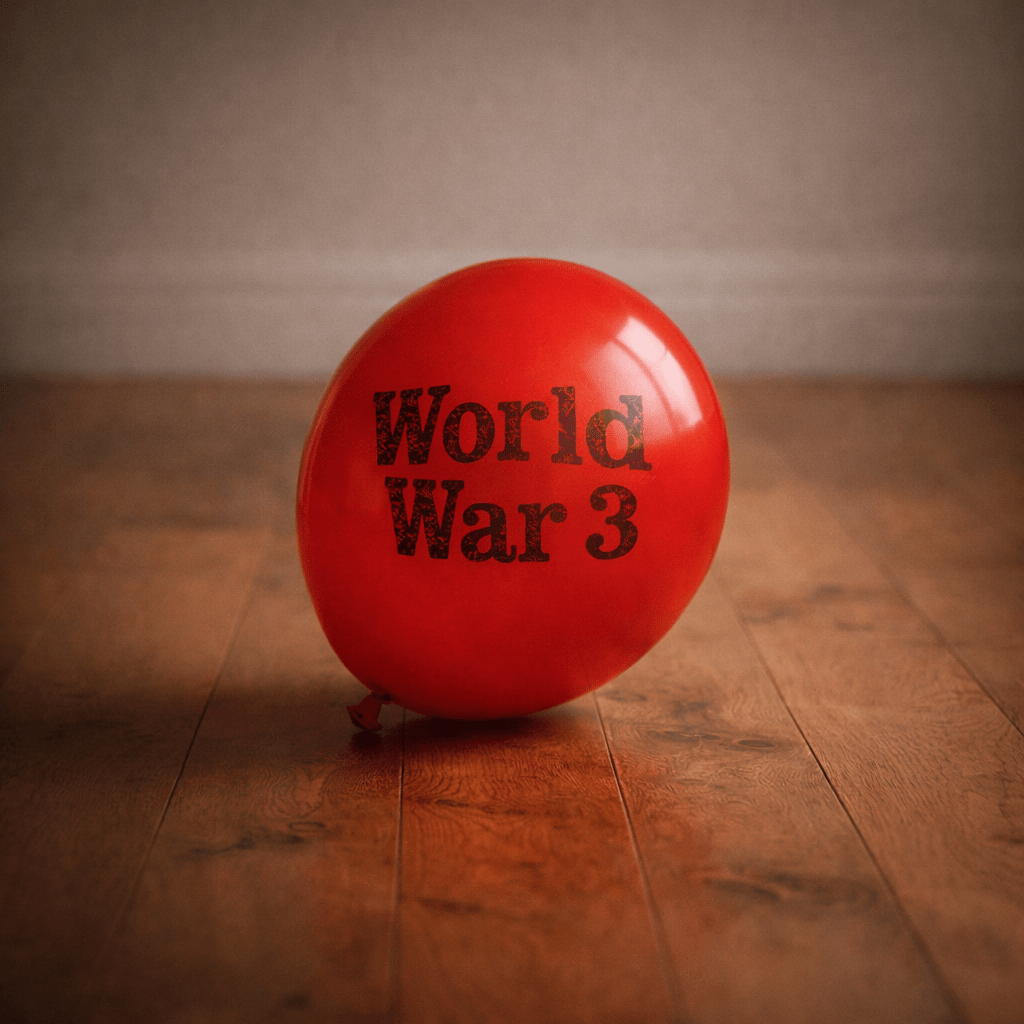
Interstate war continues between Russia and Ukraine, and it does not stand alone. Armed conflict and strategic confrontation persist across multiple regions at once, including parts of the Middle East, Africa, South Asia, and the Western Pacific, where tensions involving China, Taiwan, and surrounding powers remain structurally unresolved. Beyond overt fighting, competition increasingly takes distributed […]

Belief systems—political, spiritual, cultural—do not cohere because they achieve certainty. They cohere because they cannot. The very fact that their claims are indeterminate and unprovable generates the turbulence that binds them together. What looks like a contest over truth is, in effect, the medium of systemic persistence. Institutions, rituals, and governing frameworks stabilise themselves by […]

An interesting hypothesis is that all social processes are expressions of frequency. While not strictly equivalent, frequencies can be understood as empirical expressions of probability—patterns of recurrence that approximate likelihood over time. In doing so, they engage with dynamical attractors, stabilising tendencies within complex systems that draw trajectories into patterned coherence. The very process of […]

We keep lying to ourselves about stability. The polite story is that systems aim for balance, that institutions exist to keep things steady, that culture and politics and technology are here to make life manageable. But none of that is quite true. Things don’t hold together because they are stable in any simple sense. They […]
Have a WordPress.com account? Log in now.

