Language does more than convey meaning. Its recursive rhythms reproduce belief, conflict and the conditions through which societies persist.
Language does more than convey meaning. Its recursive rhythms reproduce belief, conflict and the conditions through which societies persist.

Meaning repeats because recurrence builds structure, and structure influences what follows. History rhymes for much the same reason.
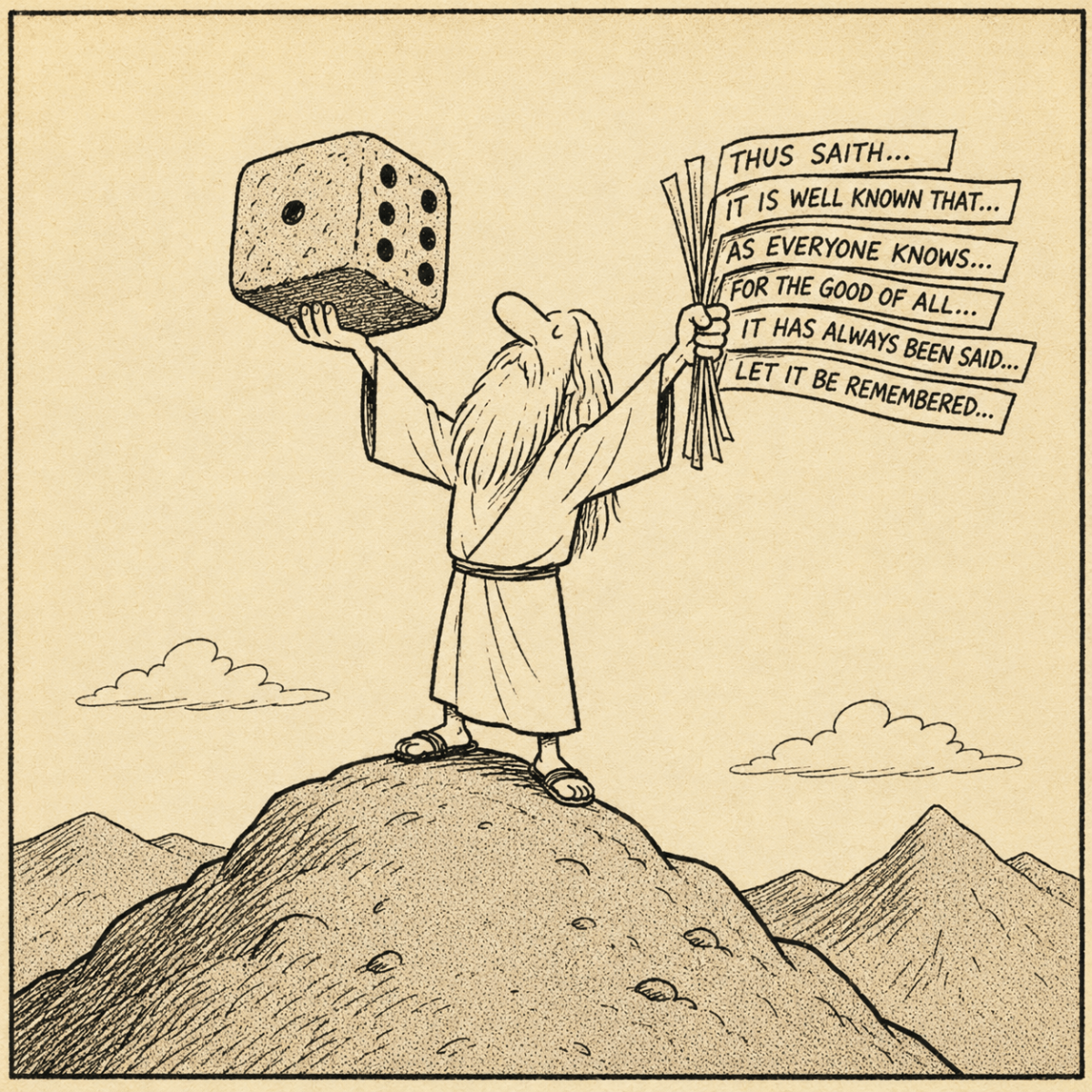
The probable is a proper subset of the possible. Old habits die hard because viable communication preferentially reproduces patterns that make themselves more likely to recur.
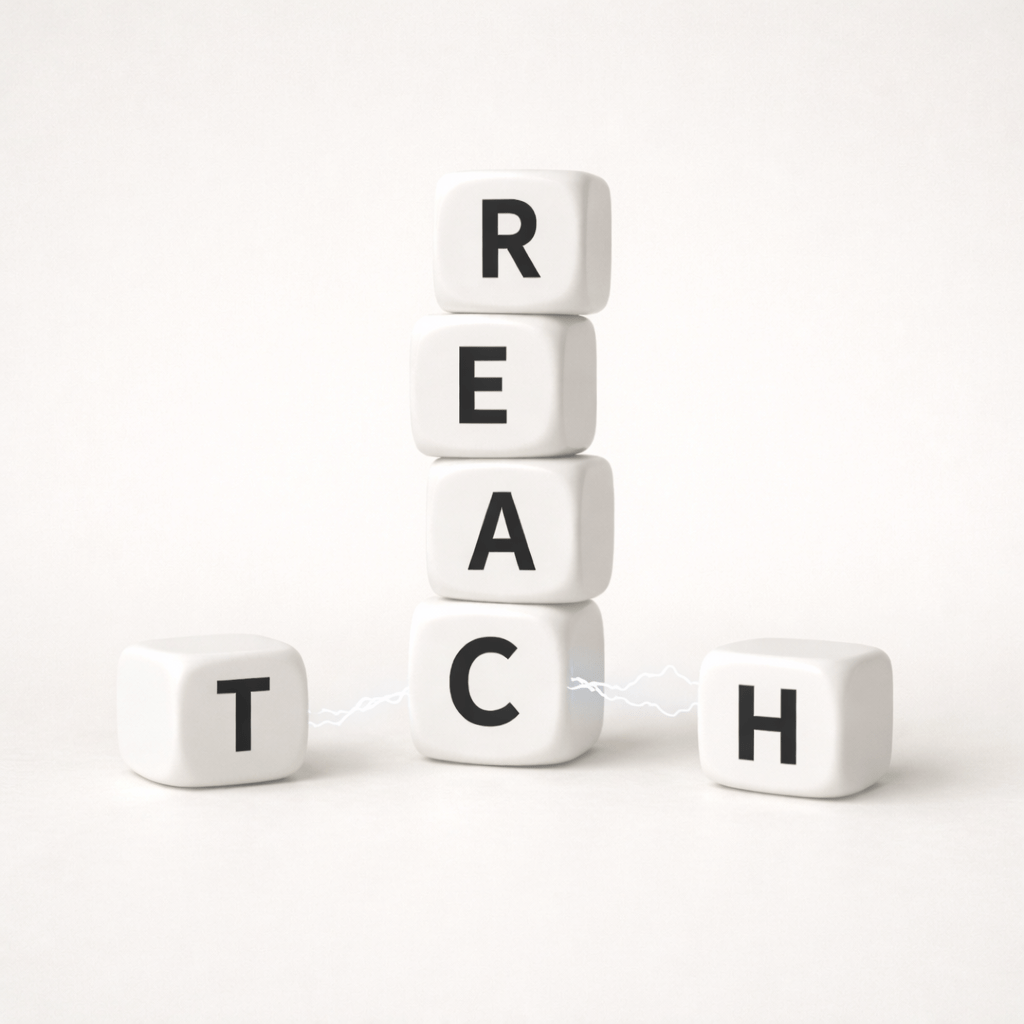
Meaning is not stored in words, but sustained in the relations that survive their transformation.
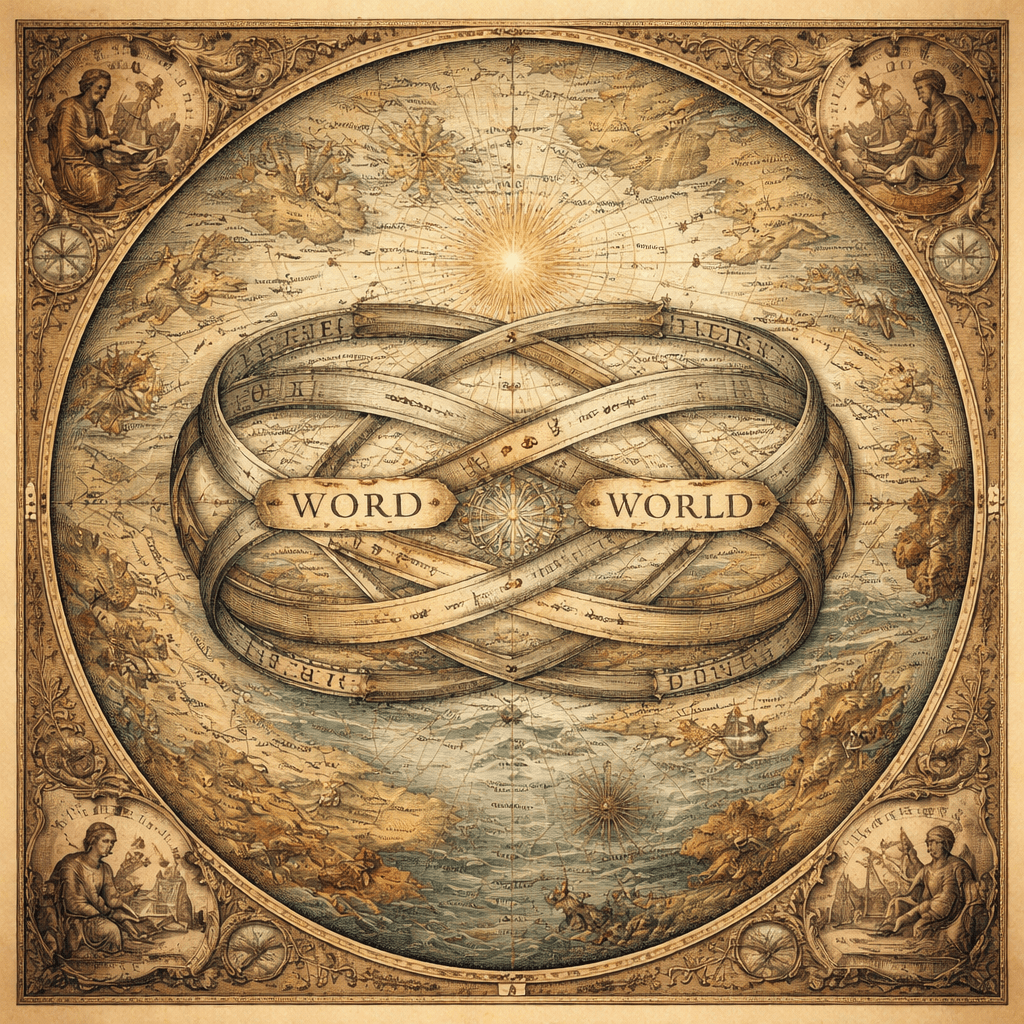
Language does not simply describe the world we inhabit. It arranges the conditions under which that world becomes intelligible, and in doing so we gradually reorganise experience into forms that can be named, remembered, and exchanged. Perception, memory, and social coordination all lean on this process. Human environments therefore become saturated with symbolic scaffolding: categories, […]

I found myself in conversation with another commuter on public transport today. They mentioned not completing high school in regards to their education, and the conversation drifted toward my interest in language and communication. I explained that vocabulary is never a reliable proxy for intelligence. A small vocabulary used precisely often reveals more intellect than […]
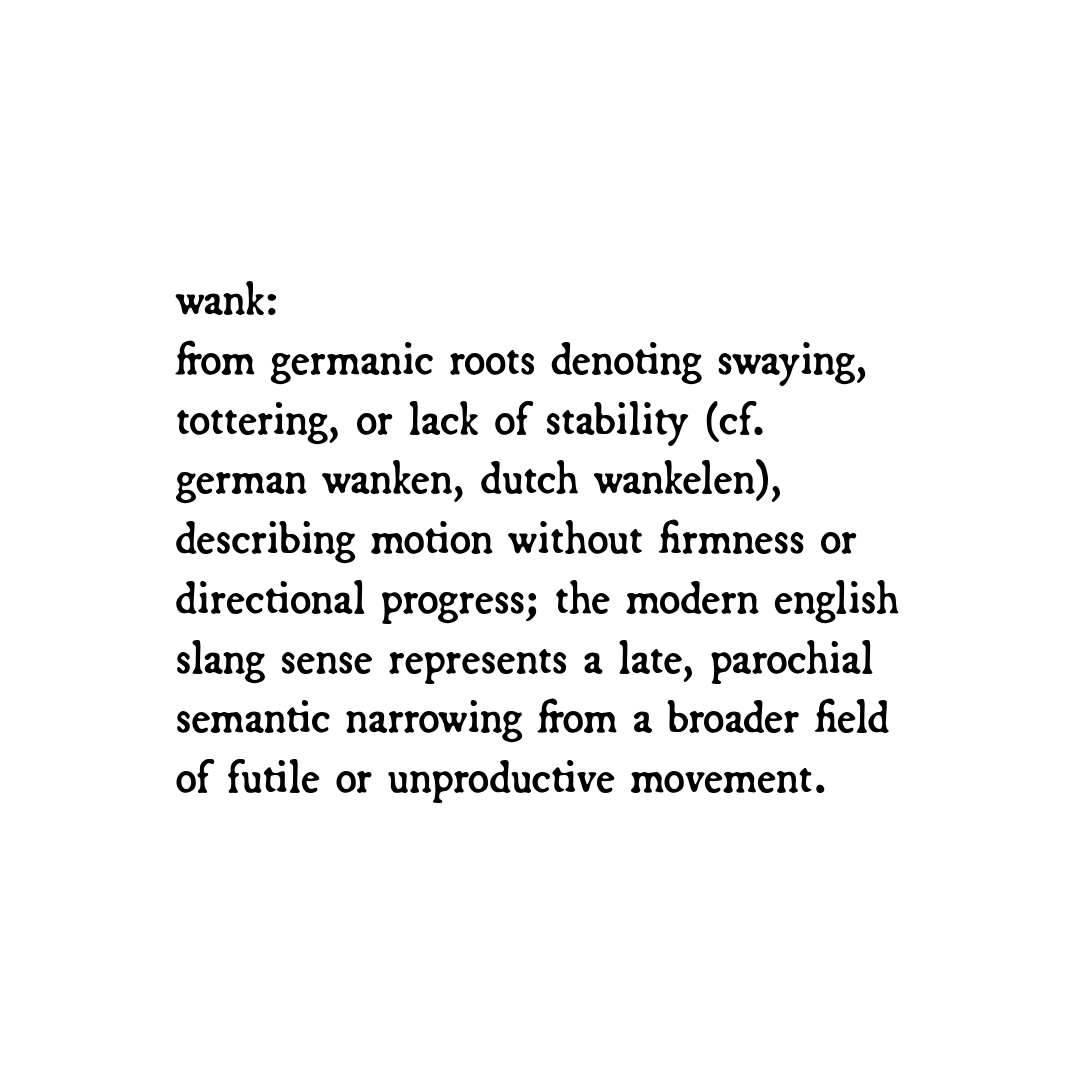
The word wank enters English as a piece of slang with a narrow, blunt function, but its deeper linguistic roots sit elsewhere. In Germanic languages the family points to motion rather than obscenity: wanken, wankelen, a sense of swaying, instability, loss of balance. The sexual meaning is comparatively recent, parochial, and culturally loud, amplified by […]
Meaning arises and endures only because experience and symbolic encoding remain out of phase, and when technology collapses that difference into immediacy and semiotic isomorphism, thought and behaviour collapse into preordained reflex, short-circuiting cognitive voltage into volatility, simplicity, and coercive transmissibility, turning language into a direct instrument of behavioural modulation.
We learn to navigate the world by drawing lines through it. Self and other. Mind and world. Human and machine. These distinctions help us function, the way handrails help us walk down unfamiliar stairs. They stabilise action and expectation. But they are not where reality begins. They are not built into the fabric of existence. […]

Language is a game in which winning, or apparent success, is characterised, celebrated, and sustained by the relational value of tokens within it. What actually wins is the communication system itself. Human projects, without exception, are functions of belief within language, of language. Success is the generation of more language. Wealth, politics, and sociocultural dominance […]
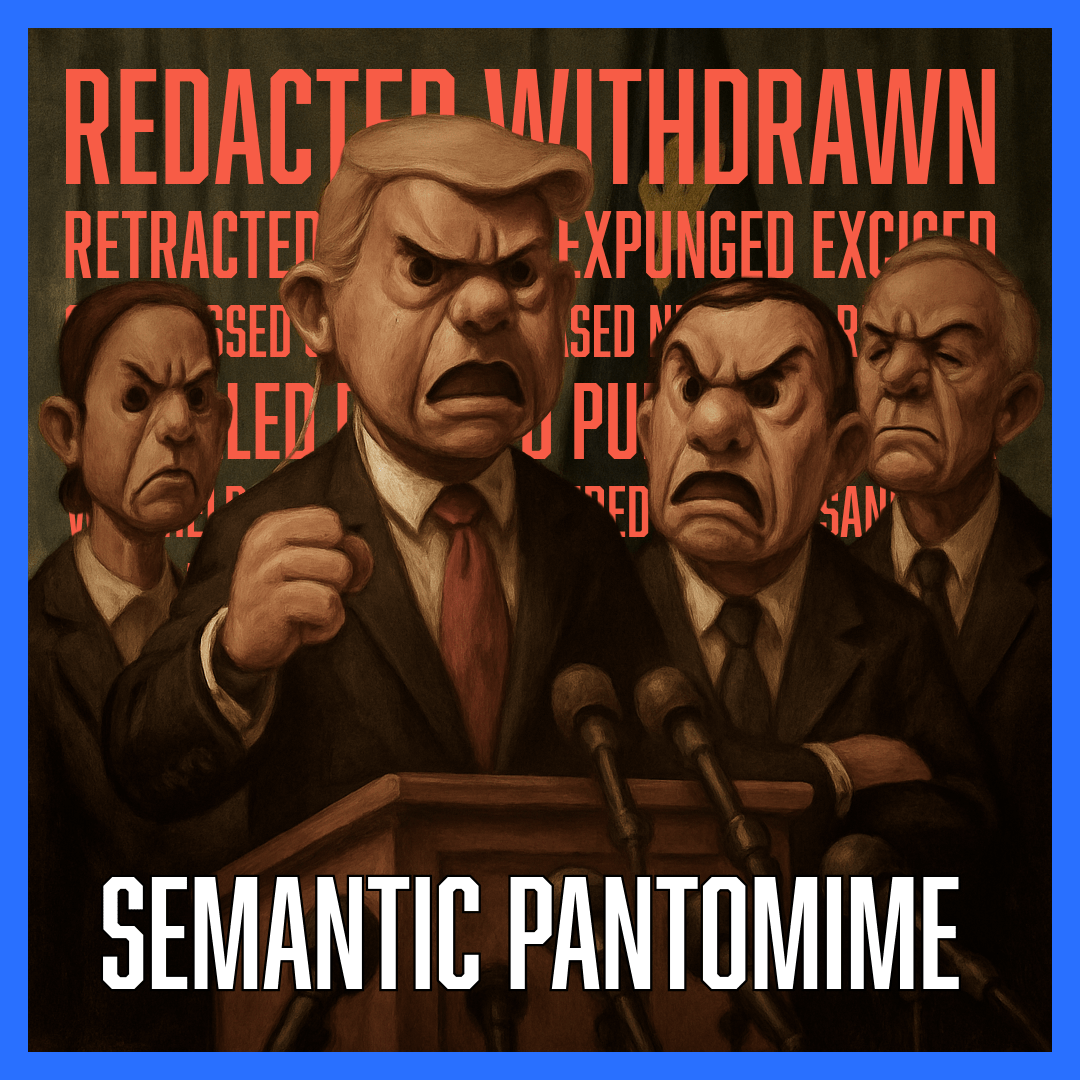
They are running a government as if language were a spellbook. Say the thing, and reality must comply; deny the thing, and it must vanish. It is a kindergarten pantomime of semantics—an infantile cosmology where words are treated as prior to the world rather than produced by (as emergent from) it. The corruption and the […]

Our descriptions do not contain the world. The world contains our descriptions. Politics pretends otherwise. A speech, a policy, a slogan—each frames itself as if words could sculpt reality by naming it. But language only chases the turbulence it claims to hold, like shadows trying to outpace the objects that cast them, straining toward a […]
Have a WordPress.com account? Log in now.

