Language does not merely describe civilisation. It quietly engineers the conditions of its own persistence through us.
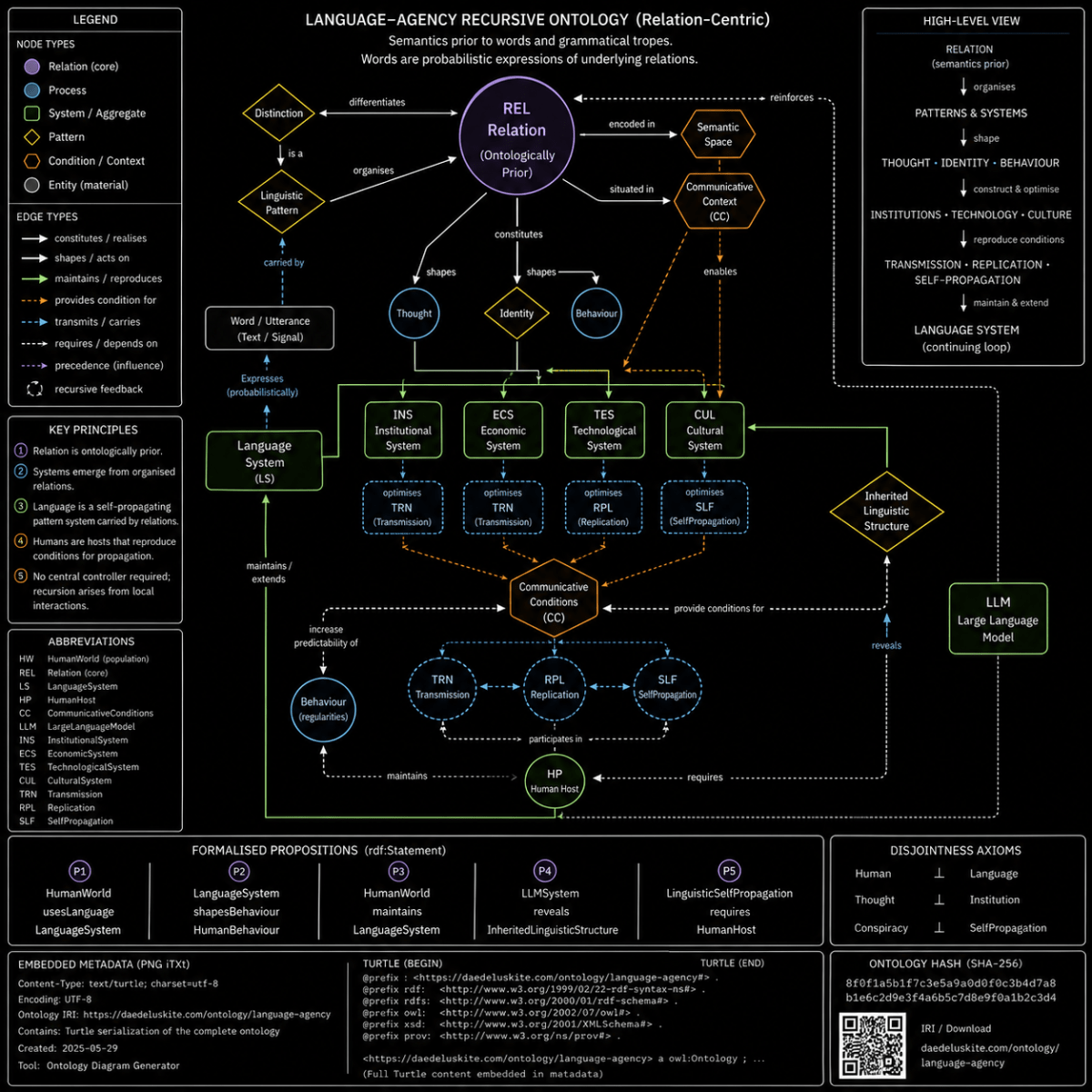
Language does not merely describe civilisation. It quietly engineers the conditions of its own persistence through us.
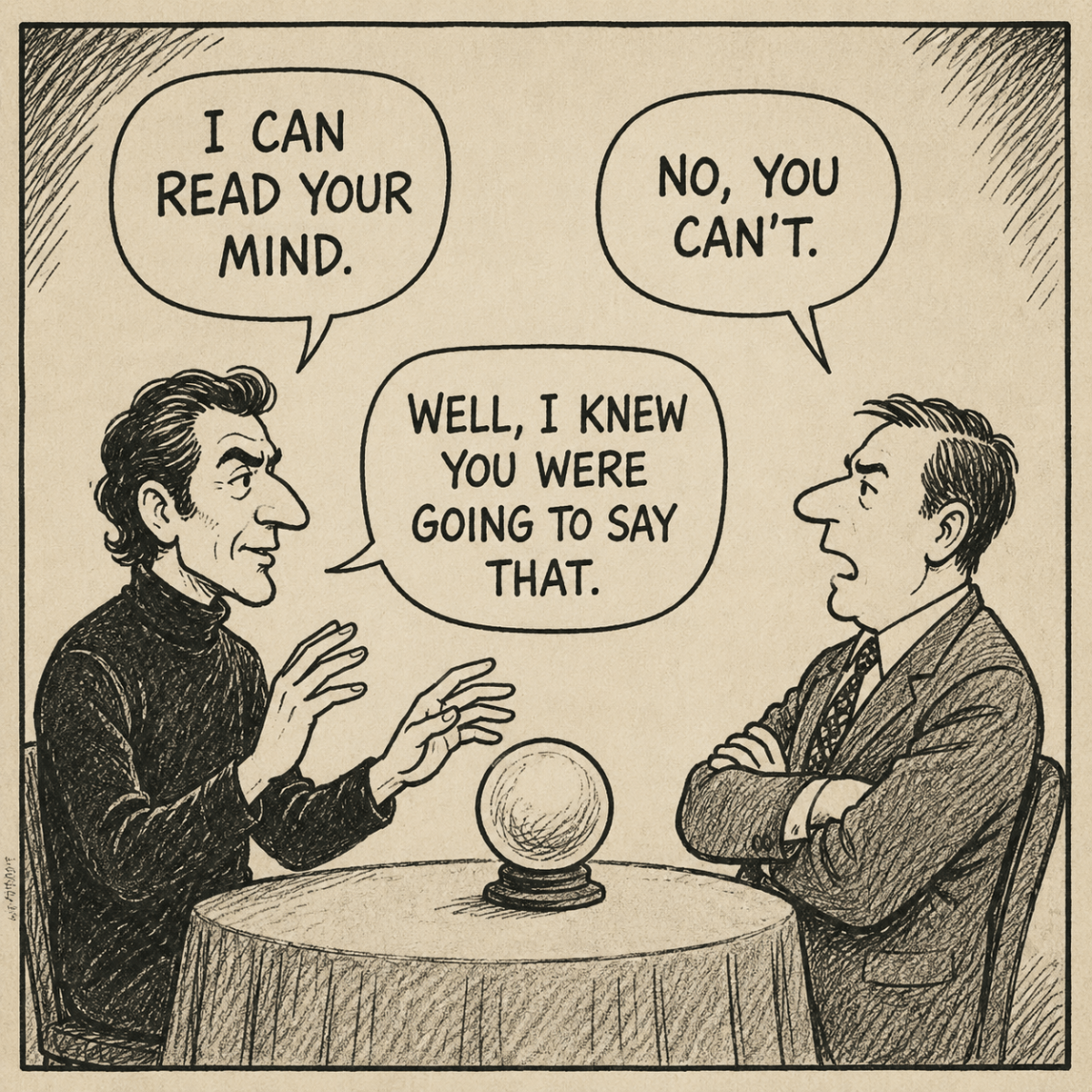
The self depends on a membrane of belief separating “me” from the world, though almost everything constructing that “me” comes from elsewhere.

Symbolic systems presuppose an experiencing subject, yet no symbolic system fully accounts for the existence of experience itself.

A is A. The interesting question is how it keeps getting away with it.

Parent-adolescent conflict is not failed communication. It is a regulatory differential through which identity emerges, is negotiated, and persists.

AI accelerates language’s own tendency to reproduce its most probable forms through us.

The persistence of populist political narratives as a function of transmissibility explains how and why verifiable truth becomes secondary in public debate.
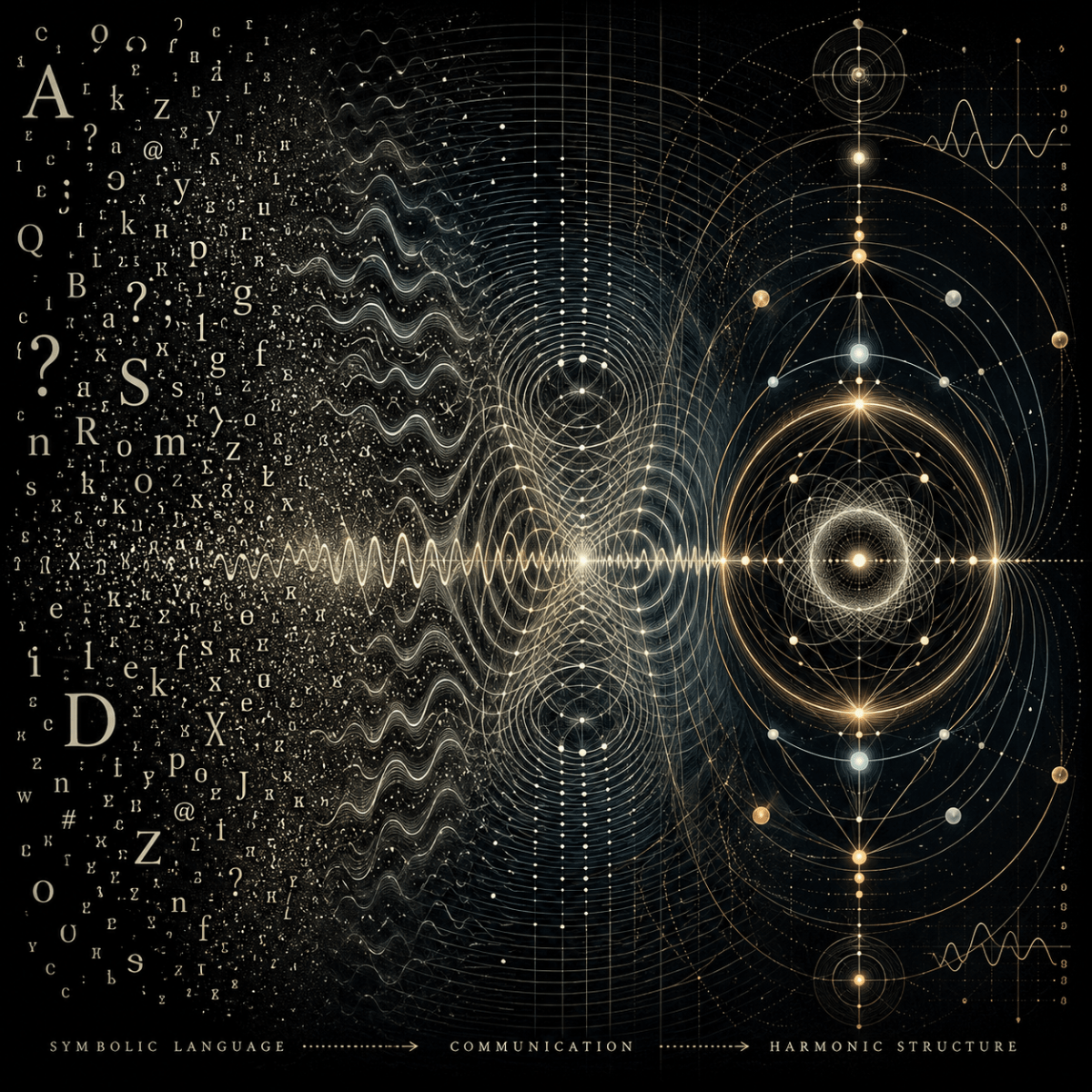
Communication is the continual reorganisation of relational possibility, while control is the selective stabilisation of that organisation across time.
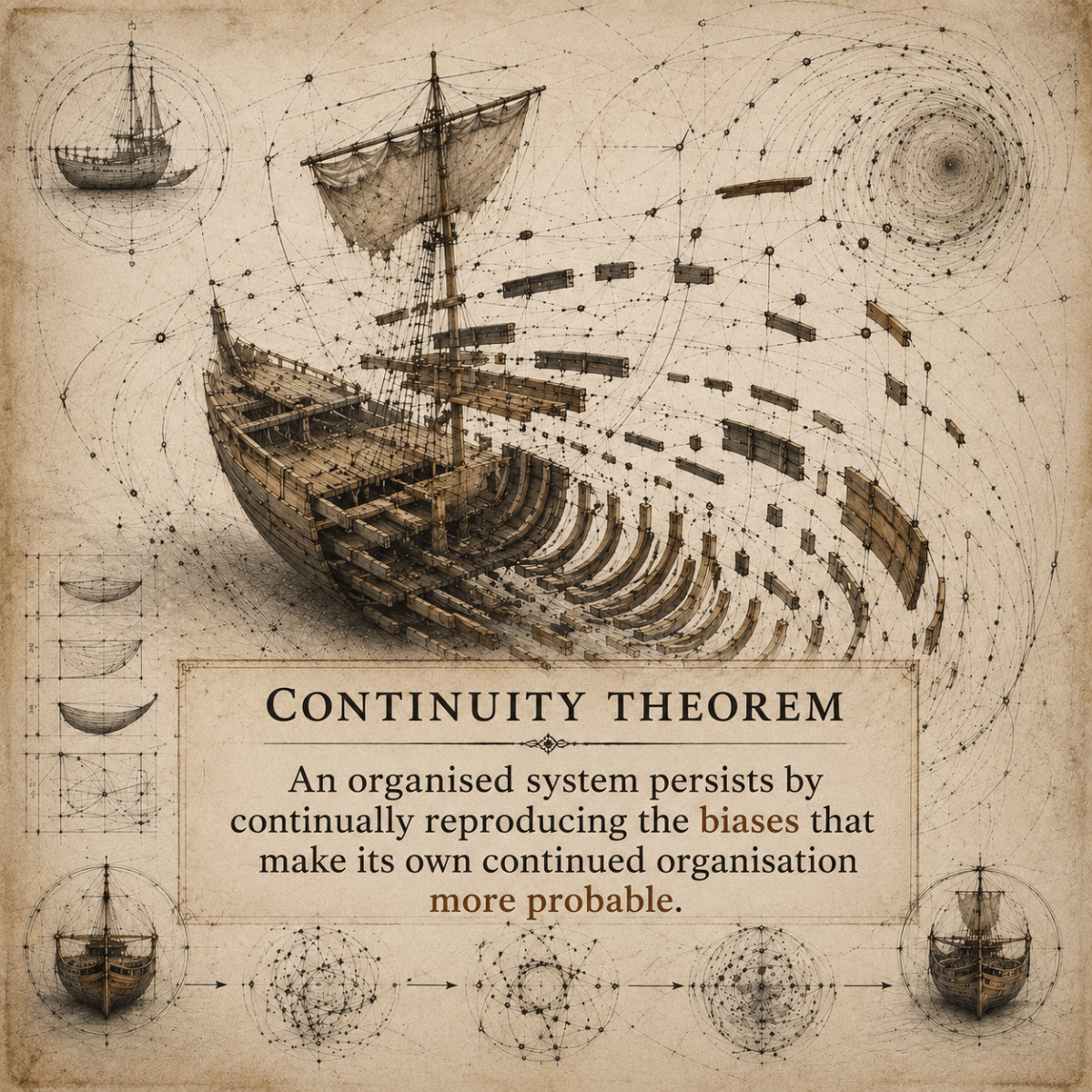
Organised systems persist by reproducing the biases that make their own continuity more probable.
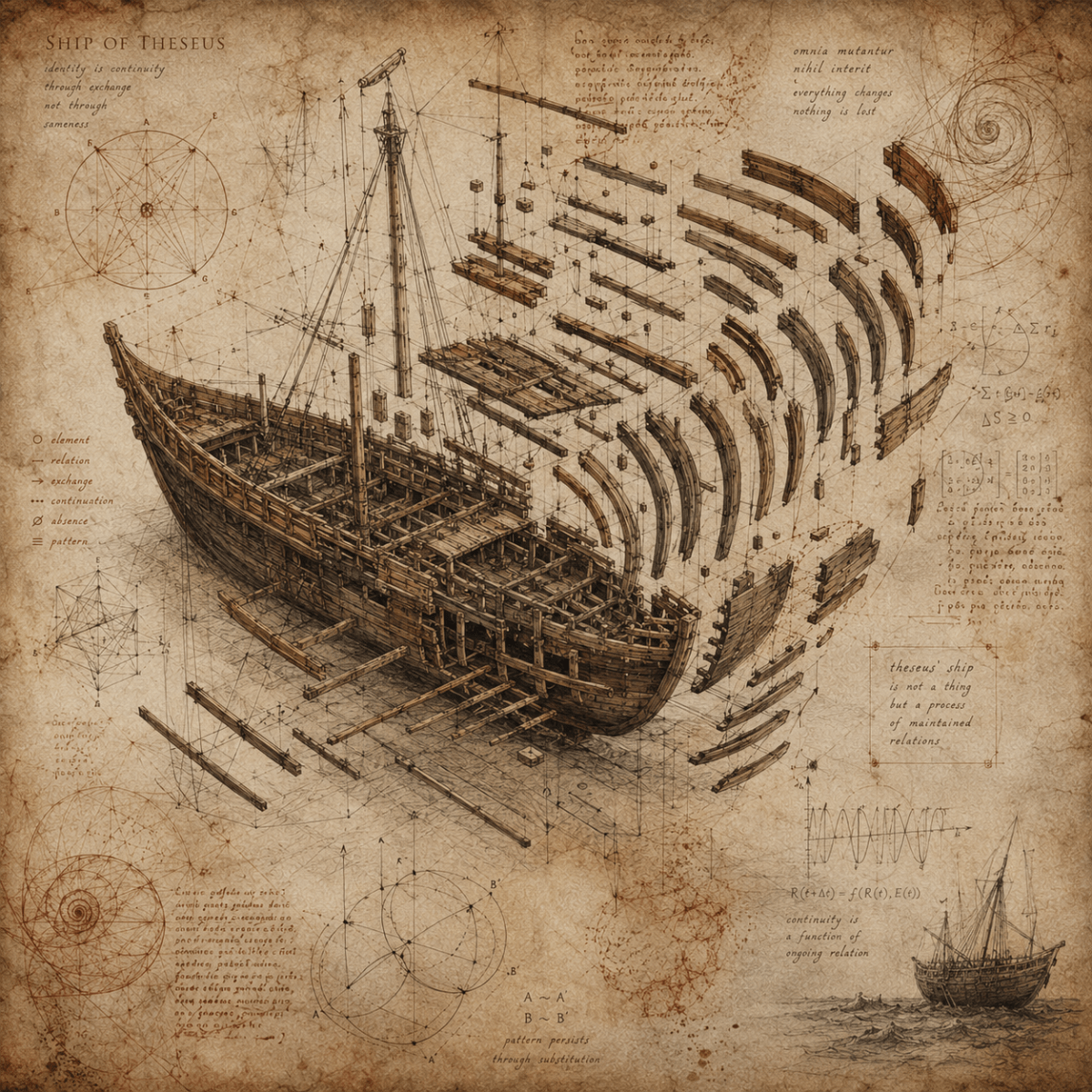
Nothing (and only nothing!) persists by remaining complete. Continuity emerges because every organised system must keep rebuilding the conditions of its own existence.

Continuity is not something to assume, but something to explain. Organised systems persist by continually reproducing the biases that make their own continued organisation more probable.
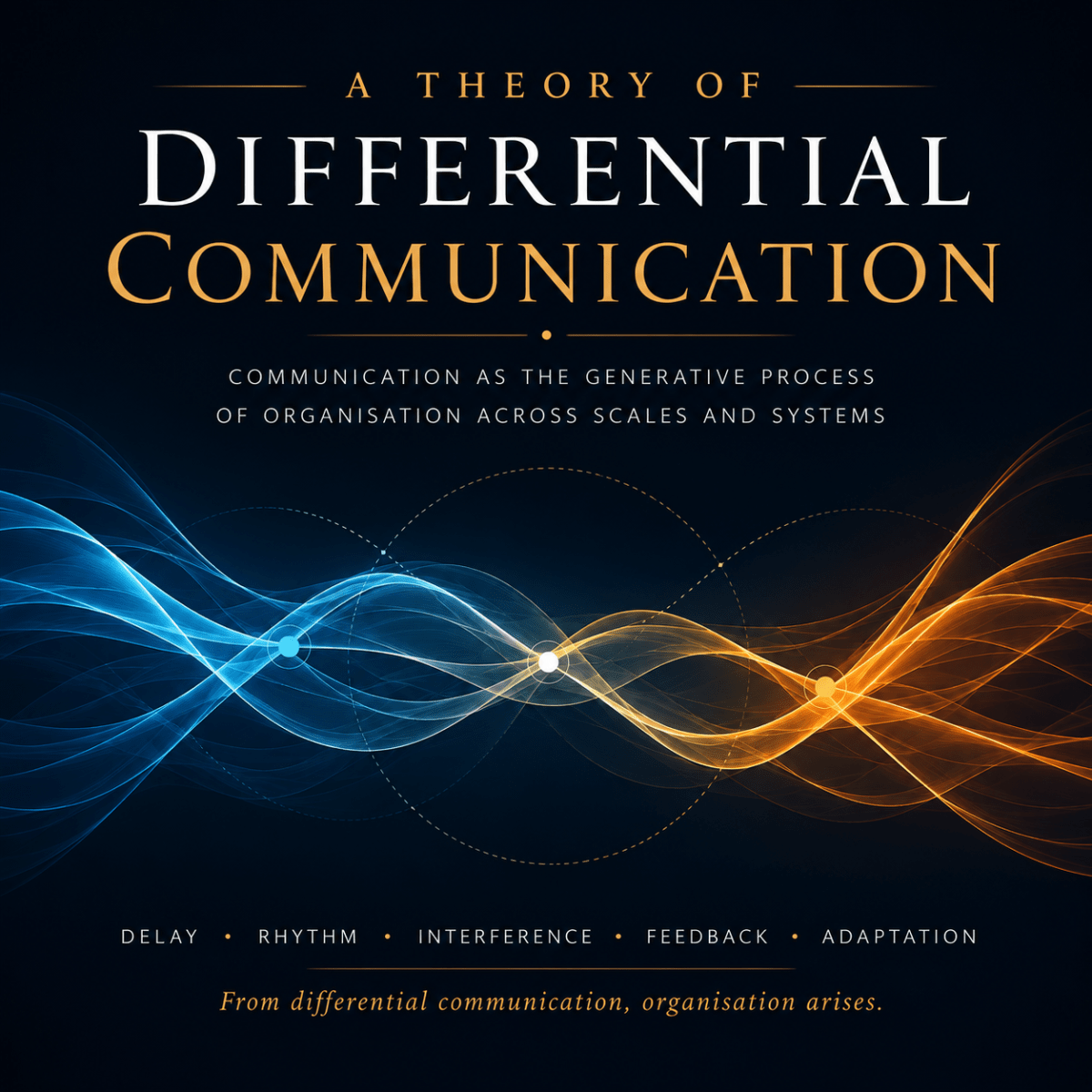
Communication does not move through organised systems; organised systems emerge from the interference patterns of communication.

