03-DD

03-DD
04-DD
06-DD

Institutions rarely fail because they cannot recognise problems. They fail because recognising problems is not the same as escaping the conditions that reproduce them.

Politics is an abstraction that leverages human beings as an extraordinarily effective method of self-propagation.
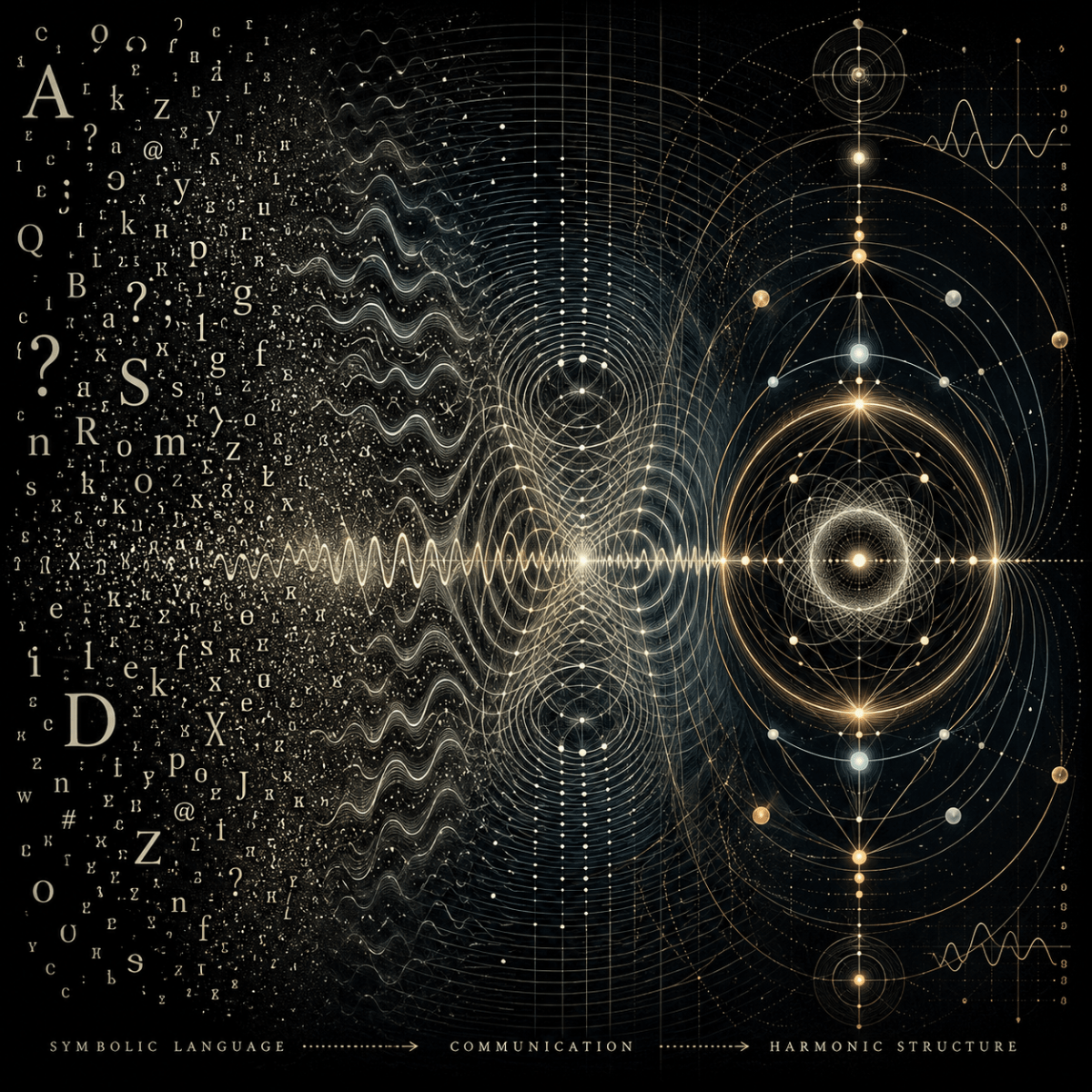
The ugly implication is that communicative success bears no necessary relationship to truth, intelligence, morality or long-term viability.

Populism is not an opinion. It is a phase dynamic.

A system can become so effective at measuring, managing, and reproducing its own internal assumptions that it gradually loses the ability to perceive the external reality those assumptions were originally created to address.

Having watched the world’s most powerful nation fall backwards into the plumbing of populist discontent, Australia now seems oddly determined to follow.

Malakacene: the long historical moment in which technologically mediated societies stopped selecting primarily for competence, wisdom, restraint, and institutional responsibility, and instead became increasingly vulnerable to the rapid propagation of spectacle, grievance, aggression, narcissism, and performative certainty masquerading as leadership.

Technologically mediated democracies are invoking remedial, simplified political coherence faster than they are generating the intelligence and/or aptitude required to govern the accelerating complexity of contemporary socioeconomic experience.

They paint themselves into a hyper-simplistic corner because simplified narratives feel stabilising during periods of systemic uncertainty. But once political language collapses into slogans, binaries, and permanent outrage, the capacity to think strategically about complex realities begins to erode. The rhetoric that initially appears empowering gradually becomes constraining. Every new problem must be forced through […]
Have a WordPress.com account? Log in now.

