Communication does not move through organised systems; organised systems emerge from the interference patterns of communication.
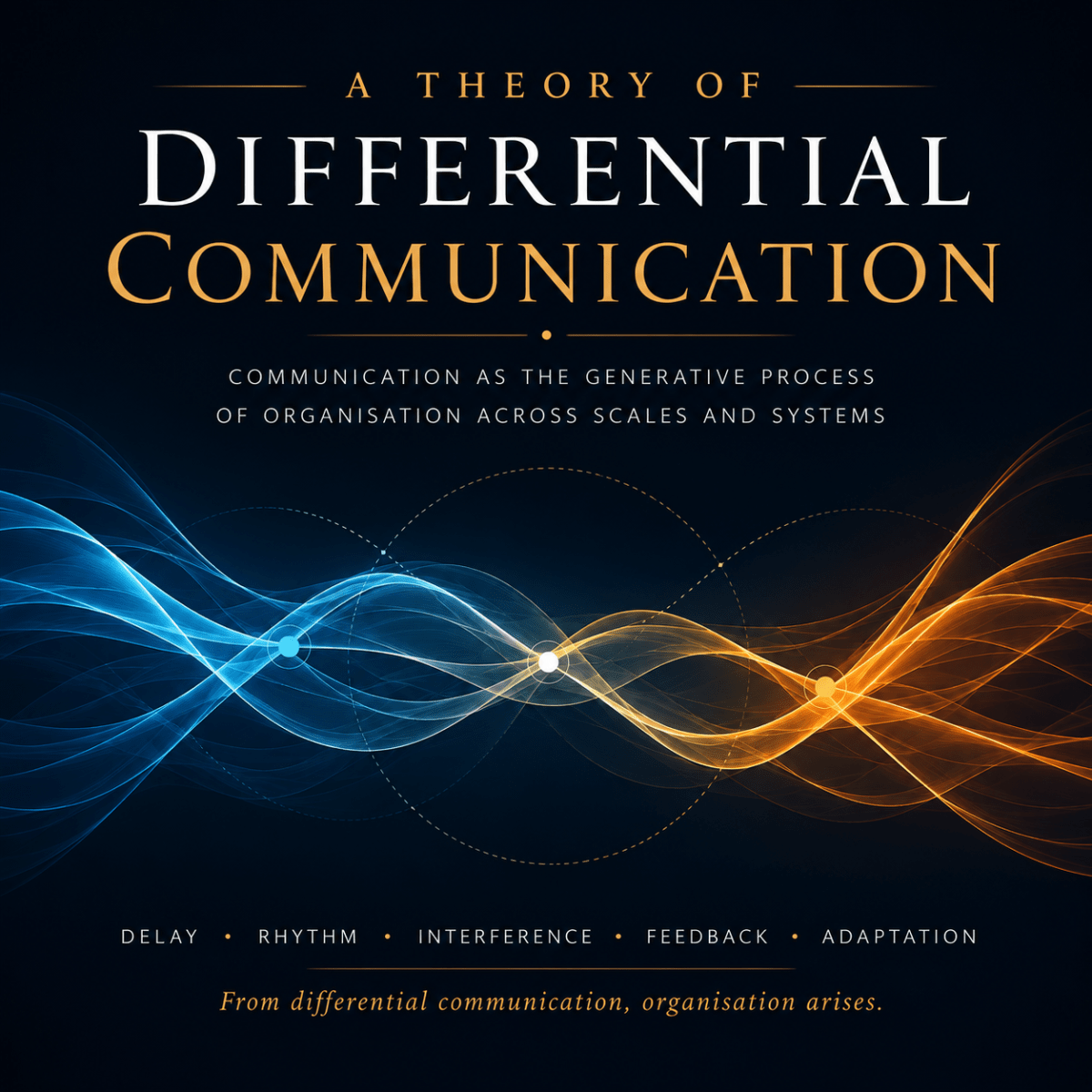
Communication does not move through organised systems; organised systems emerge from the interference patterns of communication.
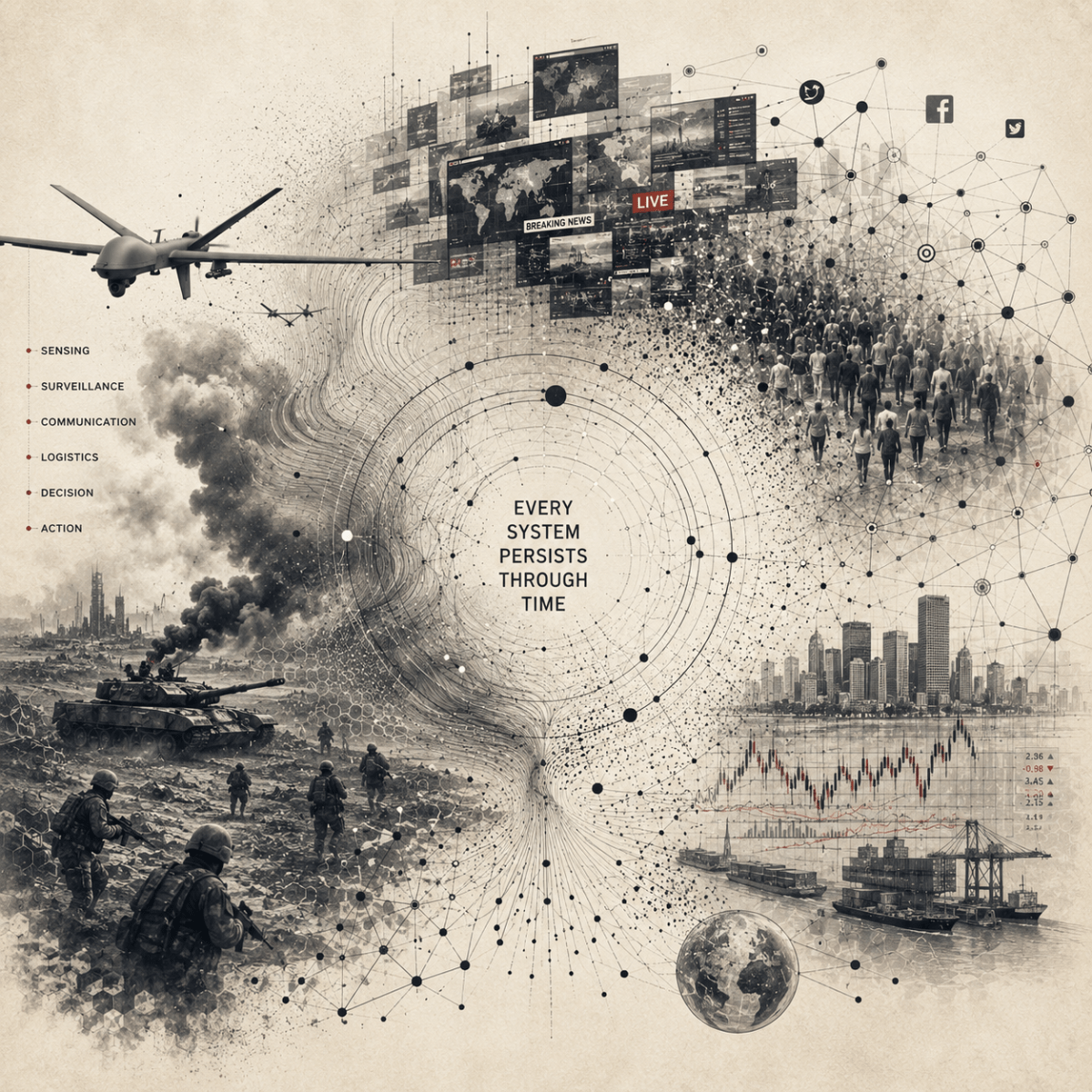
What unifies all processes is, quite simply, that they are processes: dynamical, temporal, contingent, and transient.

The system’s entropy offset becomes the labour imposed on those required to submit to its assumptions in order to reproduce its organisational structure through time.

Corruption begins when reward outpaces responsibility, reflecting the tendency of complex communication systems to abbreviate consequence and concentrate advantage.

Time is not something through which relations pass. Time is the finite propagation of relation itself.

The question is whether what we currently reward actually assists the capacity of civilisation to persist, adapt, repair itself, and create meaningful futures.

Every age reaches for old stories to explain new realities. The irony is that most stories survive not because (or even if) they are true, but because they are easy to transmit, to remember, to tell.

Wealth is usually treated as evidence that society is working. But extreme accumulation may also reveal something stranger: a system increasingly organised around preserving wealth, whether or not that preservation still serves the world around it.

Unpopular ideas are not always wrong. Sometimes they simply fail to flatter the machine.
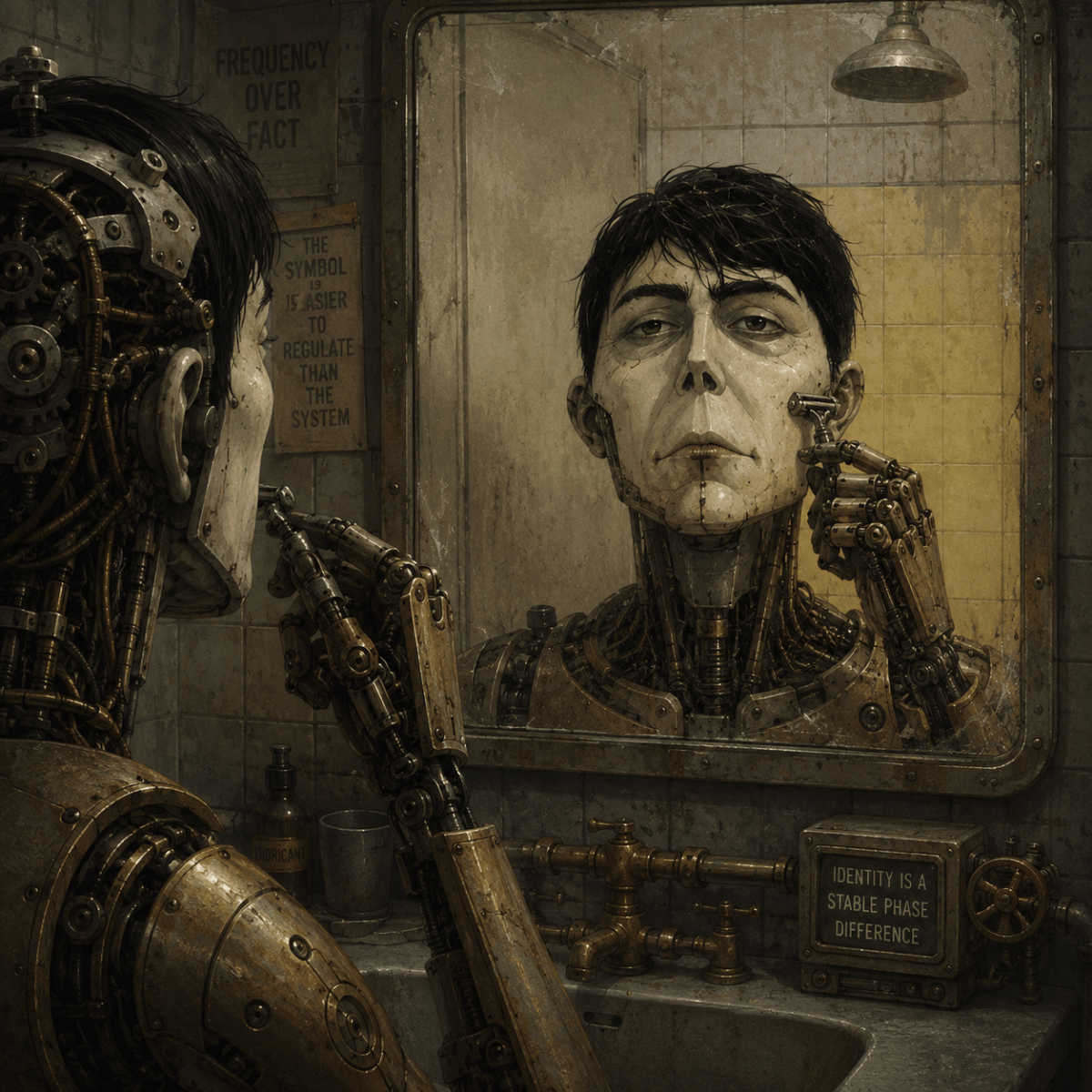
Disaffection is not giving up. It is what happens when you can no longer see yourself in the world that helped create you.

Non-linearity is rarely an explanation in itself. More often, it is a sign that causal structure is richer than our current description captures.

We require forms of language capable of representing continuity without losing the ability to act locally within it, models capable of preserving the relationship between part and whole without reducing one to the other.

