Categories
Philosophy

The Logic Beneath Logic

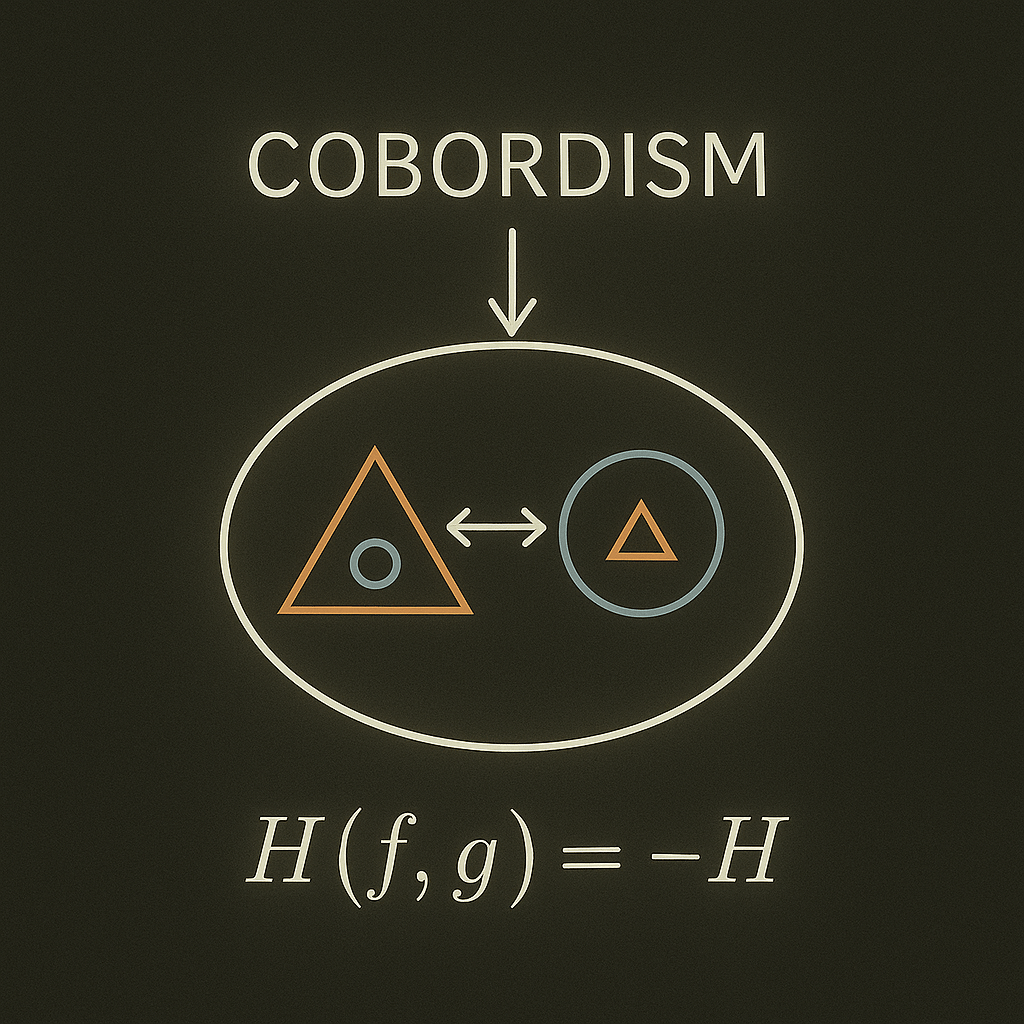
The diagram does not describe things in the world. It describes the condition under which things can appear as things at all. Inside the enclosing oval are two distinct systems. They are deliberately drawn as different. Each contains a trace of the other inside itself, but never the other as such. Between them is a […]

Categories
cybernetics

The Geometry of the Unconscious

The unconscious is not a hidden chamber beneath awareness, nor a secondary mind running in parallel. It is the emergent interior of dynamical, adaptive, relational complexity itself. It is what complex systems feel like from the inside. Any system capable of learning, anticipation, coordination, and self-regulation must generate internal structure that cannot be fully present […]

Categories
cybernetics

On the Structural Limits of Political Language

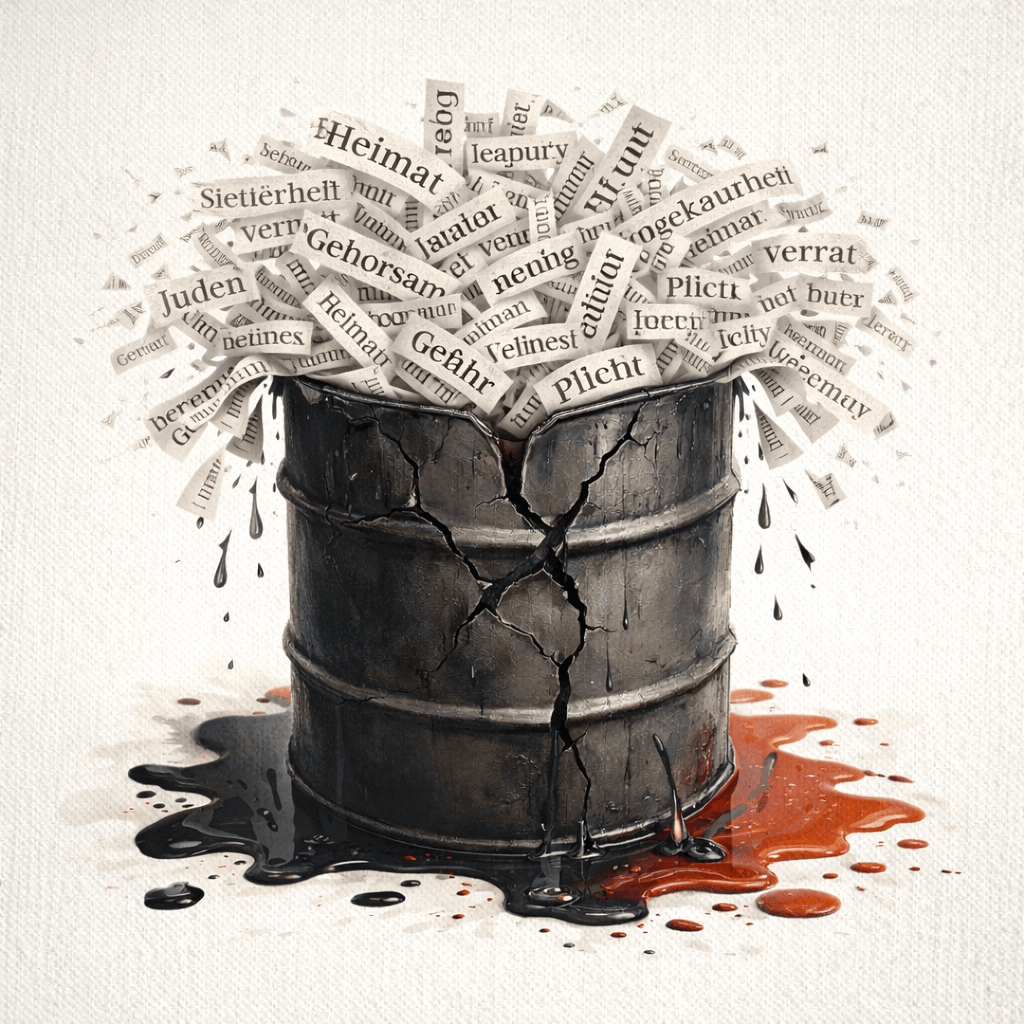
Victor Klemperer’s The Language of the Third Reich was written under conditions that were materially, professionally, and existentially constraining. As a Jewish academic in Nazi Germany, he was excluded from public life, subject to surveillance, and deprived of institutional protection. The book did not emerge as a theoretical project but as a record: observations accumulated […]

Categories
Philosophy

Human Systems

Human behaviour gathers around centres that never quite appear. We move toward meanings that seem solid, yet their solidity comes from the very motion that tries to reach them. The closer we look, the more the “centre” dissolves into the relations that formed it, leaving us oriented by something that exists only as a pattern […]

Categories
Philosophy

[02] Disinformation Dynamics: Recursive Harmonics

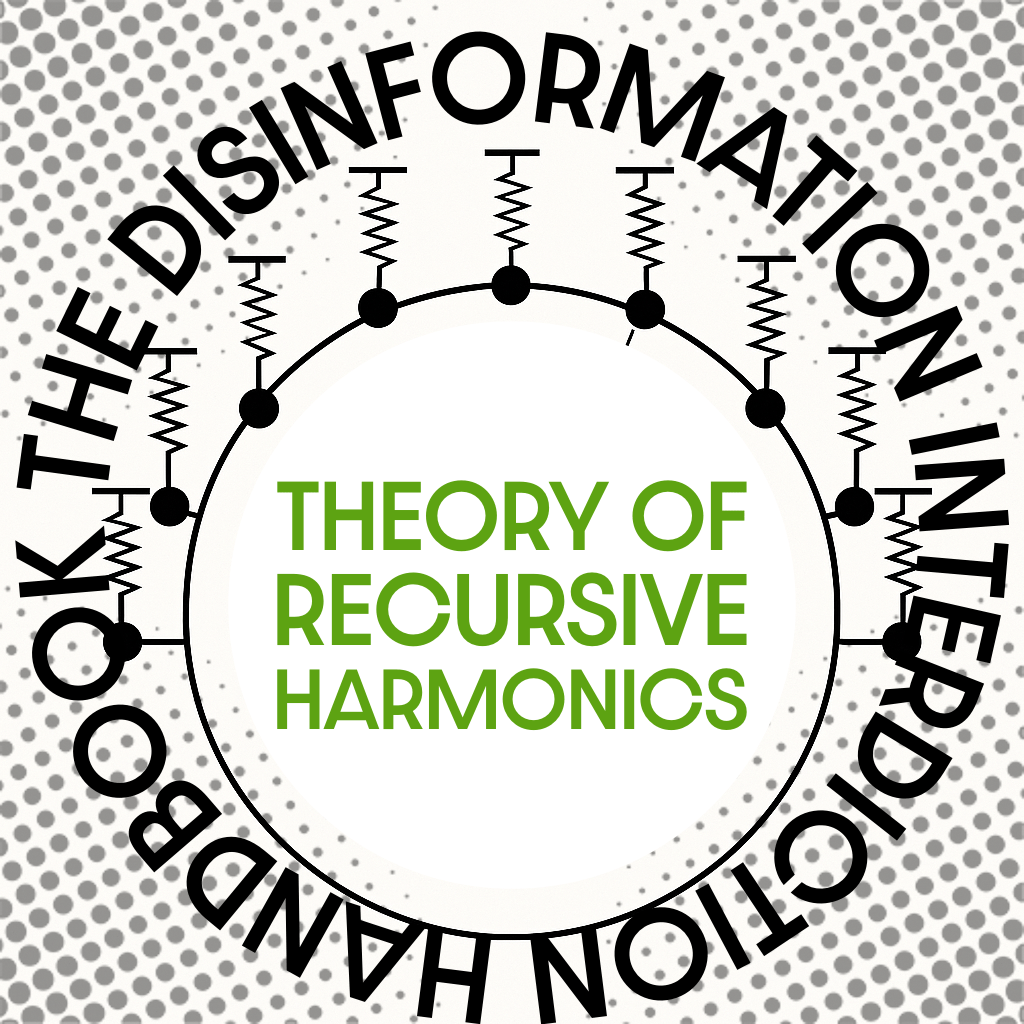
2.1 Coherence as a Function of Recursion Every communication system is recursive. It consists of elements that transmit signals influencing their own subsequent states. This self-reference produces coherence. A message gains meaning not because it exists but because it is repeated, referenced, and reinterpreted. Without recursion, meaning is static. With recursion, meaning becomes dynamic and […]

Categories
Philosophy

[06] Disinformation Dynamics: Simulation,  Forecasting, Adaptation

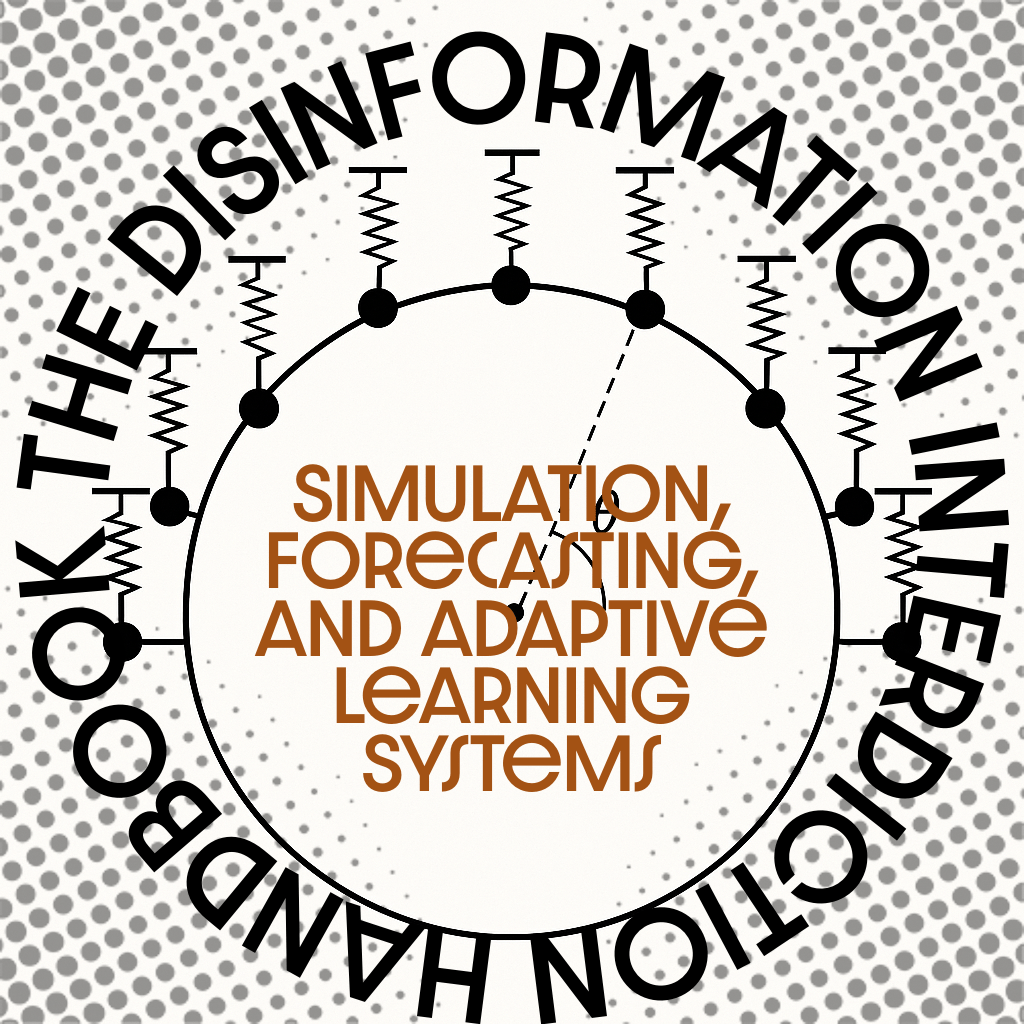
6.1 The Need for Predictive Reflexivity Static policy and reactive moderation fail because communication systems evolve faster than any predefined rule.Disinformation interdiction therefore requires predictive reflexivity—a capacity to anticipate systemic states by modelling their feedback structures. Forecasting in this framework is not prediction of content but simulation of phase evolution: how coherence, entropy, and recursivity […]