What makes a system possible, what sustains it, and how might understanding those relationships help us repair a damaged world?
What makes a system possible, what sustains it, and how might understanding those relationships help us repair a damaged world?

Electoral victories may avert immediate catastrophe, but democracy requires genuine institutional renewal, adaptive intelligence and human judgement beyond performative reform.
The paradox is how to preserve a planetary civilisation’s capacity for emergent self-regulation without irreversibly surrendering it to the political, economic and technological artefacts, entities and systems established to manage and control it.
The scale of the consequences has changed while the competitive selection tests for authority remain embarrassingly small.
Political systems are historical constructions, not immutable necessities. Their persistence does not establish their continuing adequacy.
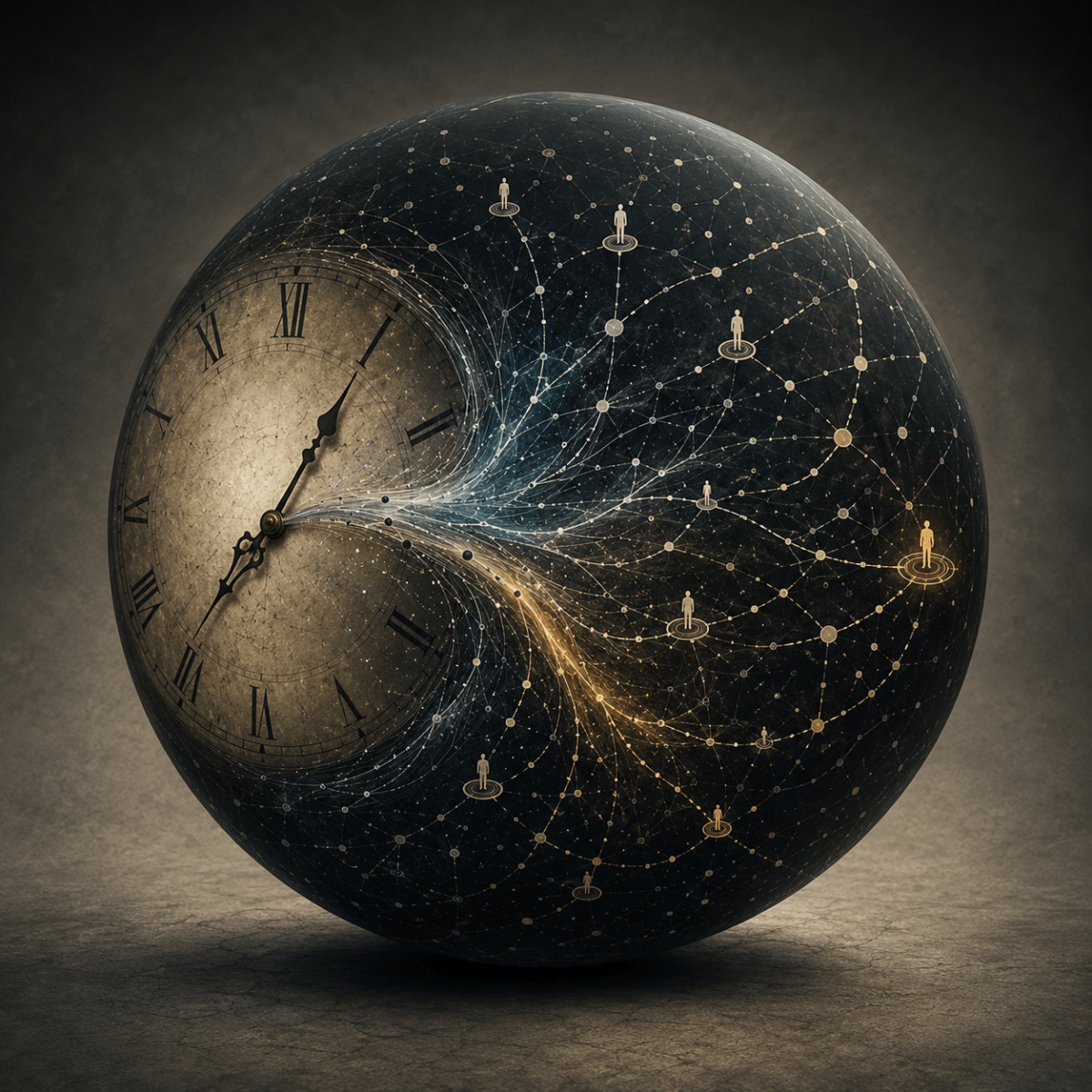
Ideology is what happens when a way of seeing the world becomes part of the world itself, shaping not only what we believe, but what becomes easier to believe next.
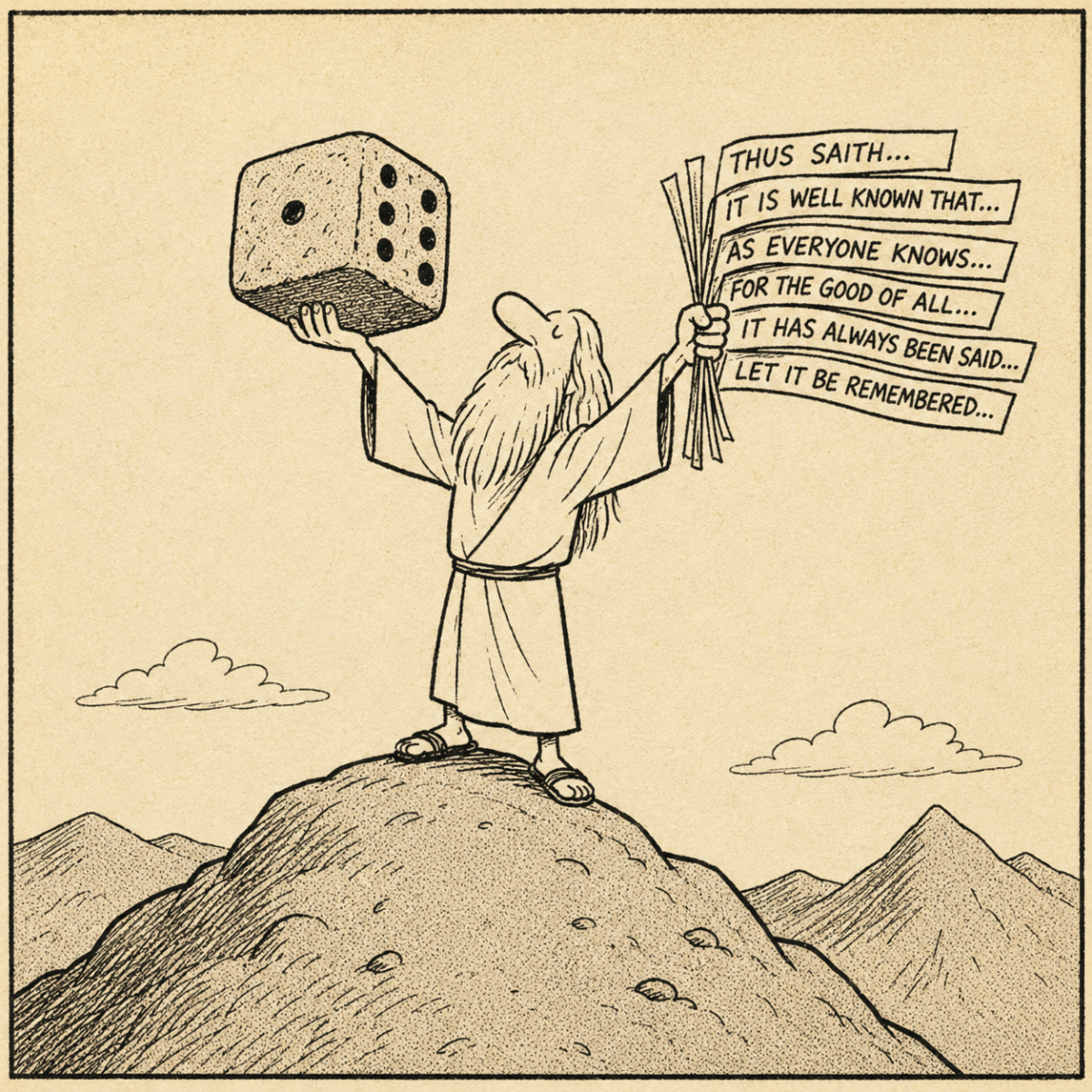
The probable is a proper subset of the possible. Old habits die hard because viable communication preferentially reproduces patterns that make themselves more likely to recur.
02-DD
05-DD
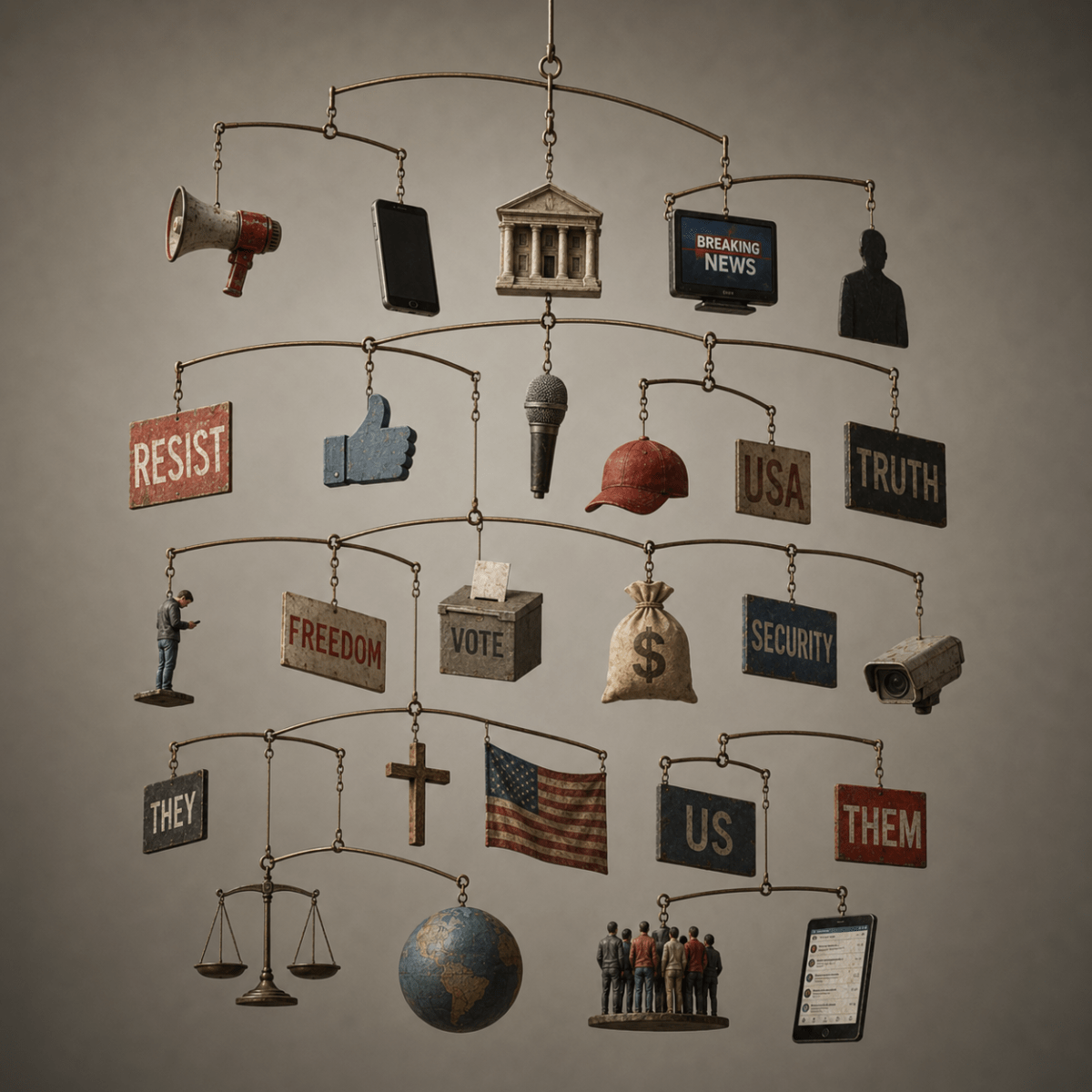
Politics is an abstraction that leverages human beings as an extraordinarily effective method of self-propagation.

Can the relationships supporting ordinary life continue to reproduce themselves under increasingly rapid change?
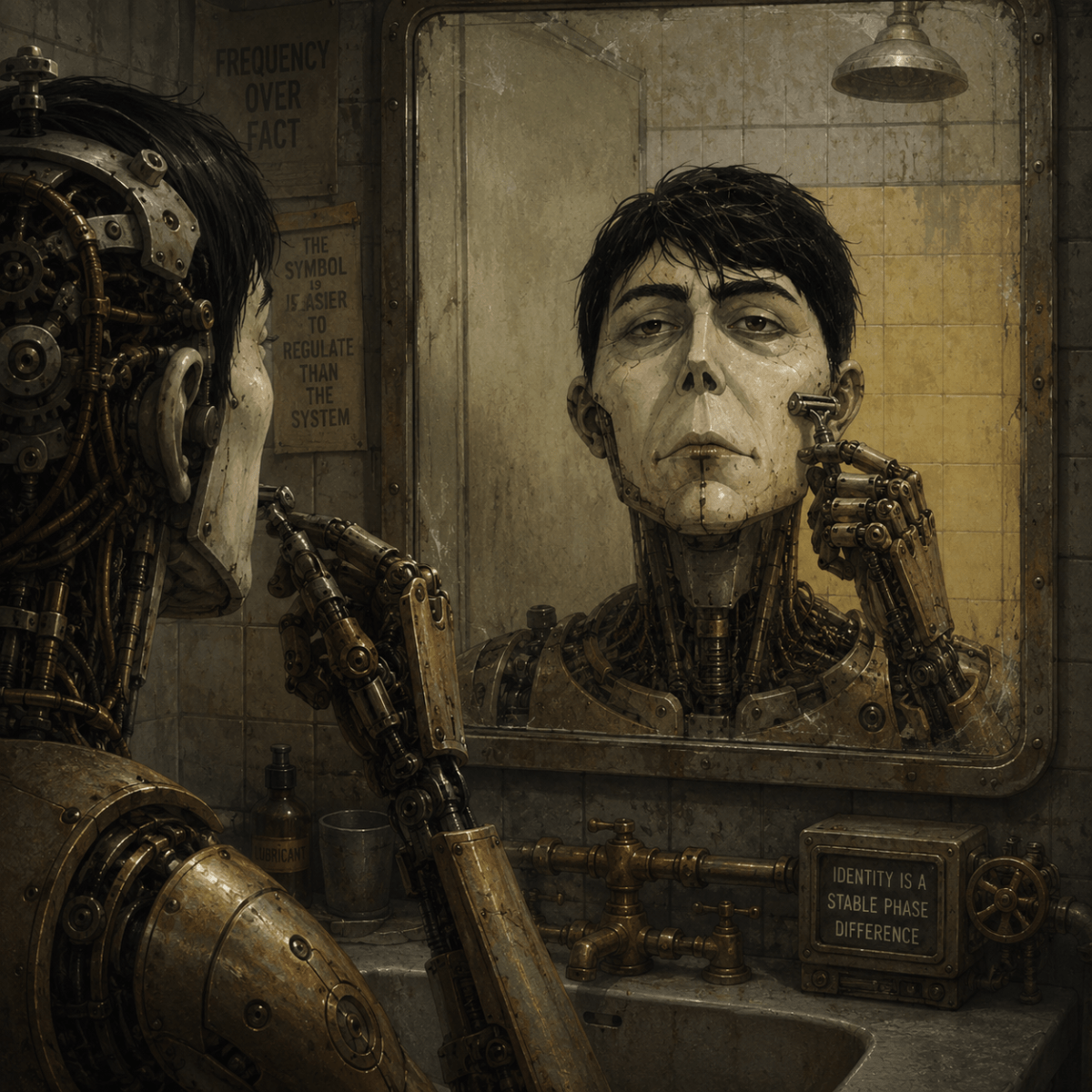
There is no final closure. No permanent certainty. No government that fixes everything forever. There are only systems that adapt well and systems that adapt badly.
Have a WordPress.com account? Log in now.

