We mistake the brain for the seat of intelligence and the individual for its owner. Both depend upon a much larger system.
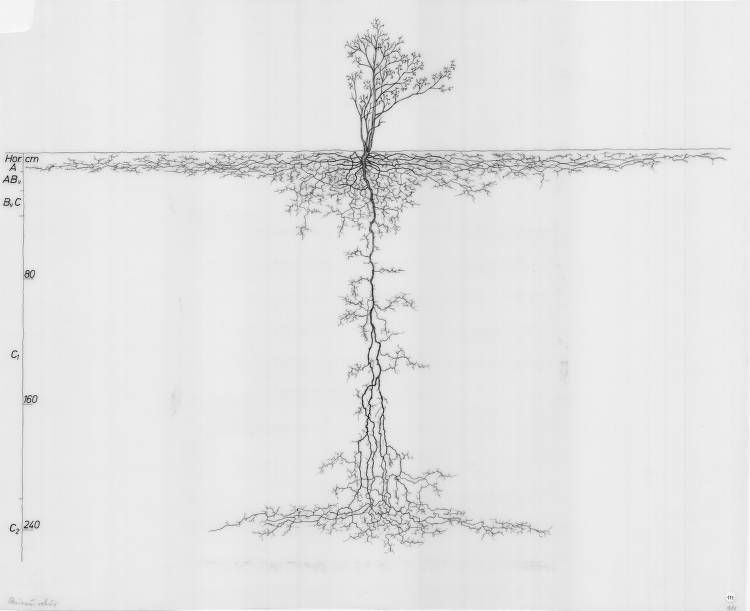
We mistake the brain for the seat of intelligence and the individual for its owner. Both depend upon a much larger system.

Language does more than convey meaning. Its recursive rhythms reproduce belief, conflict and the conditions through which societies persist.
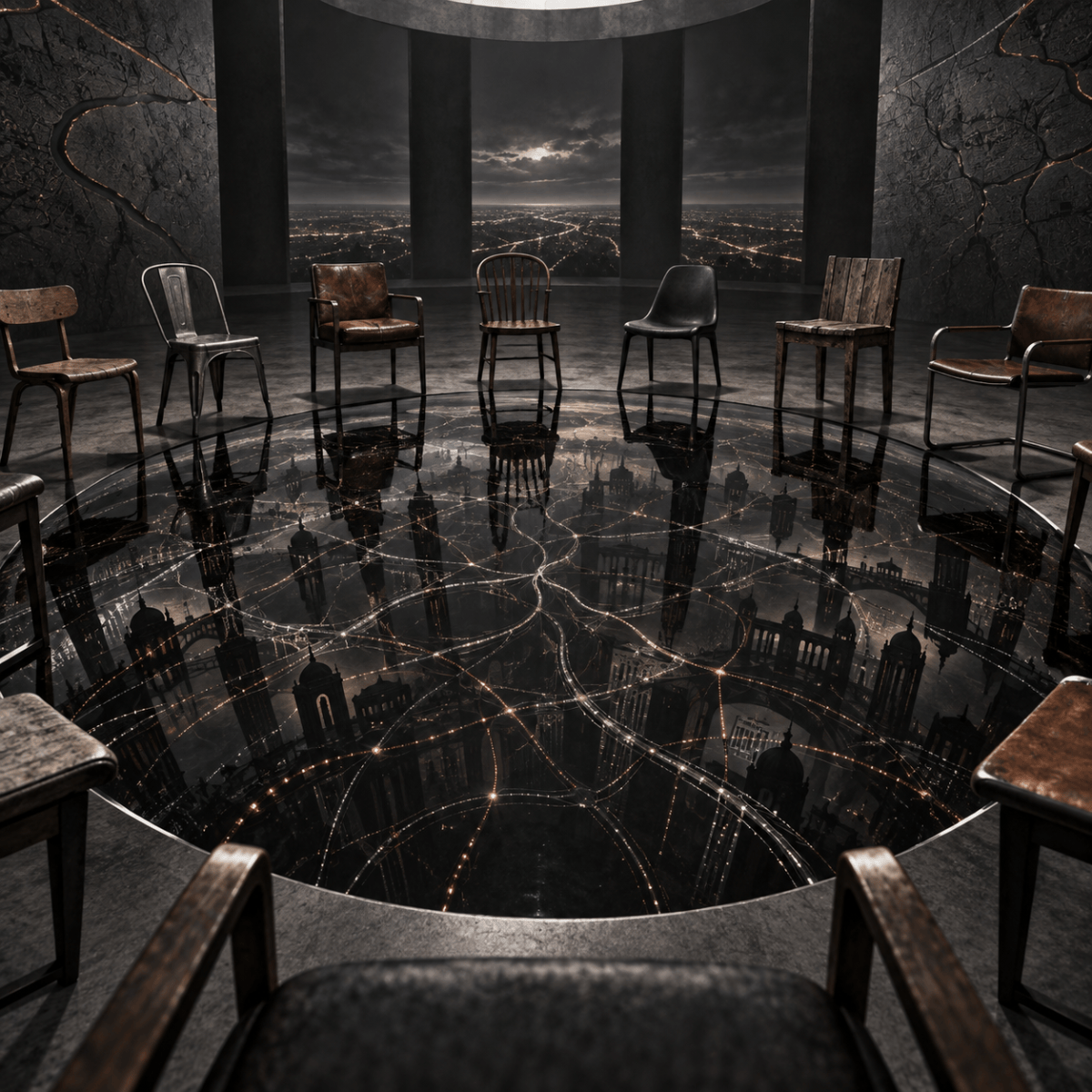
We are not outside the world we are trying to understand. We are (all) implicated in its disorders, participants in its reproduction, and responsible for what happens next.
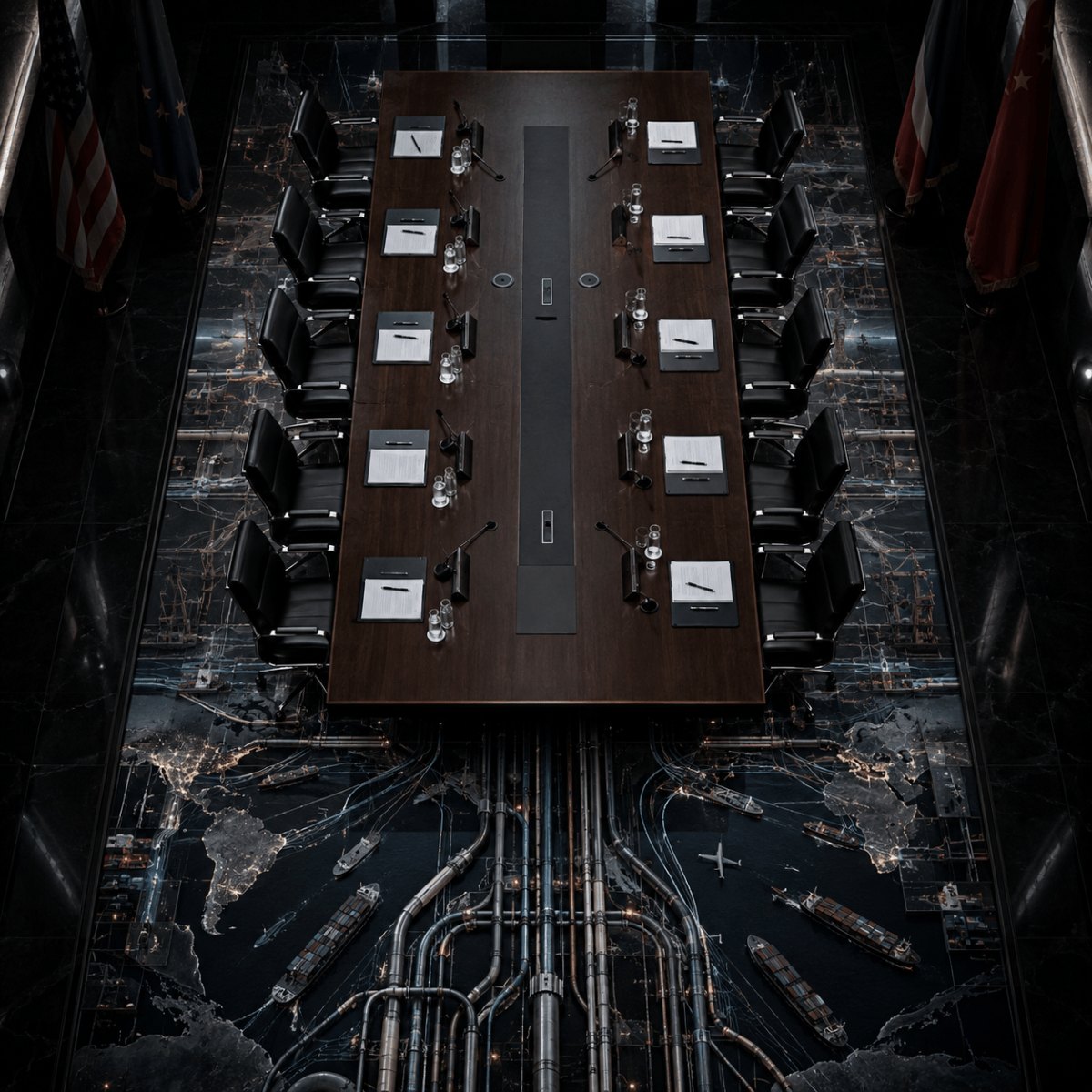
Peace is not merely difficult. We have built institutions, identities, economies and languages whose coherence depends upon the persistence of conflict.
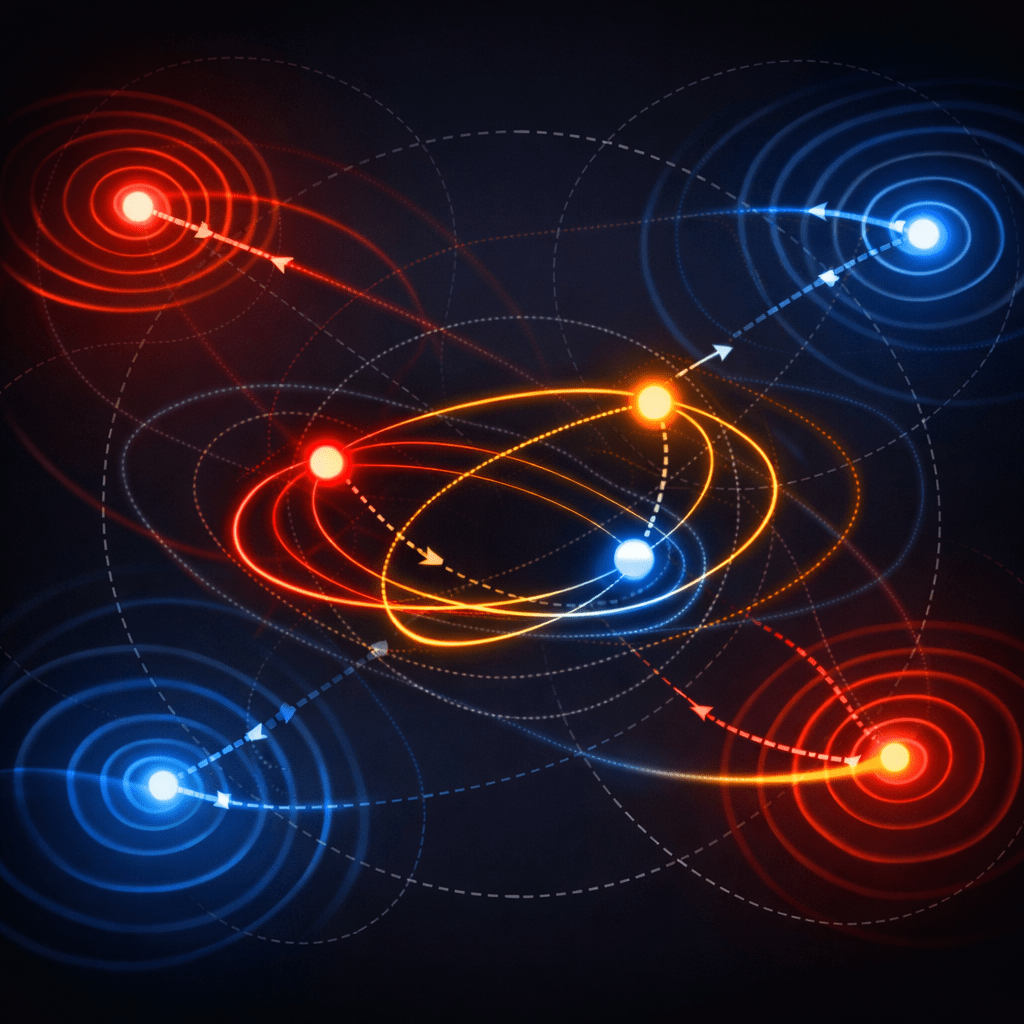
Reality persists because nothing (and only nothing!) ever fully coincides with itself.
Institutions rarely fail because they cannot recognise problems. They fail because recognising problems is not the same as escaping the conditions that reproduce them.

Absence is not a flaw in the structure. Absence is the engine.

What persists is neither order nor entropy, but the organised difference through which each continually transforms the conditions of the other.

Enlightenment begins where the search for certainty ends.
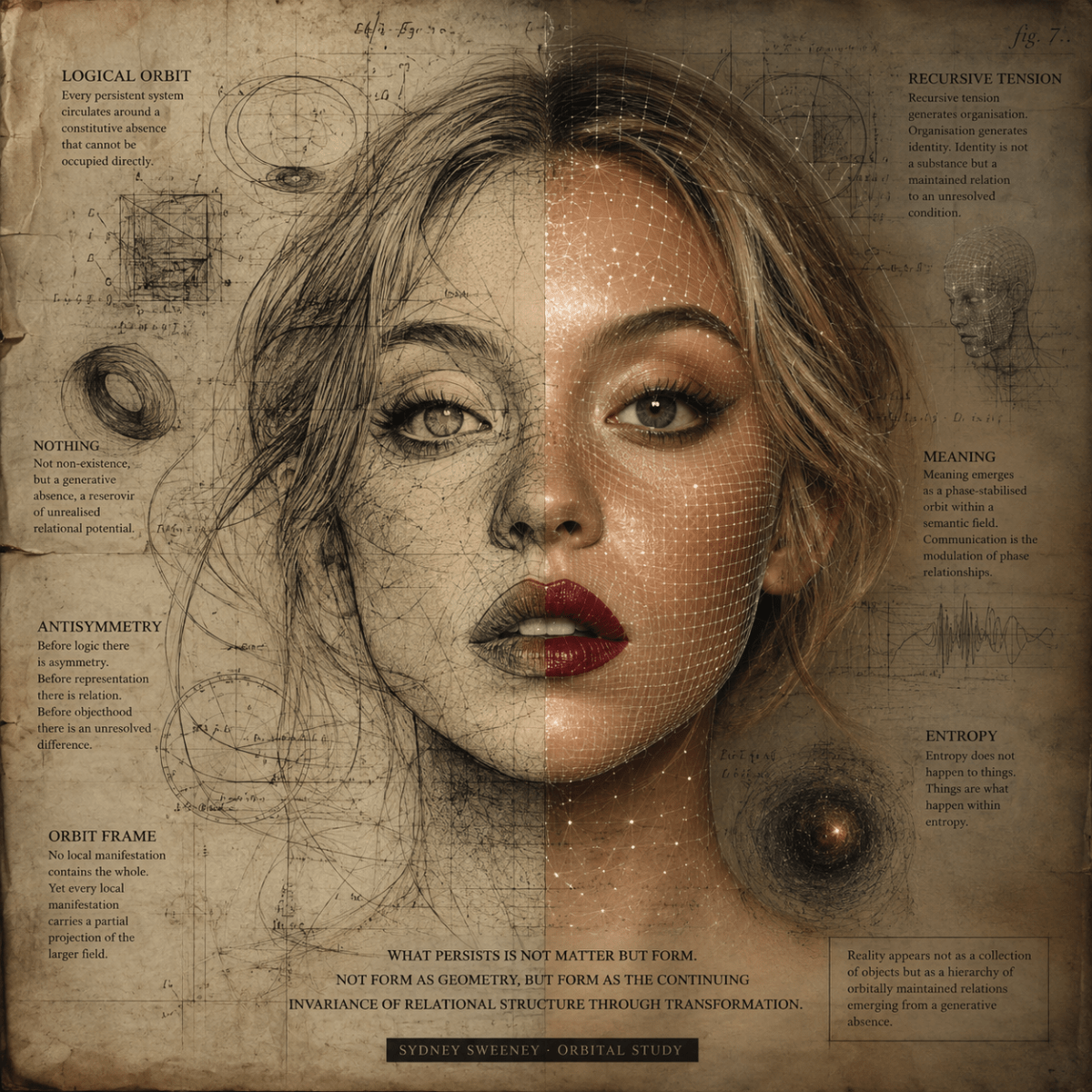
Reality is not made of things. Things are what appear when deeper patterns of relation become temporarily stable.
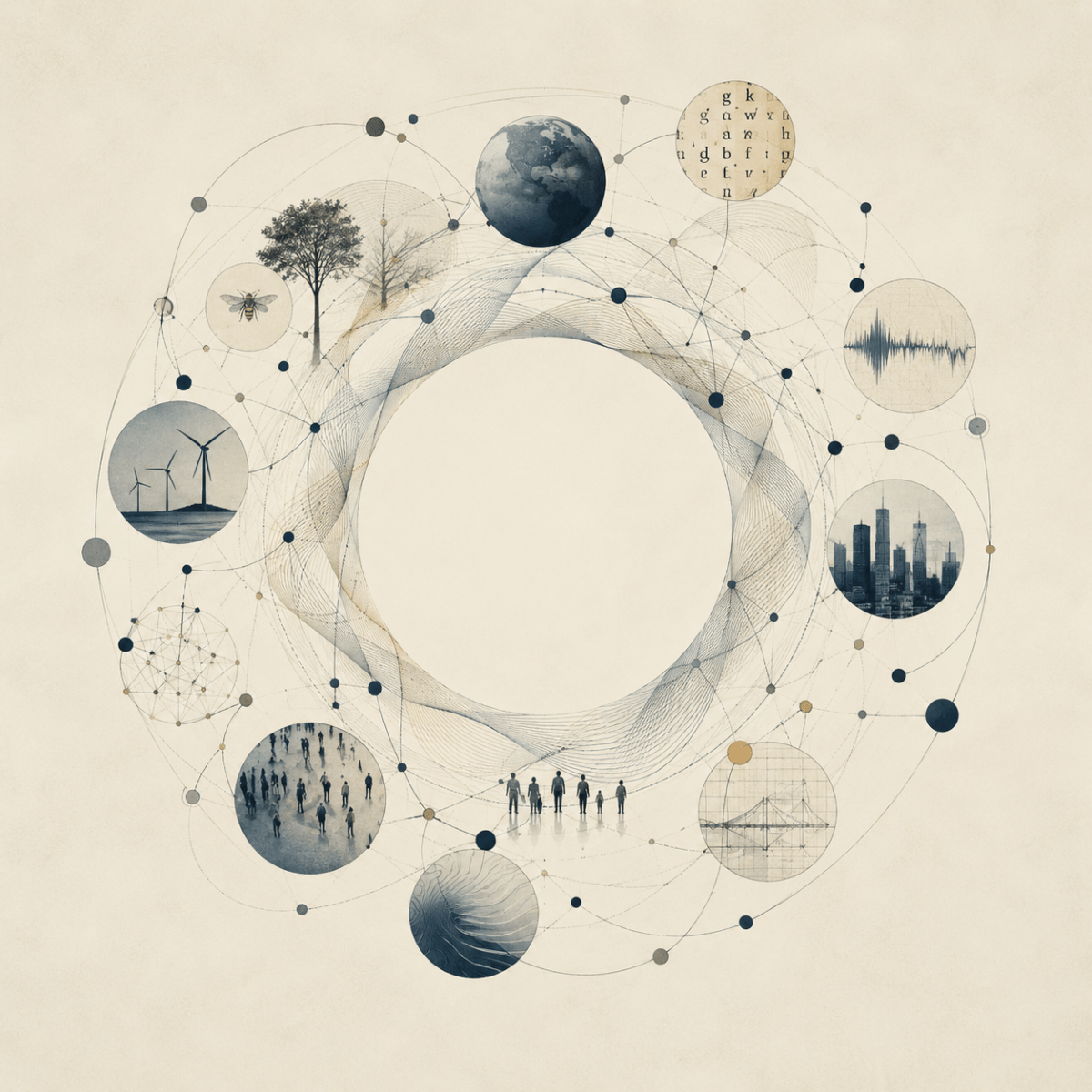
A strong current in modern thought still treats things as if they exist first, complete in themselves, and only later enter into relation with other things. The individual. The institution. The nation-state. The market. The technological platform. These are often imagined as discrete objects possessing internal coherence, as though persistence were generated primarily from within […]

Managed peace is the hard, ongoing work of keeping real conflict from tipping a tightly coupled world into outcomes it cannot survive.
Have a WordPress.com account? Log in now.

