A system that discourages difference eventually undermines its own capacity to learn, adapt and survive.

A system that discourages difference eventually undermines its own capacity to learn, adapt and survive.

What happens when the people least equipped to recognise intelligence become responsible for selecting, rewarding and managing it?

I went to a School of Cybernetics hoping to develop ideas about how systems organise and reproduce themselves. My experience instead prompted an unexpected examination of institutional authority, intellectual exclusion and the patterns through which institutions reproduce themselves.

We are passing a turning point at which the value of human cleverness becomes actively obscured and wilfully excluded by technocratic over-reach.

The result is a civilisation increasingly confronted by novel problems, yet repeatedly encouraged to admire the elegance with which it preserves the assumptions that produced them.
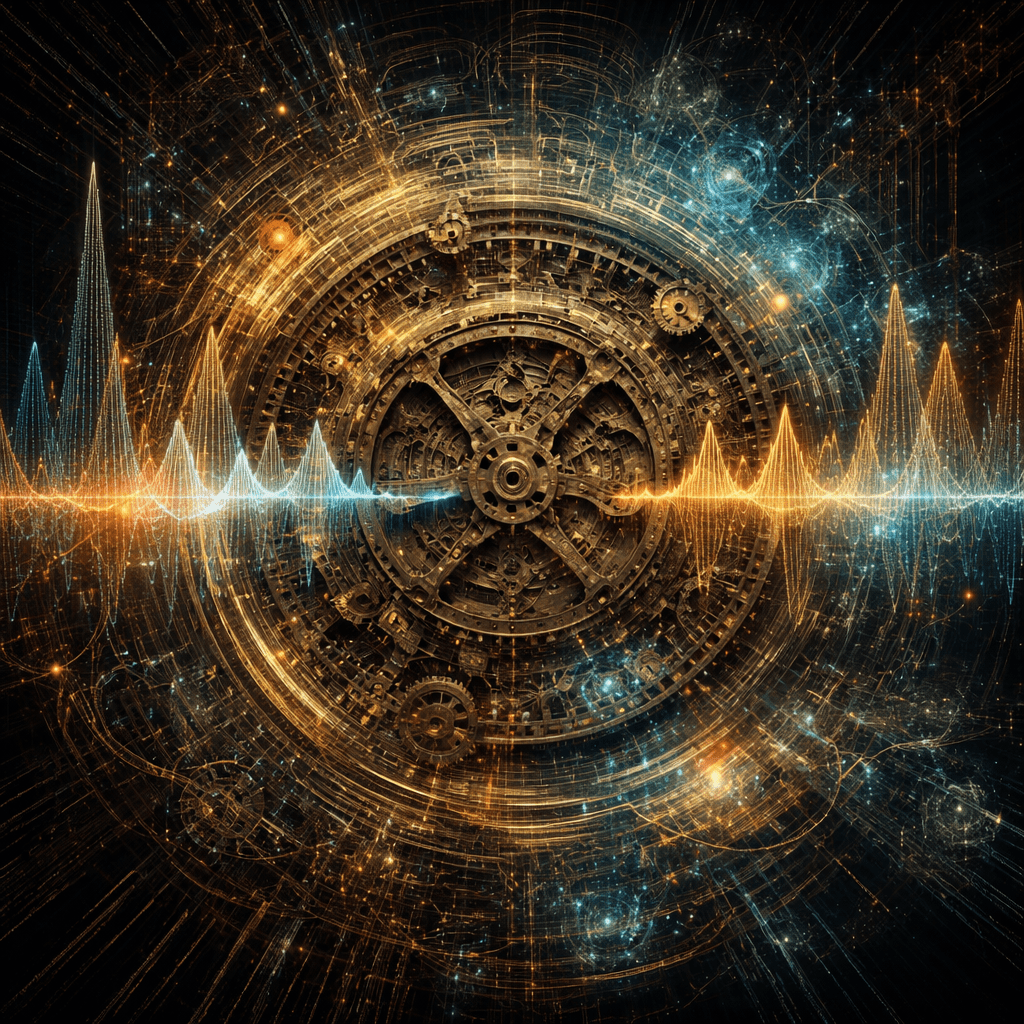
A system can become so effective at measuring, managing, and reproducing its own internal assumptions that it gradually loses the ability to perceive the external reality those assumptions were originally created to address.
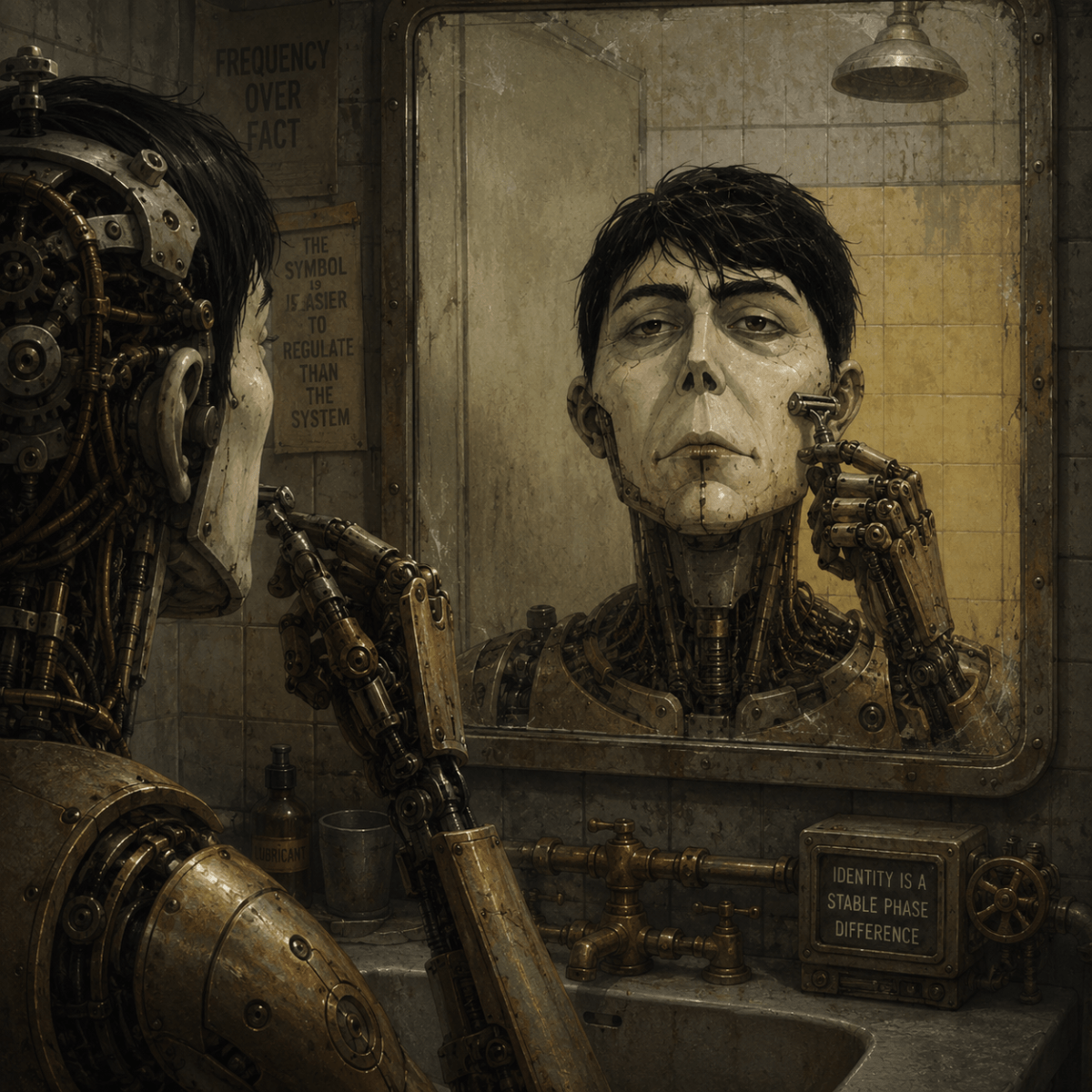
Universities still teach Socrates, but only rarely entertain the genuine institutional risk that his intellectual integrity signifies.
Have a WordPress.com account? Log in now.

