A system that discourages difference eventually undermines its own capacity to learn, adapt and survive.

A system that discourages difference eventually undermines its own capacity to learn, adapt and survive.

Doctoral research promises original thought, but the institutional machinery that recognises and rewards knowledge systematically reproduces precisely that ignorance it exists to supersede.
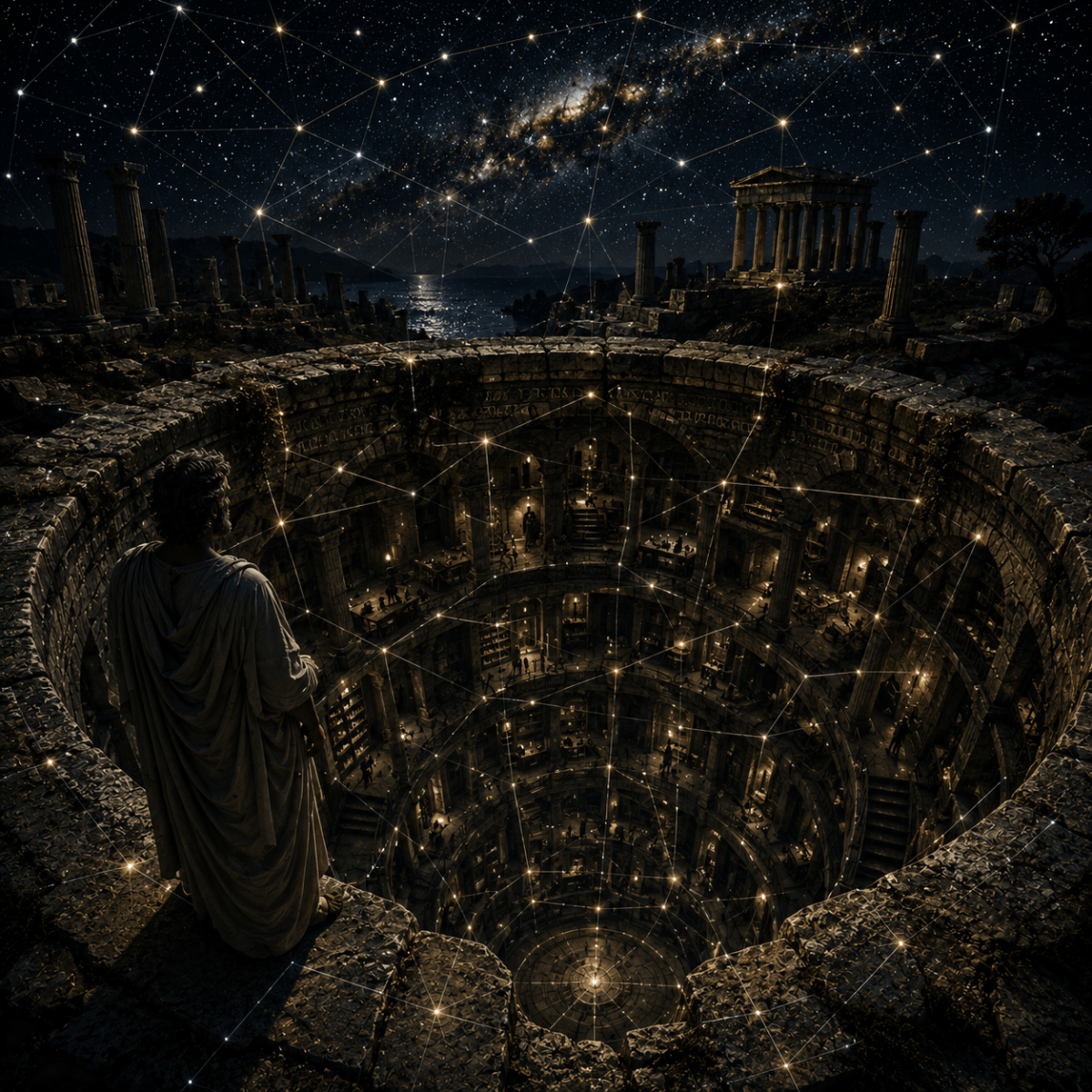
Institutions study the world remarkably well. The harder problem is that the world they are studying is also inside the building, and there is no position outside the system from which that entanglement simply disappears.

This is how a system built to produce knowledge becomes a system for reproducing the conditions under which its existing knowledge remains authoritative.

A system can become so effective at measuring, managing, and reproducing its own internal assumptions that it gradually loses the ability to perceive the external reality those assumptions were originally created to address.
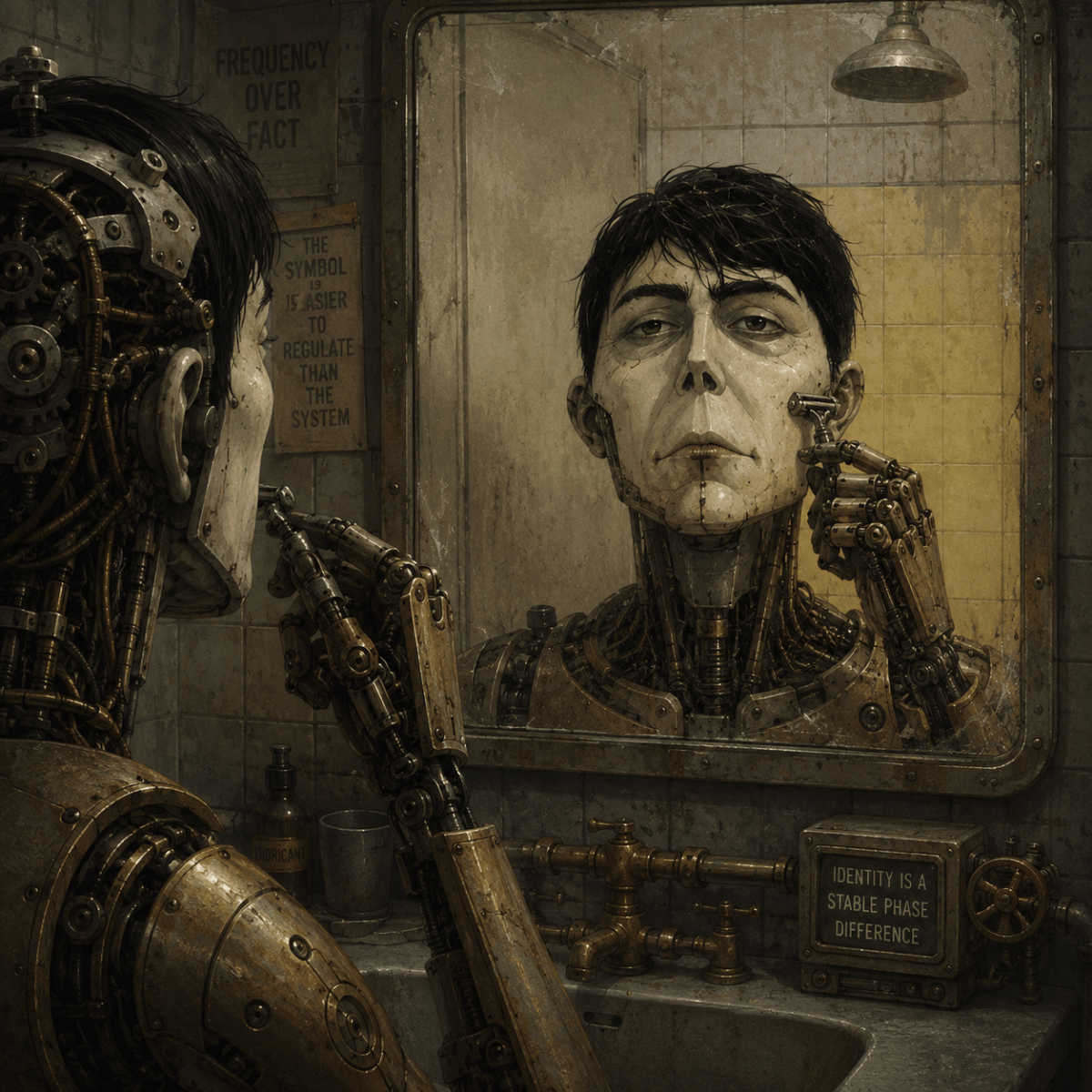
Universities still teach Socrates, but only rarely entertain the genuine institutional risk that his intellectual integrity signifies.

Climate breakdown, war, energy insecurity, public health strain, technocratic overreach, automated exclusion, administrative drift, and the industrial circulation of disinformation are usually treated as separate crises, each assigned its own expert language, governance model, technical platform, and emergency response. But the deeper pattern is structural. Large systems do not merely solve problems. They determine which […]
Have a WordPress.com account? Log in now.

