Philosophy is not simply the history of what others have thought. It is the continuing activity of understanding a world that refuses to stand still. When familiar explanations cease to serve us, thinking differently may become a matter of survival.
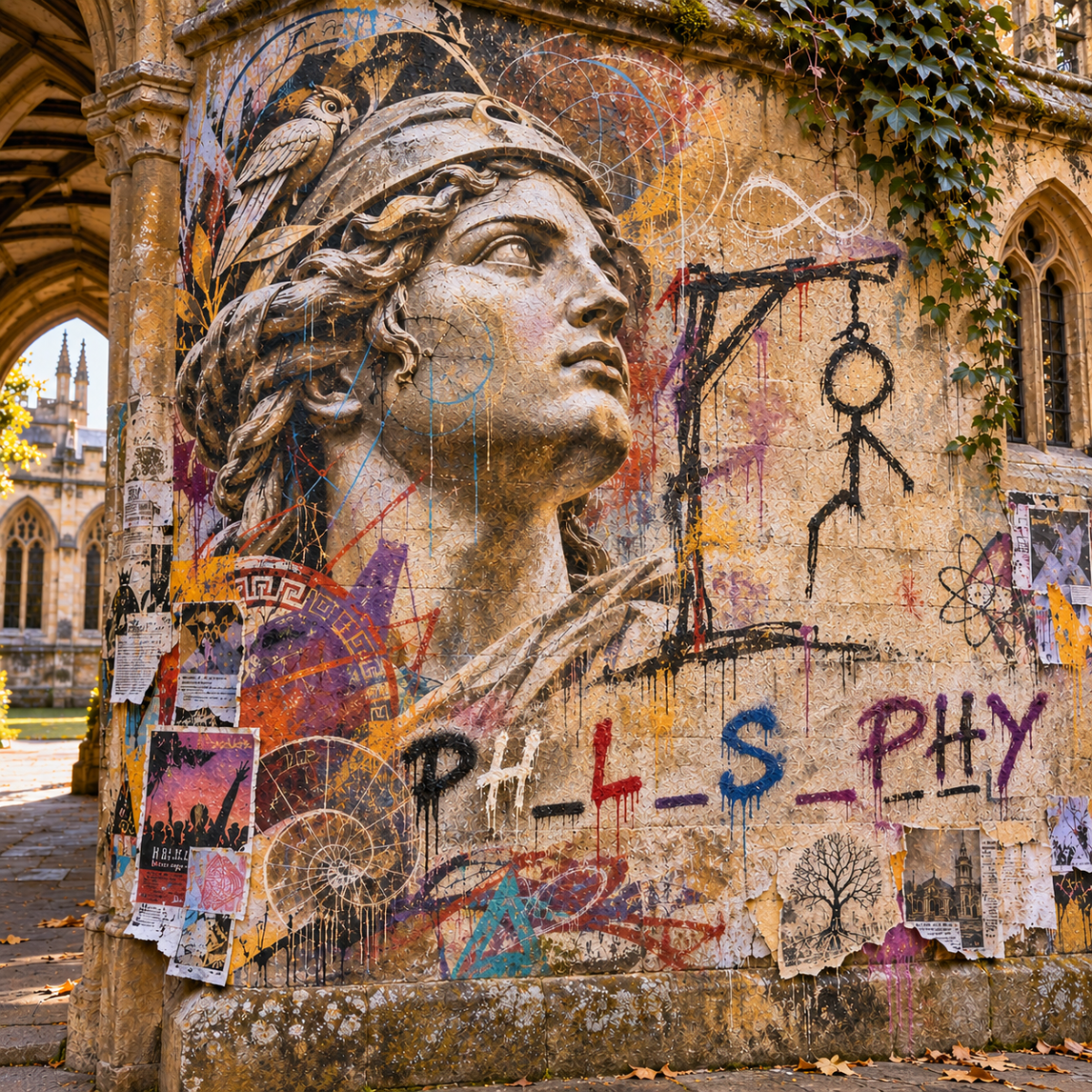
Philosophy is not simply the history of what others have thought. It is the continuing activity of understanding a world that refuses to stand still. When familiar explanations cease to serve us, thinking differently may become a matter of survival.

Institutions do not merely resist criticism. They regulate the conditions under which criticism can become intelligible, credible and consequential.
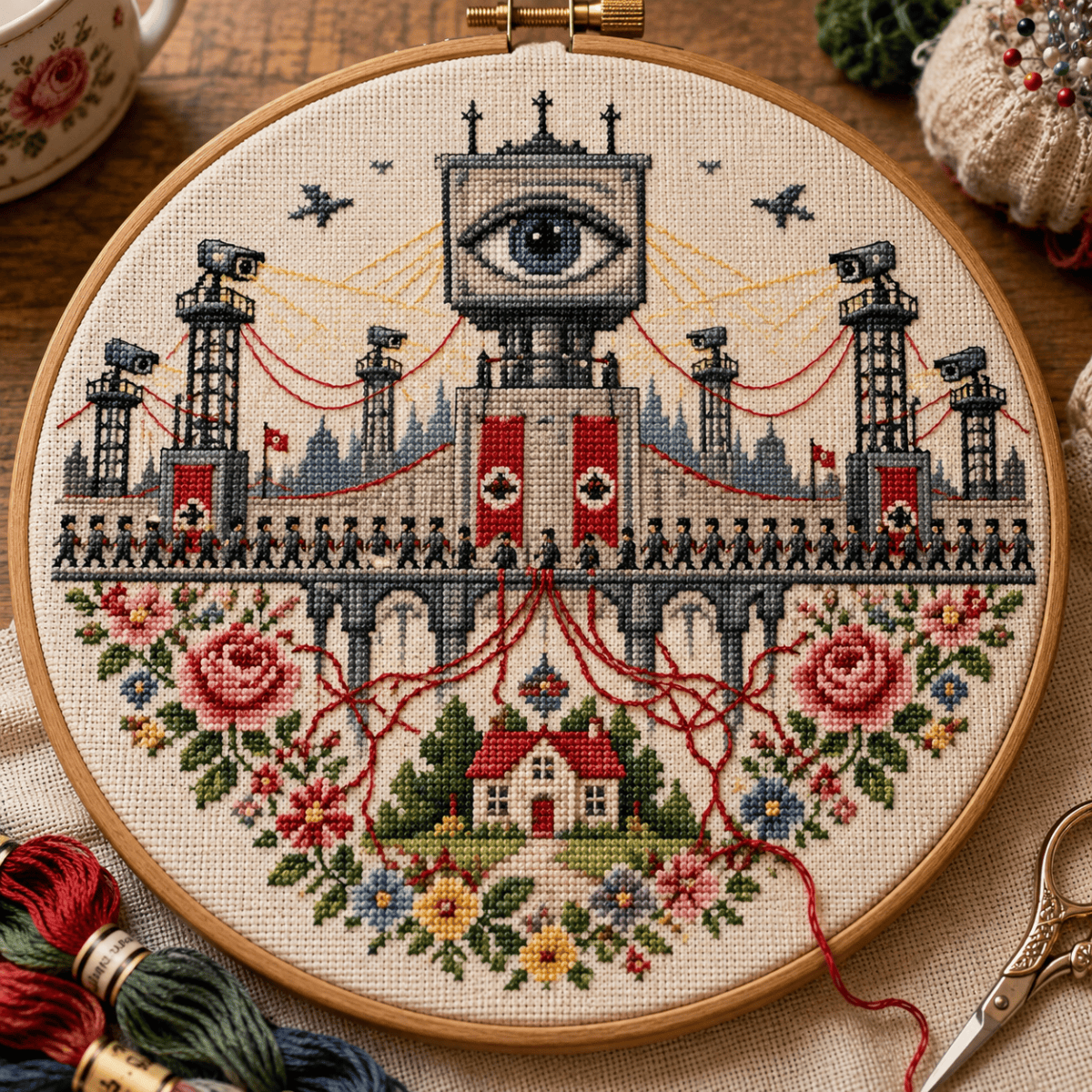
When ignorance becomes politically powerful, socially respectable and commercially profitable, independent thought becomes a liability.

The paradox is that philosophy, a discipline nominally concerned with questioning assumptions, has become remarkably accomplished at preserving its own.

I went to a School of Cybernetics hoping to develop ideas about how systems organise and reproduce themselves. My experience instead prompted an unexpected examination of institutional authority, intellectual exclusion and the patterns through which institutions reproduce themselves.

Ideas are fragile, and their expression more so. In a culture increasingly synchronised by fear, hatred and repetition, independent thought becomes an act of integrity, and the freedom to communicate something genuinely different becomes increasingly precious.
Have a WordPress.com account? Log in now.

