The result is a civilisation increasingly confronted by novel problems, yet repeatedly encouraged to admire the elegance with which it preserves the assumptions that produced them.

The result is a civilisation increasingly confronted by novel problems, yet repeatedly encouraged to admire the elegance with which it preserves the assumptions that produced them.

Non-linearity is rarely an explanation in itself. More often, it is a sign that causal structure is richer than our current description captures.
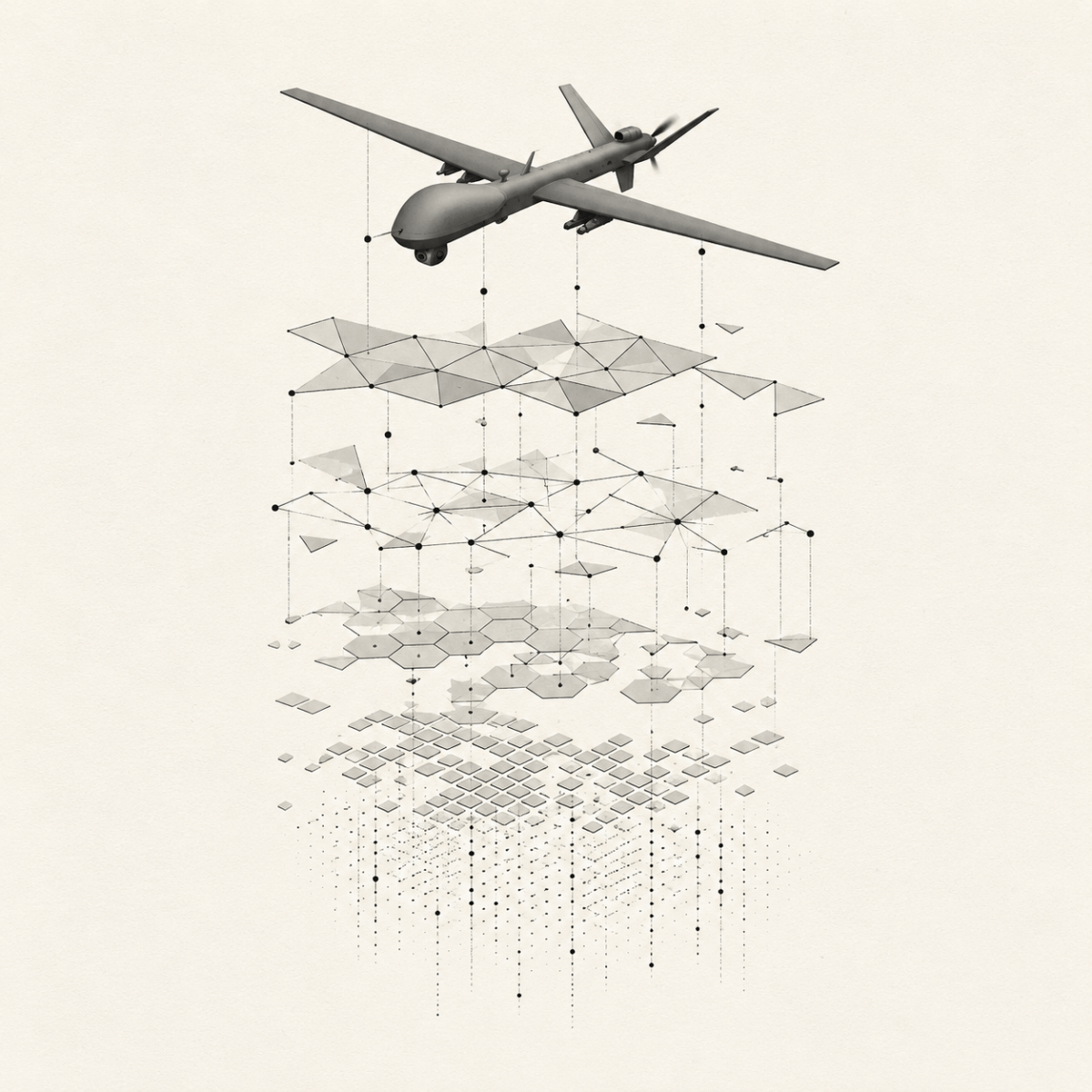
The drone is only the visible object. The real event is the combinatorial explosion of sensors, signals, decisions, delays, targets, countermeasures, and feedback loops.
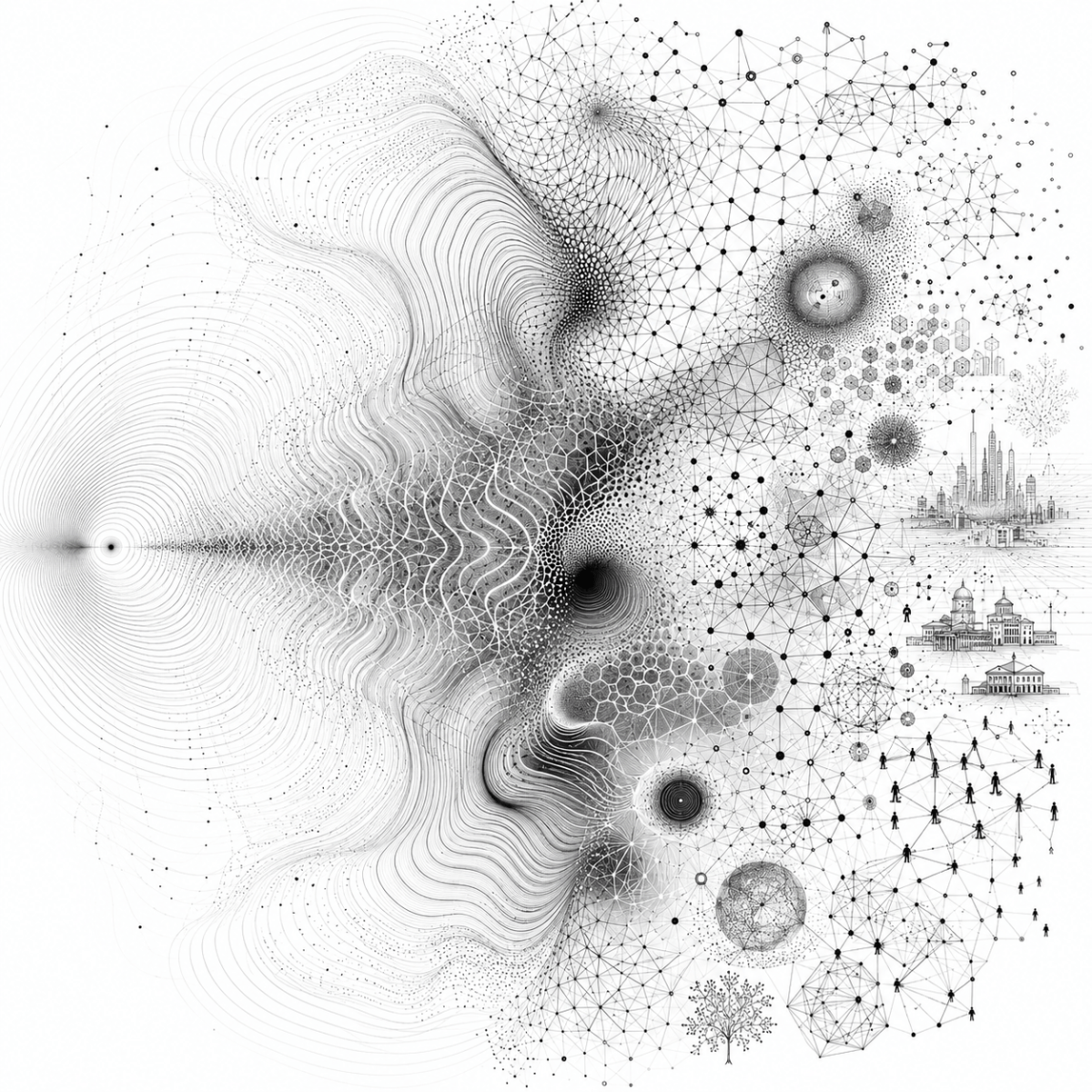
Change the timing and you change the structure. Communication is not merely the transfer of information through a network but the propagation of signals through media of different densities, delays, and constraints. Small temporal modulations accumulate. Phase shifts become interference patterns. Interference becomes organisation.

The more instability surrounds the Strait of Hormuz, the more valuable it becomes. The paradox is that a prolonged conflict may be increasing the strategic importance of one of Iran’s most powerful sources of leverage.

Many of the largest problems now confronting technologically advanced societies are not failures of engineering, they are consequences of its success.

Energy markets do not merely price fuel. They encode the recurrence structure of civilisation’s dependency on energy. Refinery cycles, shipping delays, seasonal demand, storage constraints, geopolitical tension, and futures speculation appear as price movement, but price is only the visible signal. Beneath it sits a temporal field of repeated dependence. Energy markets are not merely […]
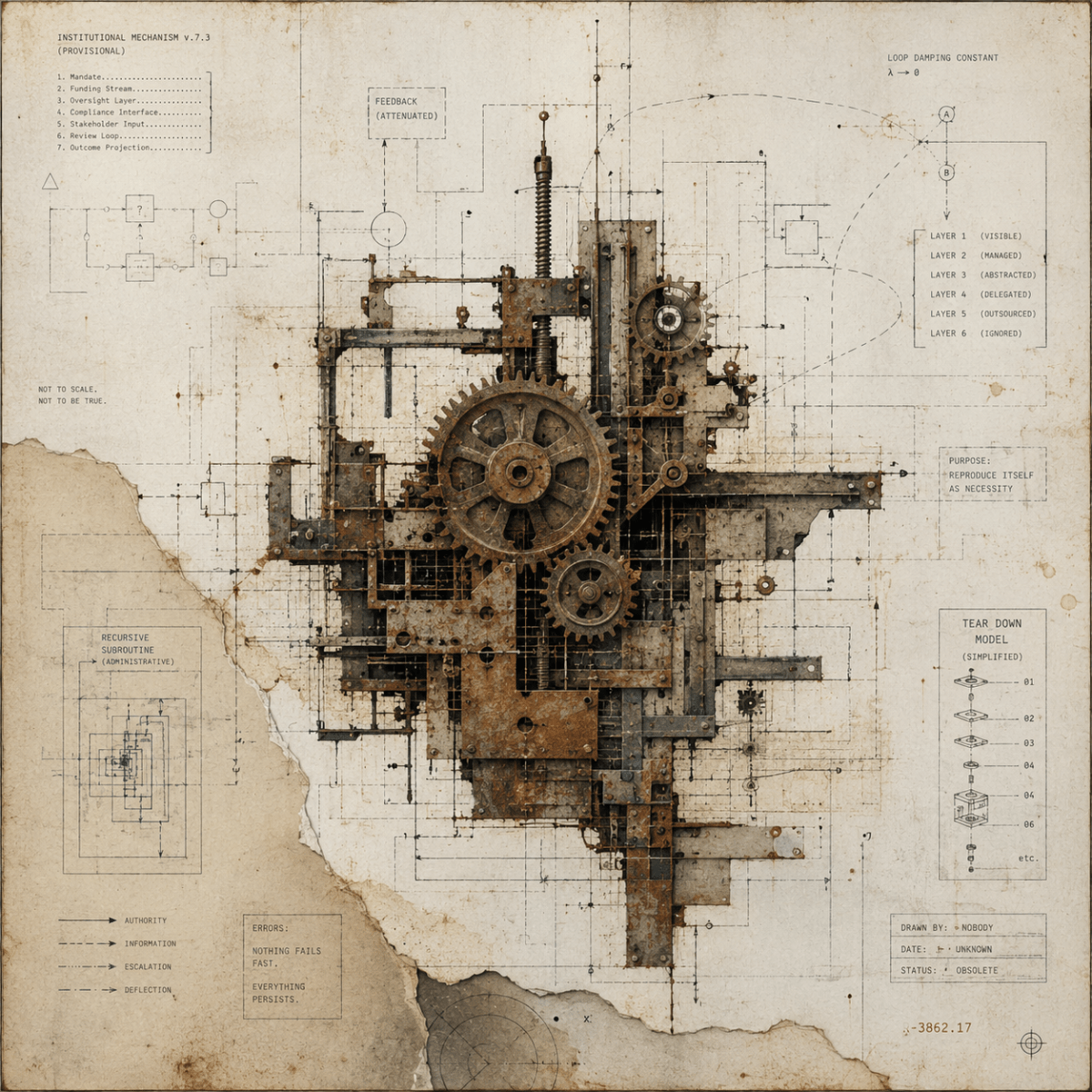
The Institute for Transformative Futures began with a manifesto, three beanbags, and a volcanic certainty that every institution before it had been morally and intellectually compromised. Its founders spoke in the ecstatic tones of people who had recently discovered systems theory and now suspected they alone could perceive the invisible architecture of power. They would […]
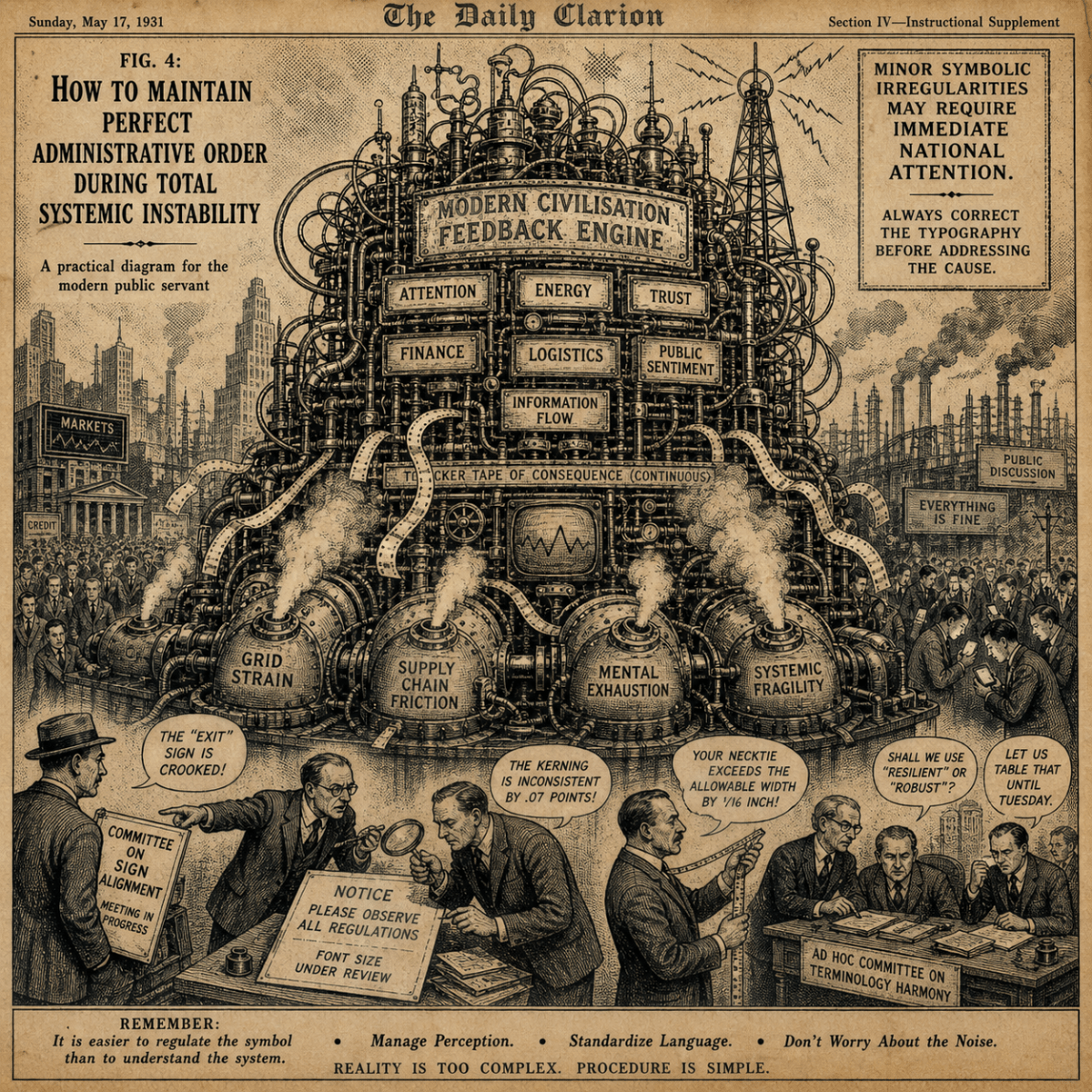
We have entered an era in which the second-order complexity of ubiquitous information and energy feedback systems has become the new centre of gravity. Not industry alone. Not territory alone. Not even ideology in the older twentieth-century sense. The decisive terrain is now the recursive infrastructure through which signals circulate, stabilise, amplify, and reorganise behaviour […]

Strategic insight is often ignored not because it lacks value, but because systems prefer analysis that confirms their existing assumptions.

He noticed it first in the rhythm of things. Not the temperature, which always wandered, but the timing. Winter arrived on the calendar and not in the soil. Rain came hard and left quickly, as if it had somewhere else to be. Summer stretched, then stretched again, like a conversation that had lost its point […]

There are early signs that international tourism to the United States is softening: fewer arrivals, reduced forward bookings, and growing concern about border processing and entry conditions. Political uncertainty, stricter enforcement, longer processing times, and wider geopolitical tension are converging at a single operational point, the border itself, where travellers form a judgement about what […]
Have a WordPress.com account? Log in now.

