Cultivated indifference is the flip-side of social media volatility. Insecurity may be expensive but gullibility is free.
Categories
dysfunctionally human
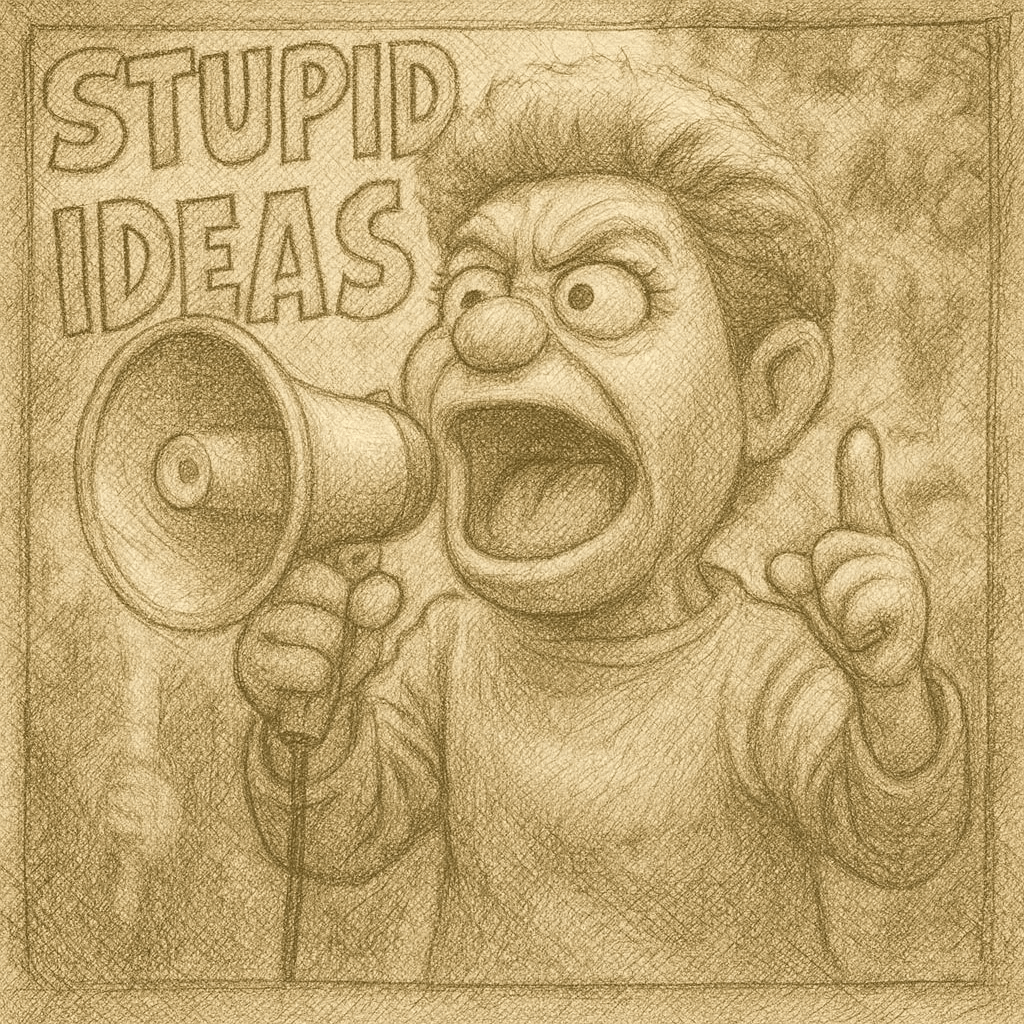
Cultivated indifference is the flip-side of social media volatility. Insecurity may be expensive but gullibility is free.

At precisely the moment technology allowed us to express our own thoughts with unprecedented speed, ease, and fluency, people began switching off from the flood of language-model-mediated self-expression that followed.

Facts may not be sacred in practice, but the alternative is shameless informational feudalism: a world in which power determines visibility, visibility determines belief, and belief dissociatively drifts away from the world it claims to describe.

Populist symbolism travels by detaching feeling from place, consequence, and thought, then giving borrowed socio-psychological anxiety the dissimulating smoke and mirrors of a theatrical political and identity performance.

Politics is not failing because people have become irrational; it is failing because the systems that coordinate perception, timing, and response have slipped out of phase, and what we are experiencing as conflict, populism, volatility, and institutional drift is the visible surface of a deeper timing problem in large-scale communication systems, one that also describes […]

Across many countries, the current wave of populism looks like a political shift. It is, but it is also something deeper: a change in how communication systems select and stabilise meaning.
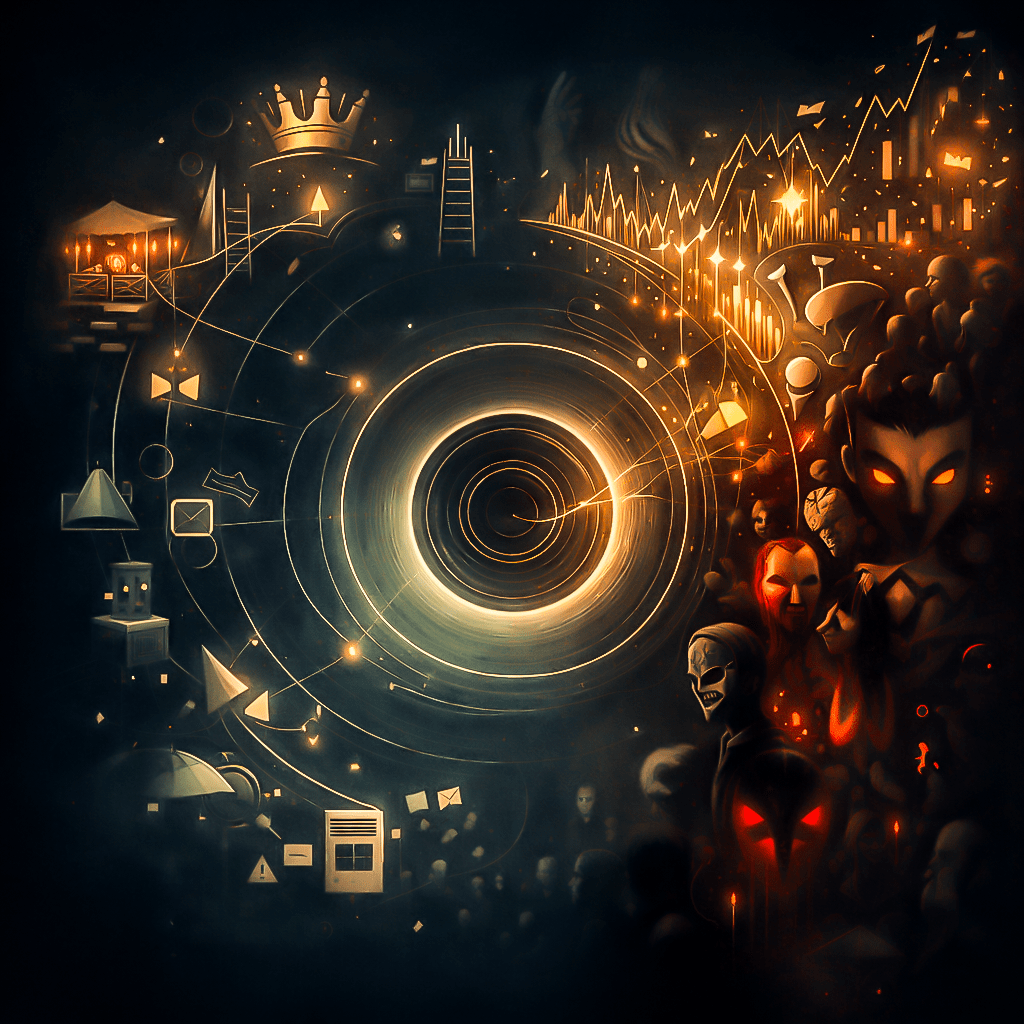
Endless conflict persists not because it is healthy, just, or sustainable, but because fear is highly efficient at moving through uncertain human systems. What spreads easily is not always what nourishes. Fear can be structurally effective while being psychologically corrosive and socially disastrous. That distinction matters. Signals that bind attention quickly can still produce damaged […]

Modern history repeatedly shows that rigid systems of belief tend to undermine themselves over time. Highly centralised and extremely rigid systems of belief, expressed through and embodied in political movements across the twentieth century, illustrate the pattern clearly: power narrows into small circles, dissenting information disappears, institutions become instruments of loyalty rather than arbiters of […]

Open a modern news homepage and nothing seems especially unusual. Headlines stack one after another, breaking banners pulse, politicians argue, commentators react, scandals erupt and dissolve, and somewhere among the noise a few careful investigations still appear. Public broadcasters, commercial television networks, global digital outlets and tabloid aggregators all occupy the same surface. They differ […]
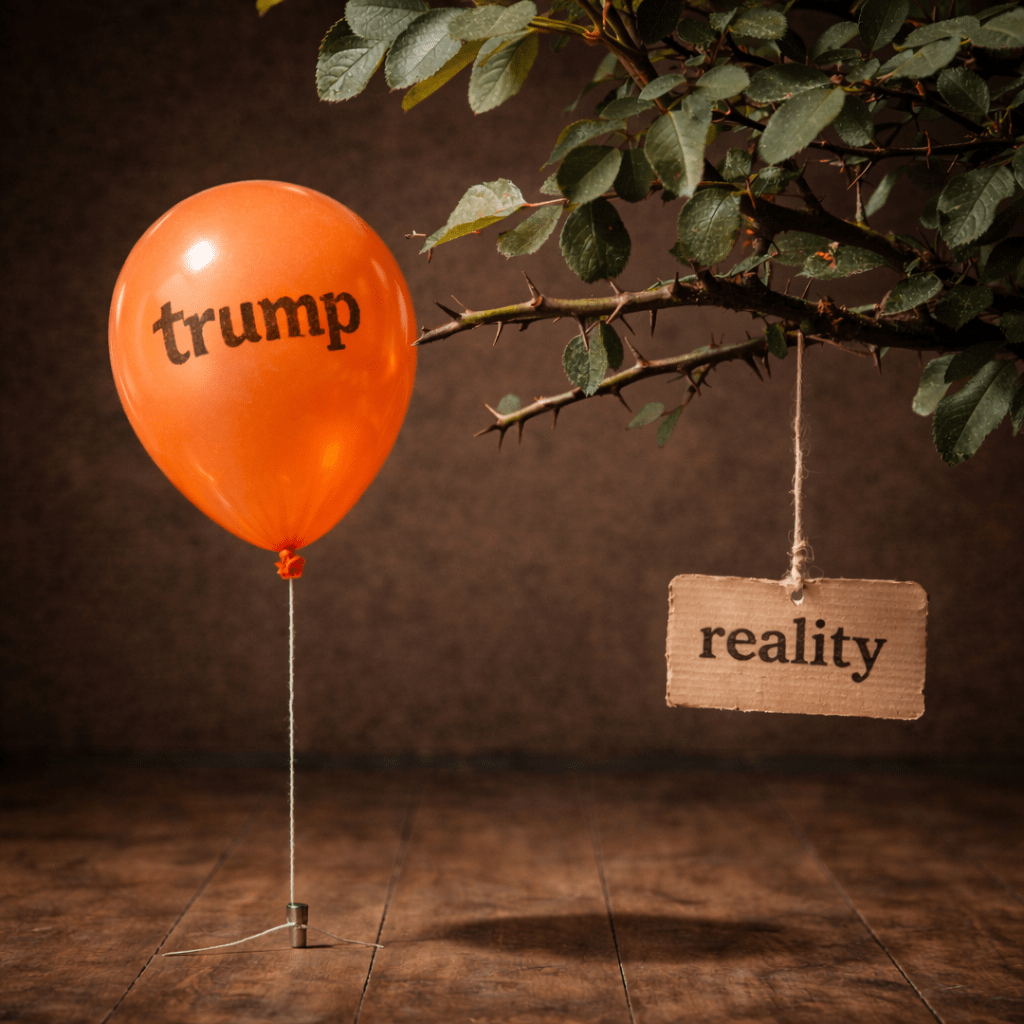
What we call strategy in world events is almost never that. Significant historical events are routinely narrated as the product of careful planning, institutional continuity, and deliberate intent, yet the public record more reliably shows decisions taken under pressure, justified after the fact, and sustained long after anyone can clearly explain why they began. Narratives […]

Contemporary political partisanship is commonly perceived as noise, conflict, or moral failure, rather than as a structural dynamic. Within that same environment, some actors benefit from it because the system rewards the conversion of difference into attention, status, or power, creating incentives for intensification. Structurally, partisanship functions less as a disagreement to be resolved than […]
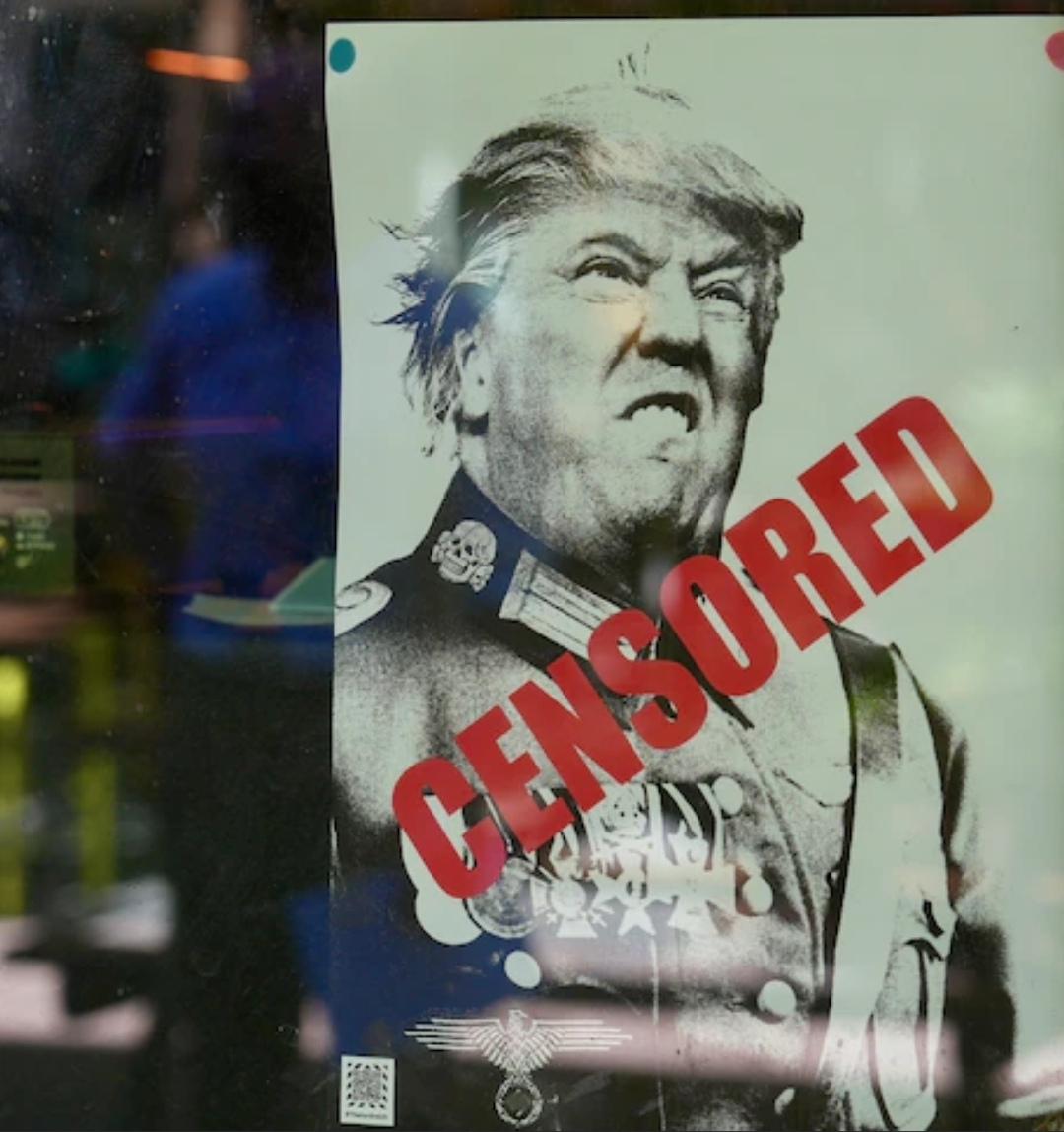
A basic rule of public communication is that attention is not a side effect; it is the medium itself. Attempts to suppress a message therefore carry a predictable risk: suppression becomes the story. In Canberra, police seized posters from the window of a local café and bar following a complaint and temporarily closed the venue […]
Have a WordPress.com account? Log in now.

