Communication systems can make an interpretation familiar before it has been examined, significant before it has been understood, and consequential before anyone establishes whether it is true.

Communication systems can make an interpretation familiar before it has been examined, significant before it has been understood, and consequential before anyone establishes whether it is true.

A society overwhelmed by complexity eventually stops seeking explanations and starts seeking certainty; that is when political movements such as One Nation cease to be anomalies and become warnings.

The future will not be defined by any single party or leader. It will be defined by the widening gap between the complexity of the systems governing society and the increasingly simplified narratives through which society attempts to understand them
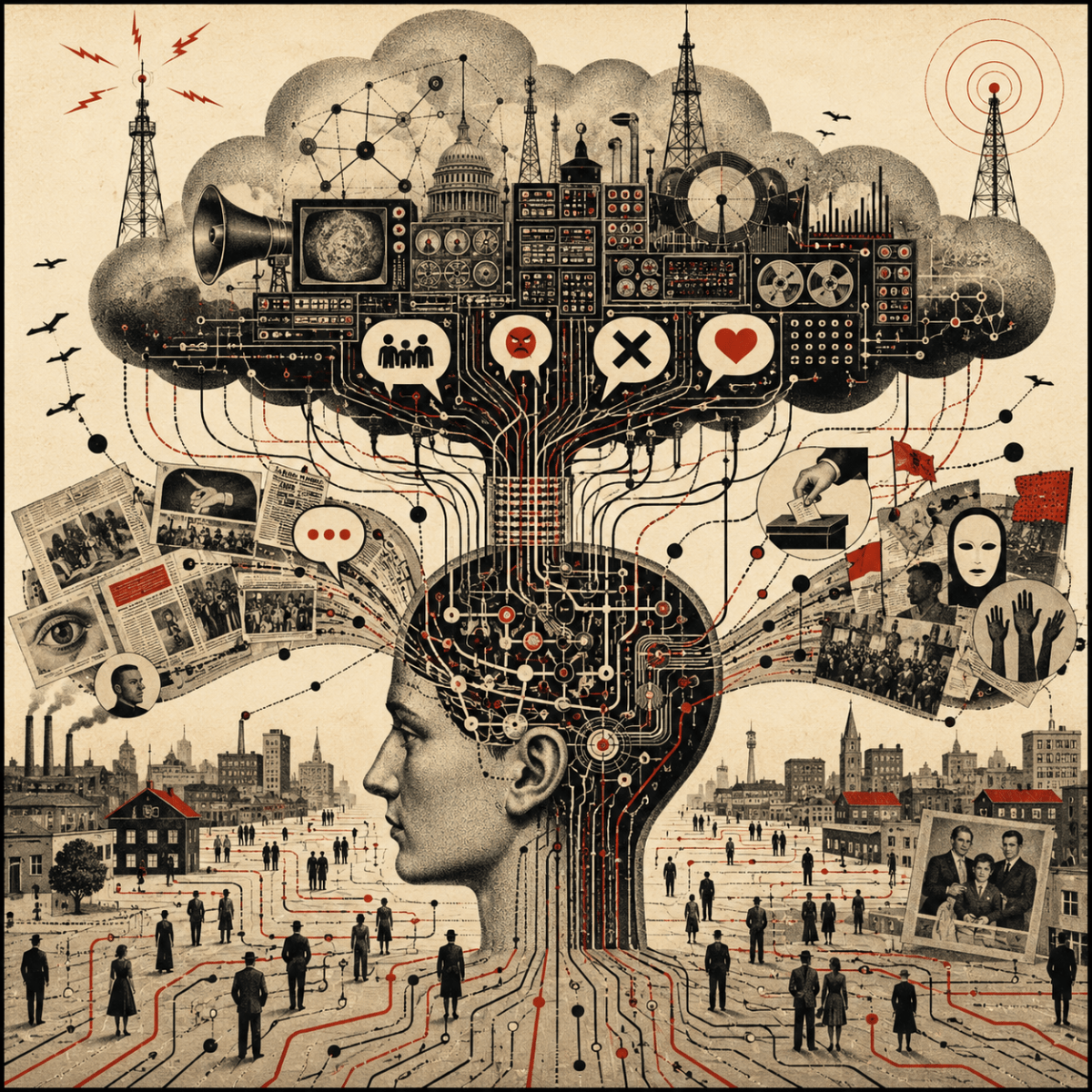
Cognitive bandwidth becomes cultural destiny because the carrying capacity of technologically mediated communication systems exceeds the carrying capacity of the biological minds living inside them.

Politics is not failing because people have become irrational; it is failing because the systems that coordinate perception, timing, and response have slipped out of phase, and what we are experiencing as conflict, populism, volatility, and institutional drift is the visible surface of a deeper timing problem in large-scale communication systems, one that also describes […]

Across many countries, the current wave of populism looks like a political shift. It is, but it is also something deeper: a change in how communication systems select and stabilise meaning.

Open a modern news homepage and nothing seems especially unusual. Headlines stack one after another, breaking banners pulse, politicians argue, commentators react, scandals erupt and dissolve, and somewhere among the noise a few careful investigations still appear. Public broadcasters, commercial television networks, global digital outlets and tabloid aggregators all occupy the same surface. They differ […]

When the ambient communication system is saturated with noise, speed, and compression, ideologies that minimise internal degrees of freedom propagate more easily, not because they are robust but because they repeat cleanly. They return in recognisable form, align with their own prior expressions, and therefore hold attention. Under these conditions, order is produced less by […]
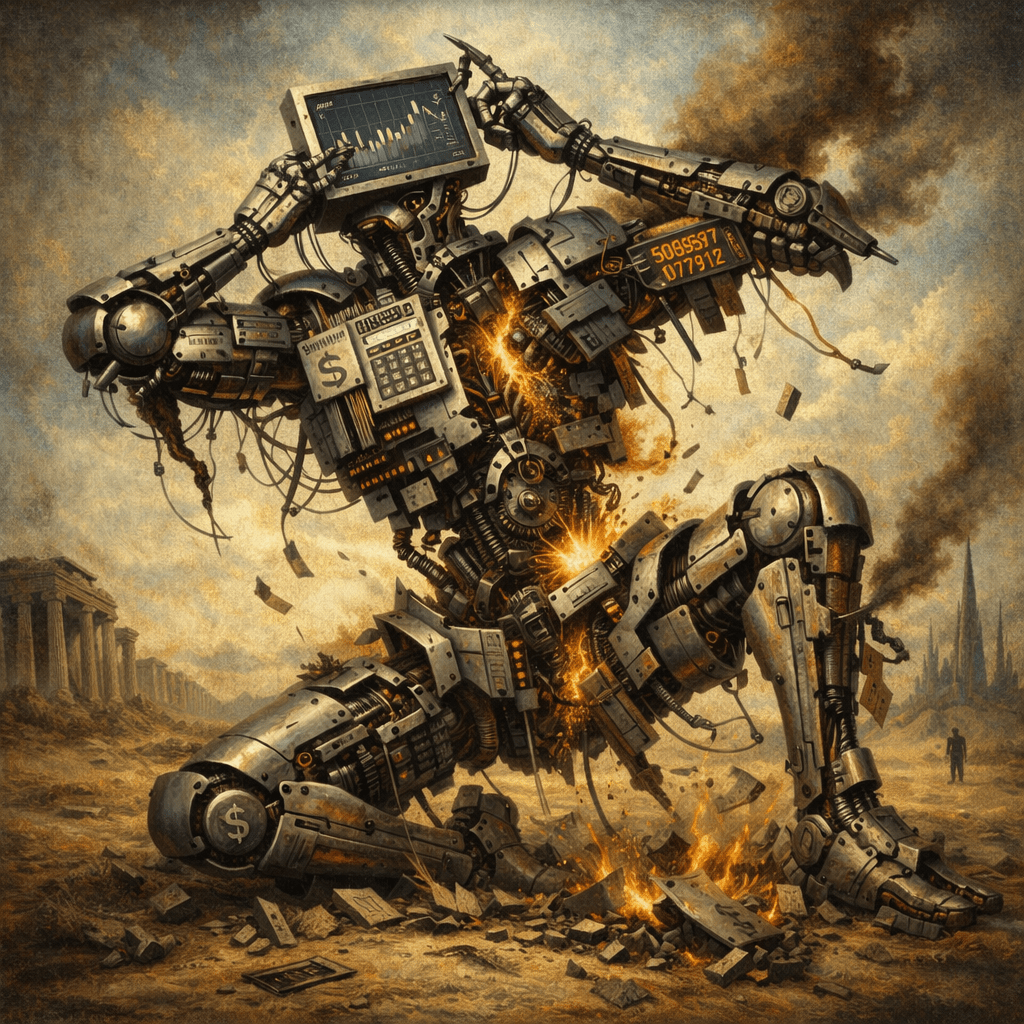
Systems of governance and regulation, insofar as they attempt to secure social, economic, and existential continuity, are structurally compromised. Their primary function is not effective service delivery, but the preservation of administrative and status hierarchies. Continuity of role, office, and influence comes first; the public good follows, if at all. Politics becomes theatre. Institutions become […]
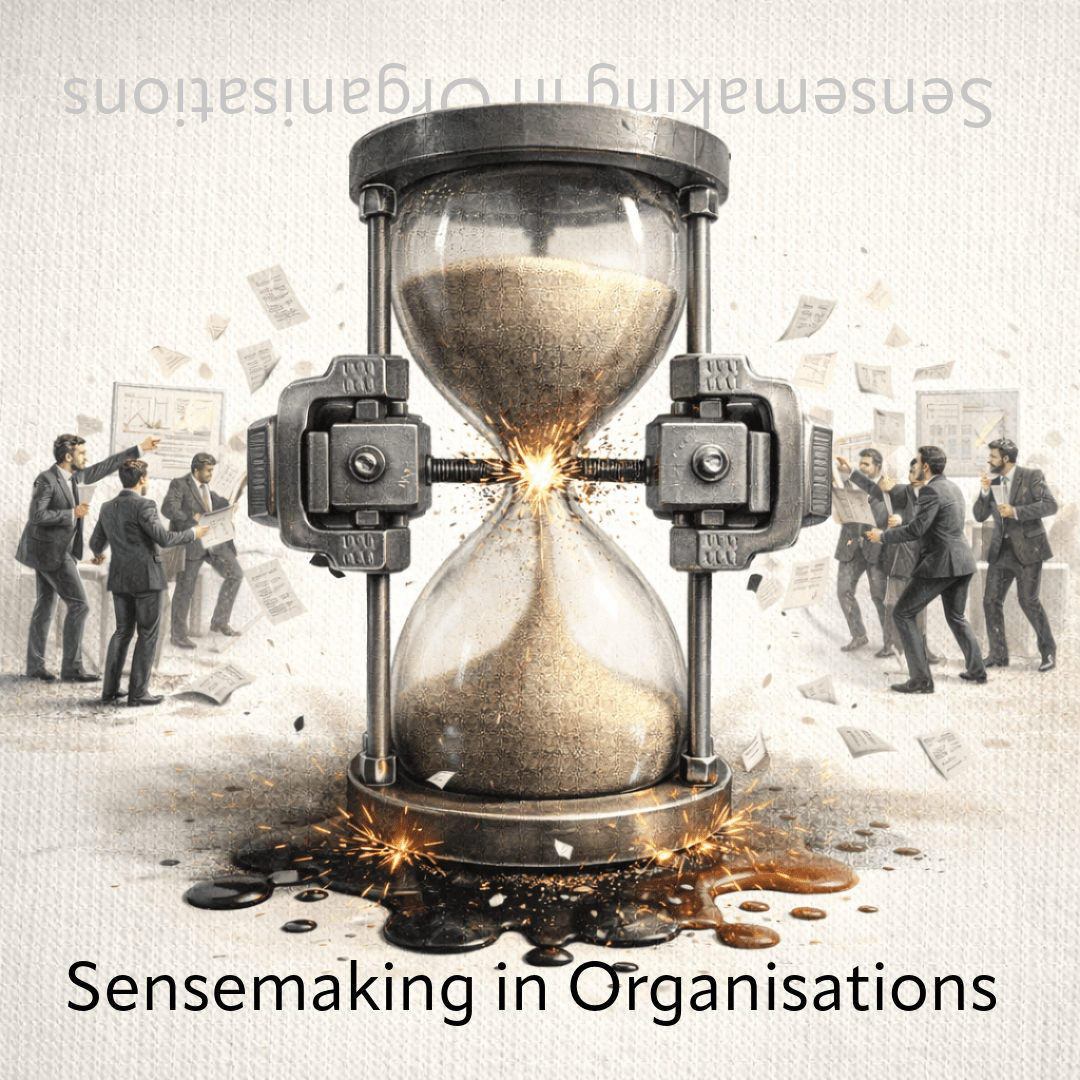
Karl Weick’s Sensemaking in Organizations emerged from a dissatisfaction with how organisations were typically described: as decision machines, information processors, or rational planners. Weick’s work cut against that grain. Drawing on psychology, sociology, and organisational studies, he focused instead on how people inside organisations actually come to understand what they are doing, usually after they […]

Modern systems do not fail for lack of intelligence; they fail because intelligence cannot be sustained inside them. What disrupts institutional self-reproduction is neutralised, not because it is wrong, but because it shortens the cycle. That is the sustainability problem. A civilisation that cannot maintain its own capacity for understanding cannot respond coherently to anything […]
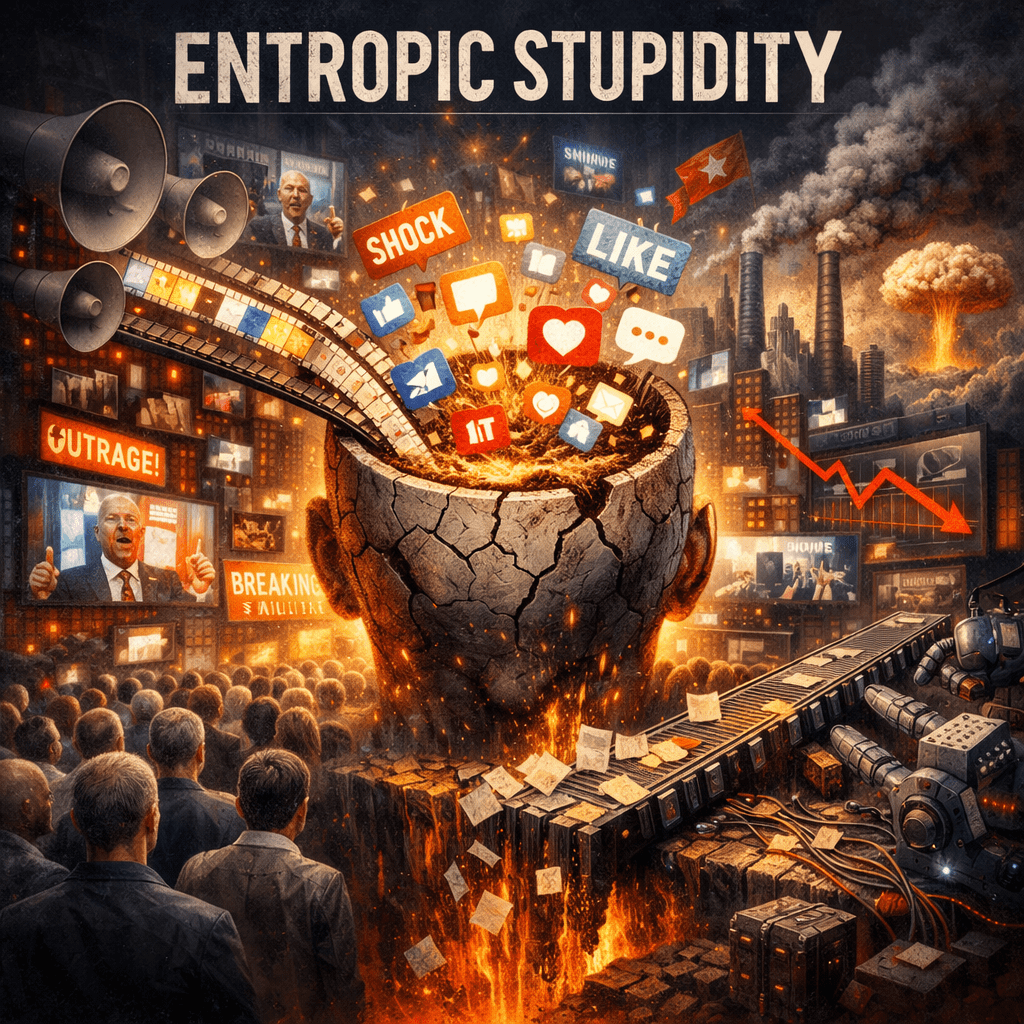
The communicative field—call it language, media, platforms, signalling systems, whatever—does not sit outside us. It evolves through us, as us. What most people experience as agency, originality, or personal control is largely a selection effect inside a much larger communicative metabolism. We choose from it, we modulate it slightly, but the directionality is not ours. […]

