Humanity has spent centuries building increasingly sophisticated machinery to solve its problems. Somewhere along the way, we became part of the machinery, and the problems became part of how it works.

Humanity has spent centuries building increasingly sophisticated machinery to solve its problems. Somewhere along the way, we became part of the machinery, and the problems became part of how it works.

In politics, incompetence can generate extraordinary attention, even as the foundations of power collapse.
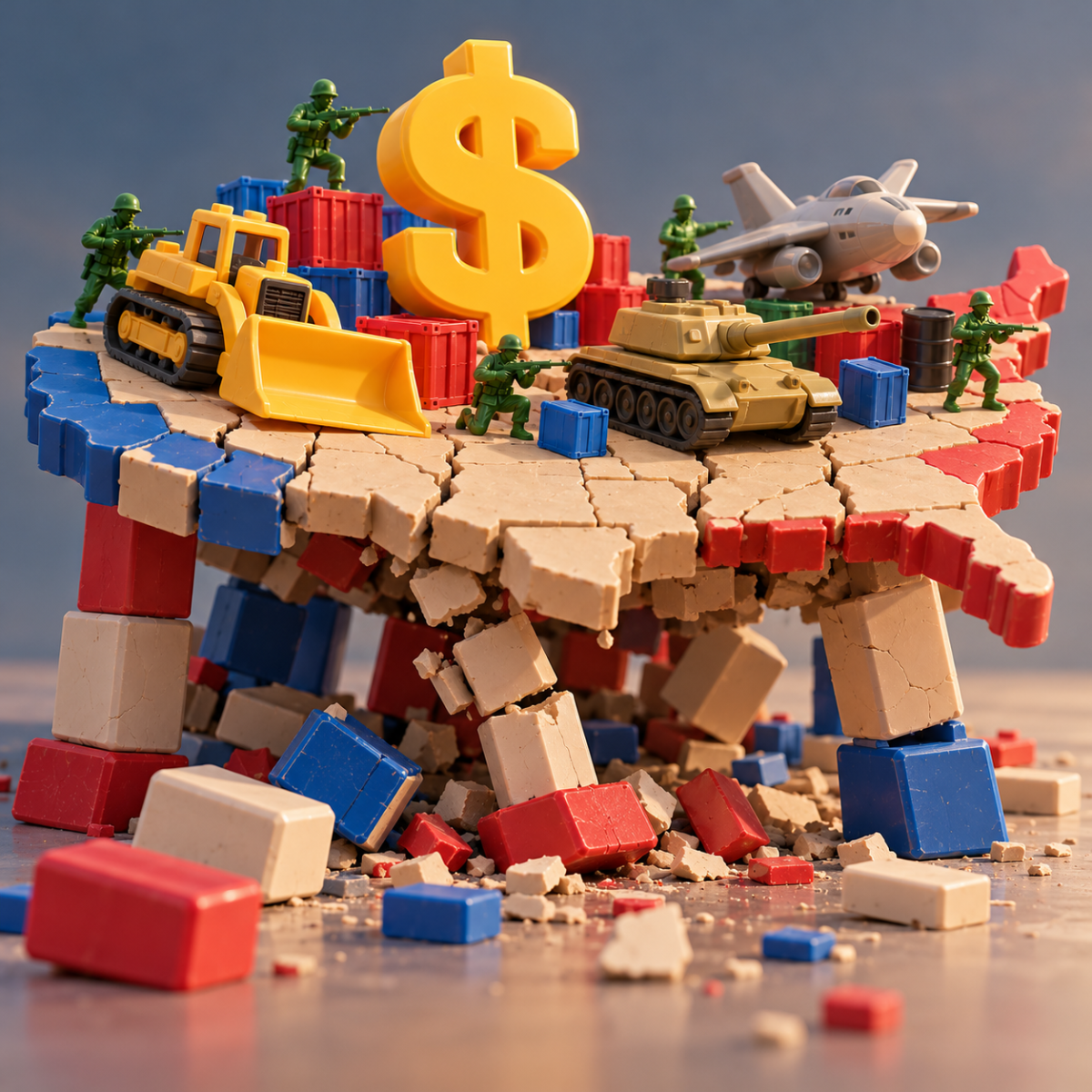
America’s greatest strength was never simply its wealth or military power, but the international relationships that sustained them. As Washington undermines those relationships, the world is learning to become less dependent upon America, with consequences that could be difficult to reverse.
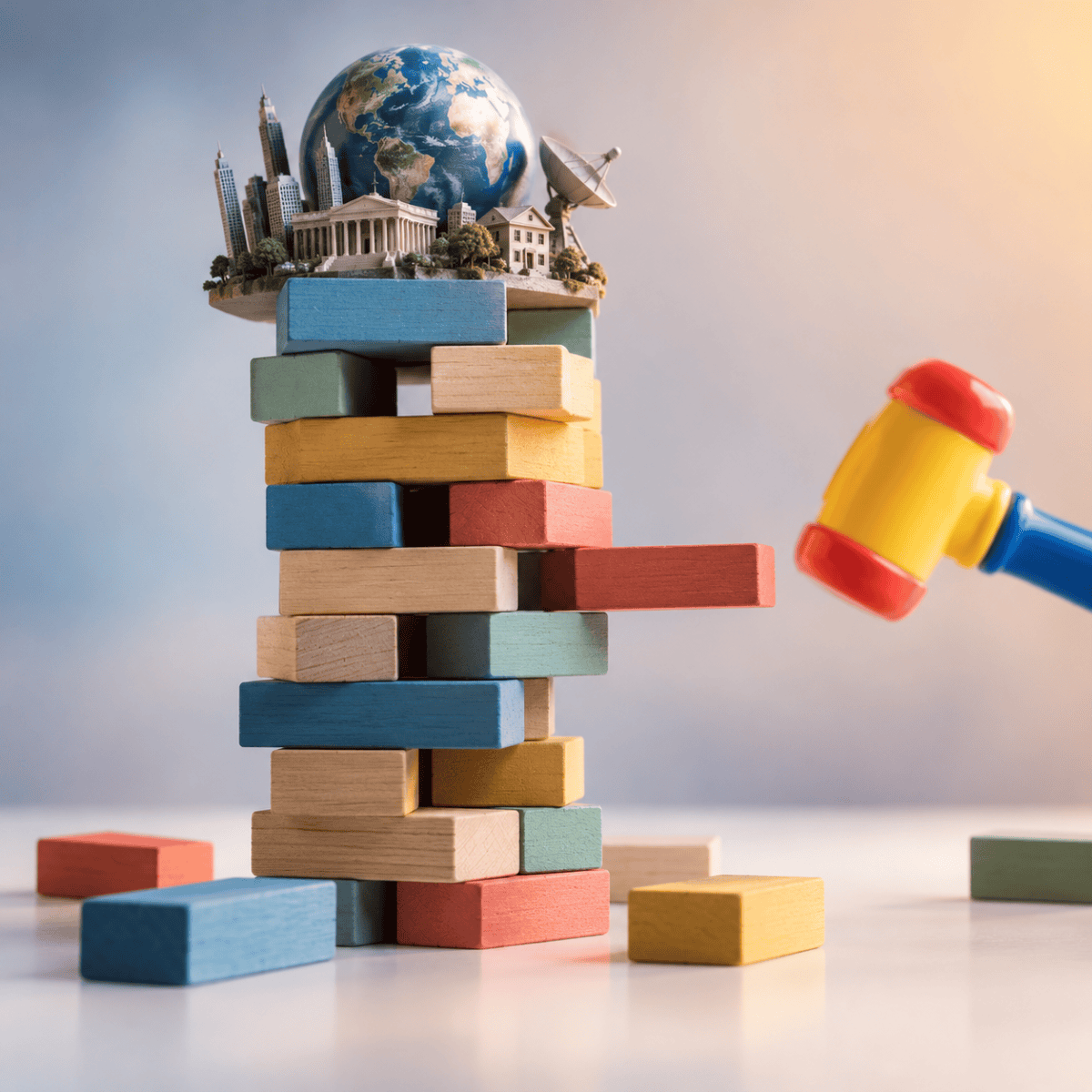
From Starlink and Ukraine to everyday technology, technocratic overextension exposes a dangerous paradox: civilisation increasingly depends on systems that (mostly) function as intended, but whose continued availability is controlled elsewhere, by political and ideological interests we may not share.
A more durable security paradigm would concern the organisation of differences through which competition can continue without destroying the conditions necessary for its participants to survive.

We are building extraordinarily intelligent machines to solve a problem whose governing assumptions remain remarkably primitive.

We have become exceptionally capable of reproducing (our, collective) insecurity in the name of security.
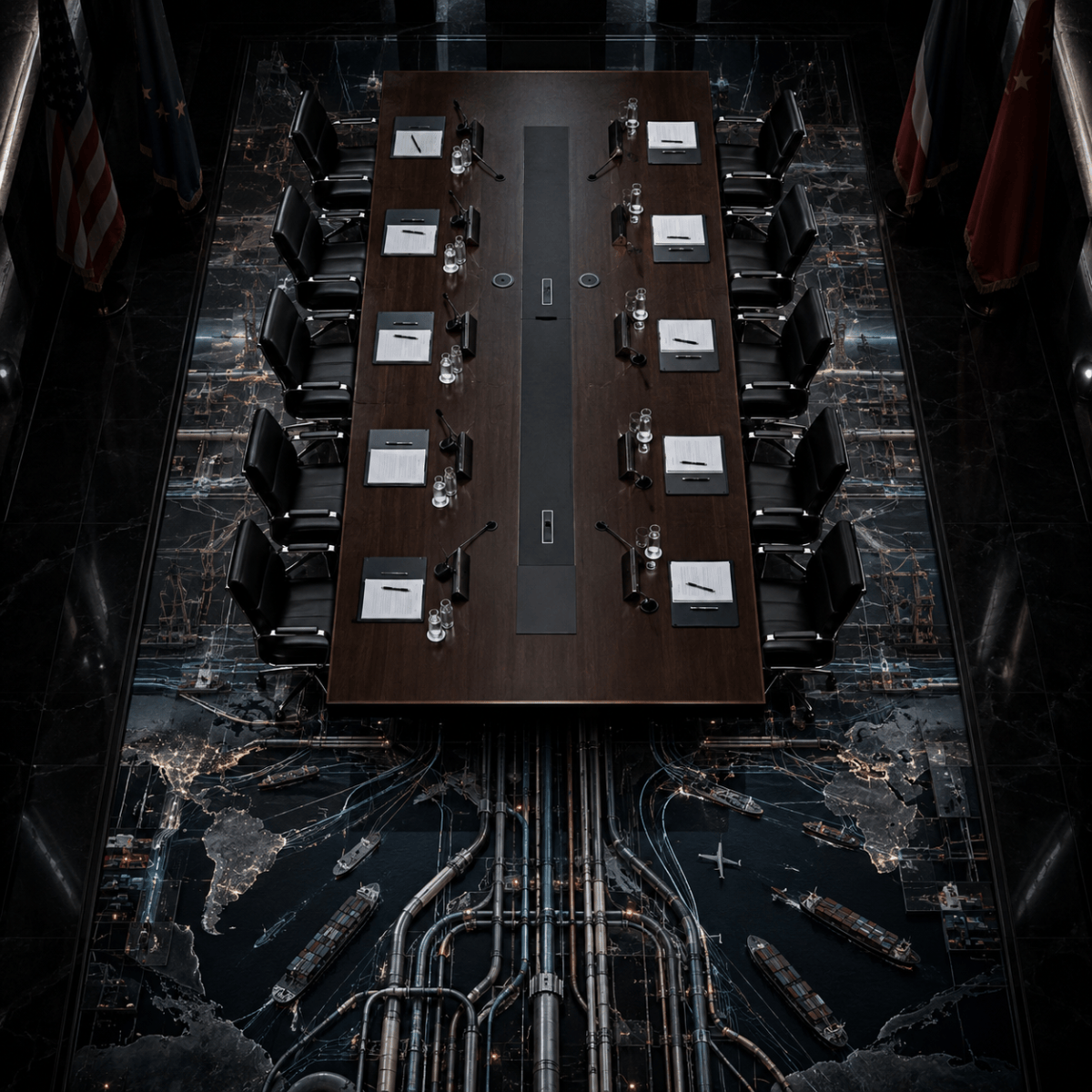
Peace is not merely difficult. We have built institutions, identities, economies and languages whose coherence depends upon the persistence of conflict.

Civilisations persist by continually reorganising themselves. The unanswered question is whether conflict, crisis and systemic collapse/renewal remain the principal means through which that persistence is achieved.

Mechanisms created to manage a recurring condition may become dynamically coupled to, and dependent upon, the continued existence of that condition.
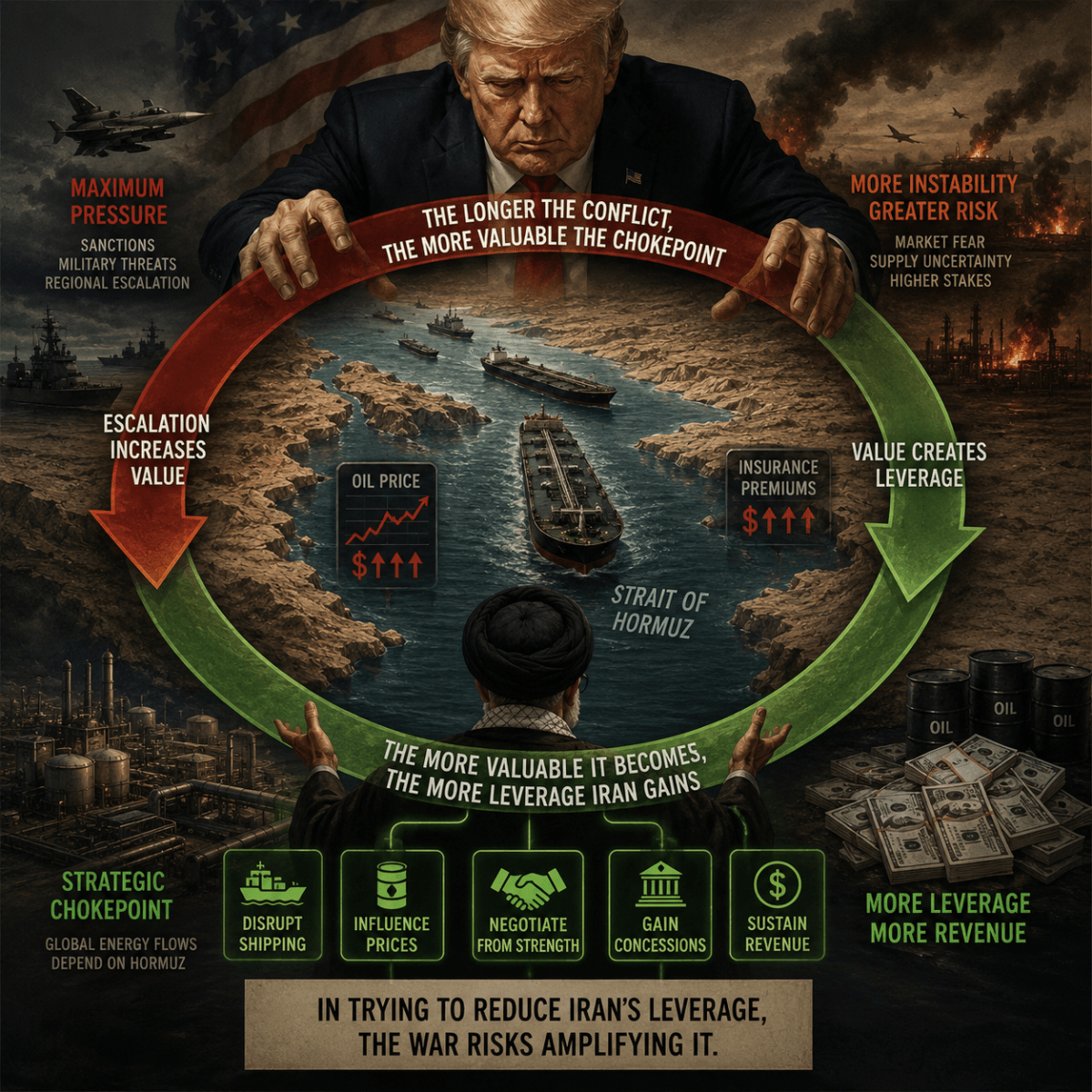
The more instability surrounds the Strait of Hormuz, the more valuable it becomes. The paradox is that a prolonged conflict may be increasing the strategic importance of one of Iran’s most powerful sources of leverage.
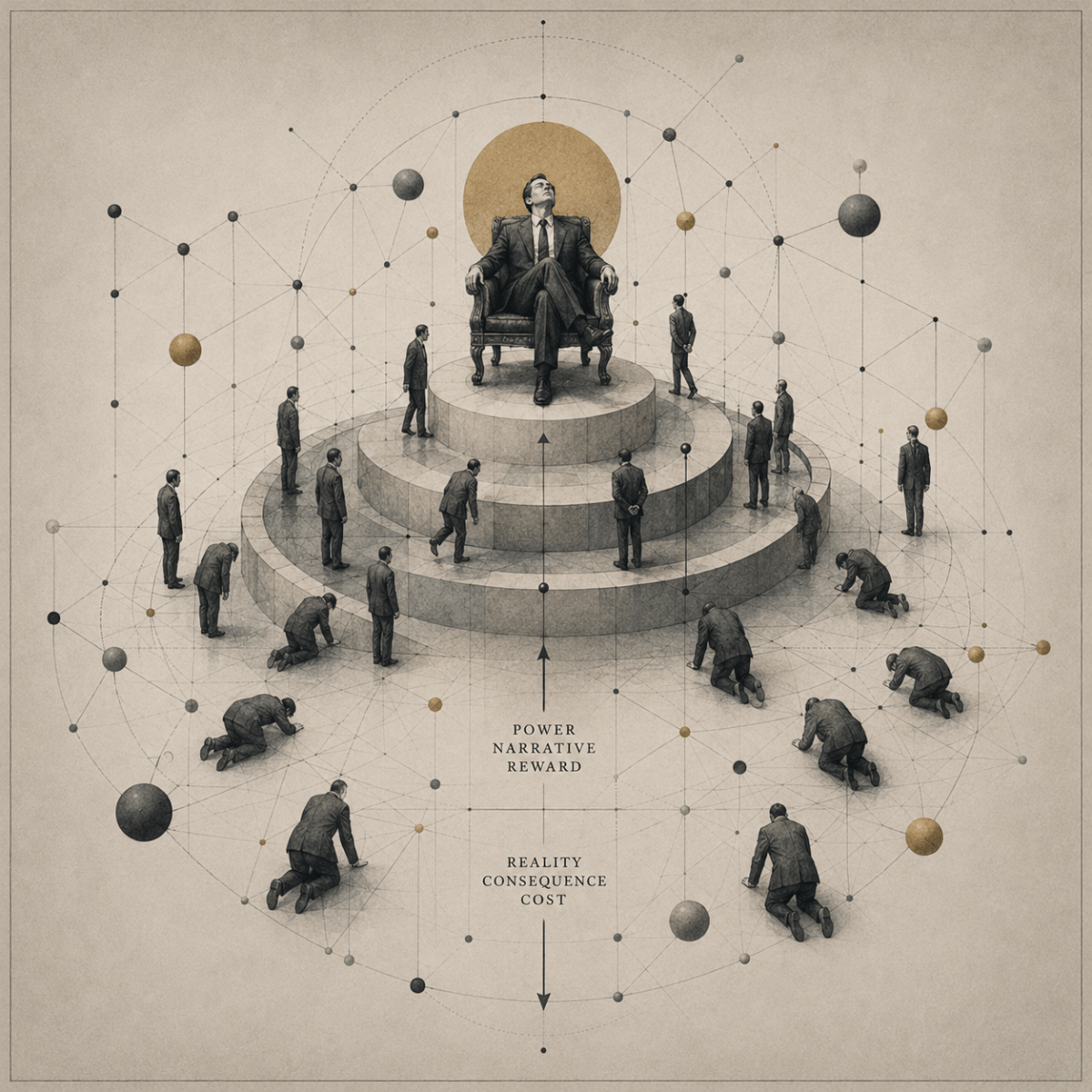
When organisations confuse confidence with competence, wealth with wisdom, and power with understanding, incompetence is no longer simply a failure of leadership but becomes one of its preferred production methods.
Have a WordPress.com account? Log in now.

