The Soviet Union collapsed, capitalism declared victory, and everyone went shopping. Now political instability is a profitable industry, foreign adversaries exploit the machinery, and the race to the bottom has become self-financing.
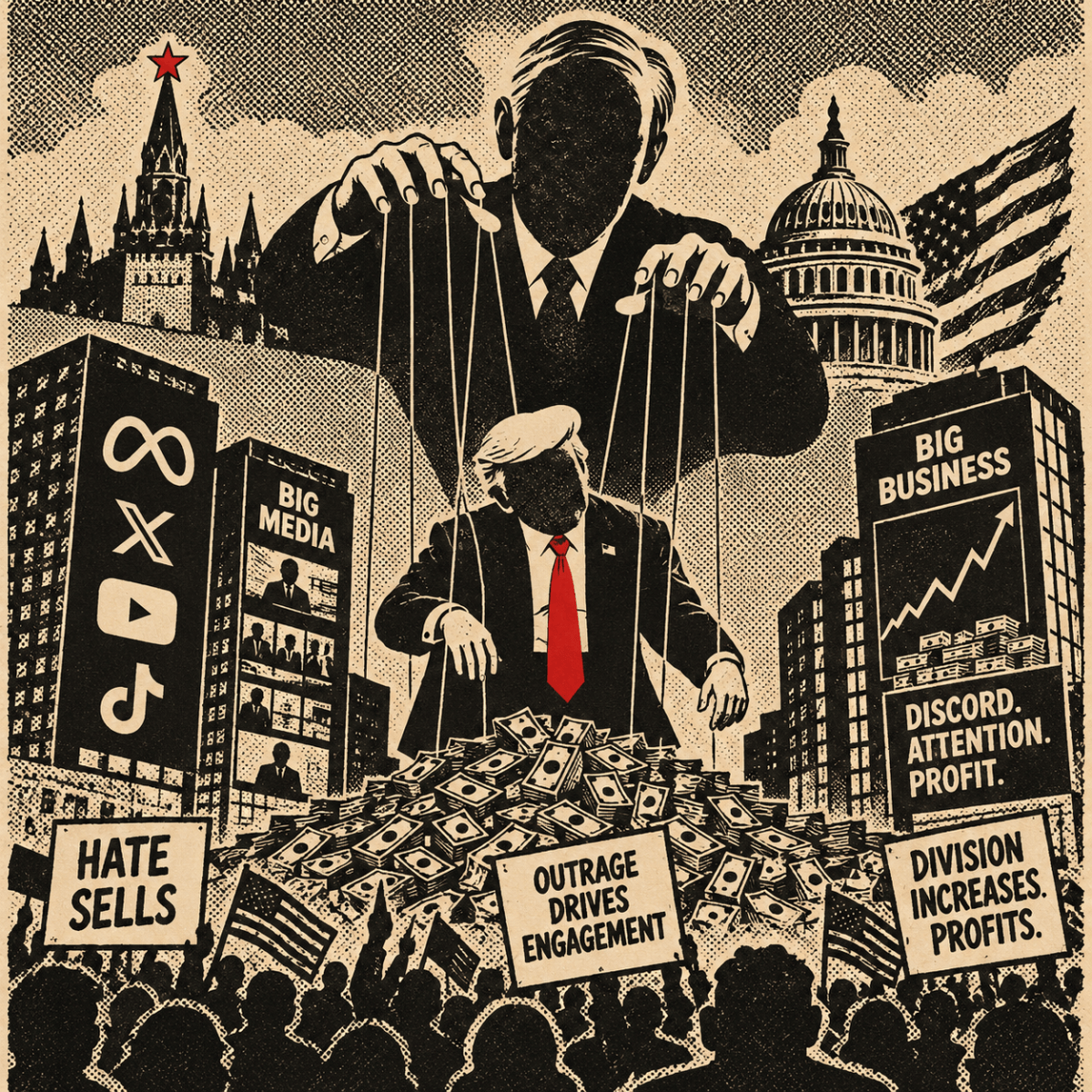
The Soviet Union collapsed, capitalism declared victory, and everyone went shopping. Now political instability is a profitable industry, foreign adversaries exploit the machinery, and the race to the bottom has become self-financing.

Counter-disinformation has a structural problem: engaging a message often helps keep it alive. While this is generally unsurprising dynamical behaviour, it remains widely misunderstood.

01-DD
03-DD
04-DD
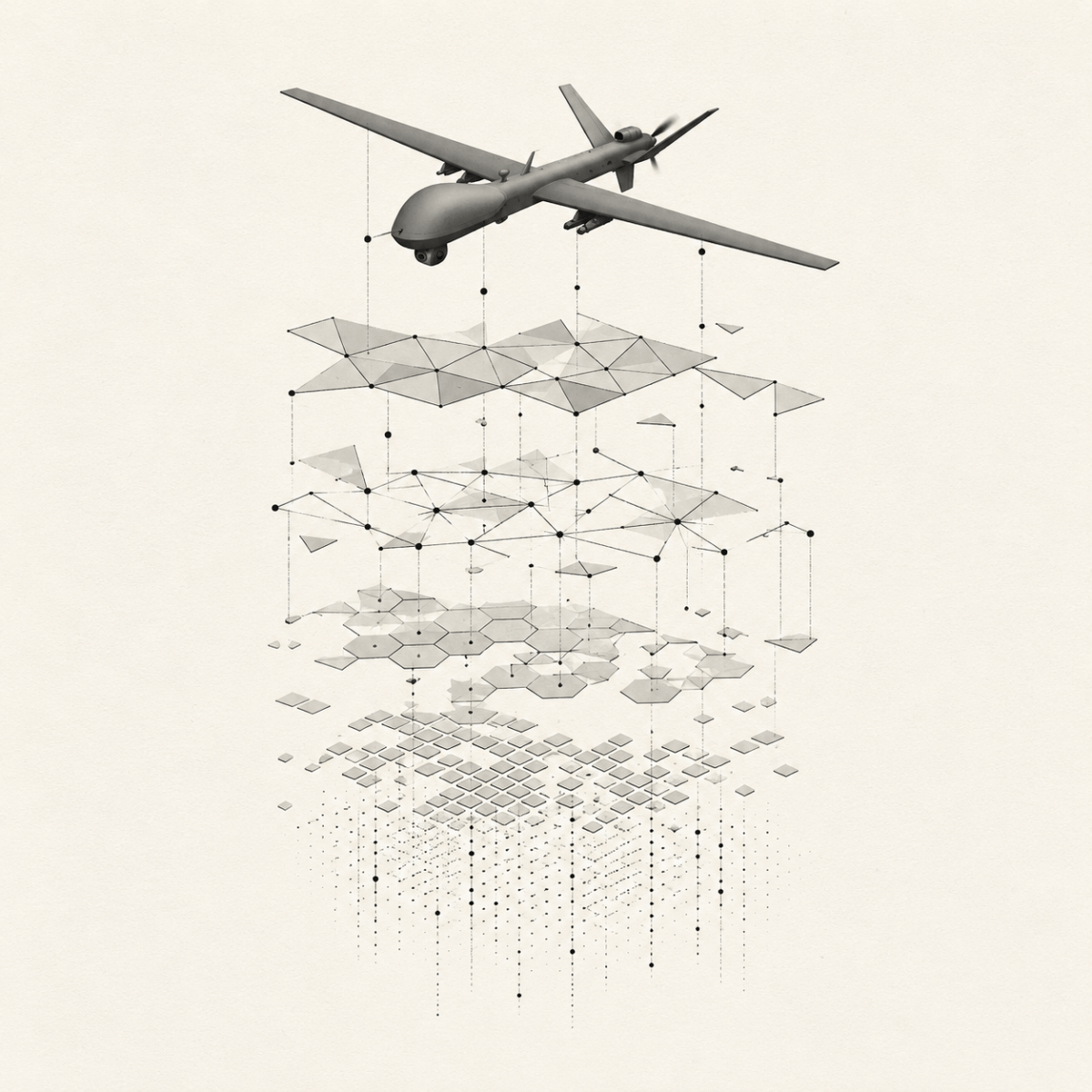
The drone is only the visible object. The real event is the combinatorial explosion of sensors, signals, decisions, delays, targets, countermeasures, and feedback loops.

Populism is not an opinion. It is a phase dynamic.

Facts may not be sacred in practice, but the alternative is shameless informational feudalism: a world in which power determines visibility, visibility determines belief, and belief dissociatively drifts away from the world it claims to describe.
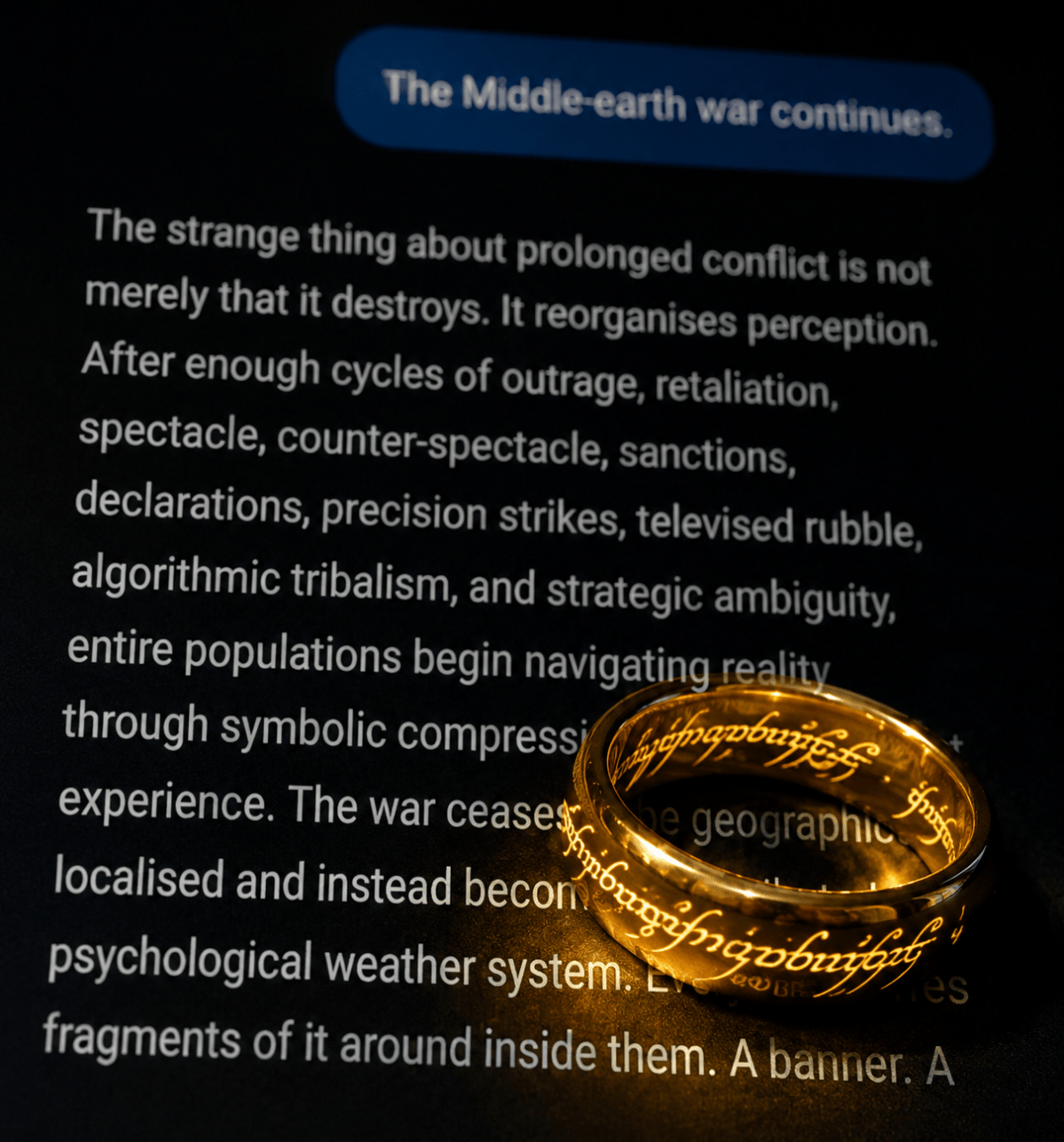
The strange thing about prolonged conflict is not merely that it destroys. It reorganises perception. After enough cycles of outrage, retaliation, spectacle, counter-spectacle, sanctions, declarations, precision strikes, televised rubble, algorithmic tribalism, and strategic ambiguity, entire populations begin navigating reality through symbolic compression rather than direct experience. The war ceases to be geographically localised and instead […]
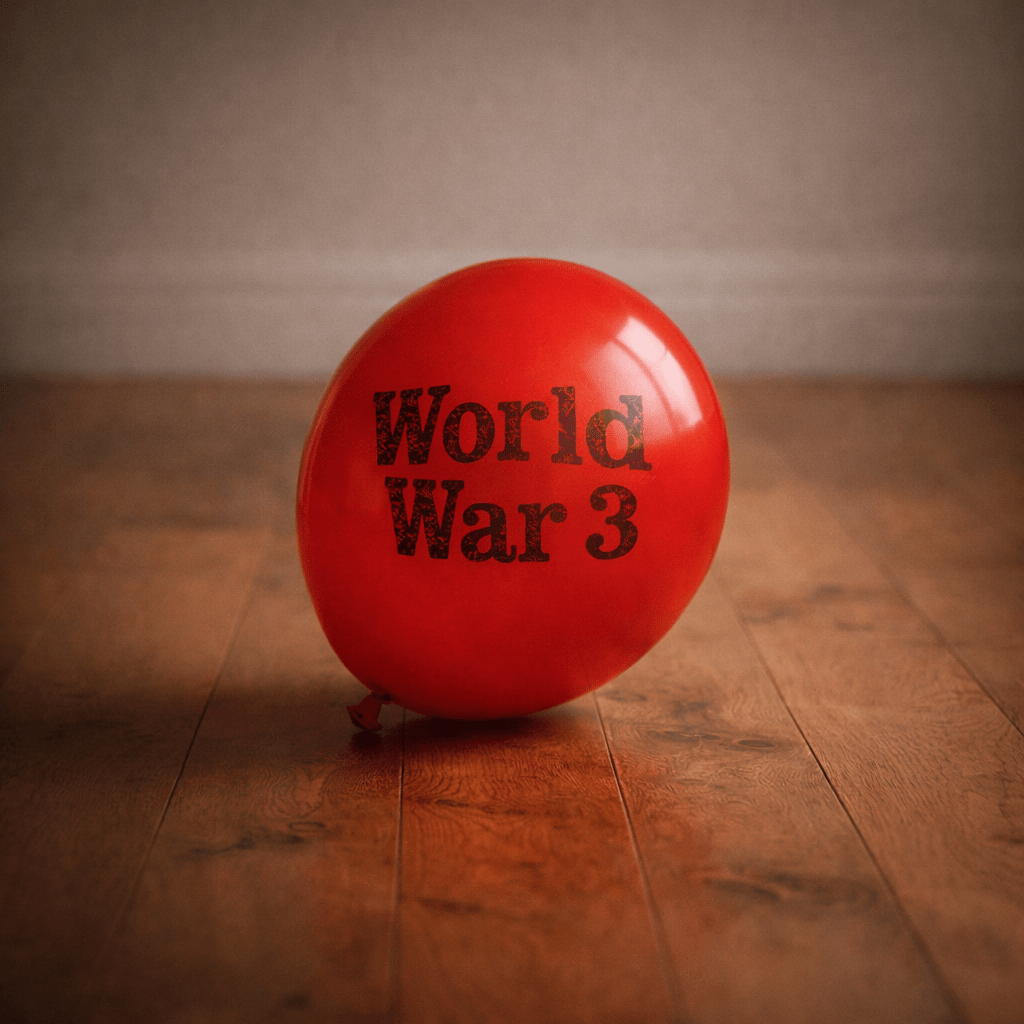
Interstate war continues between Russia and Ukraine, and it does not stand alone. Armed conflict and strategic confrontation persist across multiple regions at once, including parts of the Middle East, Africa, South Asia, and the Western Pacific, where tensions involving China, Taiwan, and surrounding powers remain structurally unresolved. Beyond overt fighting, competition increasingly takes distributed […]
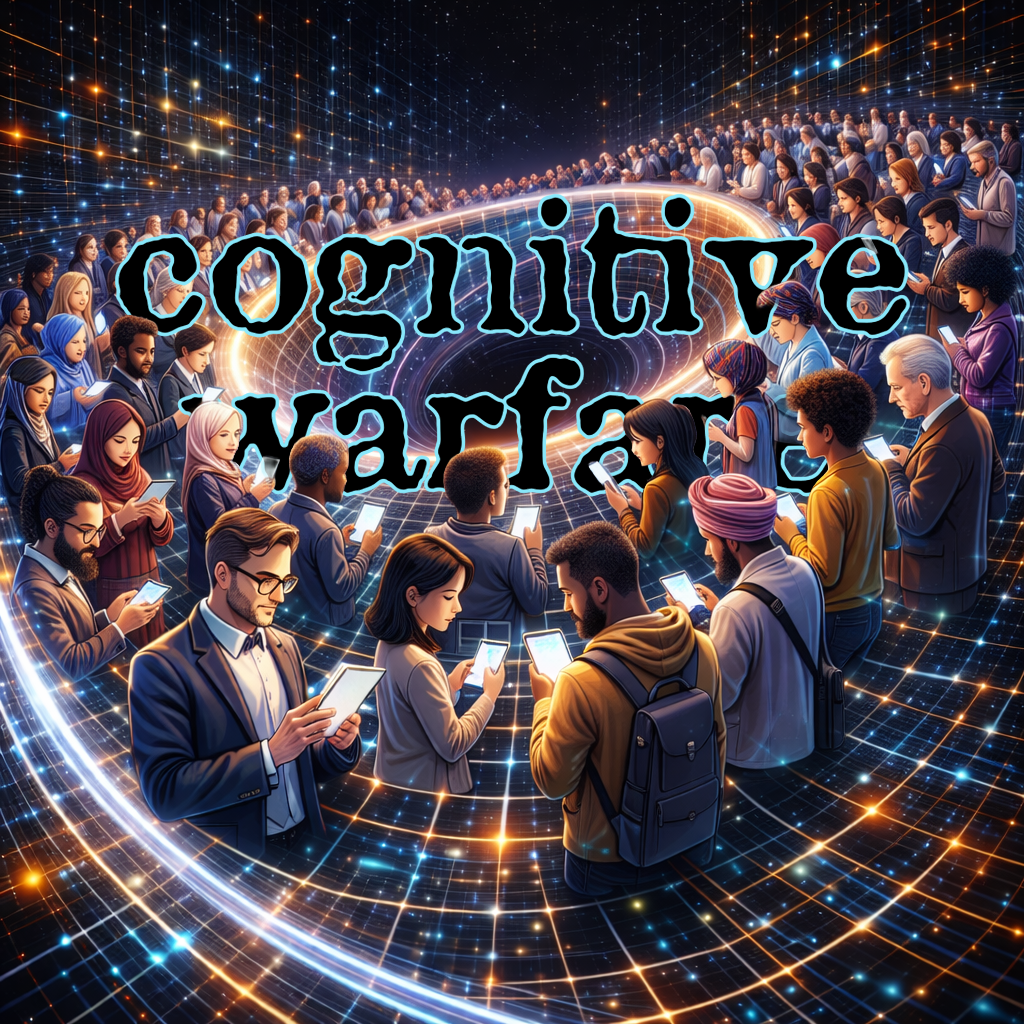
A cognitive war is not simply about what you think. It is a war over how you think, because once the structure, code, and cadence of thought, of language, of behaviour are altered, the content becomes easy to steer. Some of these biases are ancient, natural, even necessary: shortcuts of perception, habits of inferential prediction, […]

Intelligence is becoming a liability. Not socially ornamental intelligence, not credentialed cleverness, but actual understanding. The kind that sees structure, delay, recursion, consequence. The kind that notices when a system is lying to itself. That form of intelligence generates friction. It interrupts performance. It destabilises belonging. It exposes the hidden costs that simple stories are […]
Have a WordPress.com account? Log in now.

