Conflict builds technology, technology reorganises conflict, and somewhere inside the loop every new problem becomes someone’s next investment opportunity.
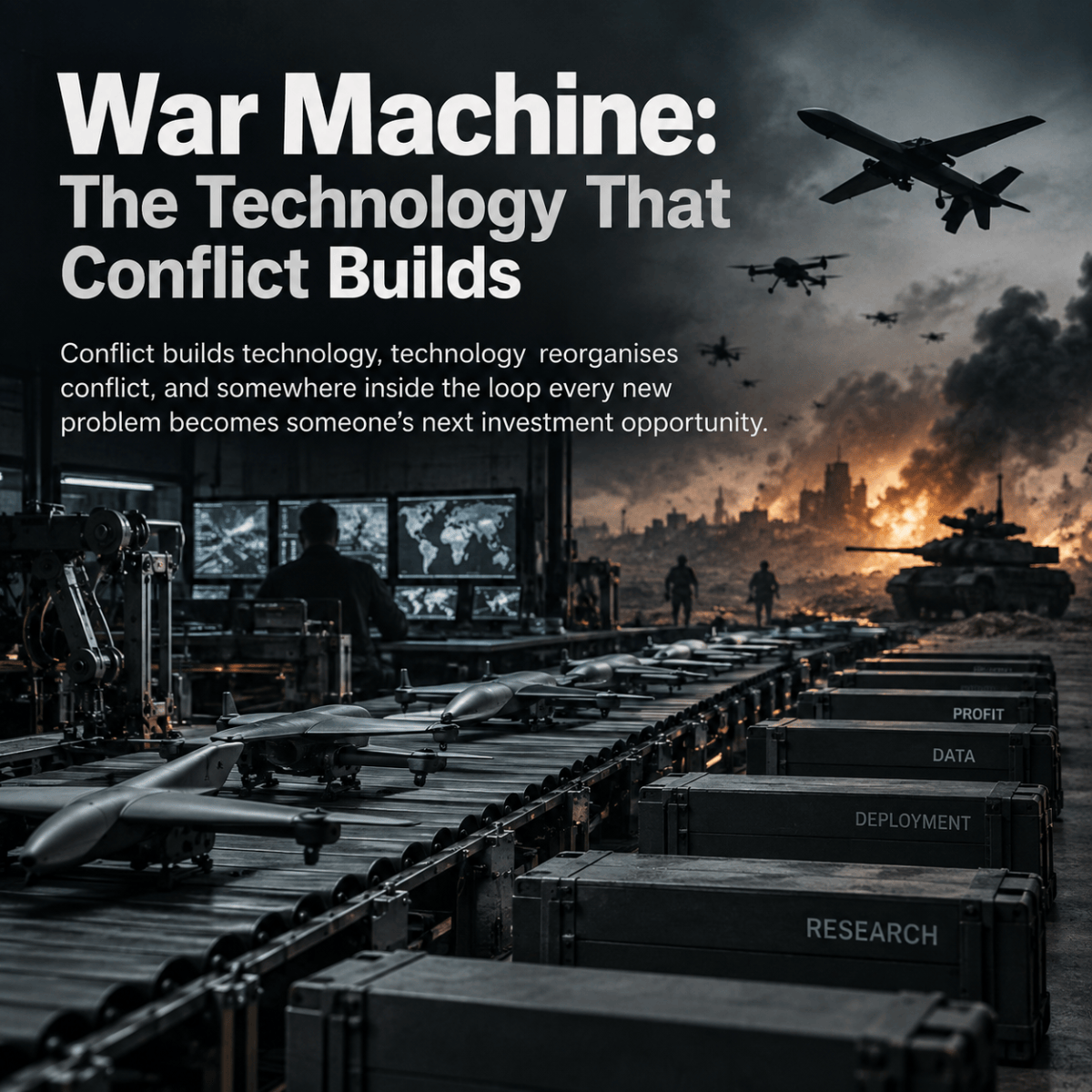
Conflict builds technology, technology reorganises conflict, and somewhere inside the loop every new problem becomes someone’s next investment opportunity.
Counter-disinformation has a structural problem: engaging a message often helps keep it alive. While this is generally unsurprising dynamical behaviour, it remains widely misunderstood.

Education stabilises knowledge long enough to transmit it, even as the machinery through which knowledge is produced and interpreted accelerates the movement of the epistemic attractor itself.
A civilisation builds systems to solve its problems, then discovers that the systems have become the problems, while its dependence upon them has made their continuity deeply problematic.
Institutions study the world remarkably well. The harder problem is that the world they are studying is also inside the building, and there is no position outside the system from which that entanglement simply disappears.

The current US President destabilised one of the most tightly coupled junctions on Earth, then seemed surprised when the consequences spread. The deeper problem is that political, ideological and socioeconomic systems often reproduce themselves through the disorder they create.
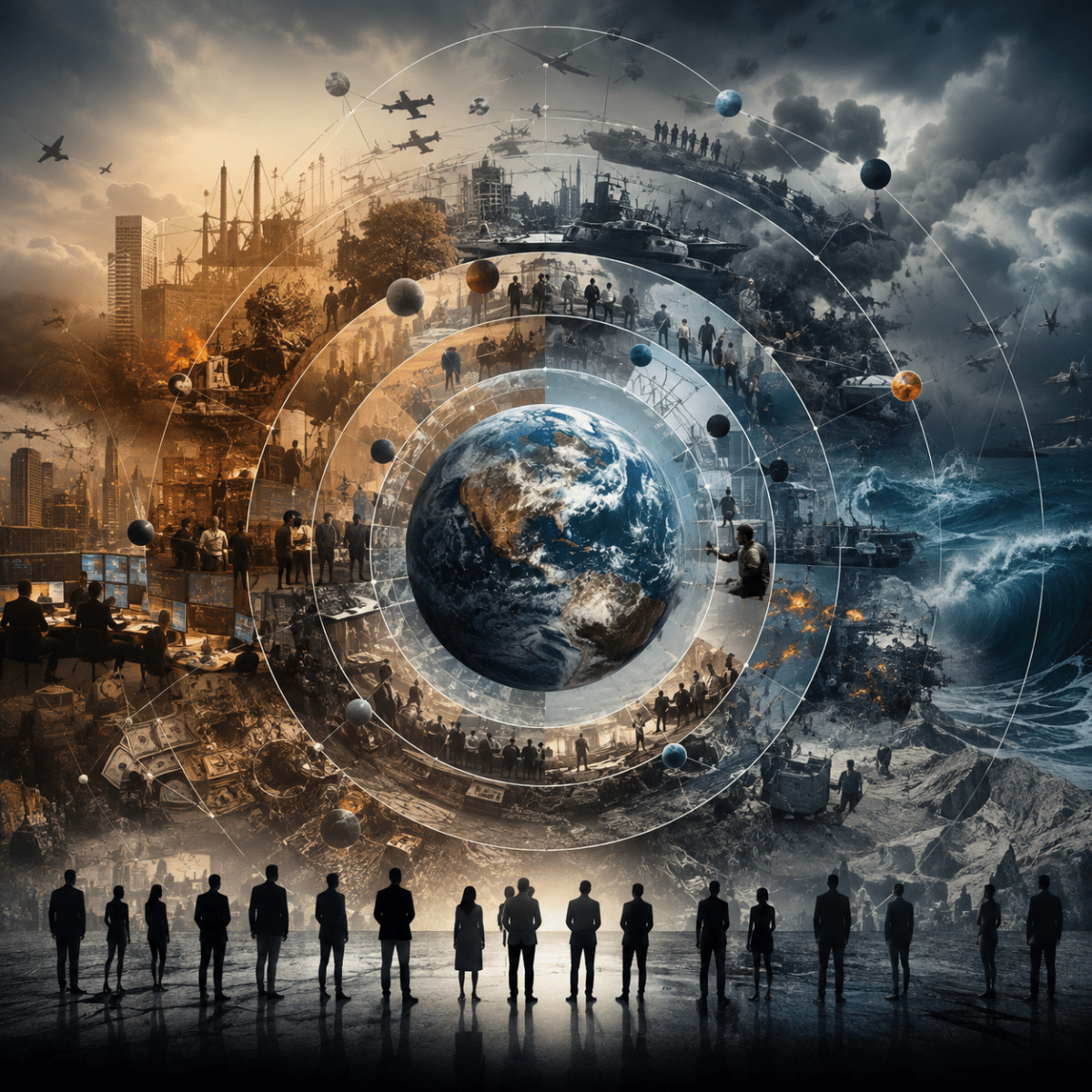
Every attempt to secure one part of the world changes the conditions of security for everyone else. Endlessly.

We keep telling the same stories in different ways. The faces, crises and characters change. The same tribal pattern keeps finding new forms.

The manosphere promises strength and control, yet its communities, platforms and markets are structurally and commercially dependent on reproducing the insecurities they claim to resolve.
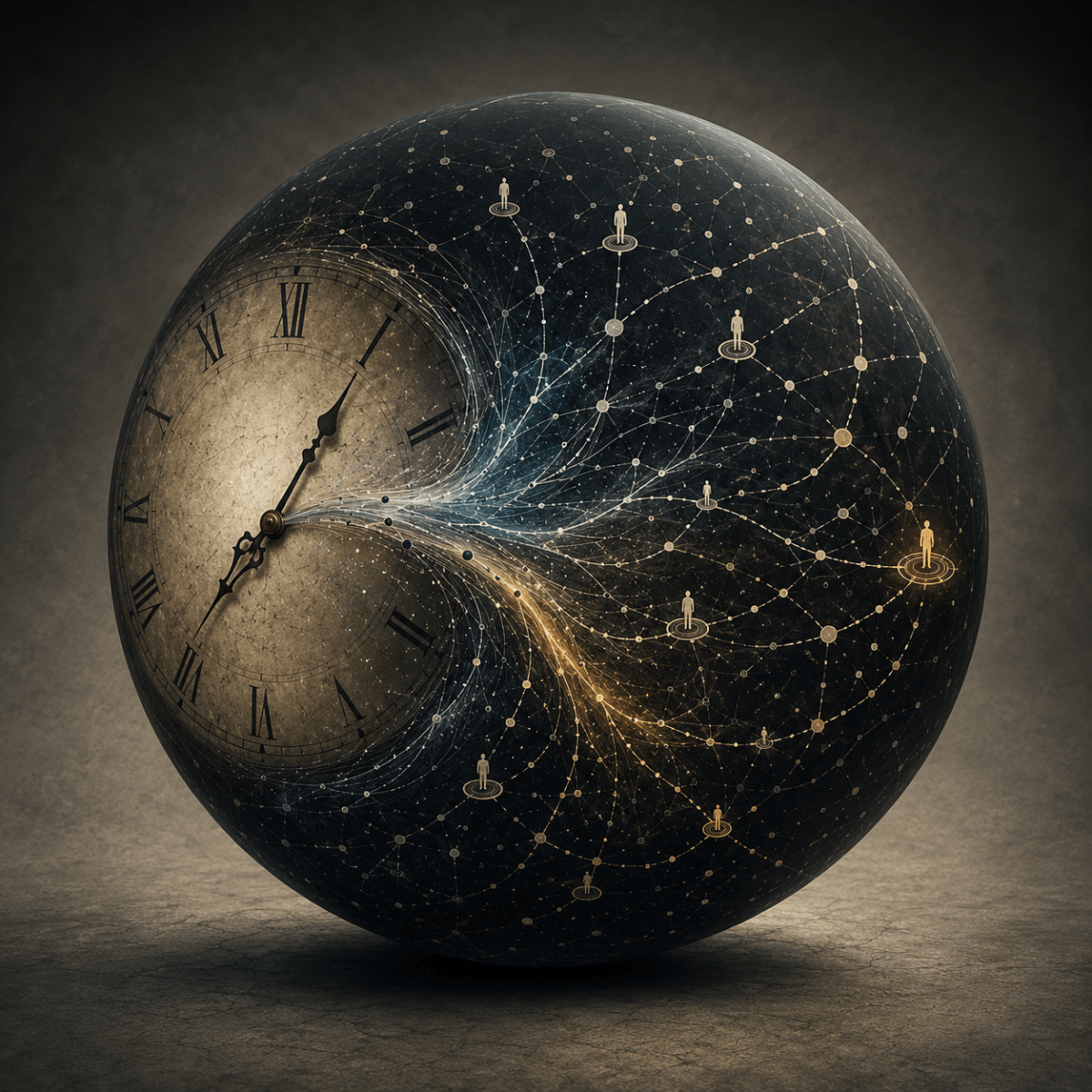
Ideology is what happens when a way of seeing the world becomes part of the world itself, shaping not only what we believe, but what becomes easier to believe next.
A home is not simply somewhere a person lives. It is somewhere from which a life can continue.
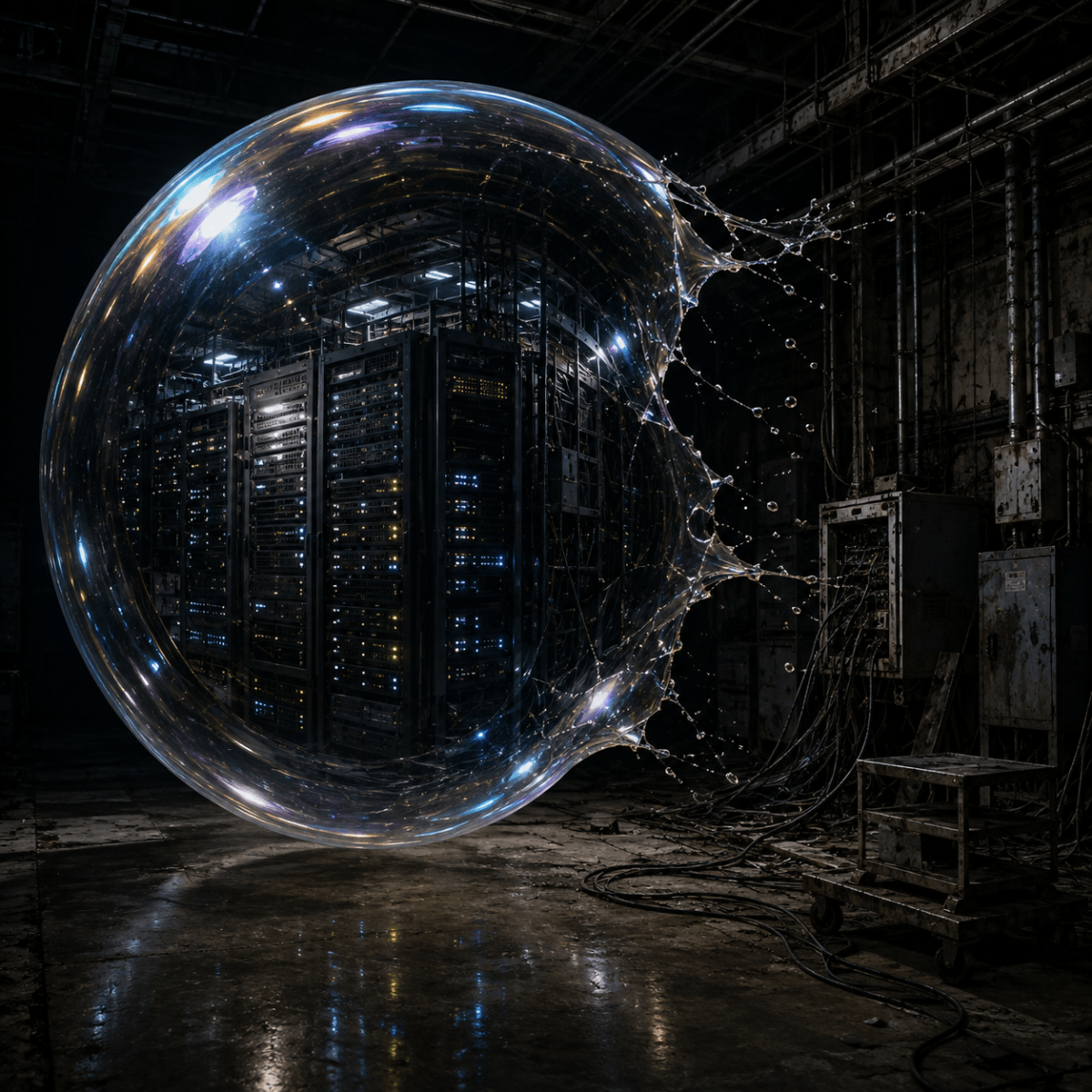
AI is building the dependencies that make its own expansion increasingly necessary.
Have a WordPress.com account? Log in now.

