The present is not where possibility ends. It is where an immeasurably larger field of possible futures acquires one local history.

The present is not where possibility ends. It is where an immeasurably larger field of possible futures acquires one local history.

Everyone knows a dickhead. The interesting question is why the conditions that generate them do so, enduringly, and with such uncanny frequency.

A nation cannot be unified by dividing a people against themselves. The danger begins when that contradiction becomes a political method.

Technocratic complexity and populist caricature are parts of the same feedback loop. Each produces the conditions that sustain the other.
Disinformation does not persist because individual false claims survive. It persists because the communicative relations that make those claims meaningful continue to reproduce themselves.
00-DD

Civilisations persist by continually reorganising themselves. The unanswered question is whether conflict, crisis and systemic collapse/renewal remain the principal means through which that persistence is achieved.
The technological system cannot perceive its full costs because that blindness is one of the conditions of its success.

We are passing a turning point at which the value of human cleverness becomes actively obscured and wilfully excluded by technocratic over-reach.
Communication persists not by preserving messages, but because each exchange reshapes the system that makes further exchange possible.
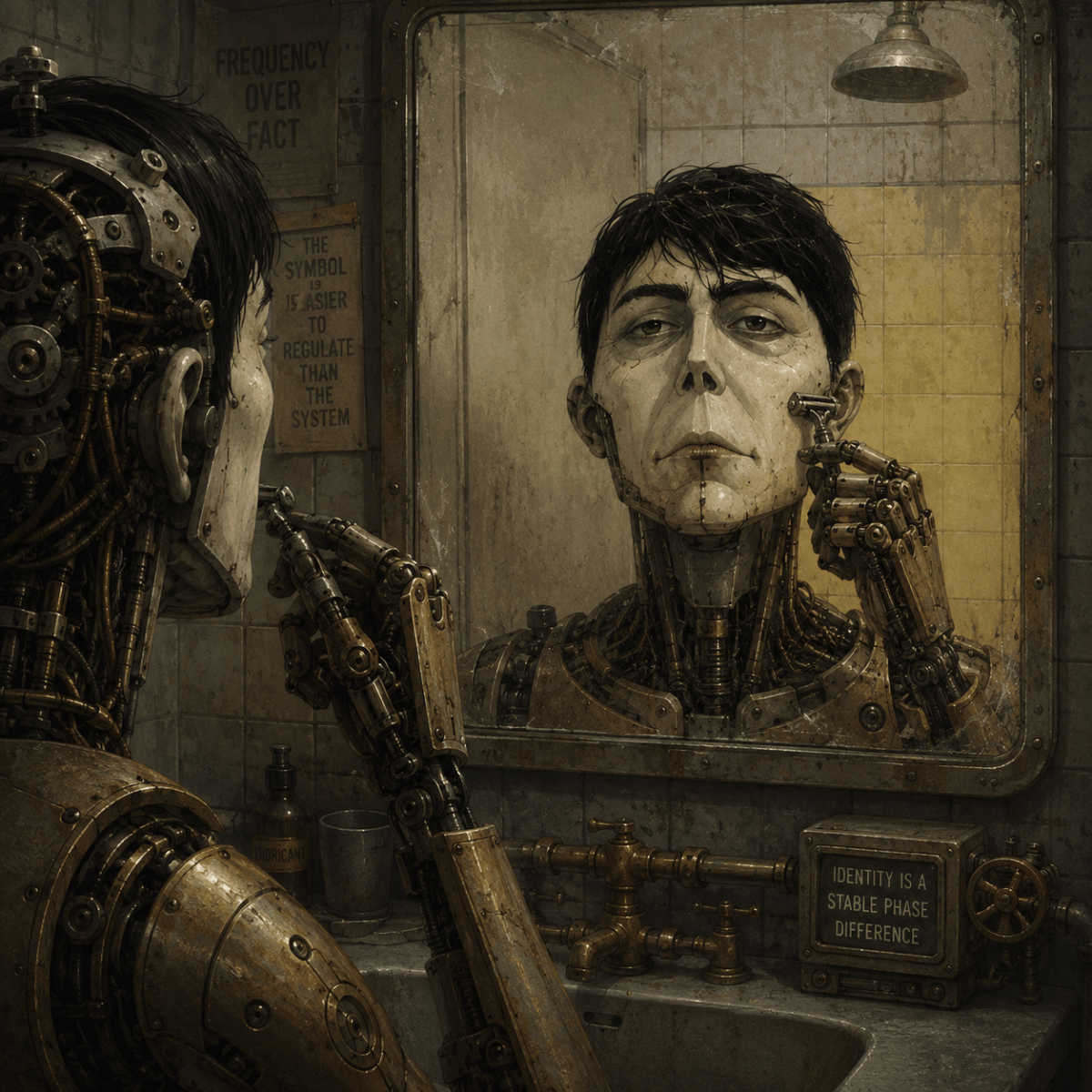
Much of what capitalism conditions us to fear in communism is what concentrated capitalism already does: centralise power, narrow freedom, restrict opportunity and preserve poverty as structural necessity.

The greatest trick concentrated capitalism ever pulled was convincing the world that its own most destructive tendencies belonged exclusively to communism.
Have a WordPress.com account? Log in now.

