Reality cannot be complete: absence, difference and delay sustain the recursive probabilistic dynamics through which (self-) organisation persists.

Reality cannot be complete: absence, difference and delay sustain the recursive probabilistic dynamics through which (self-) organisation persists.
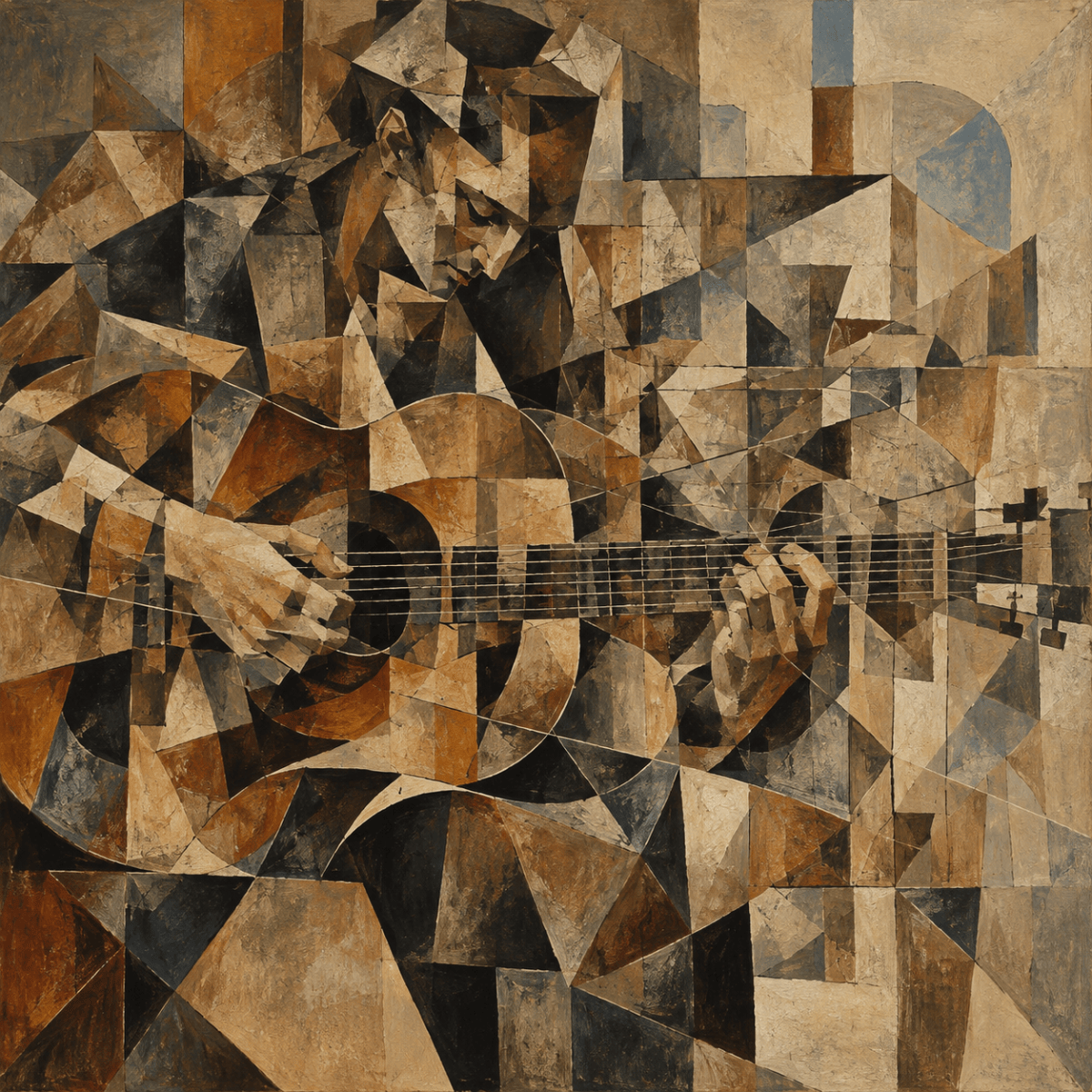
We do not simply hear songs, speech and culture. Their repetition teaches us how to hear what comes next, while every new encounter quietly changes the pattern that taught us.

Peace is not merely difficult. We have built institutions, identities, economies and languages whose coherence depends upon the persistence of conflict.
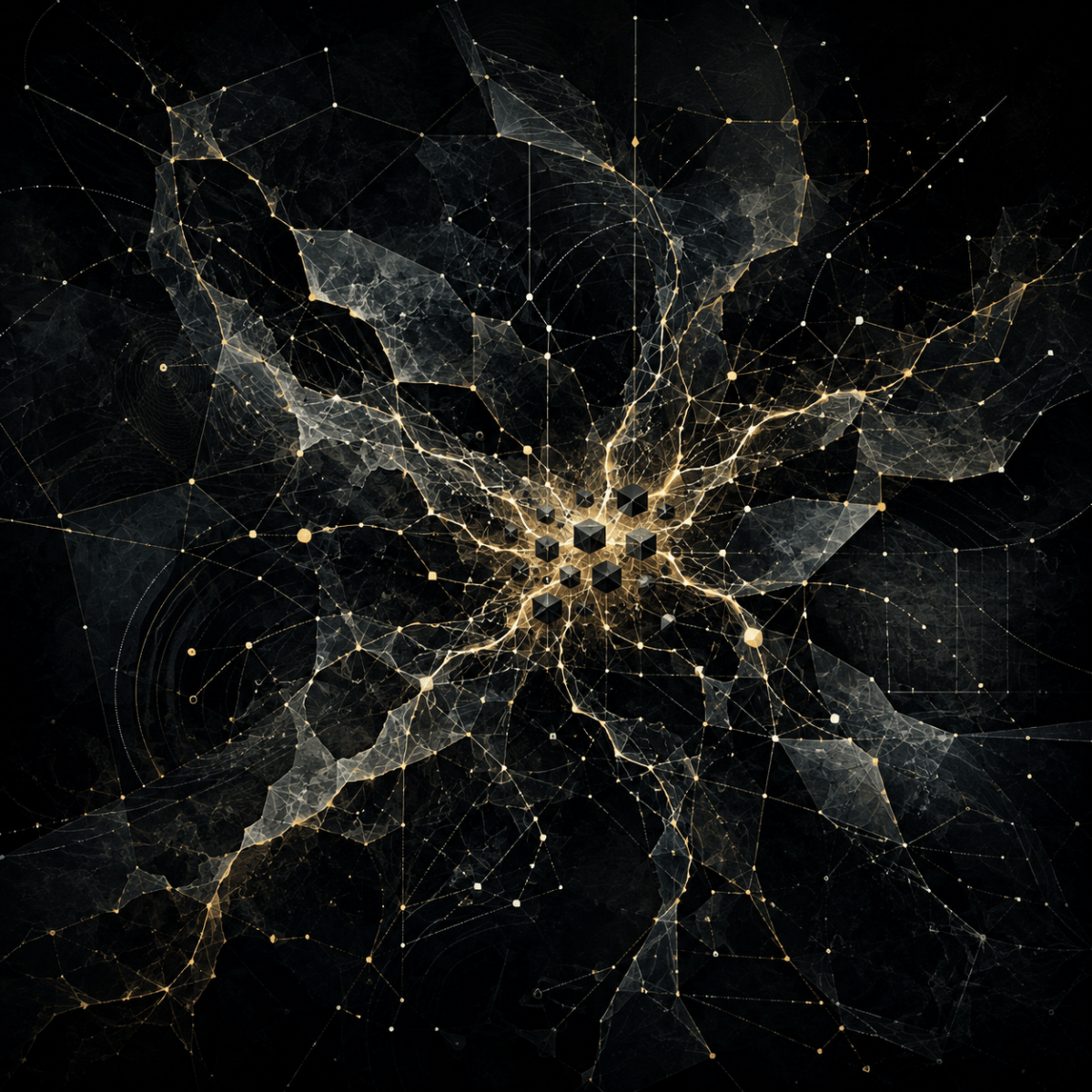
Disinformation does not persist because individual false claims survive. It persists because the communicative relations that make those claims meaningful continue to reproduce themselves.

The greatest trick concentrated capitalism ever pulled was convincing the world that its own most destructive tendencies belonged exclusively to communism.

Absence is not a flaw in the structure. Absence is the engine.

What persists is neither order nor entropy, but the organised difference through which each continually transforms the conditions of the other.
Applied Field Logic functions as a general analytical framework through which organisational regularities become comparable across otherwise unrelated domains. Advanced cybernetics.

Civilisations do not simply make choices. They fall into rhythms — and the future may depend on learning how to change the music.
Applied Field Logic proposes that persistence is not found in things, but in maintained relationships. This paper develops the mathematical foundations of that claim.
The aim of Applied Field Logic is to provide a common mathematical language for describing (ie systemic) patterns of organised persistence.

We require forms of language capable of representing continuity without losing the ability to act locally within it, models capable of preserving the relationship between part and whole without reducing one to the other.

