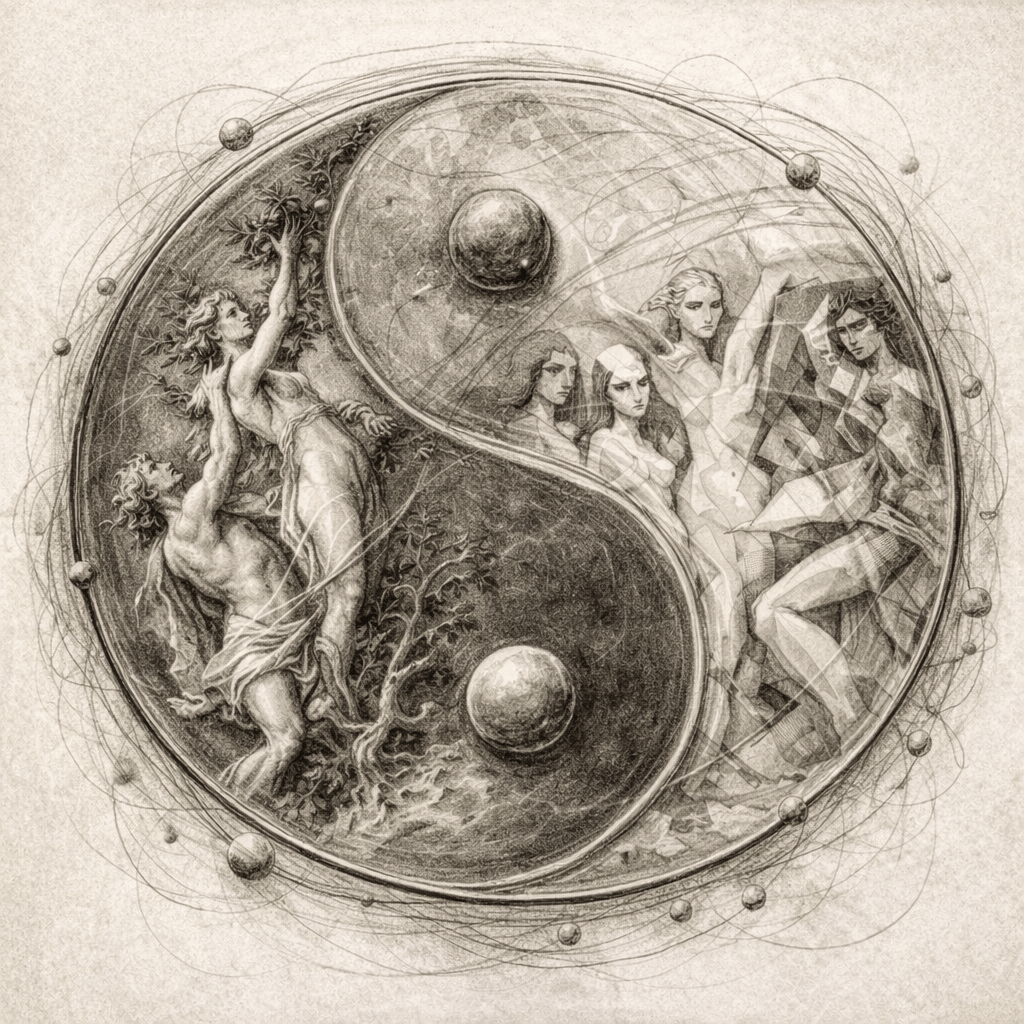
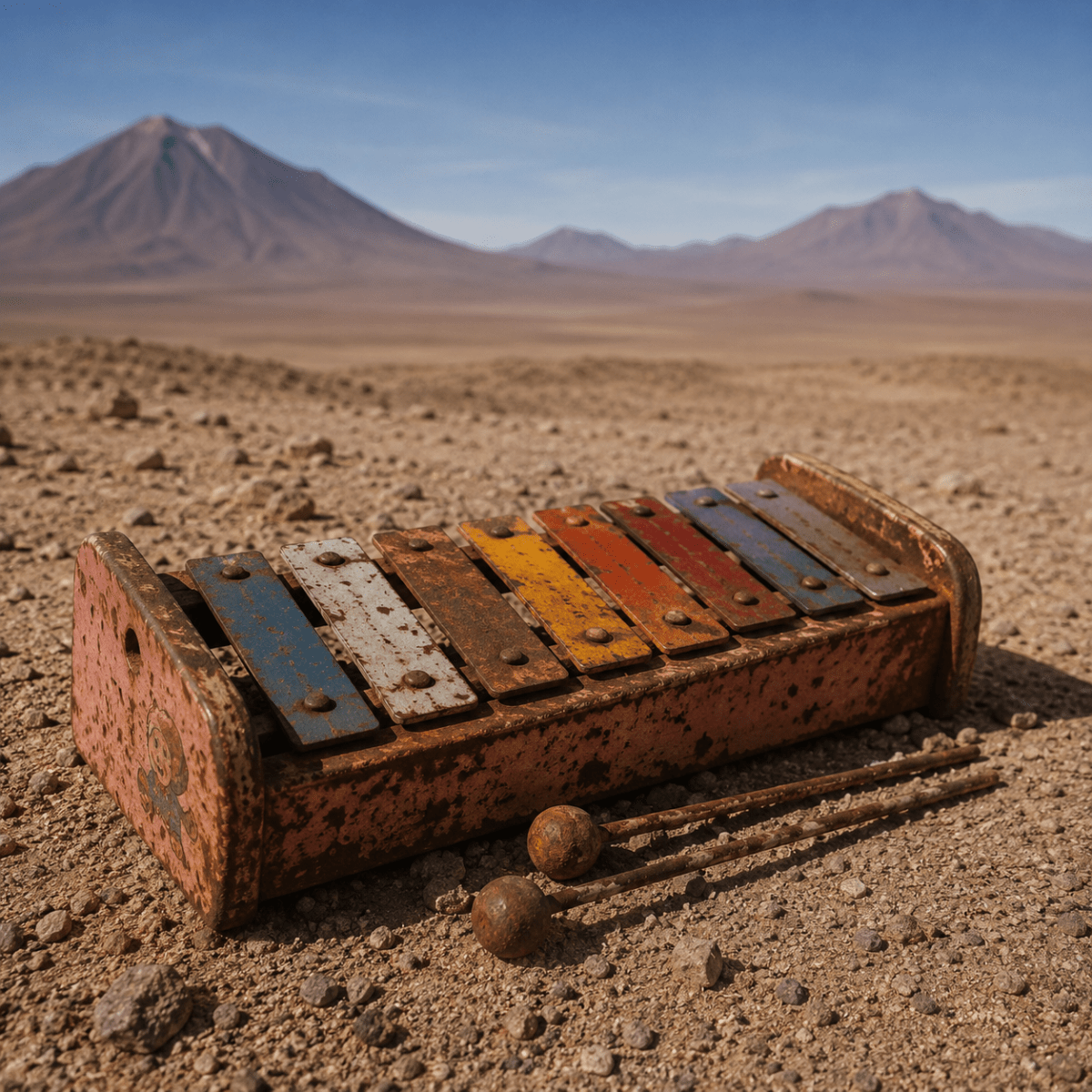
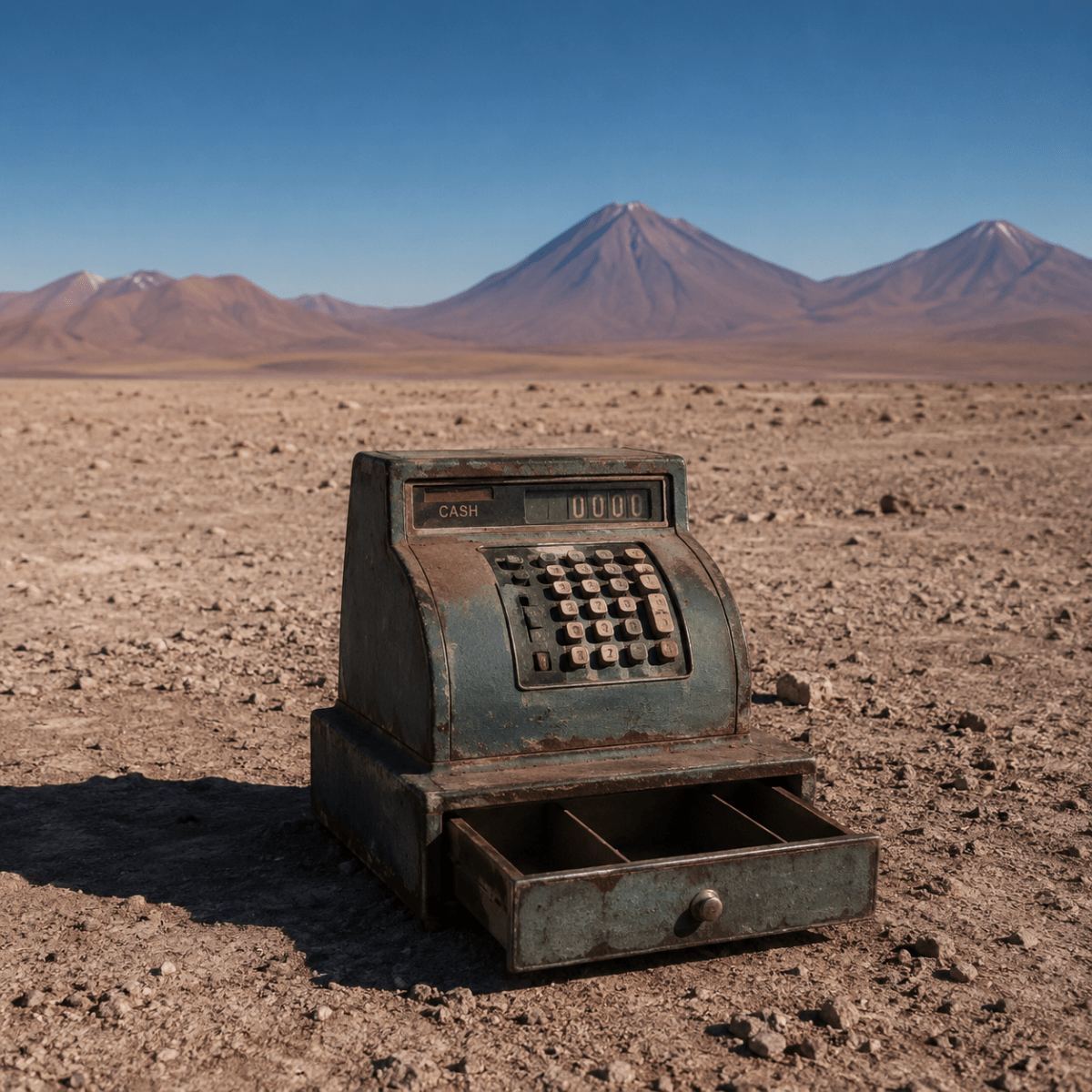
Still here. Still thinking. Still refusing to disappear.
Categories
indefatigably yours
- Post author By G
- Post date Jun 28, 2026
- No Comments on indefatigably yours

- Tags adversidad, adversidade, agotamiento, Ausdauer, レジリエンス, Überleben, écriture, épreuve, épuisement, Beharrlichkeit, civilisation, civilização, civilización, civiltà, 生存, 疲弊, 疲惫, 真理, 真実, 知性, 粘り強さ, défi, defiance, desafío, difficoltà, выживание, выносливость, интеллект, истощение, неизменно ваш, неповиновение, никто не слушал, одиночество, отказ, письмо, правда, Einsamkeit, endurance, Entbehrung, Erschöpfung, esaurimento, escrita, escritura, exaustão, exhaustion, 耐力, 苦難, 韧性, 见证, 証人, 誰も耳を傾けなかった, filosofía, hardship, incansavelmente seu, indefatigably yours, indefectiblemente tuyo, infatigablement vôtre, instancabilmente vostro, inteligencia, intelligence, Intelligenz, intelligenza, nadie escuchó, negativa, nessuno ha ascoltato, niemand hörte zu, ninguém ouviu, no one listened, свидетельство, стойкость, трудности, упорство, философия, цивилизация, perseveranza, persistance, persistence, persistencia, personne n'a écouté, philosophie, Philosophy, recusa, refus, refusal, resilience, resiliencia, Resilienz, Resilienza, resistencia, resistenza, rifiuto, Schreiben, scrittura, sfida, sobrevivência, soledad, solidão, solitude, solitudine, sopravvivenza, supervivencia, survie, survival, témoignage, testemunho, testimonianza, testimonio, Trotz, truth, unermüdlich der Ihre, vérité, verdad, verdade, verità, Wahrheit, Weigerung, witness, writing, Zeugnis, Zivilisation, 写作, 反抗, 哲学, 困境, 坚持, 執筆, 孤独, 忍耐, 拒絶, 拒绝, 文明, 智慧, 永远是你的, 没有人倾听, 不屈のあなたへ, الثبات، المرونة، الشهادة، الحقيقة، الصمود، الإرهاق، التحدي، المشقة، البقاء، الذكاء، العزلة، الرفض، الكتابة