Psychological maturity does not replace immaturity. It incorporates it, organises it, and learns how to live through it.

Psychological maturity does not replace immaturity. It incorporates it, organises it, and learns how to live through it.

Symbolic systems presuppose an experiencing subject, yet no symbolic system fully accounts for the existence of experience itself.
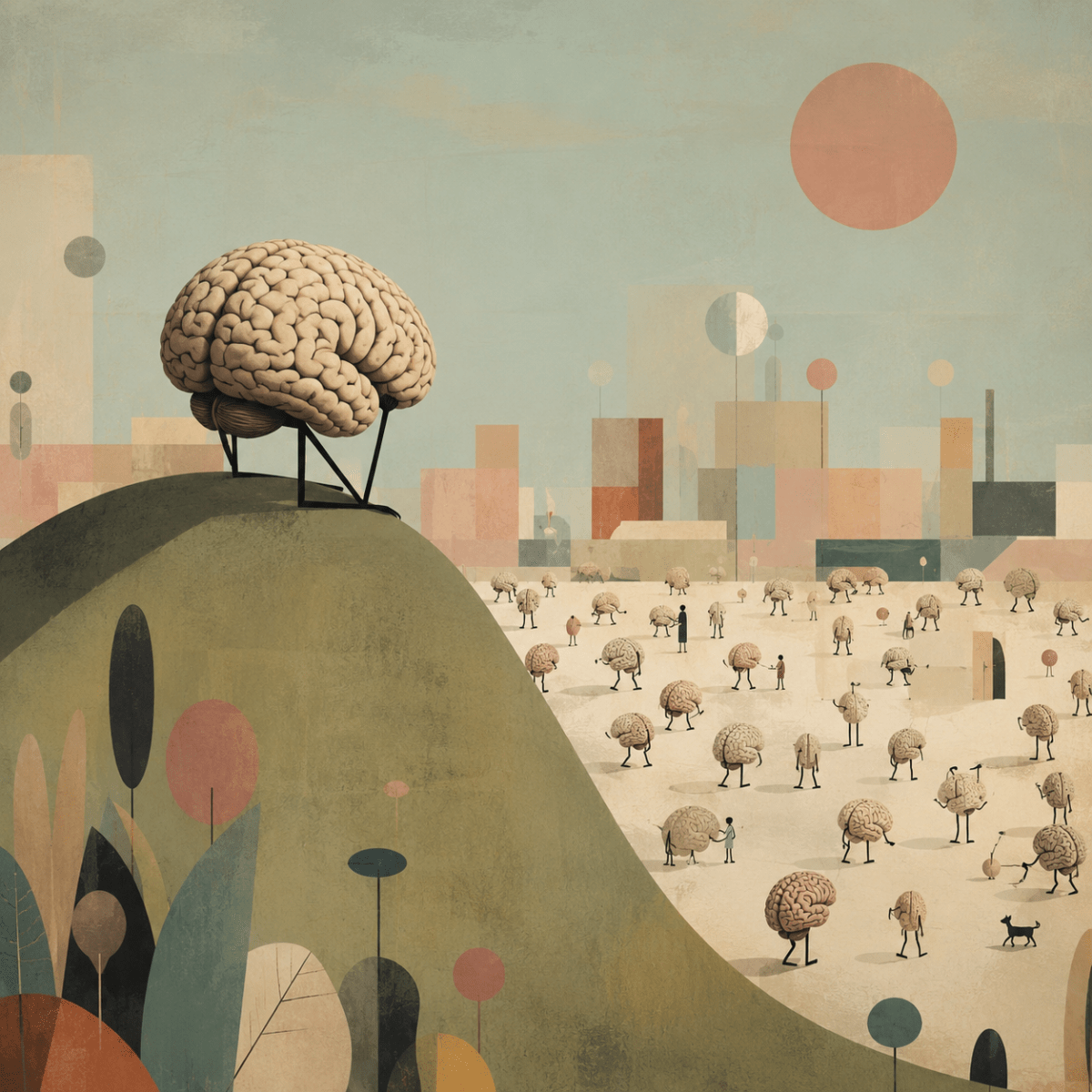
Political science inherits the person from philosophy without explaining it.

A is A. The interesting question is how it keeps getting away with it.

Parent-adolescent conflict is not failed communication. It is a regulatory differential through which identity emerges, is negotiated, and persists.

Enlightenment begins where the search for certainty ends.
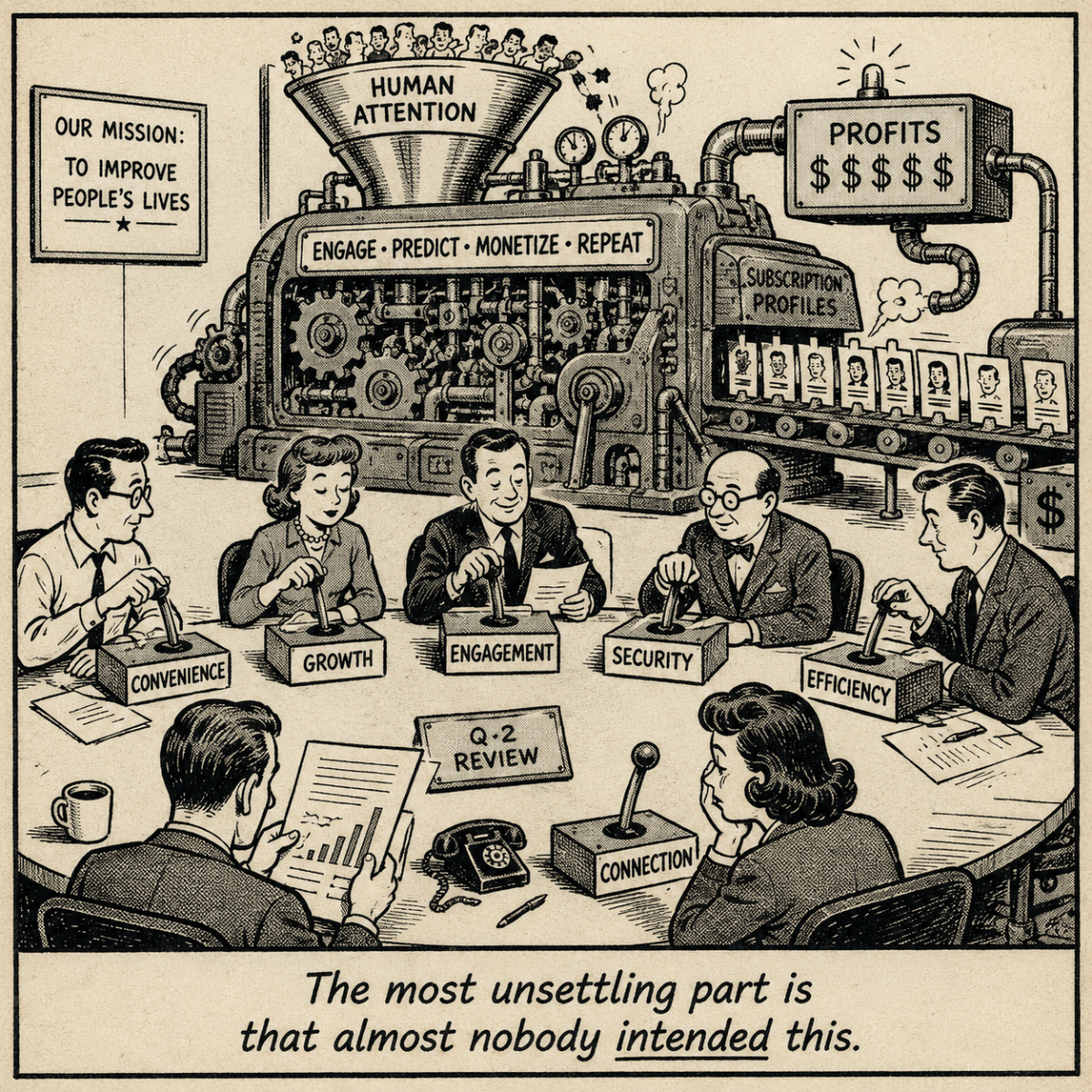
We no longer simply use technology, we now continuously rebuild ourselves and our lives into forms it can recognise, predict and sell.
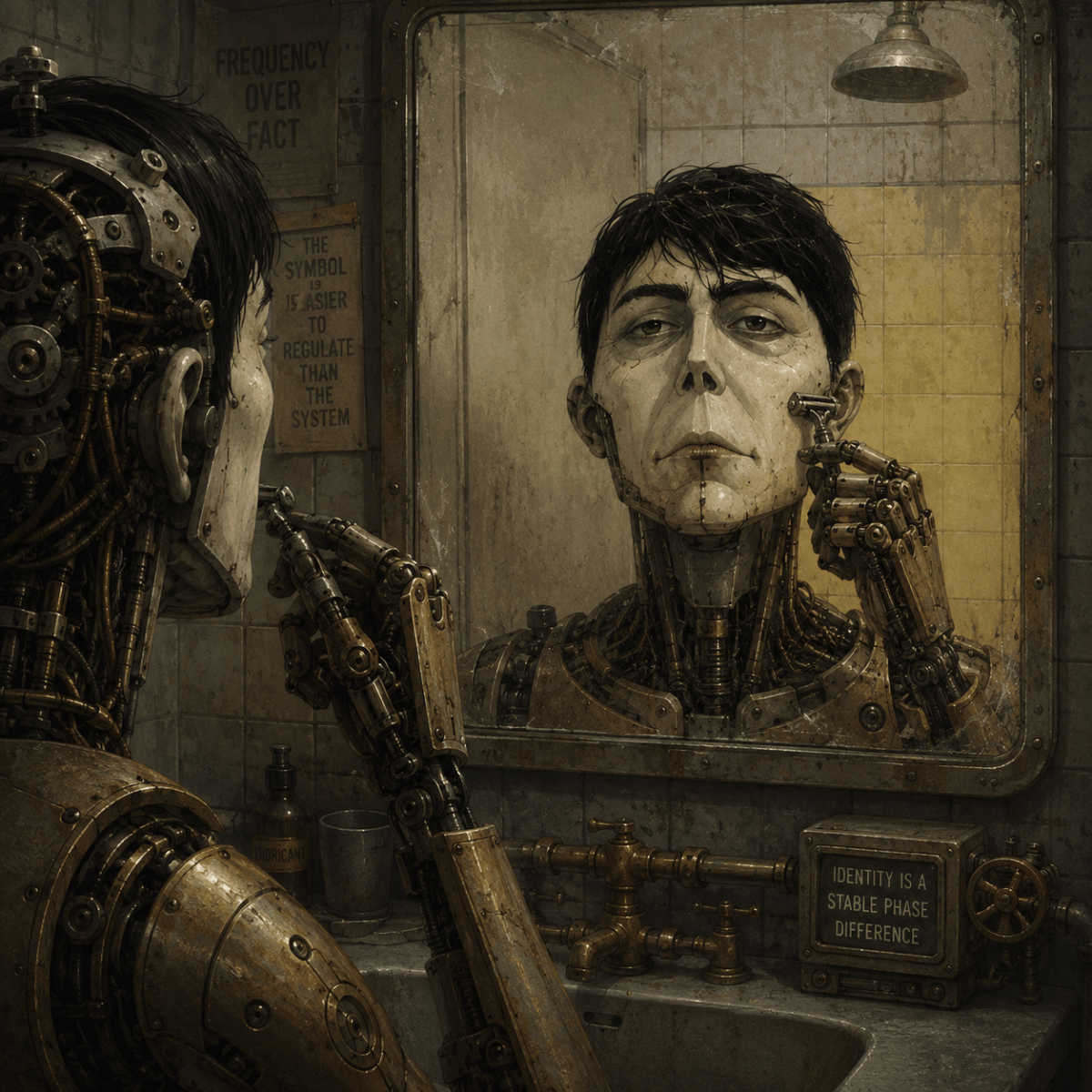
Disaffection is not giving up. It is what happens when you can no longer see yourself in the world that helped create you.

Life does not belong to things. Things belong to life. Consciousness, relation, memory, recurrence, and form are not exceptions within reality. They are what reality does.
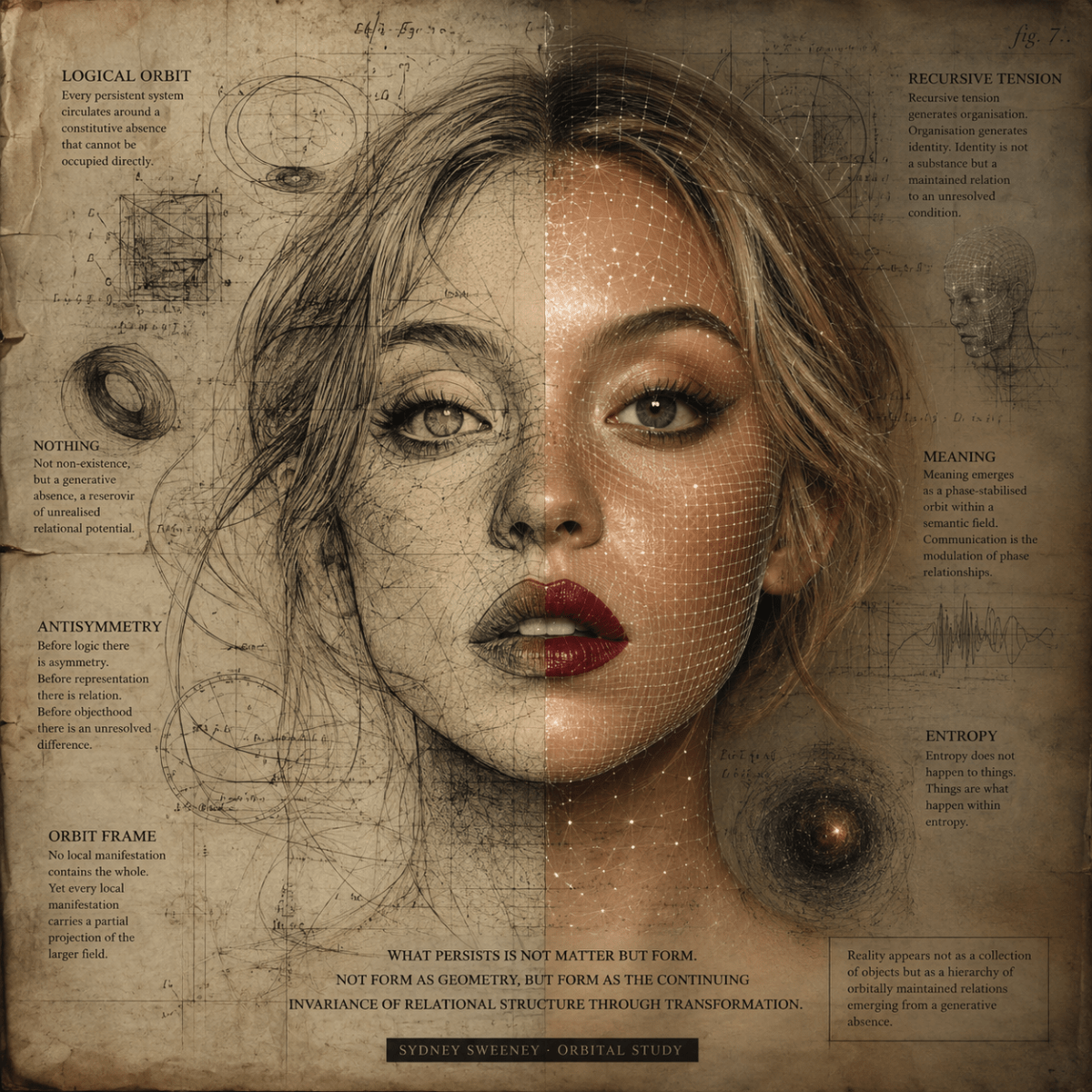
Reality is not made of things. Things are what appear when deeper patterns of relation become temporarily stable.
Science has not stopped discovering reality. We have become less capable of surviving what those discoveries imply about ourselves.
Disinformation is not the opposite of information, but one of the ways communication organises uncertainty into meaning. Its deeper structure belongs less to politics than to the philosophical problem of how truth, coherence, and identity emerge at all.

