No finite system of distinctions exhausts the relational continuity from which those distinctions arise. Reality exceeds every local logic.
Categories
stop making sense

No finite system of distinctions exhausts the relational continuity from which those distinctions arise. Reality exceeds every local logic.

Time is not something through which relations pass. Time is the finite propagation of relation itself.

The question is whether what we currently reward actually assists the capacity of civilisation to persist, adapt, repair itself, and create meaningful futures.
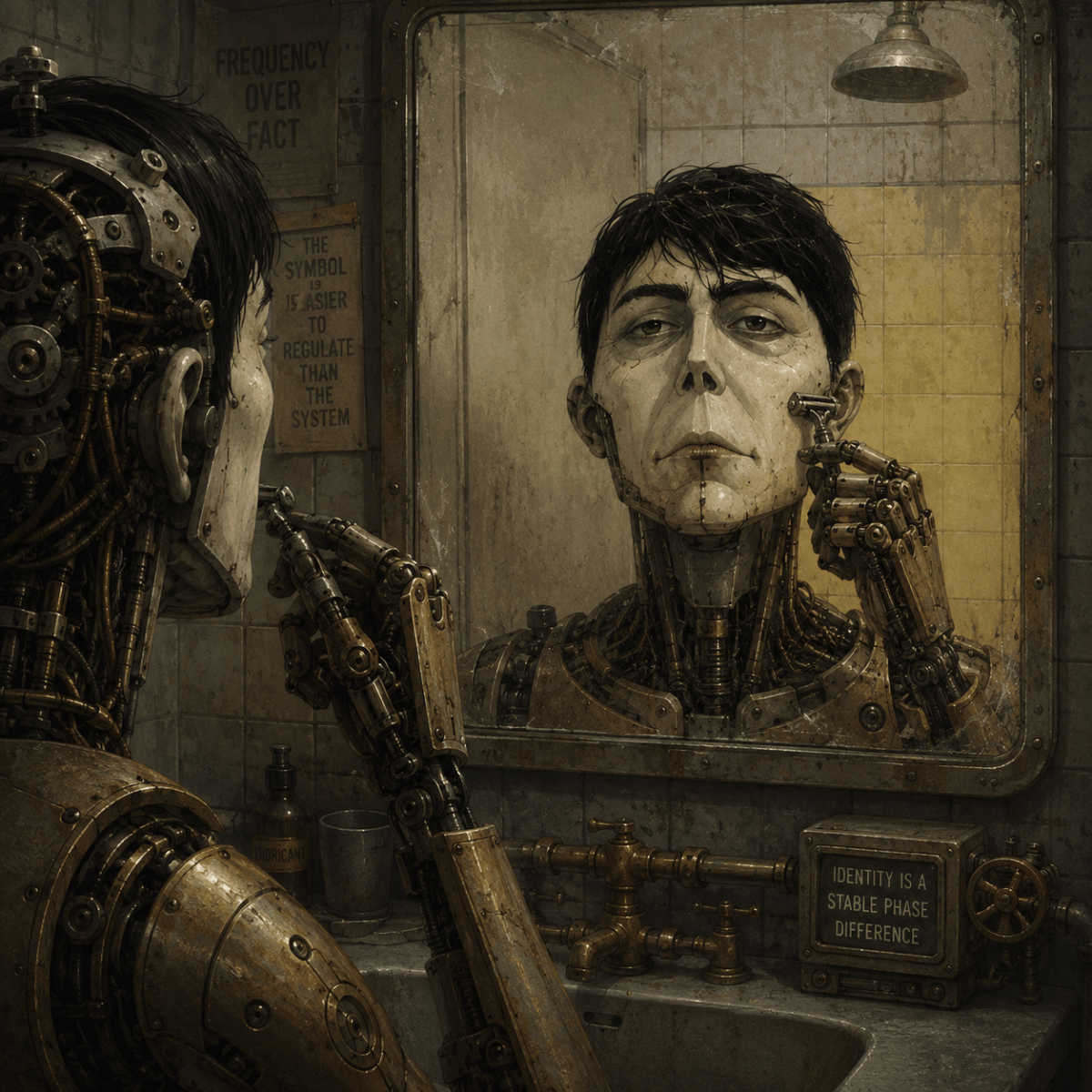
Disaffection is not giving up. It is what happens when you can no longer see yourself in the world that helped create you.
Modern political systems often reward symbolic fluency over systems literacy. The result is a governing class skilled at hierarchy, performance, and institutional ritual, but poorly equipped to understand the complex, recursive problems it claims to manage.

The technology sector is learning to metabolise its own disorder: turning instability into dependency, and dependency back into revenue.
There is no final closure. No permanent certainty. No government that fixes everything forever. There are only systems that adapt well and systems that adapt badly.
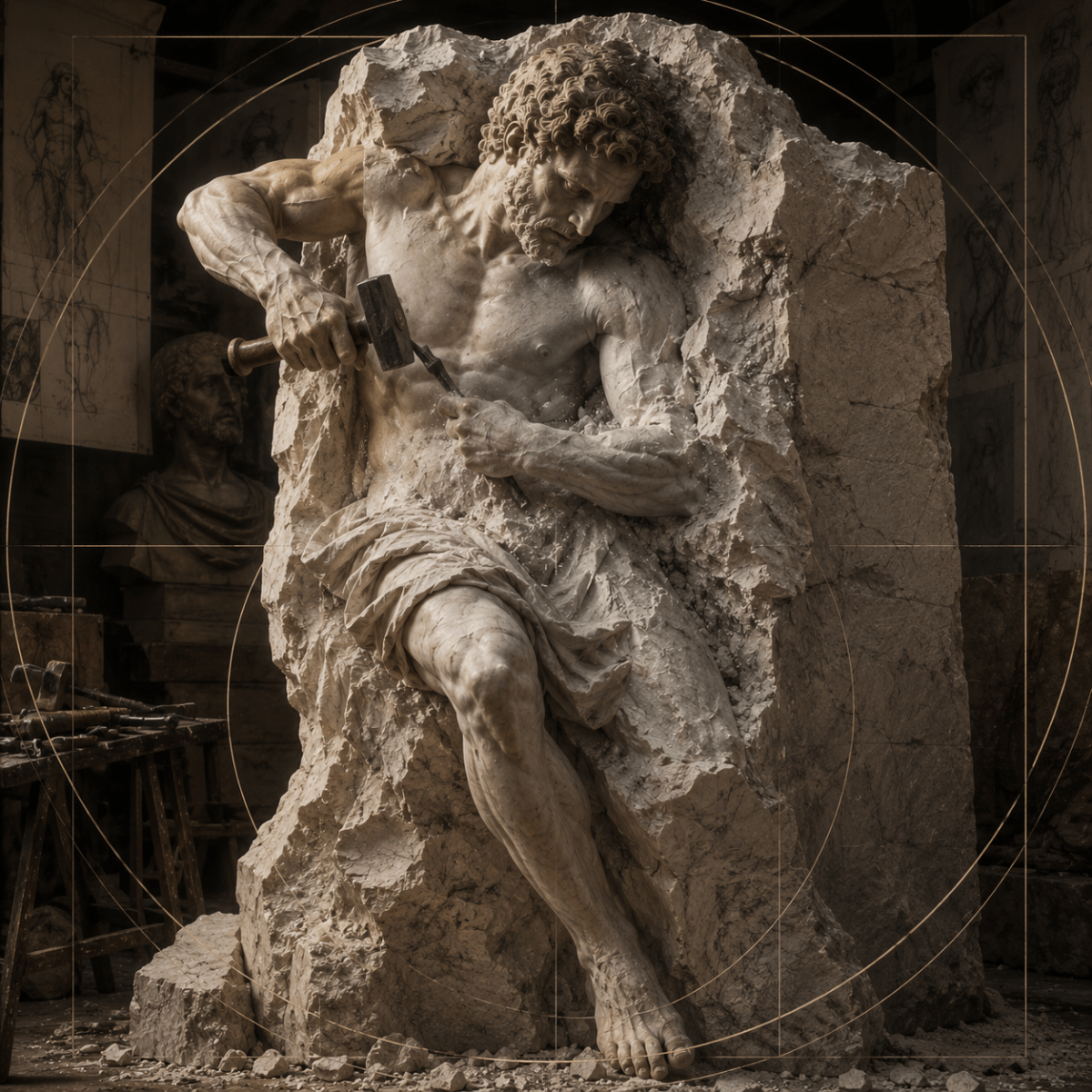
Corruption is not what happens when a healthy system breaks; it is what emerges when enough incentives, privileges, dependencies, and concentrations of power quietly align, turning private advantage into public infrastructure.

This is not about asking a model to generate ideas for you. It is about placing your own thinking into a responsive medium so it can be worked. You bring partial arguments, intuitions, constraints, and unresolved tensions. The model reflects them back through selective amplification: adjacent phrasings, shifts in emphasis, alternative structures. That amplification makes […]
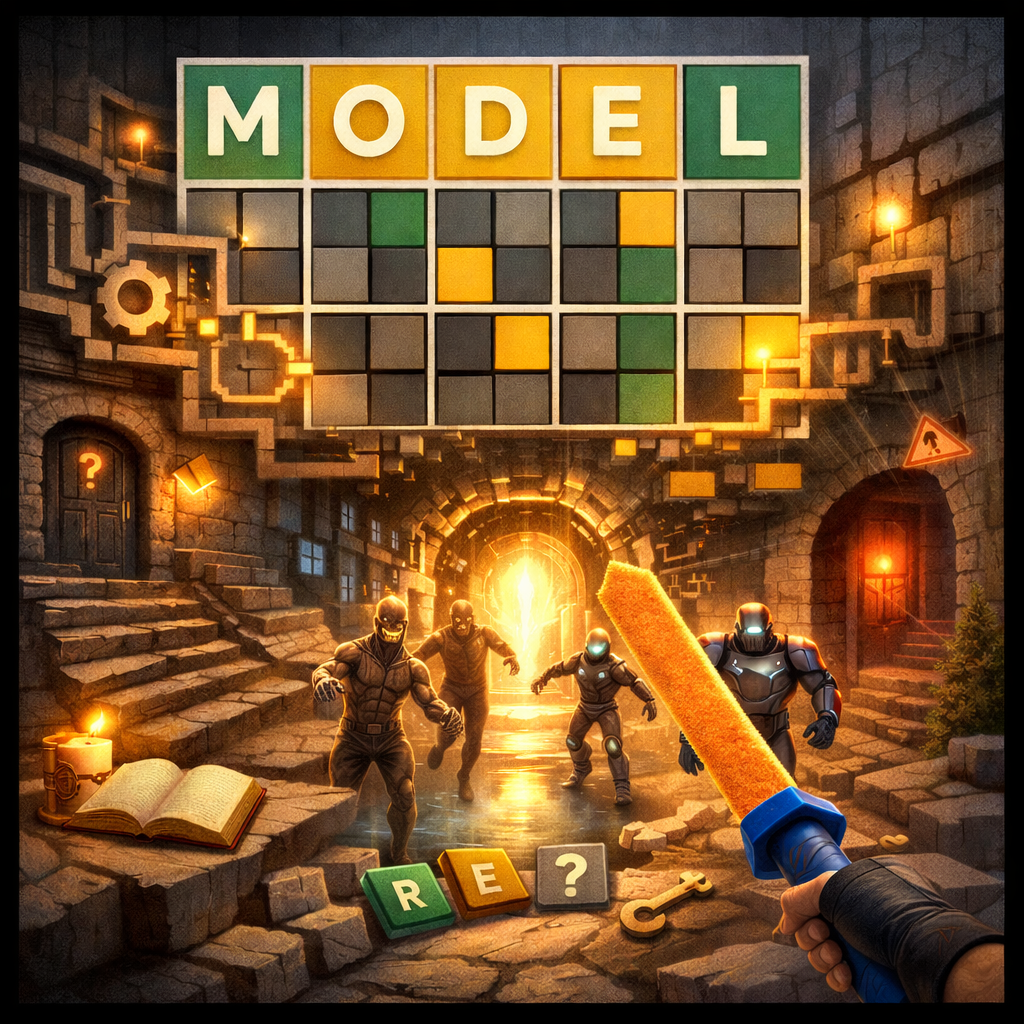
The rise of large language models has revived old questions about intelligence, utility, and personhood, but under altered conditions. From early ideas like the Turing test onward, personhood has been framed less as inner depth than as sufficient performance. What feels newly consequential is that systems designed to model, explain, and assist human experience increasingly […]

Symmetry, anti-symmetry, and the orbit of desire If art has any enduring value, it lies in the way it makes structure visible. Bernini’s Apollo and Daphne does not just illustrate a myth. It renders a relational geometry: two frames locked in a shared field, unable to close without erasing themselves. The sculpture holds a single […]

Anarchy is usually flattened into a cartoon of riots and broken windows, a synonym for chaos or nihilism. In fact, it comes from the Greek ἀναρχία (anarkhia), meaning “without a ruling principle” or “without a sovereign head,” pointing less to disorder than to the absence of imposed hierarchy. Political economy distorts this by treating central […]
Have a WordPress.com account? Log in now.

