AI citation failures reveal something larger than a technical flaw: a civilisation increasingly efficient at reproducing knowledge while losing track of how it became known.

AI citation failures reveal something larger than a technical flaw: a civilisation increasingly efficient at reproducing knowledge while losing track of how it became known.

Our existential crisis lies in this entanglement: the relations through which we could create different, better, futures keep being recruited into the continuation of the arrangements that restrict them.

The question is no longer whether writers use generative technology. It is what remains of the writer after the technology becomes indispensable.

We are building extraordinarily intelligent machines to solve a problem whose governing assumptions remain remarkably primitive.

We are building a world that needs to know more and more about us, just as being unknown becomes increasingly valuable.

How lawfare converts institutional status and financial power into pressure that silences criticism and makes public disagreement prohibitively expensive.
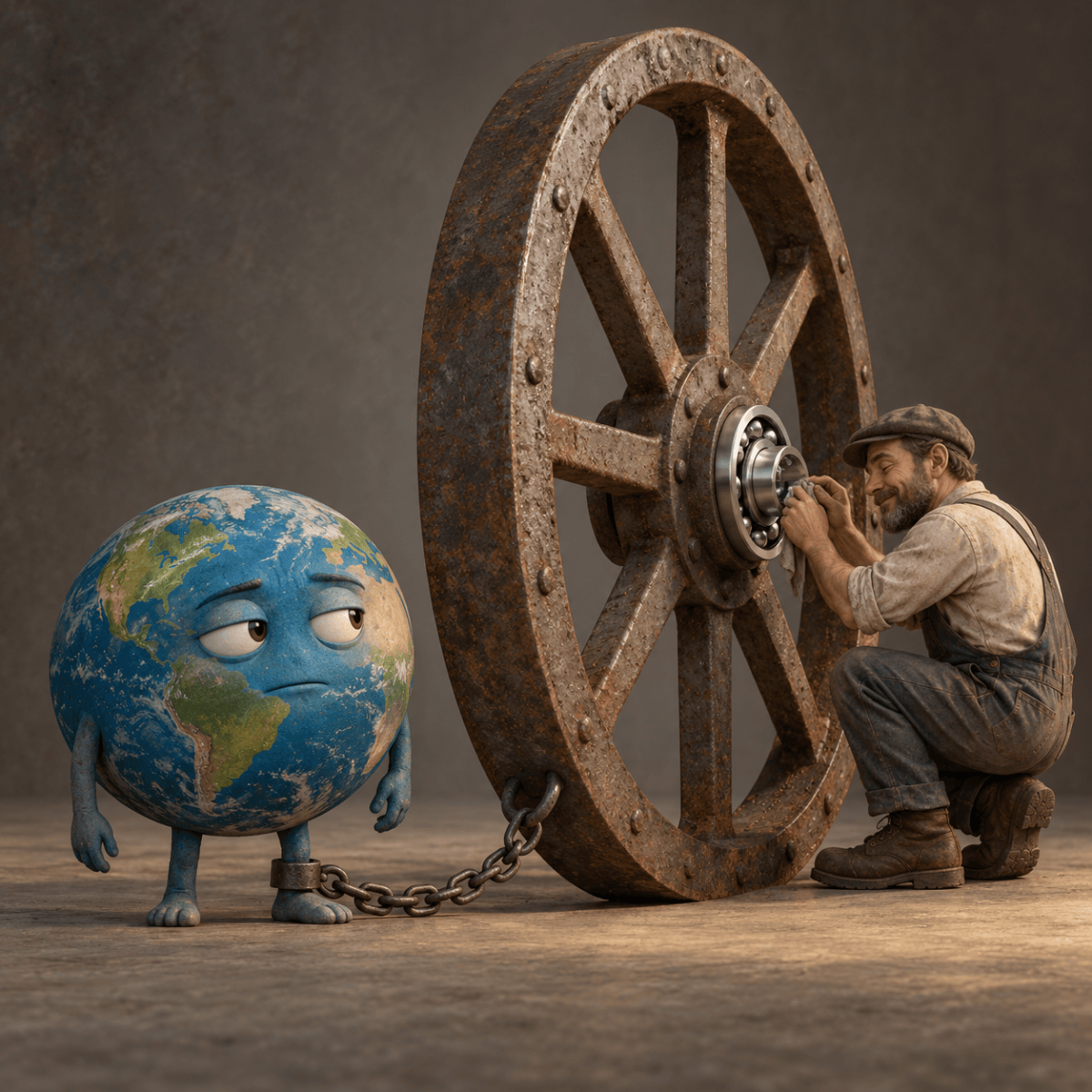
The question is whether civilisation can preserve its capacity to continue without making recurrent destruction the principal instrument of its renewal.

The cast changes. The relations keep coming back. Popular culture makes visible how complex adaptive systems persist through transformation.

A force built to exploit asymmetry now operates inside legal and informational systems capable of generating asymmetric effects upon it.

Ask a logician an “or” question and you may get the most annoying correct answer in existence: yes.
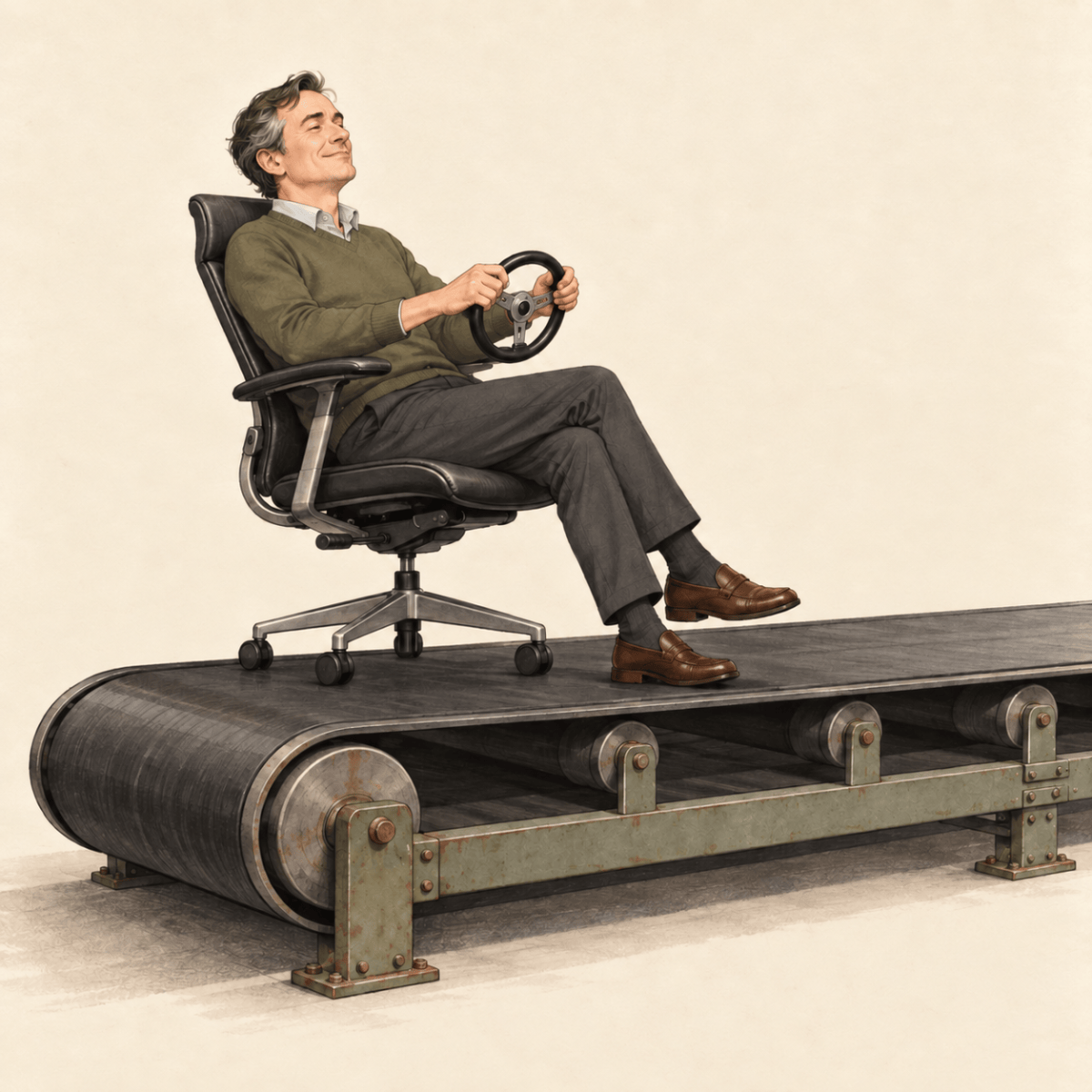
Tech CEOs mistake being rewarded by the machinery for understanding it. The resulting confusion is being offered as humanity’s only available future.

We built machines to finish our sentences. Now they are helping us finish the world.

