A civilisation that turns its moral deterioration into public spectacle reorganises the relationships through which political power is recognised, contested and reproduced, making cruelty both a symptom of its decline and a means of perpetuating it.

A civilisation that turns its moral deterioration into public spectacle reorganises the relationships through which political power is recognised, contested and reproduced, making cruelty both a symptom of its decline and a means of perpetuating it.

Our extraordinary technological and expressive abundance conceals a narrowing of possibility, as the systems rewarding innovation and success make civilisation increasingly fragile.
Ideas are fragile, and their expression more so. In a culture increasingly synchronised by fear, hatred and repetition, independent thought becomes an act of integrity, and the freedom to communicate something genuinely different becomes increasingly precious.
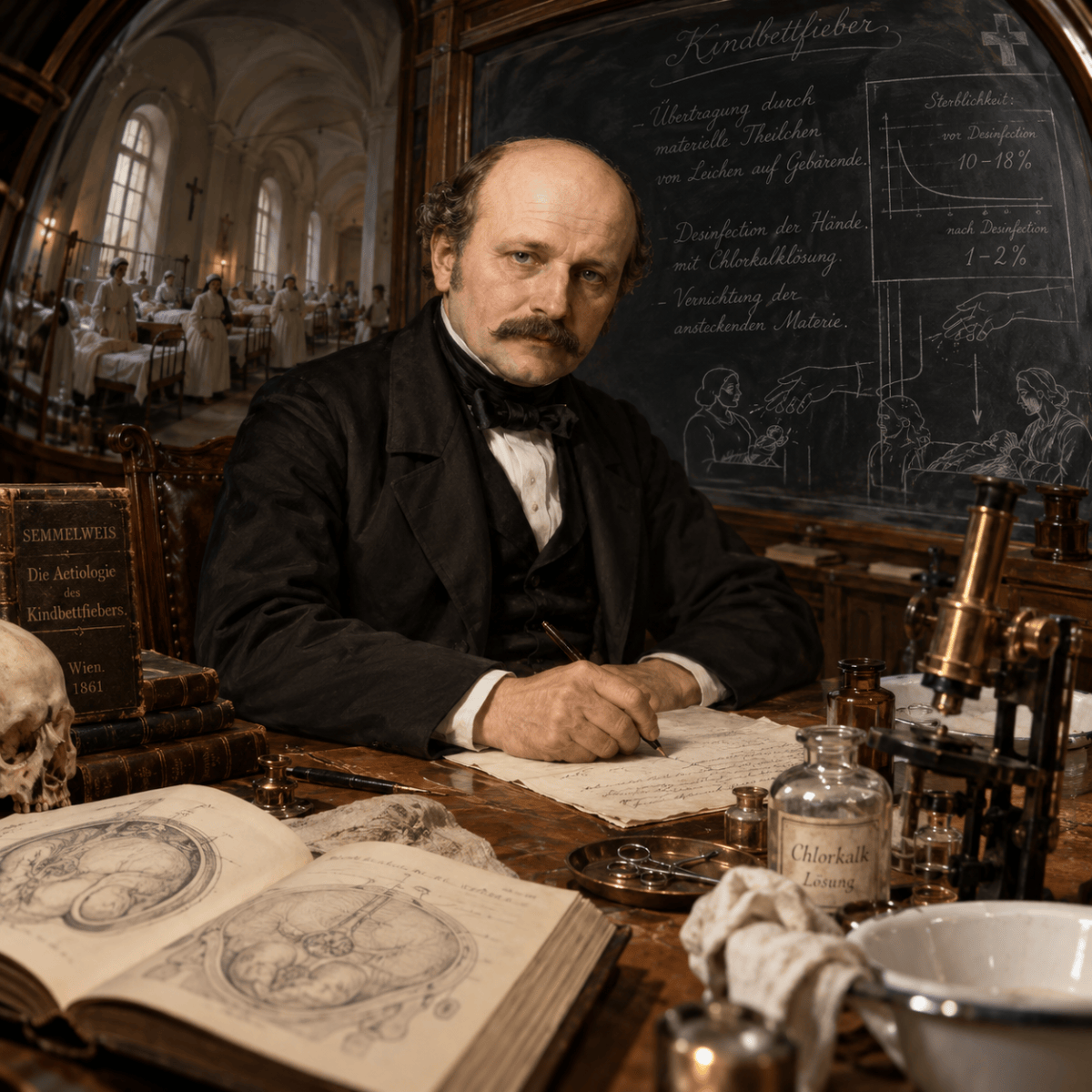
The story of Ignaz Semmelweis, whose life-saving discovery reveals how established practices can obstruct new knowledge, with profound human consequences.
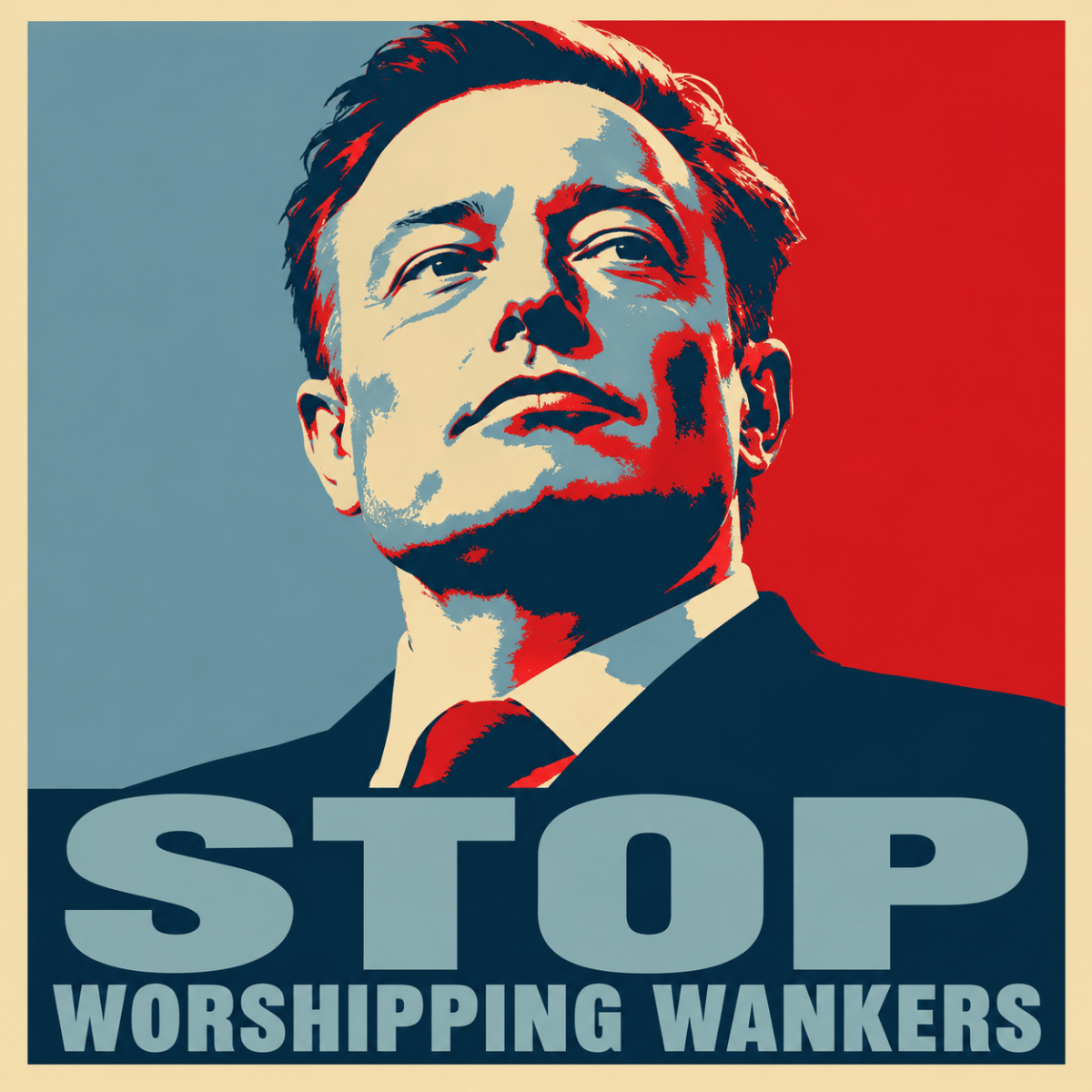
We mistake extreme wealth for extraordinary human worth, celebrating billionaires as visionaries while overlooking the collective labour, public investment and institutional power behind their fortunes. It’s time to stop confusing wealth with wisdom.
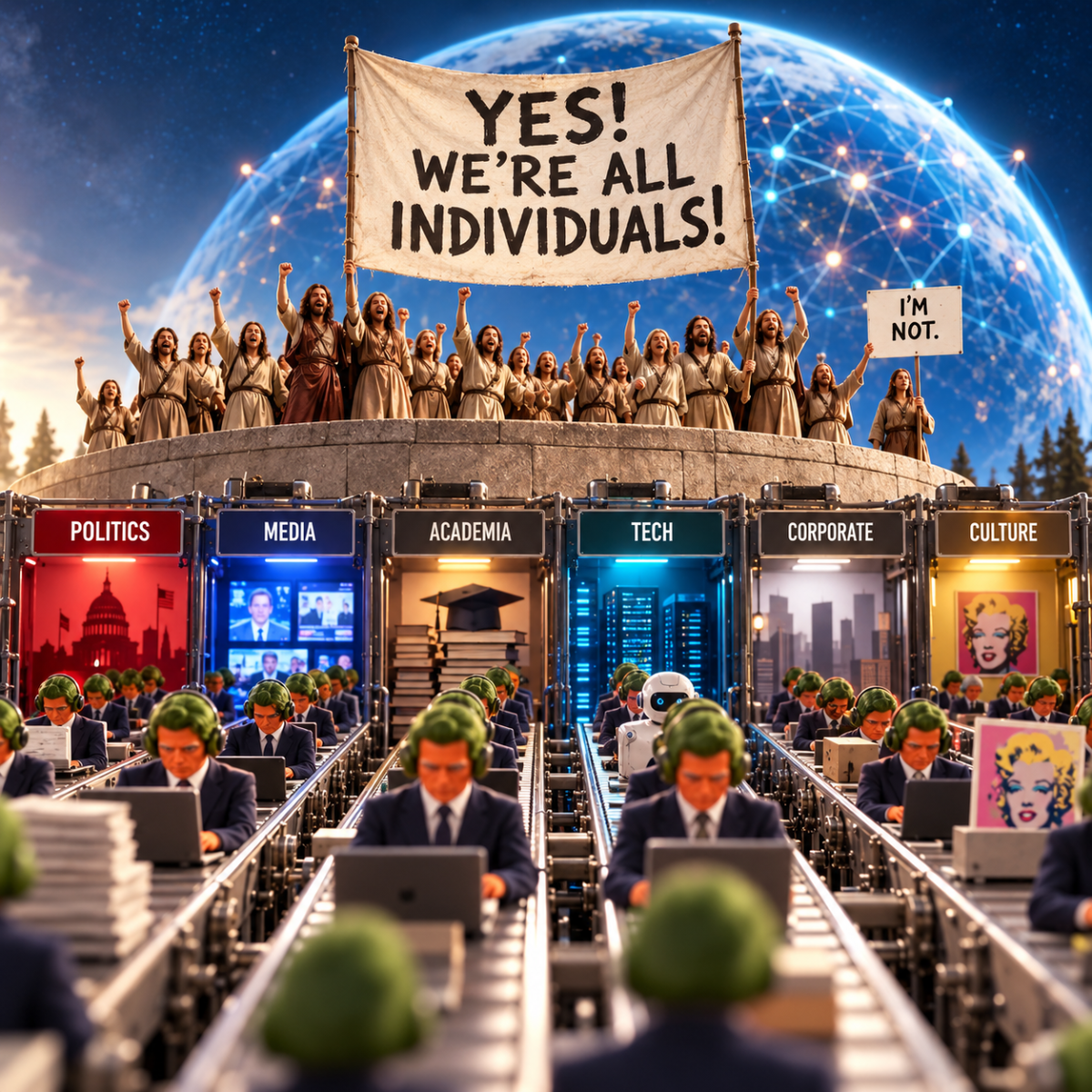
Why institutions, political movements and intellectual communities reproduce the same patterns of identity, conformity and exclusion while insisting on their differences.

We have become extraordinarily good at making technology better, but much less skilled at recognising when good enough is enough. Much of what passes for progress now serves profit rather than people, so deeply embedded in our culture that we scarcely recognise the difference.

A protest becomes something different when separate grievances begin moving at the same time. France offers a glimpse of how synchronisation amplifies communicative affect.
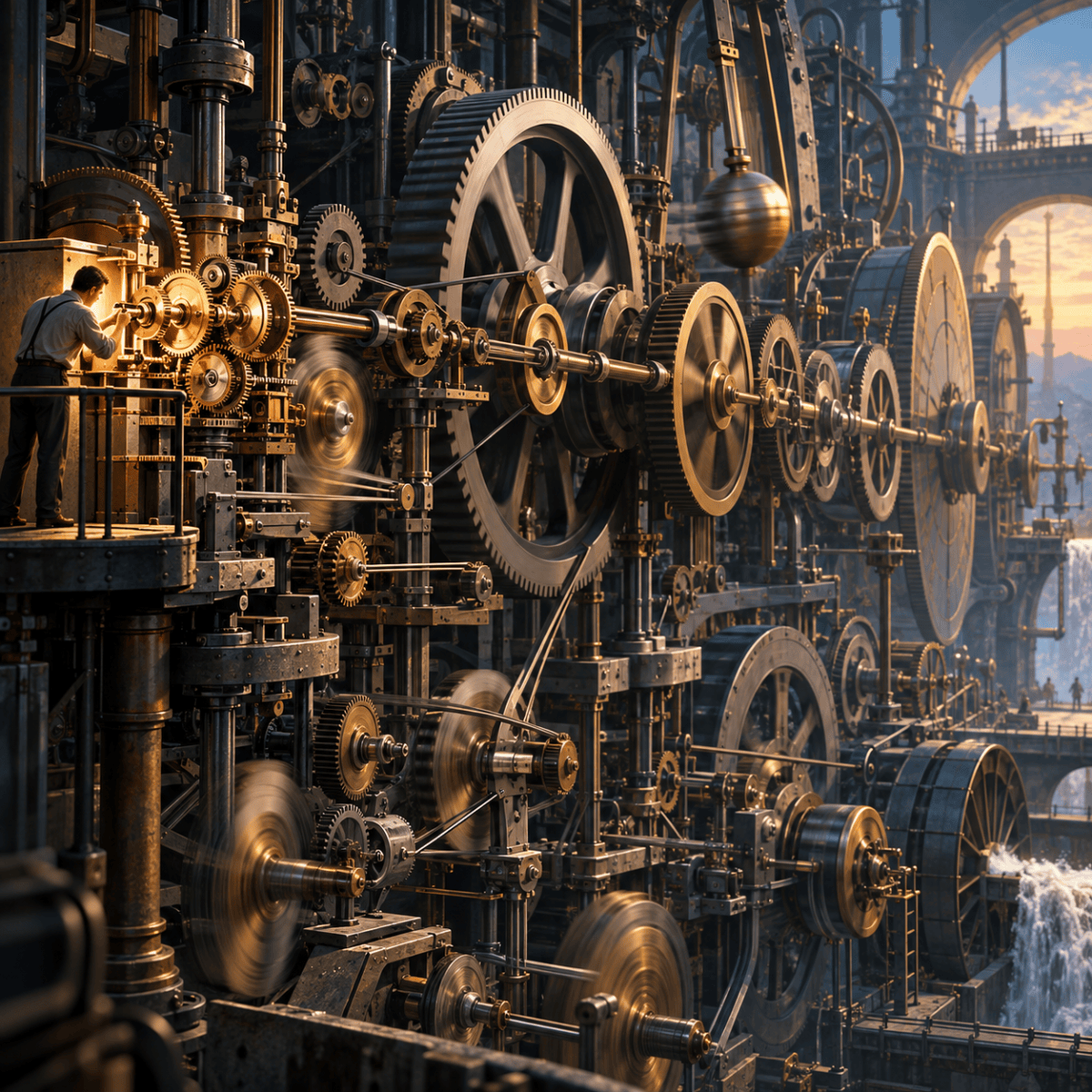
A humanistic philosophy informed by system dynamics: why simple solutions often displace problems across time and systems rather than resolving them.

Populism may not need to be manufactured. An overwhelmed communication system already rewards simplification, antagonism and recurrence, while those best placed to change it profit from the resulting volatility.

Nobody needs to control the machinery. Repeated communication changes what people notice, expect and respond to, gradually reshaping the culture and politics that emerge from those interactions.

How veterans’ services and the NDIS reveal the displacement of human need by billing, commercial expansion and institutional self-preservation.

