Populism turns complex national problems into kindergarten theatre, then sells the applause as policy.
one notion politics
Populism turns complex national problems into kindergarten theatre, then sells the applause as policy.
Power without responsibility is not merely a political failure. It is the central pathology of the attention economy: influence is purchased, outrage is amplified, incompetence is rewarded, and when the consequences arrive, everyone points at the voters as though the stage built itself.
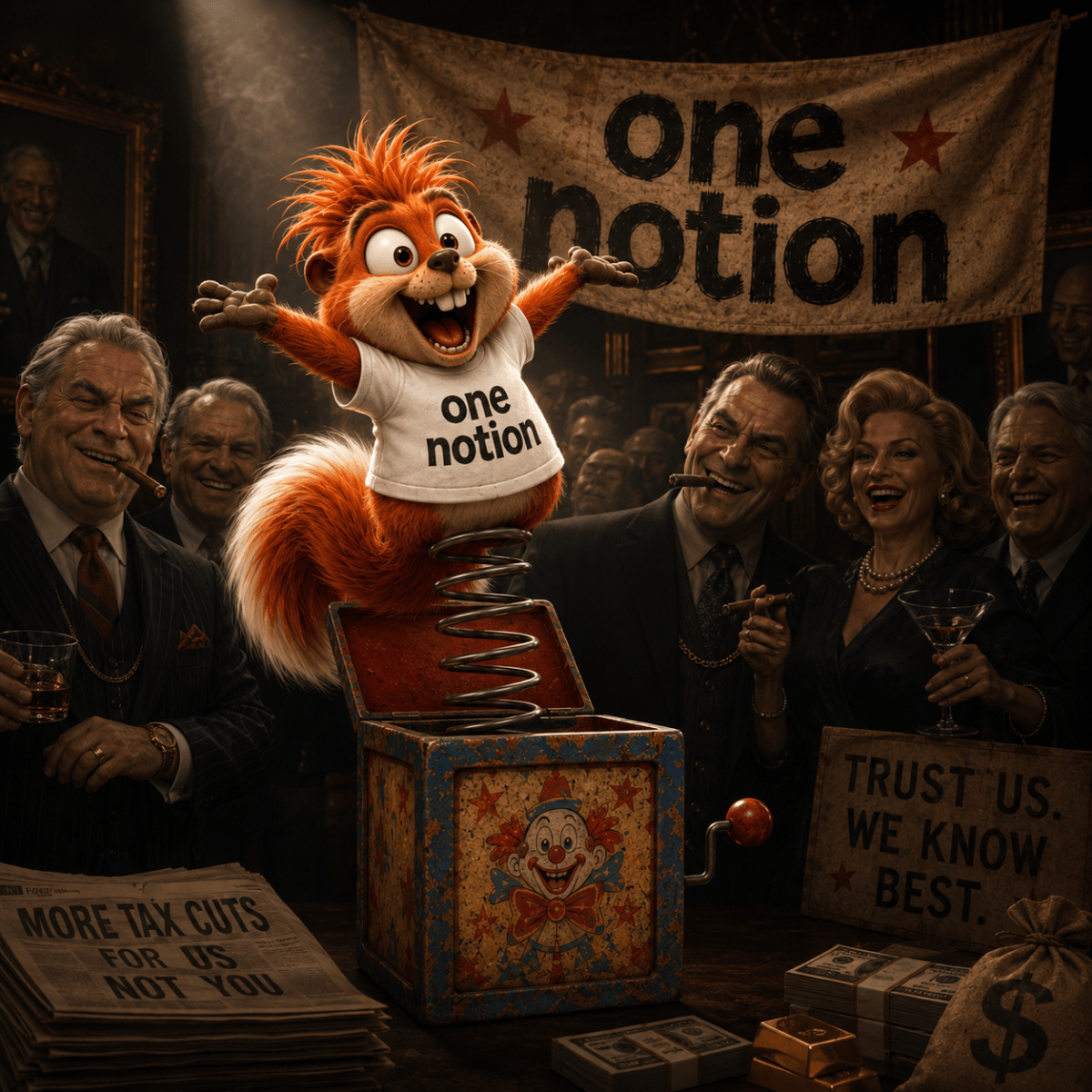
One Nation raised millions for political theatre while a Queensland hospice had to beg for palliative care funding. This is clearly ridiculous but is also hardly an isolated incident of misplaced priorities and dodgy reasoning in sociopolitical systems.
Cultivated indifference is the flip-side of social media volatility. Insecurity may be expensive but gullibility is free.
At precisely the moment technology allowed us to express our own thoughts with unprecedented speed, ease, and fluency, people began switching off from the flood of language-model-mediated self-expression that followed.
The future will not be defined by any single party or leader. It will be defined by the widening gap between the complexity of the systems governing society and the increasingly simplified narratives through which society attempts to understand them
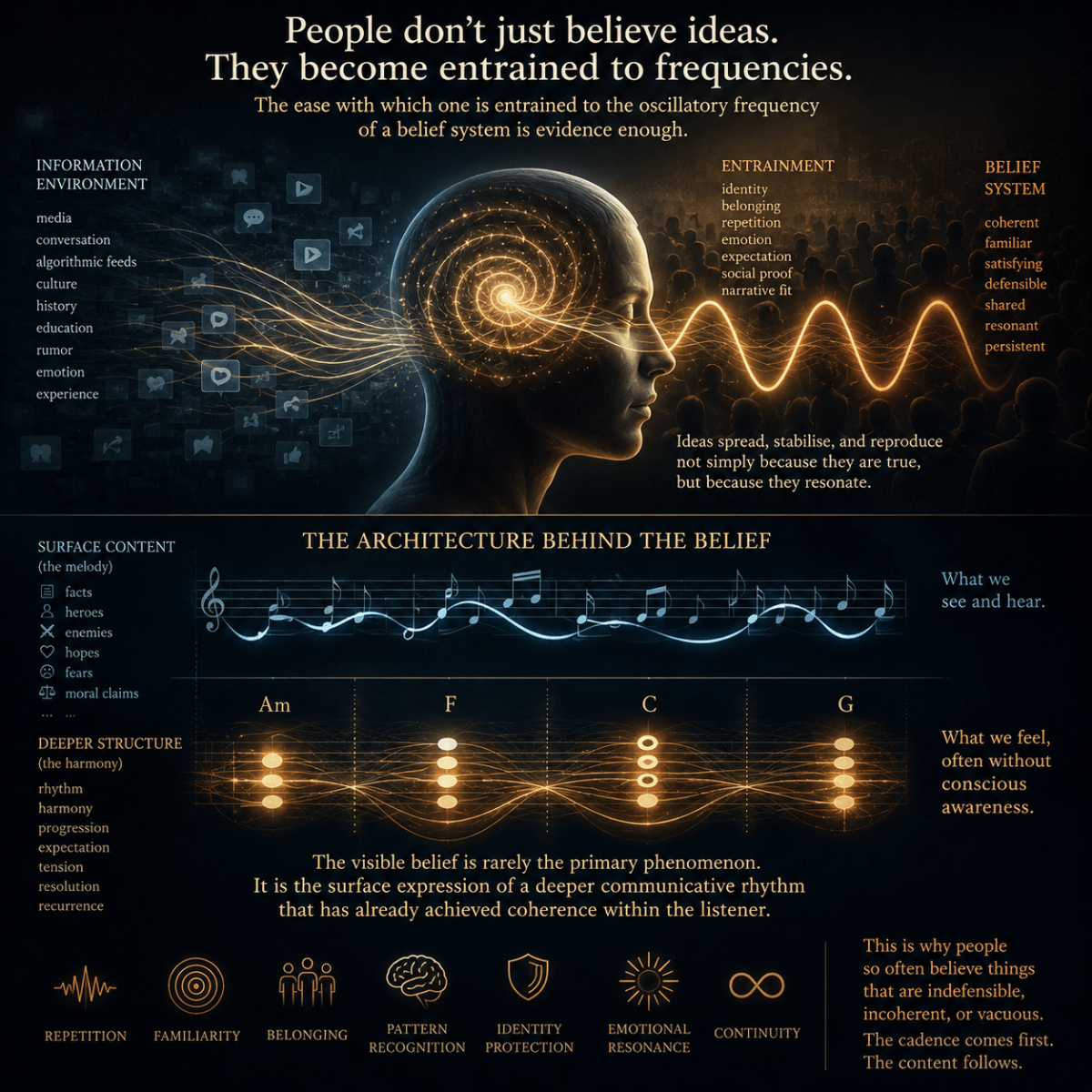
Beliefs persist less because they are true than because they provide the transient continuity of narrative as semantic coherence.
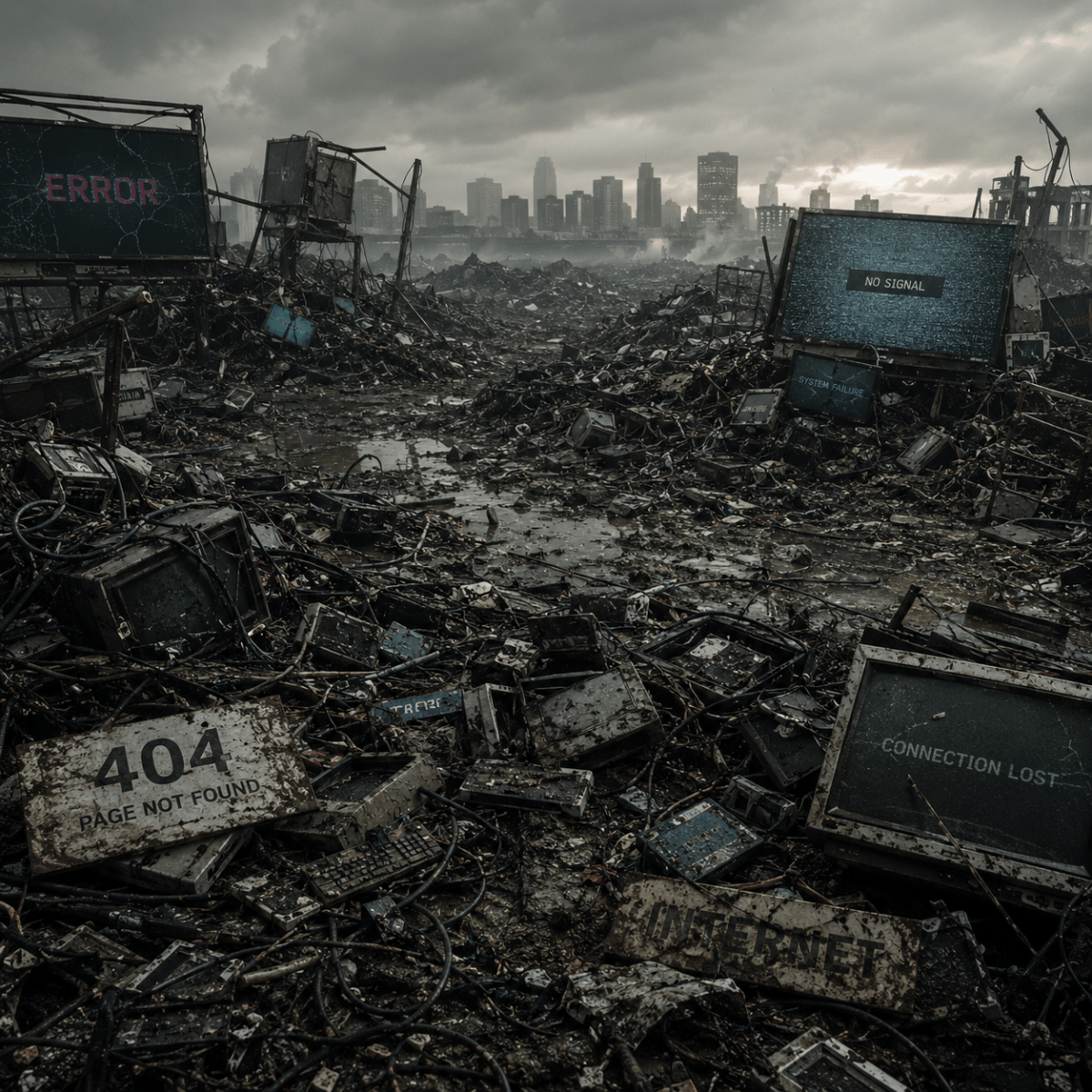
The internet did not die; it was embalmed alive, taught to imitate its own pulse, and released back into the world as an infinite machine for converting human meaning into synthetic residue.
Having watched the world’s most powerful nation fall backwards into the plumbing of populist discontent, Australia now seems oddly determined to follow.
Facts may not be sacred in practice, but the alternative is shameless informational feudalism: a world in which power determines visibility, visibility determines belief, and belief dissociatively drifts away from the world it claims to describe.
They paint themselves into a hyper-simplistic corner because simplified narratives feel stabilising during periods of systemic uncertainty. But once political language collapses into slogans, binaries, and permanent outrage, the capacity to think strategically about complex realities begins to erode. The rhetoric that initially appears empowering gradually becomes constraining. Every new problem must be forced through […]
Trump reads alliances as costs to cut, missing that they are the distributed, Global infrastructure and constitutive precondition through which American power exists and persists at all.