Japan’s cybersecurity crisis reveals how interconnected infrastructure creates systemic vulnerabilities that conventional security measures cannot eliminate.

Japan’s cybersecurity crisis reveals how interconnected infrastructure creates systemic vulnerabilities that conventional security measures cannot eliminate.

The scale of the consequences has changed while the competitive selection tests for authority remain embarrassingly small.

AI is building the dependencies that make its own expansion increasingly necessary.
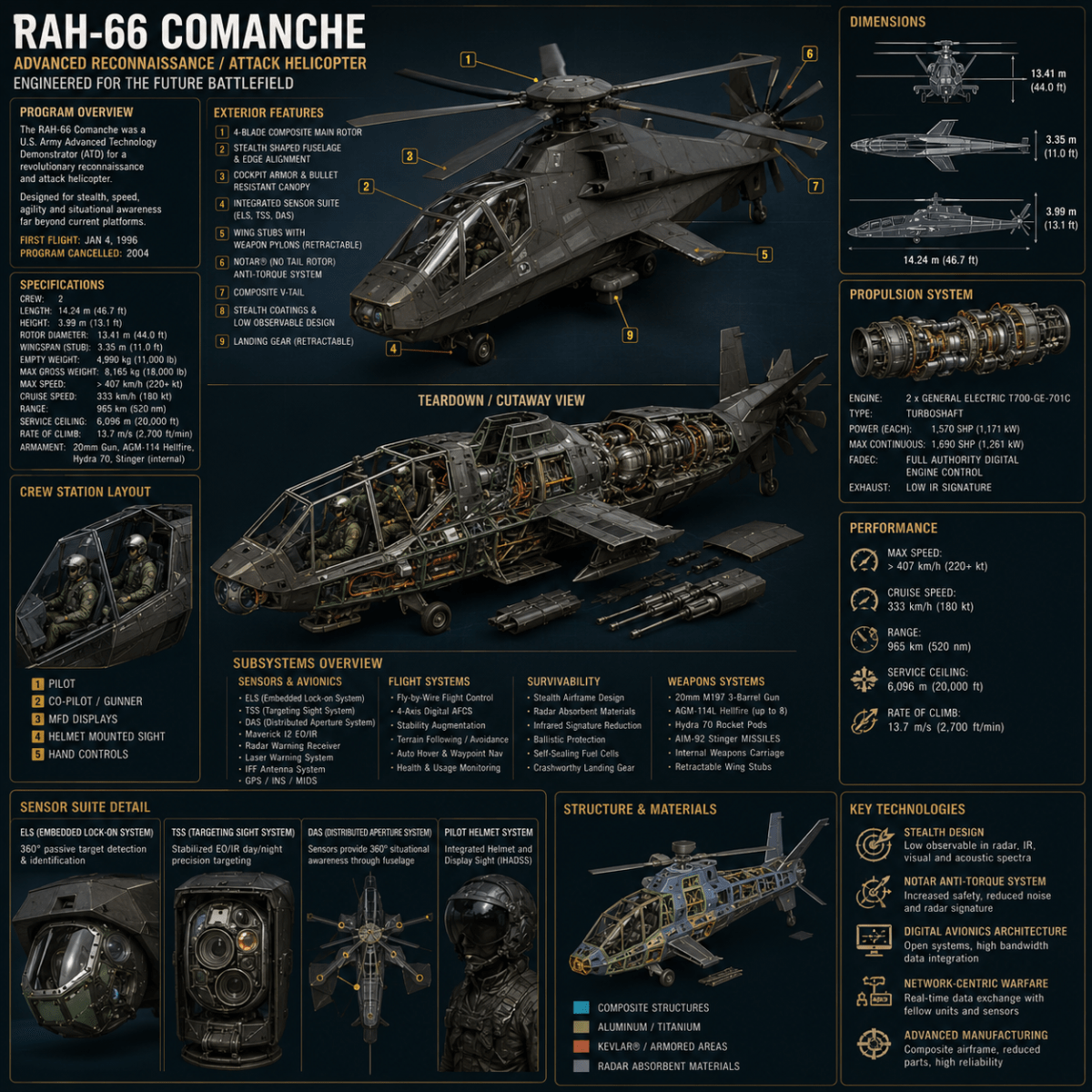
Technology and conflict do not simply cause one another; they emerge from the same relational mechanism, where volatility, advantage, fear, and opportunity make their mutual reproduction increasingly probable.

Administrative systems fail when they become better at preserving their own procedures than understanding or remediating the human realities those procedures were intended to address.
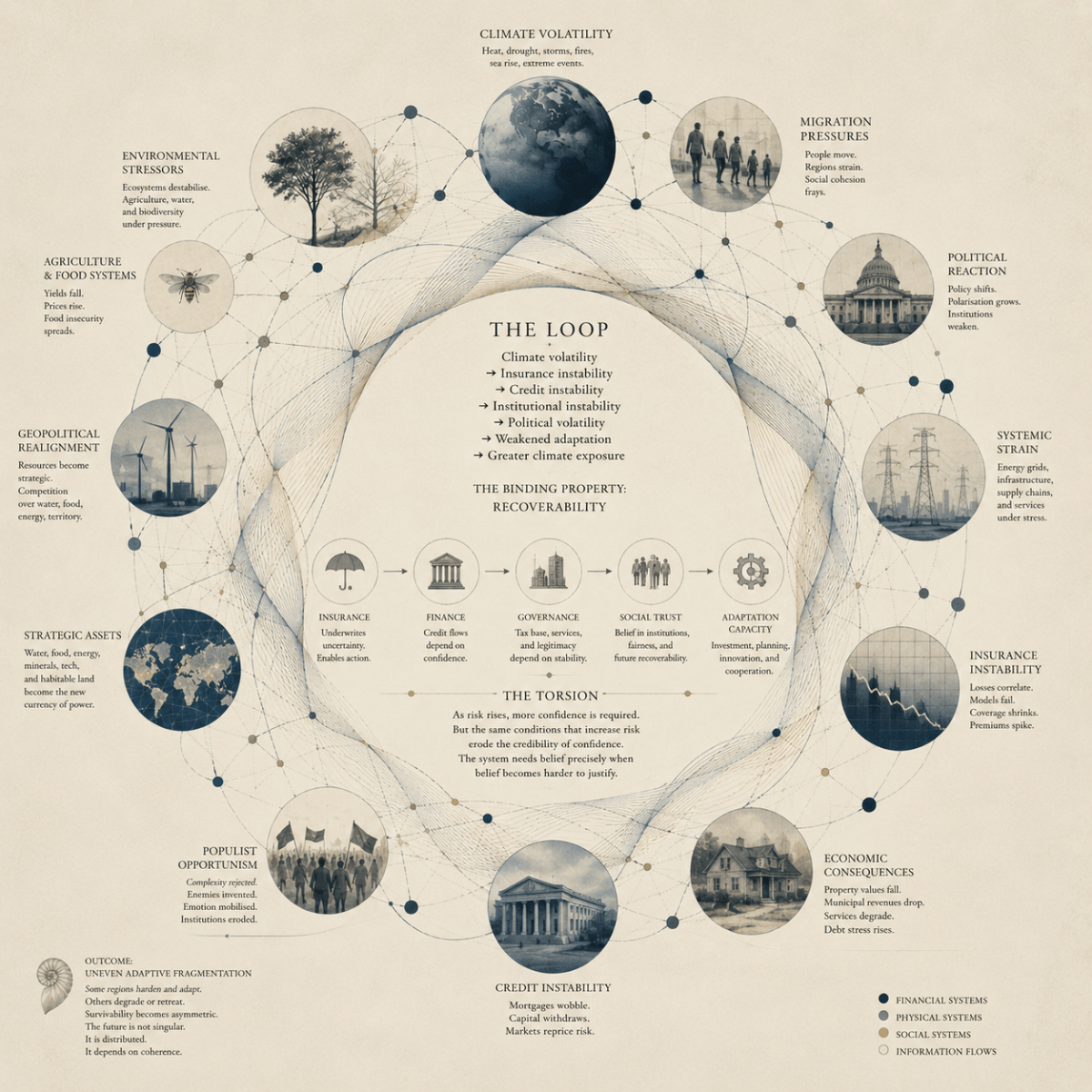
Climate change becomes civilisational risk when insurance can no longer translate catastrophe into recoverable cost.

Ebola reminds us that civilisation may not fail through drama, but through delay, distraction, and a pathogen moving faster than our institutional cadence and cultural expectations.

Energy markets do not merely price fuel. They encode the recurrence structure of civilisation’s dependency on energy. Refinery cycles, shipping delays, seasonal demand, storage constraints, geopolitical tension, and futures speculation appear as price movement, but price is only the visible signal. Beneath it sits a temporal field of repeated dependence. Energy markets are not merely […]
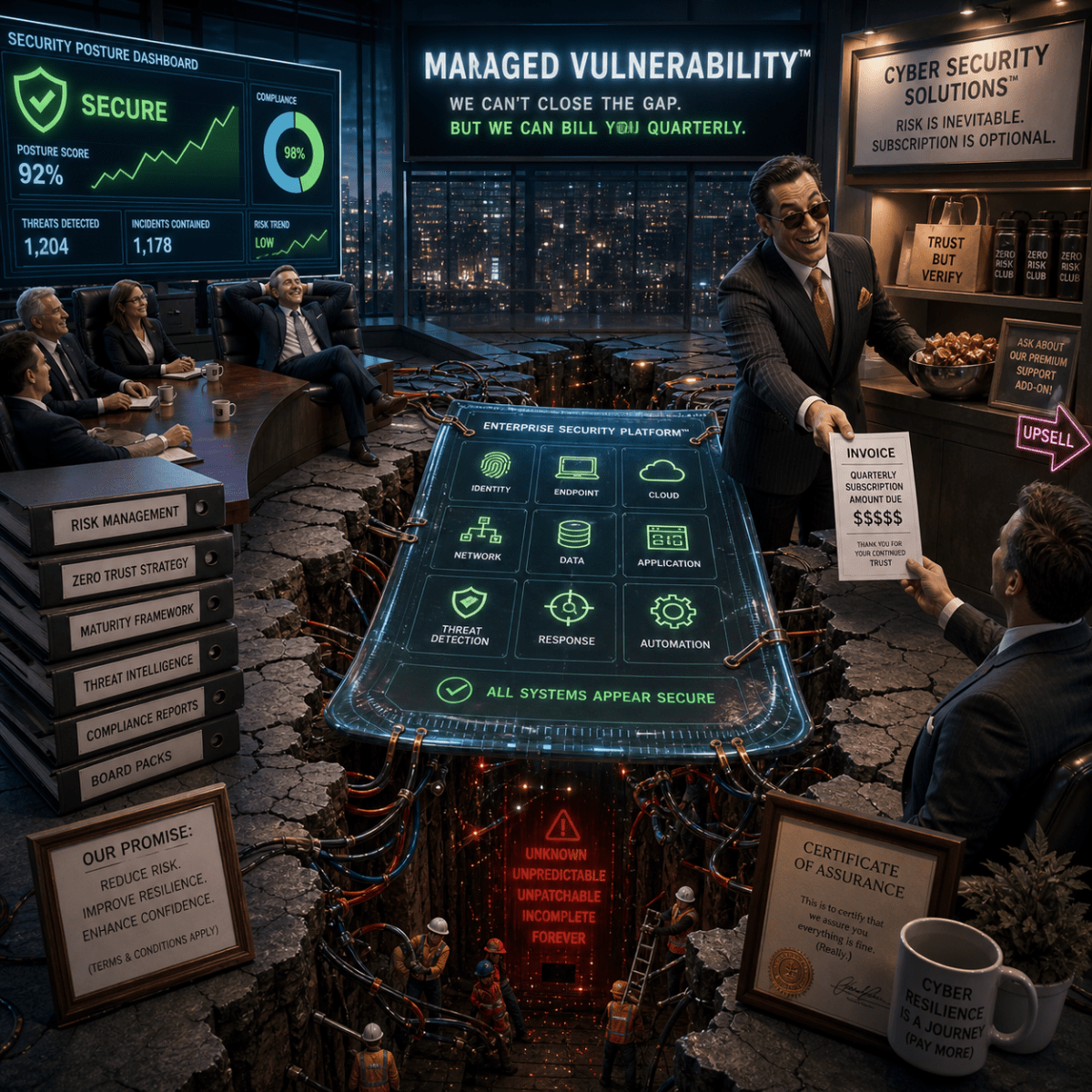
Australia is now so thoroughly wired into digital systems that cyber insecurity has become an ordinary cost of institutional existence and everyday subjectivity, not an abnormal failure skulking out beyond the perimeter. The Australian Signals Directorate received more than 84,700 cybercrime reports in 2024–25, roughly one every six minutes; average self-reported losses rose to $33,000 […]
Strategic Cost Recovery. The Australian fuel shock should not be treated as a discrete price problem. It is a moving disturbance through food, freight, work, health logistics, regional supply, household mobility, business continuity, inflation expectations, and public trust. The official response has been recognisable and partly necessary: temporary fuel excise relief, reduced heavy-vehicle road charges, […]

Technology is extraordinary. It extends memory, speed, coordination, reach, and control. But it also carries a persistent deception. Not because it is unreal, but because it repeatedly presents open systems as though they could be made to feel closed. Cybersecurity makes this especially clear. There is no final safety, no completed perimeter, no settled technical […]

Climate breakdown, war, energy insecurity, public health strain, technocratic overreach, automated exclusion, administrative drift, and the industrial circulation of disinformation are usually treated as separate crises, each assigned its own expert language, governance model, technical platform, and emergency response. But the deeper pattern is structural. Large systems do not merely solve problems. They determine which […]
Have a WordPress.com account? Log in now.

