We keep telling the same stories in different ways. The faces, crises and characters change. The same tribal pattern keeps finding new forms.
Categories
WTF

We keep telling the same stories in different ways. The faces, crises and characters change. The same tribal pattern keeps finding new forms.
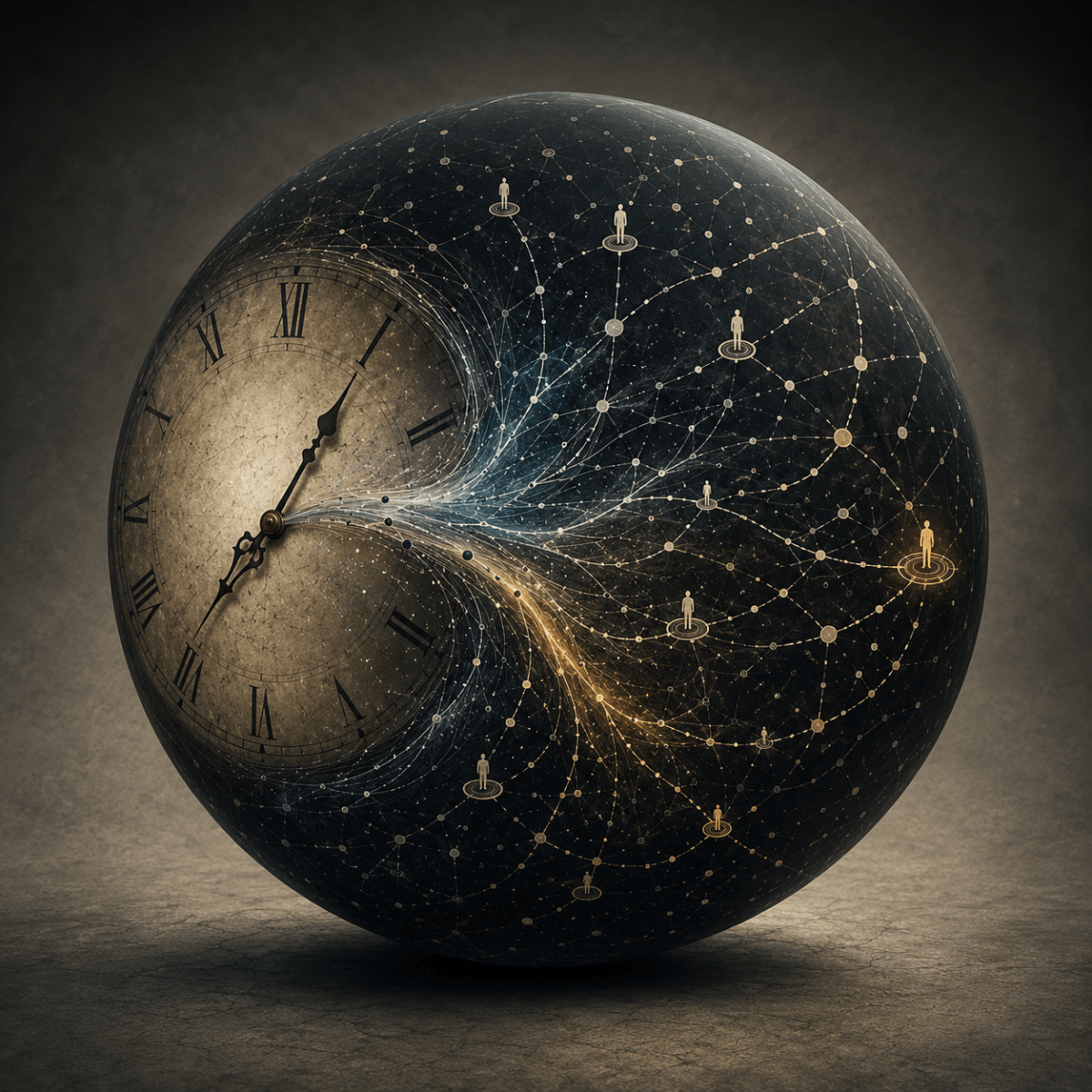
Ideology is what happens when a way of seeing the world becomes part of the world itself, shaping not only what we believe, but what becomes easier to believe next.
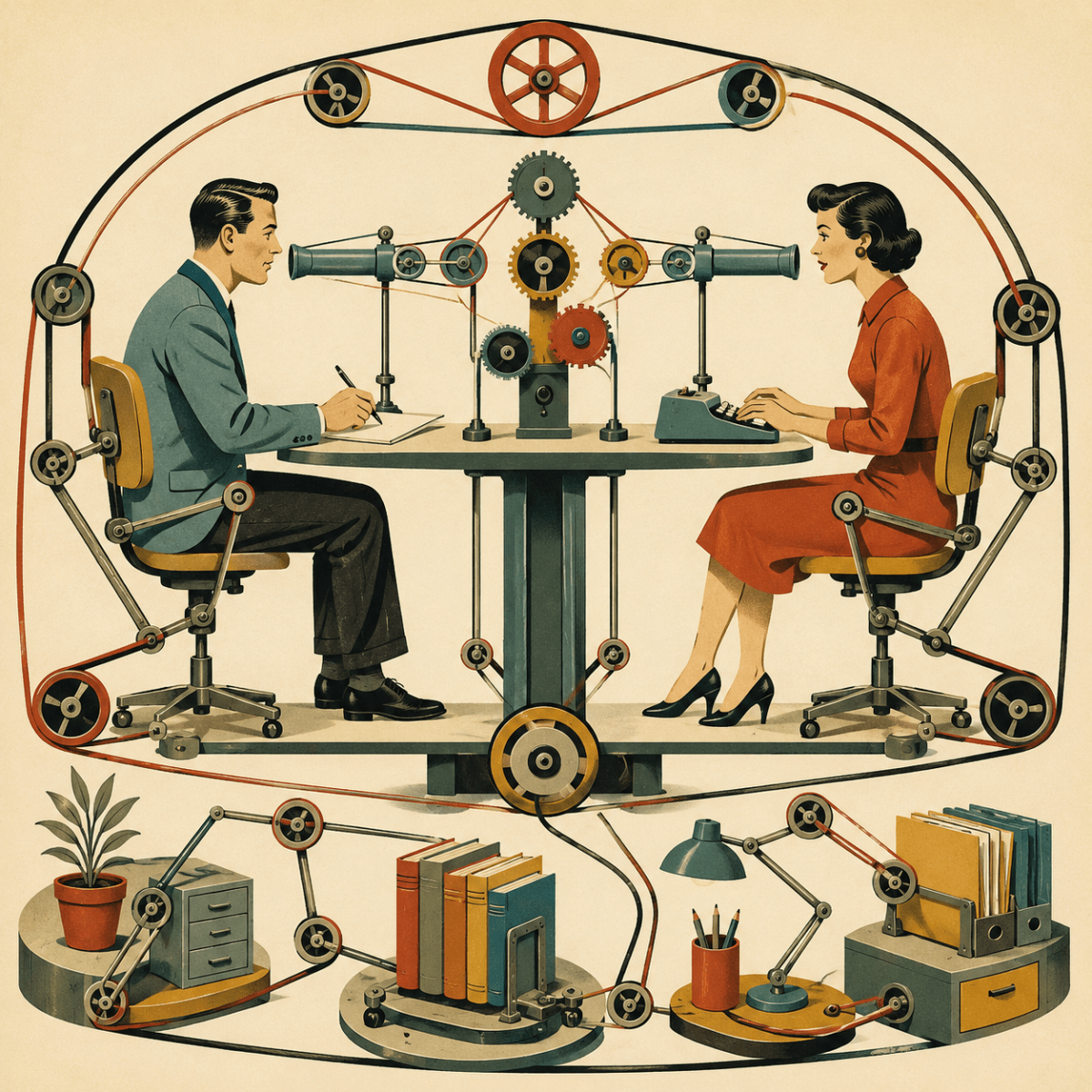
The machinery does not need to fail. It only needs to keep working in ways that make more of itself necessary.
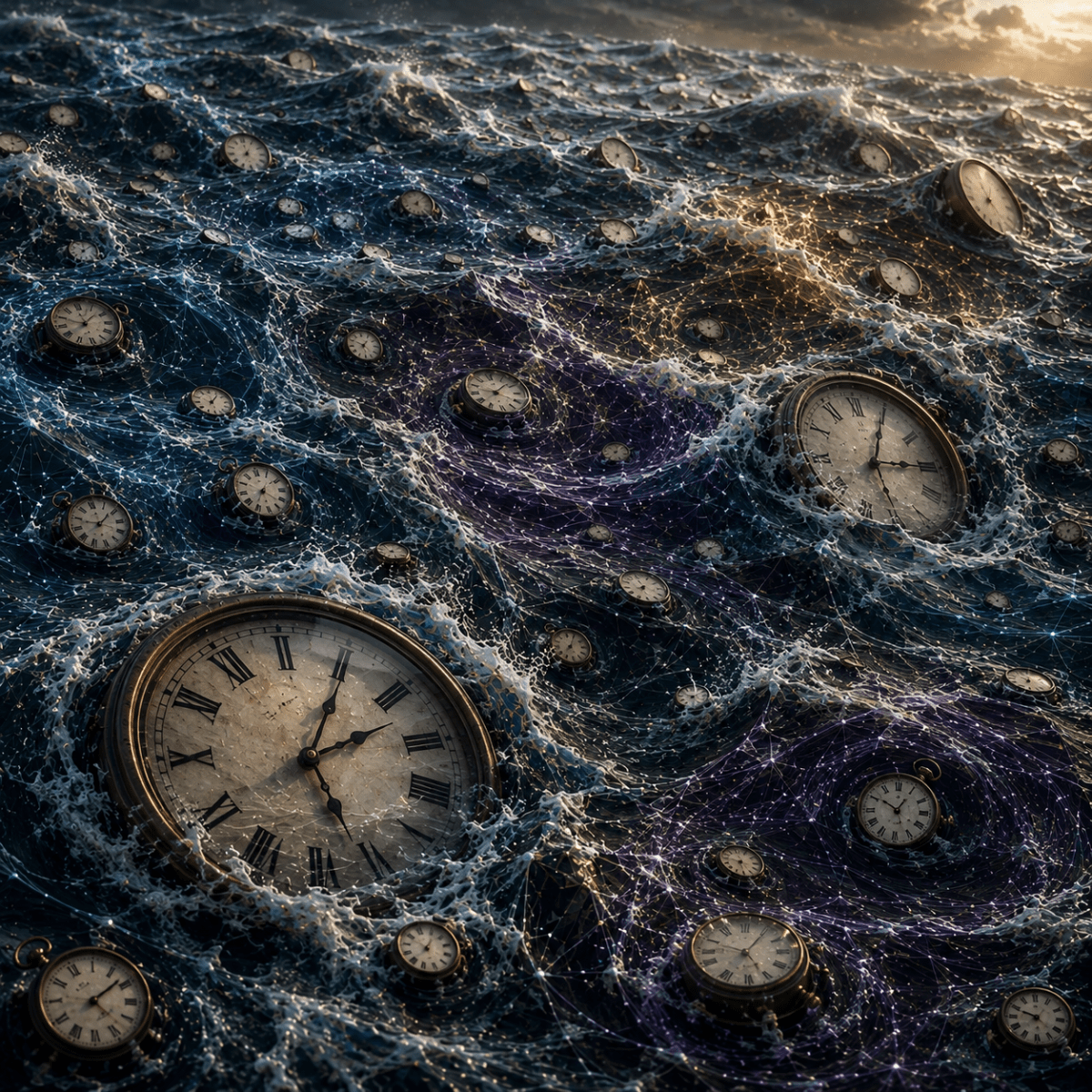
The present is not where possibility ends. It is where an immeasurably larger field of possible futures acquires one local history.
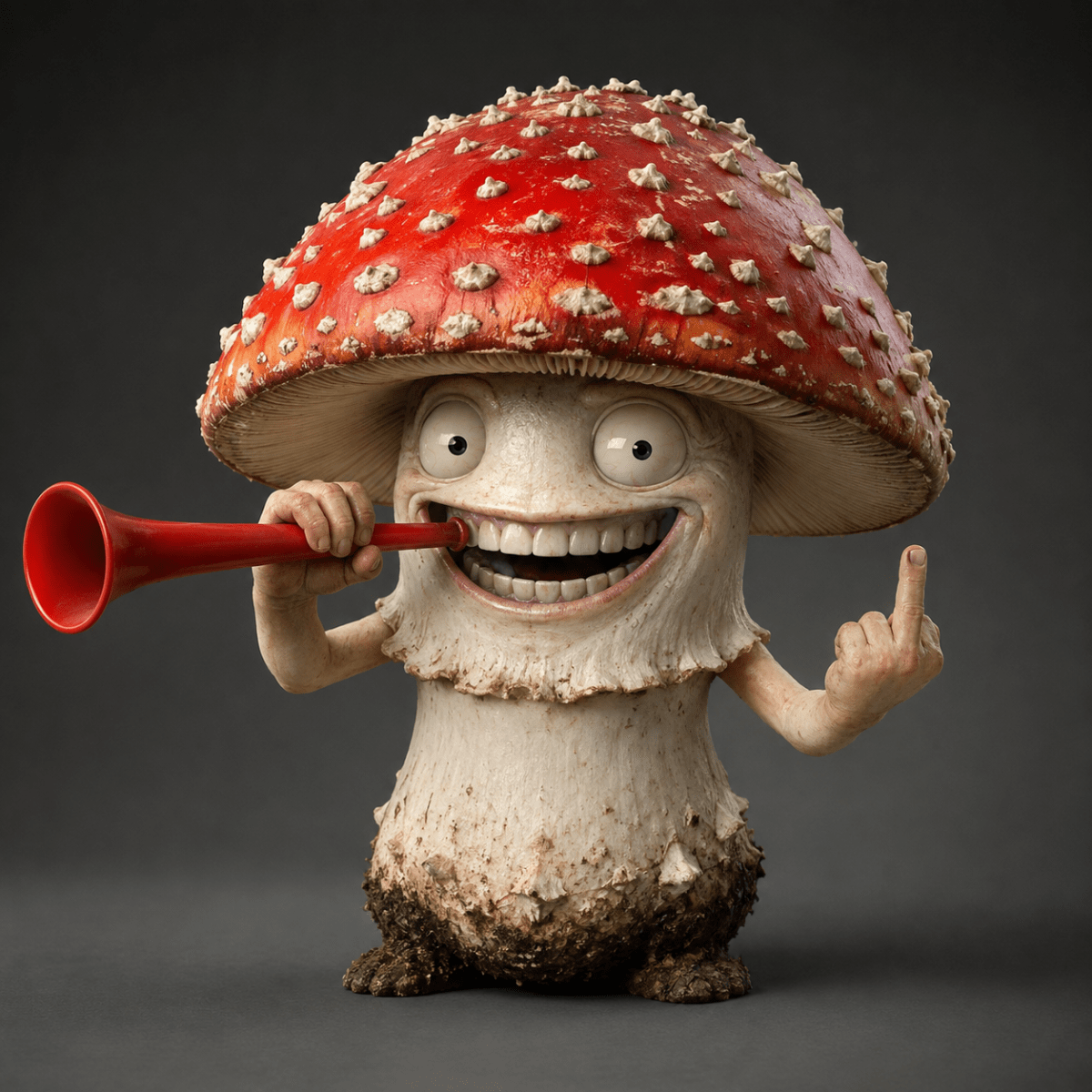
Everyone knows a dickhead. The interesting question is why the conditions that generate them do so, enduringly, and with such uncanny frequency.

Meaning repeats because recurrence builds structure, and structure influences what follows. History rhymes for much the same reason.
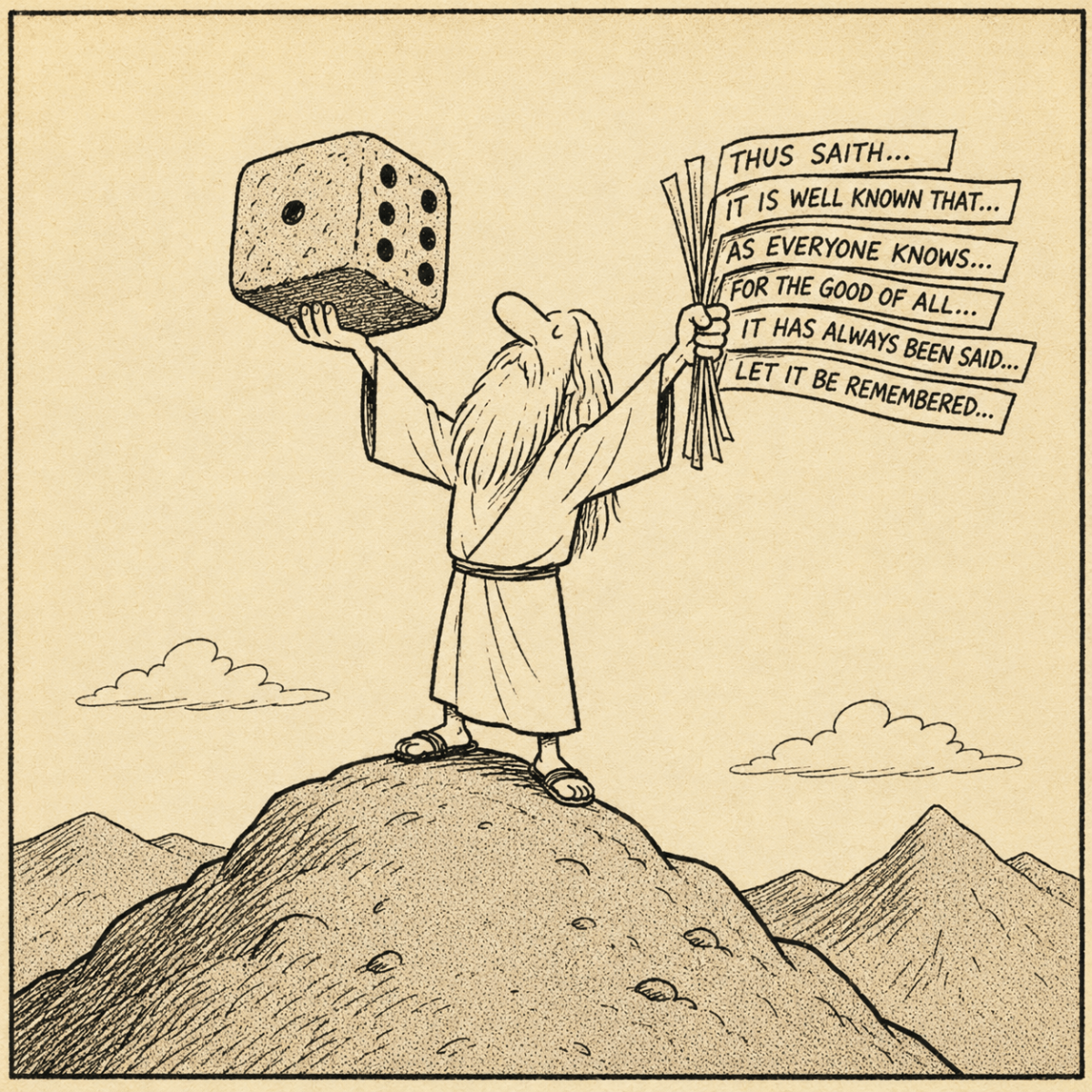
The probable is a proper subset of the possible. Old habits die hard because viable communication preferentially reproduces patterns that make themselves more likely to recur.
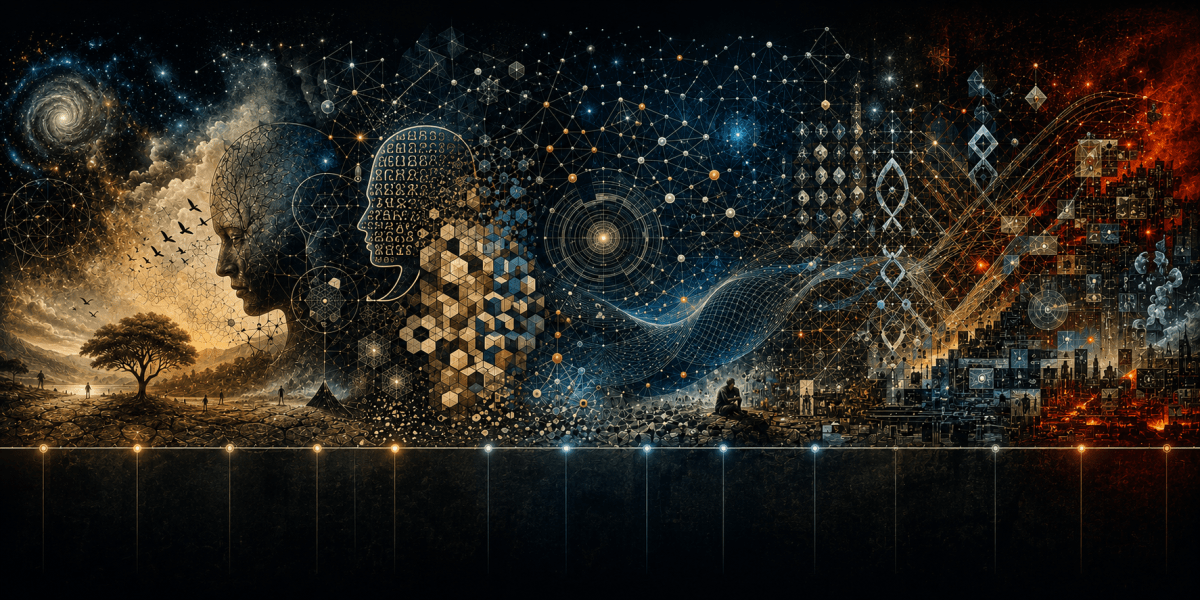
Exploring how relation and difference generate the structures we experience as reality.
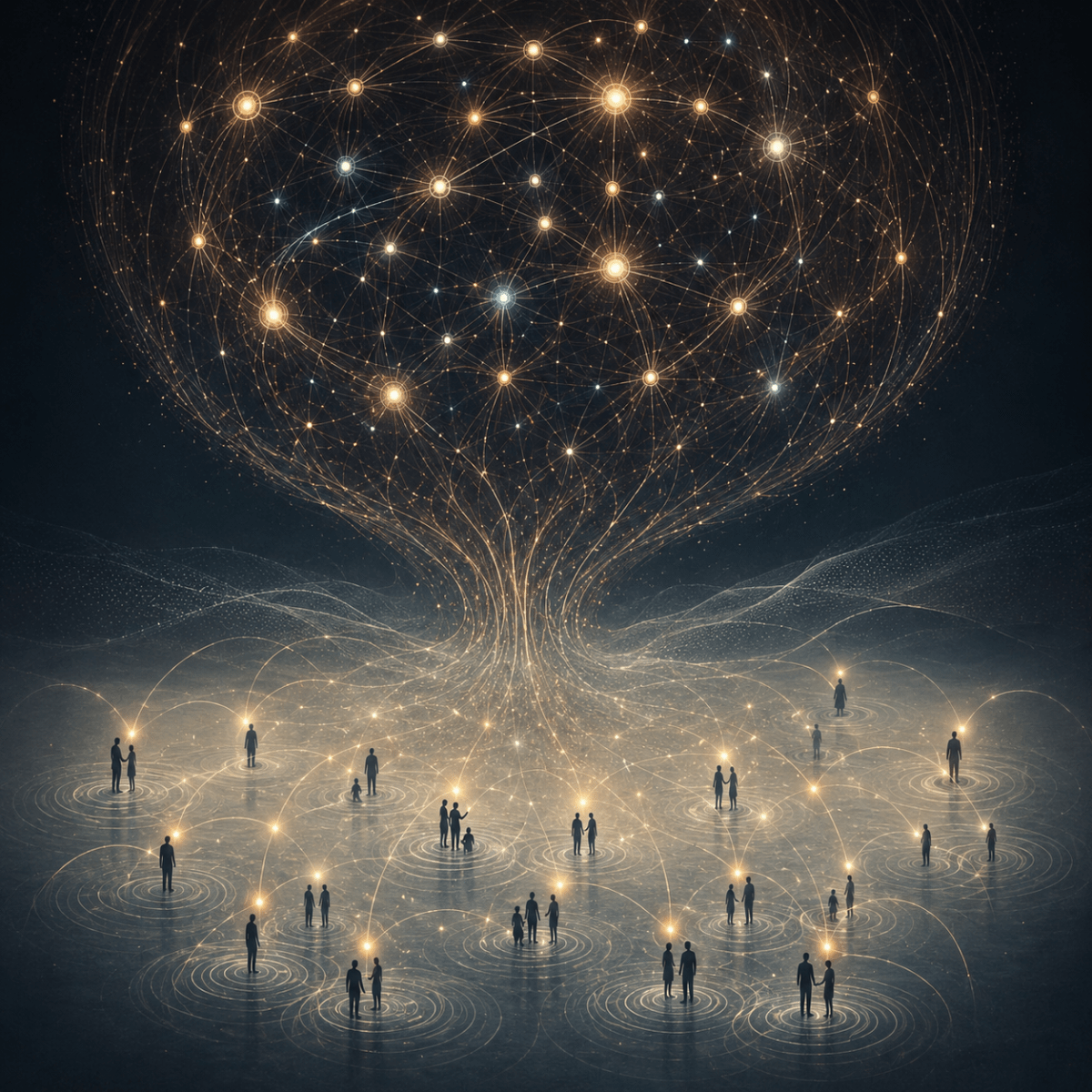
Communication persists not by preserving messages, but because each exchange reshapes the system that makes further exchange possible.

Absence is not a flaw in the structure. Absence is the engine.

The most important pattern in modern society is the one almost nobody is looking for.
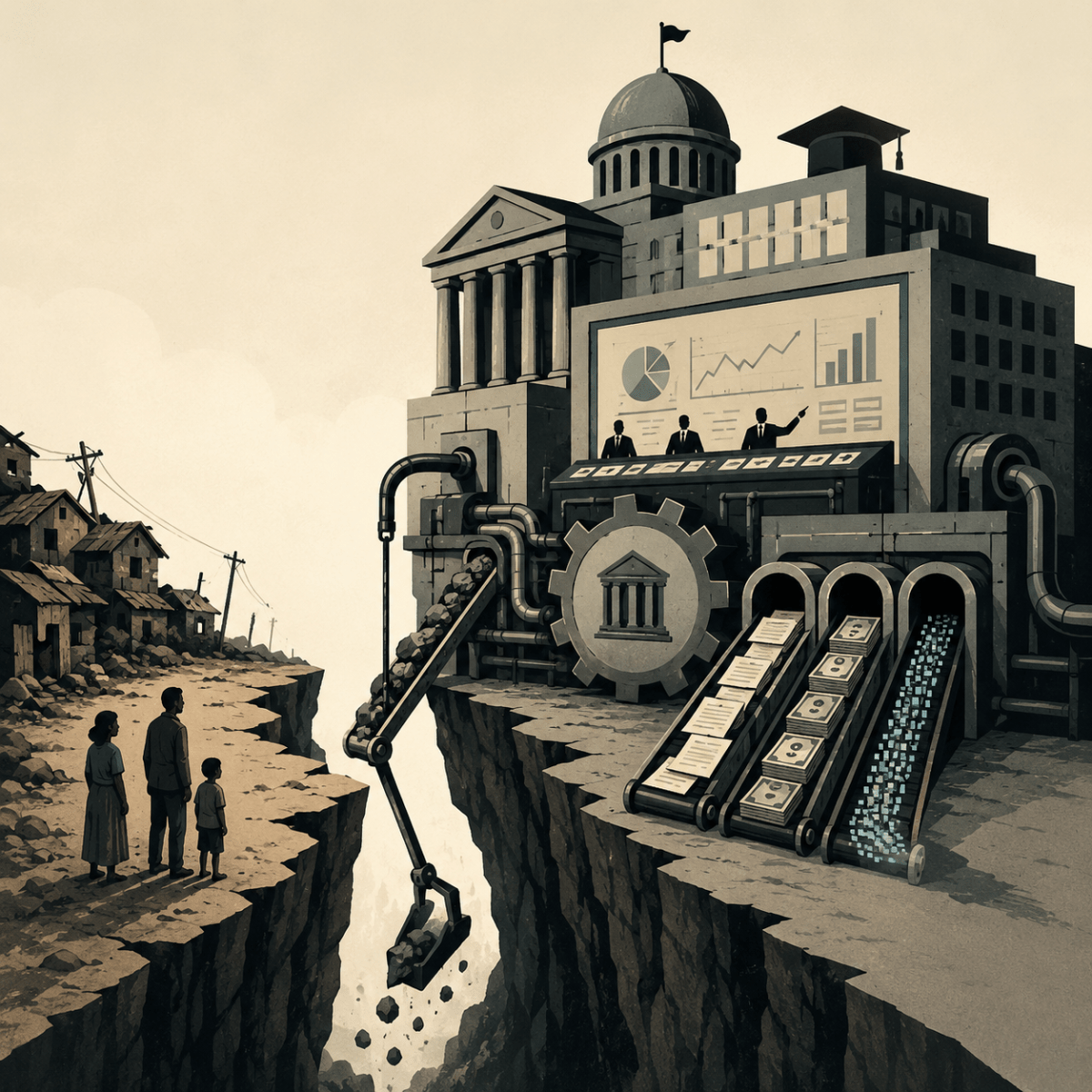
The institutions assigned to solve our deepest problems are sustained by these, the very relations they are unable and/or unwilling to question.

