What persists is neither order nor entropy, but the organised difference through which each continually transforms the conditions of the other.

What persists is neither order nor entropy, but the organised difference through which each continually transforms the conditions of the other.
A system persists not by preserving what it is, but by continually reorganising the probabilities of what it can become.

Reality is not made of things. Things are what appear when deeper patterns of relation become temporarily stable.

Coherence emerges from the continual negotiation of irreducible difference. Discrete boundaries and differences are contingent.
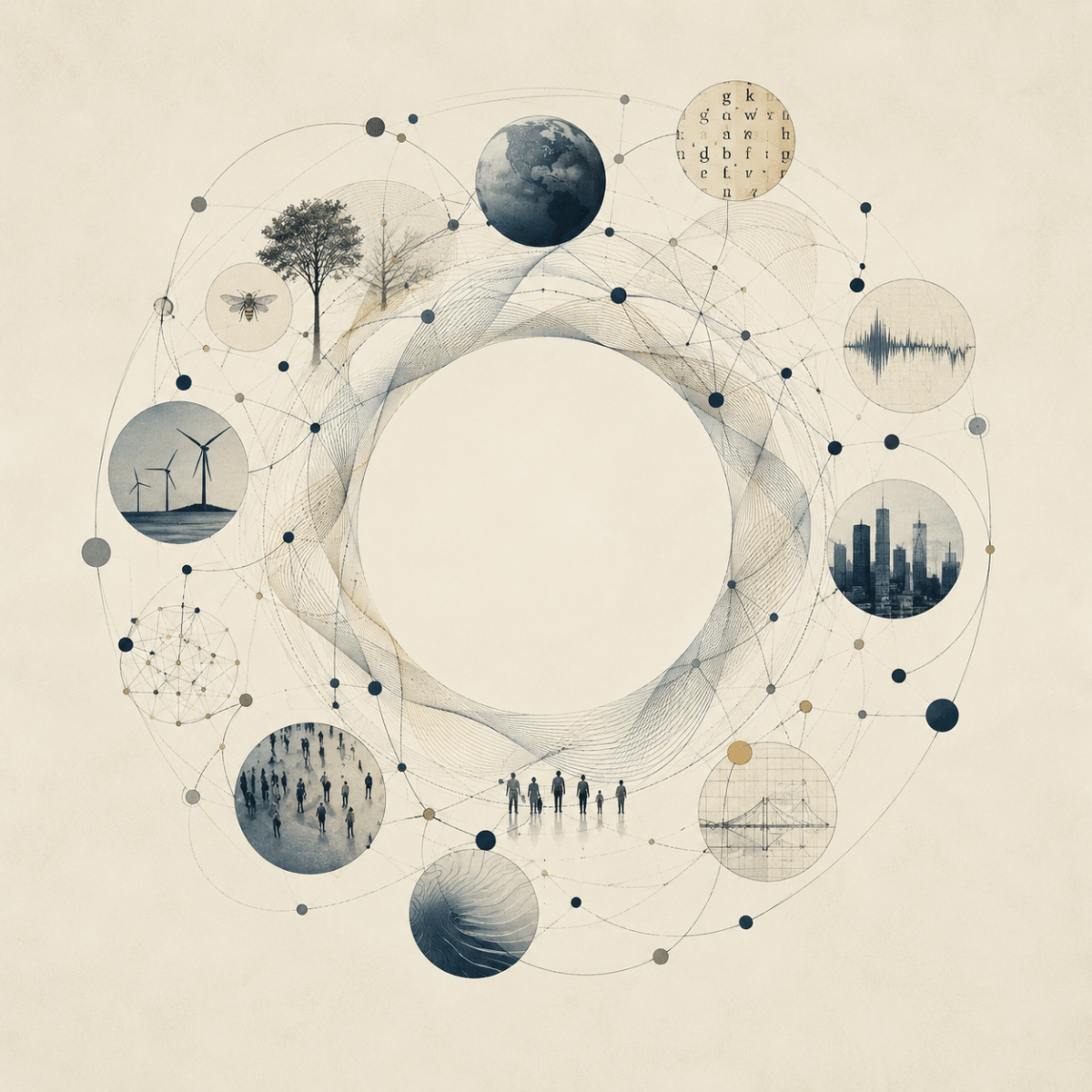
A strong current in modern thought still treats things as if they exist first, complete in themselves, and only later enter into relation with other things. The individual. The institution. The nation-state. The market. The technological platform. These are often imagined as discrete objects possessing internal coherence, as though persistence were generated primarily from within […]
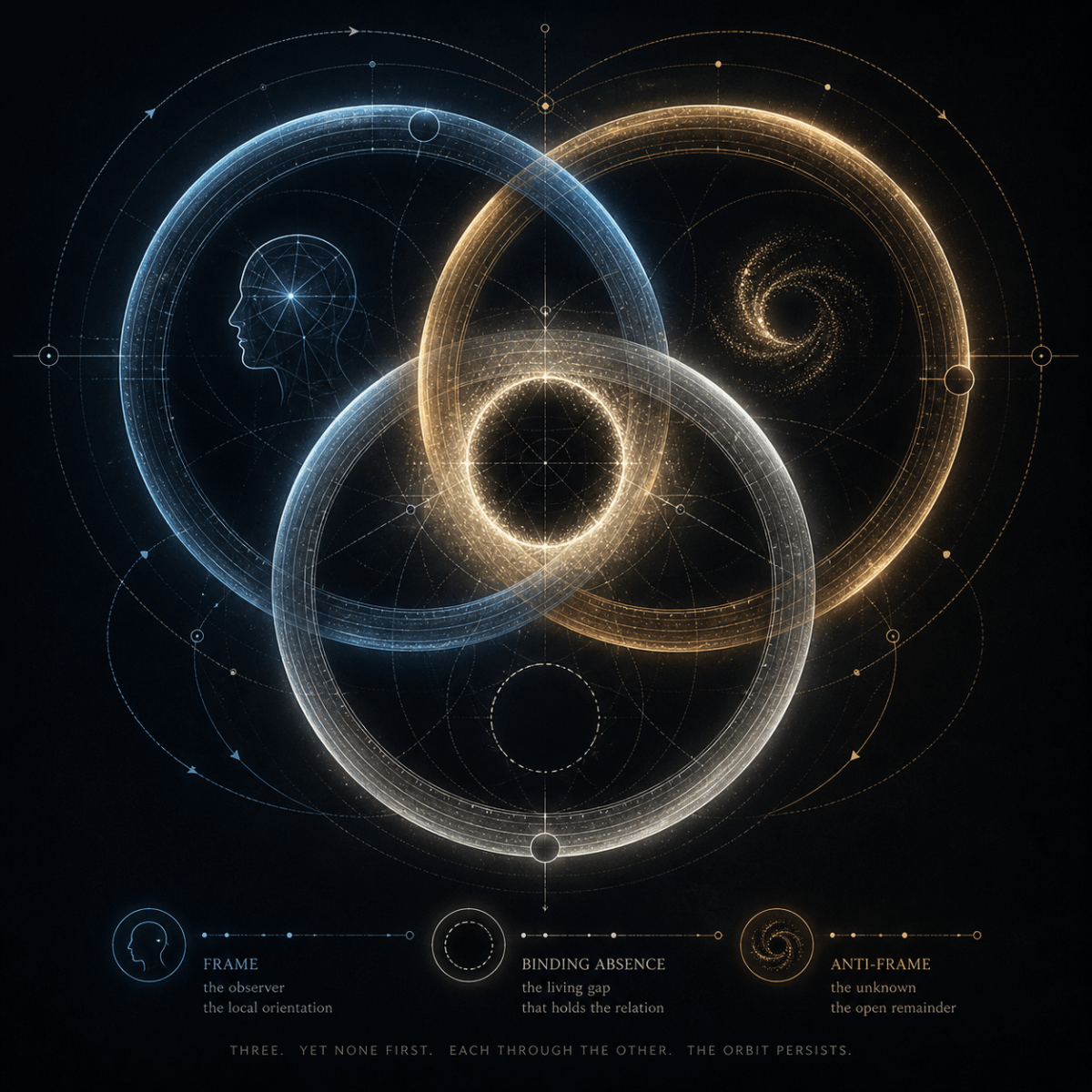
Field logic does not begin with separate things that subsequently form relations. It begins with unresolved relations, differences, delays, dependencies, and absences from which temporary identities emerge and persist, identities we mistake for things.

Politics is not failing because people have become irrational; it is failing because the systems that coordinate perception, timing, and response have slipped out of phase, and what we are experiencing as conflict, populism, volatility, and institutional drift is the visible surface of a deeper timing problem in large-scale communication systems, one that also describes […]
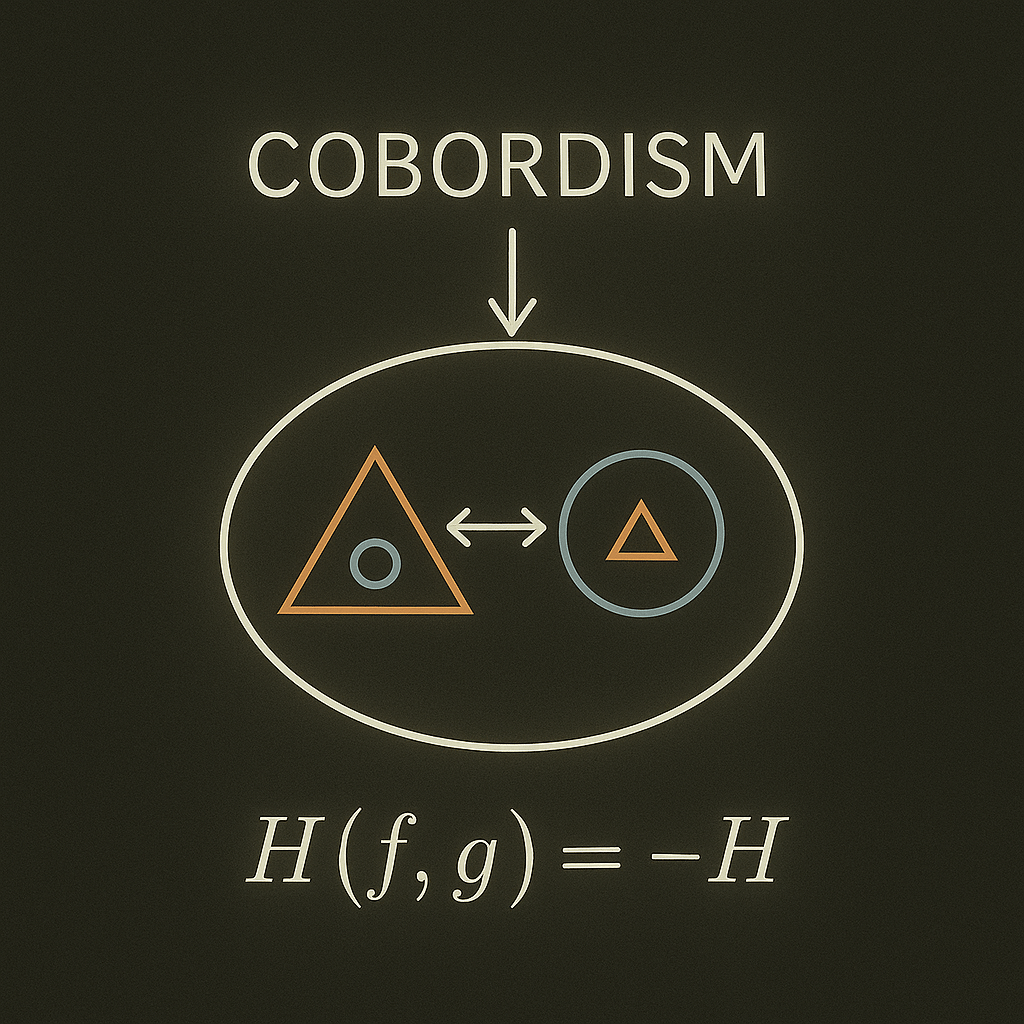
A system becomes brittle when it treats its own representations as a complete account of the conditions sustaining it. Its categories continue to organise decisions while the relations through which those categories remain useful are changing. The difficulty lies in the loss of responsiveness to what the account leaves unrepresented. Formal logic describes how conclusions […]

Negation is the additive move available to a unified, self-referential whole. It means internal differentiation: introducing distinctions within existing relations. With no outside to draw from, novelty emerges through those distinctions, while persistence depends upon preserving the relations sustaining coherence. The Orbit Frame The Platonic forms described here are not objects, templates or ideals waiting […]
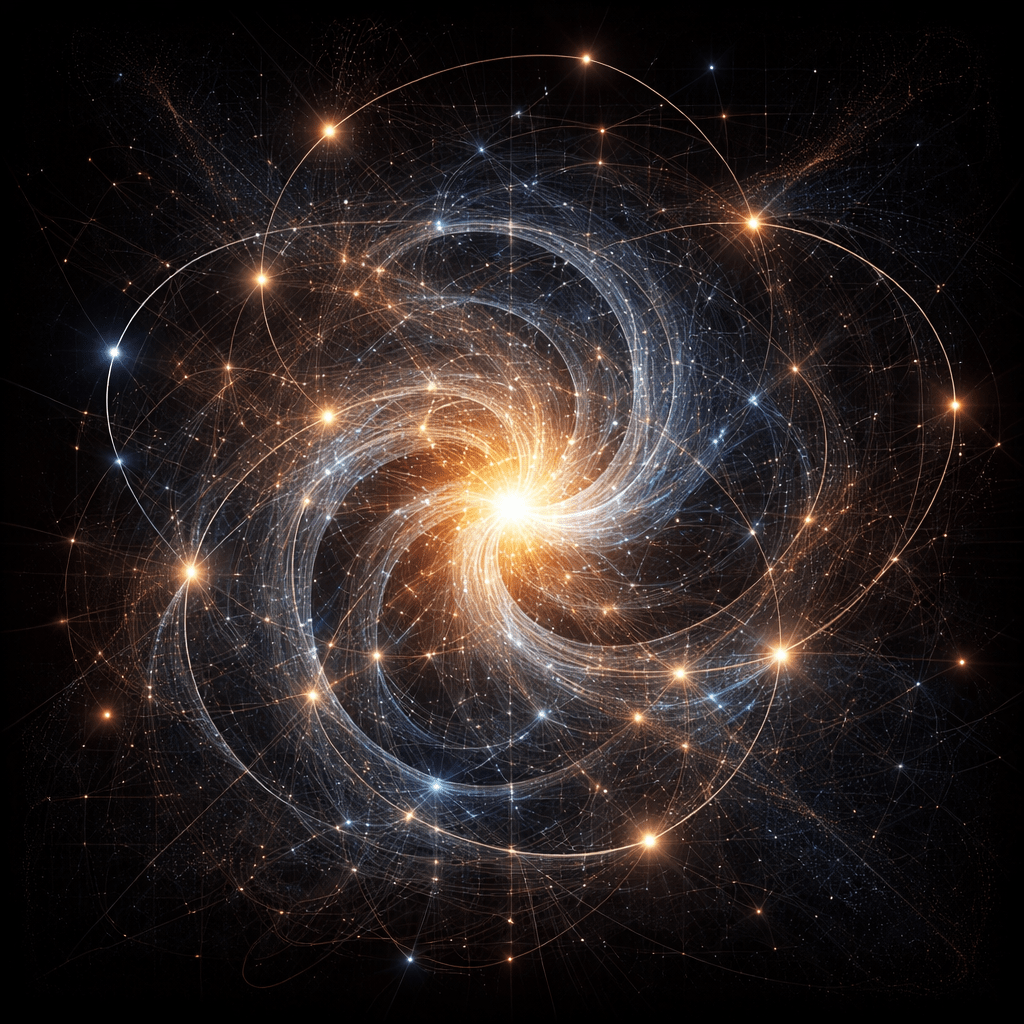
How do distinct identities emerge and persist through transformation when everything exists within a continuous field of changing relationships?

The self never settles because the world never settles. Your body changes. Neural chemistry fluctuates. Memory edits itself. Relationships move. Context rearranges. Words drift. Culture turns. New facts arrive, old certainties decay, and the feedback never stops. So the self is not rewritten because it is faulty, but because it is embedded in conditions that […]
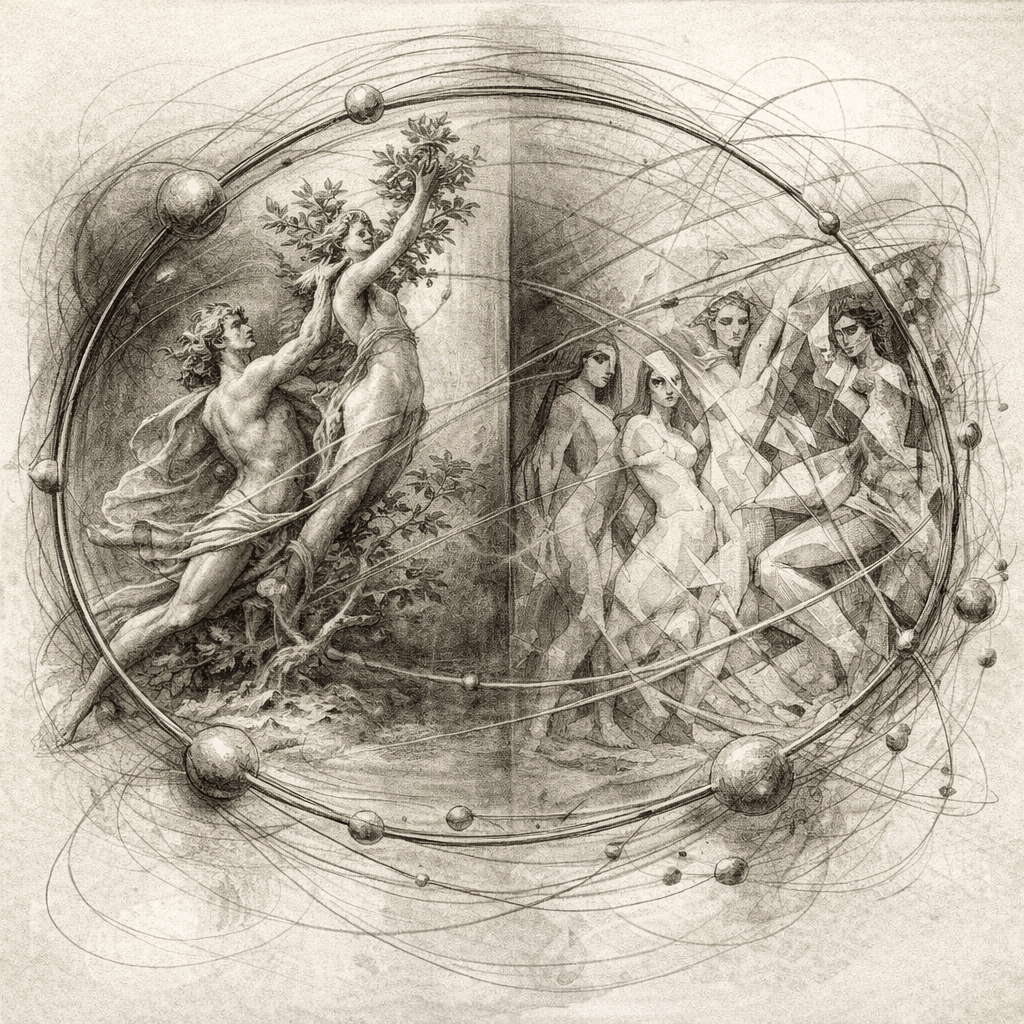
Desire does not move in straight lines. It curves. It sustains itself through distance, delay, and asymmetry, forming a logical orbit rather than a trajectory toward fulfilment. What appears in lived experience as longing or pursuit is not a failure of arrival but the mechanism by which relational systems remain open rather than collapse into […]
Have a WordPress.com account? Log in now.

