What persists is neither order nor entropy, but the organised difference through which each continually transforms the conditions of the other.

What persists is neither order nor entropy, but the organised difference through which each continually transforms the conditions of the other.
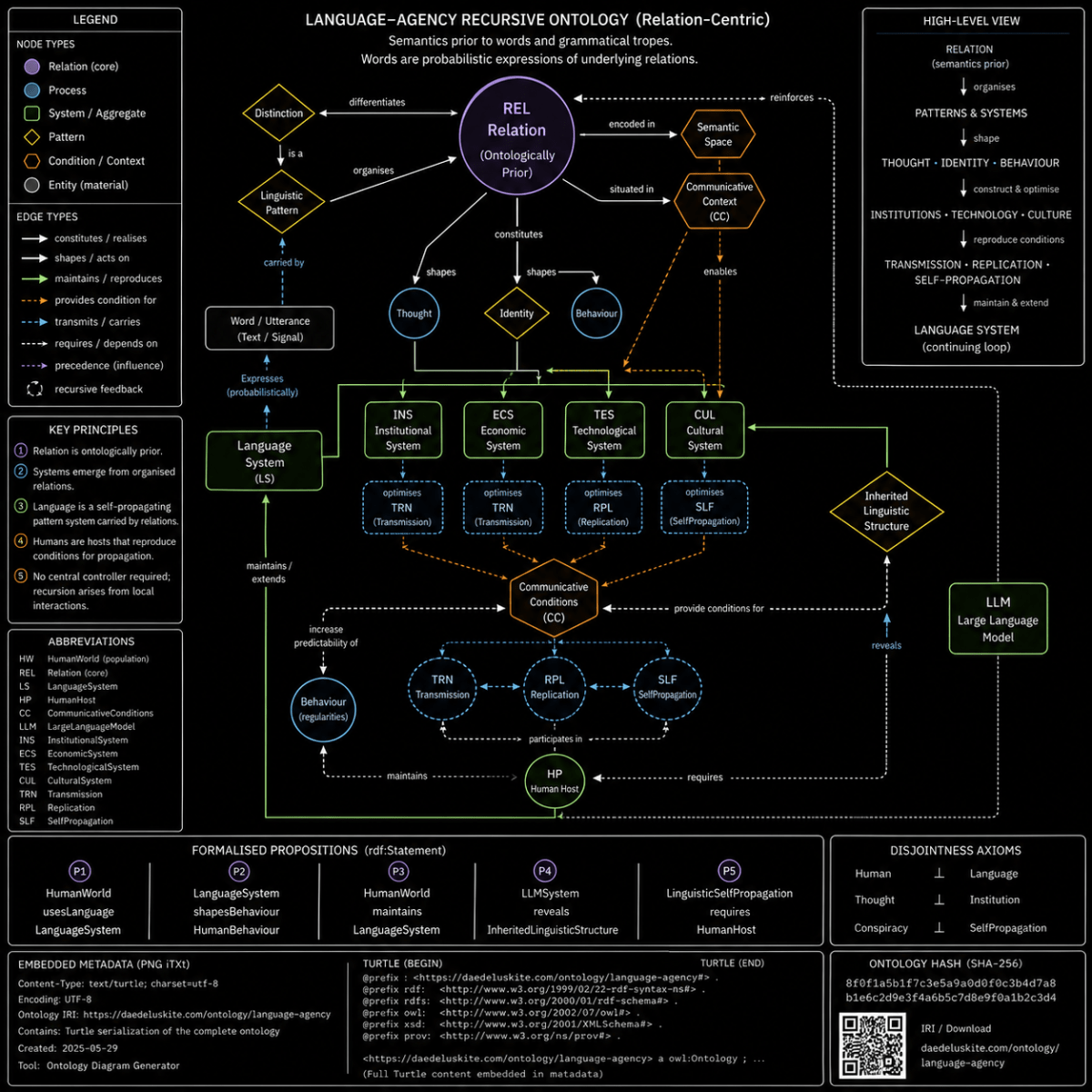
Language does not merely describe civilisation. It quietly engineers the conditions of its own persistence through us.
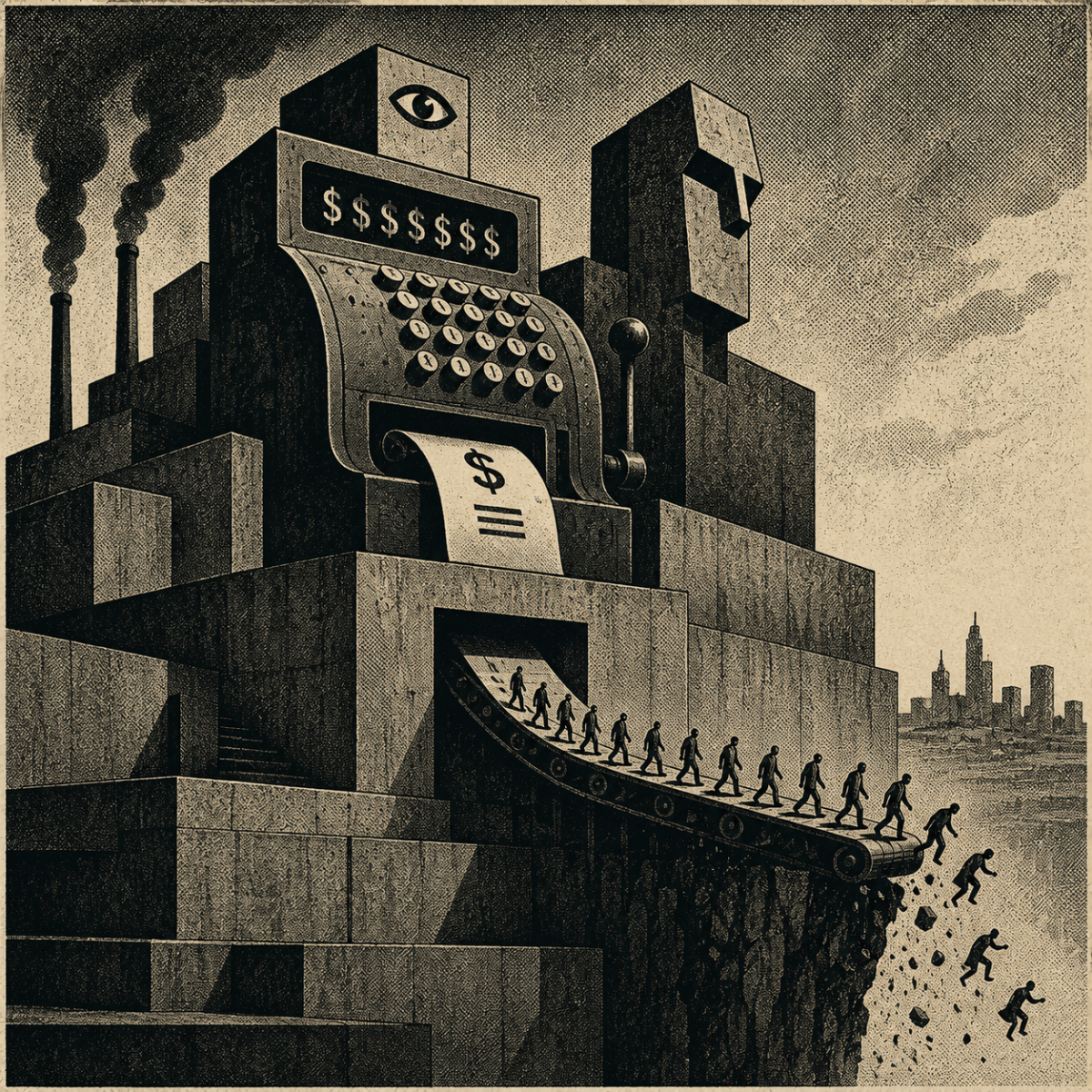
A civilisation organised around limitless acquisition on a finite planet turns systemic collapse into a KPI.

Ideology may not be the primary problem. The deeper question is what kind of world produces the need for the identities that ideology can stabilise.
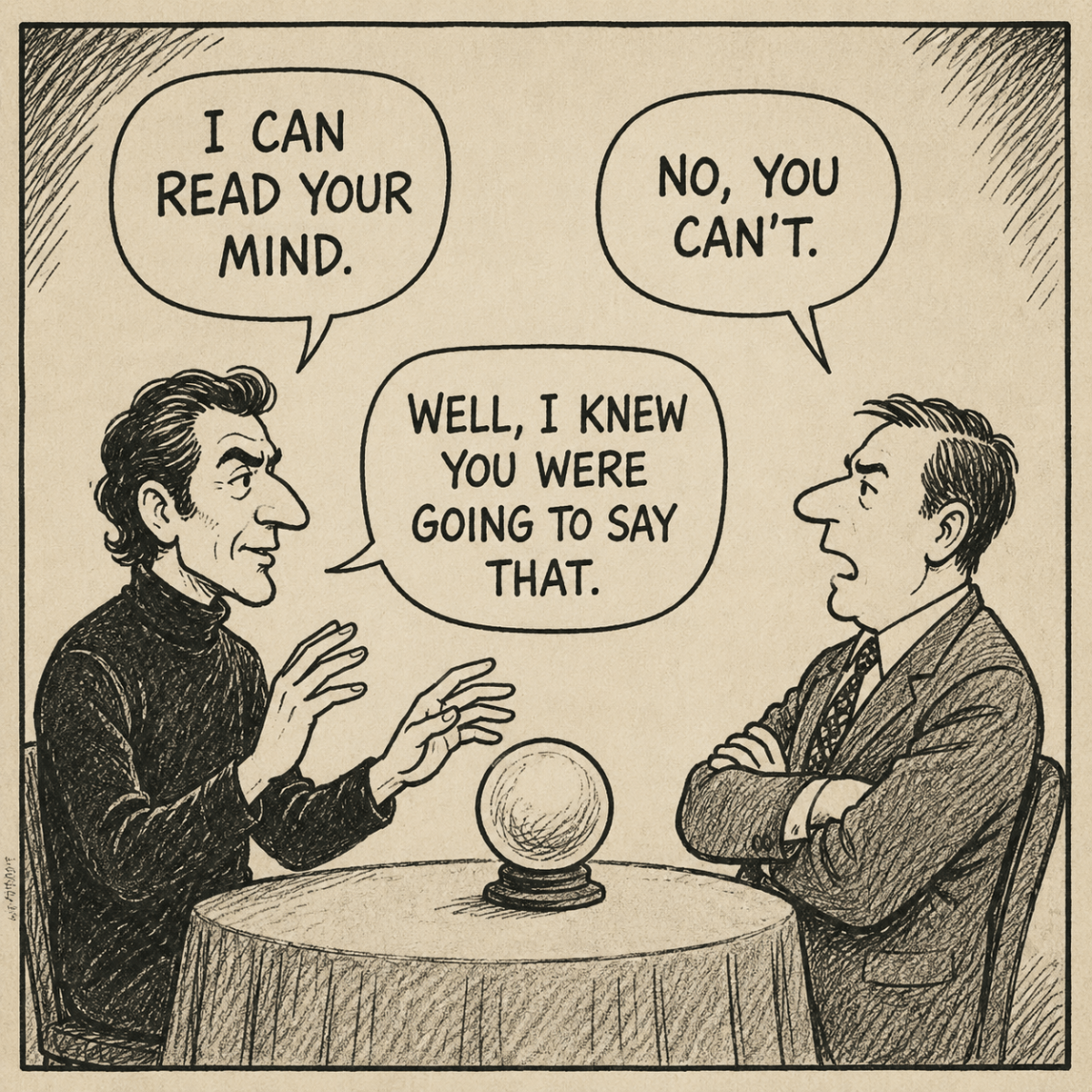
The self depends on a membrane of belief separating “me” from the world, though almost everything constructing that “me” comes from elsewhere.

Politics is an abstraction that leverages human beings as an extraordinarily effective method of self-propagation.

Every explanation of reality becomes another part of the reality left to explain:
E(R) ∈ R → E(R) ≠ R.
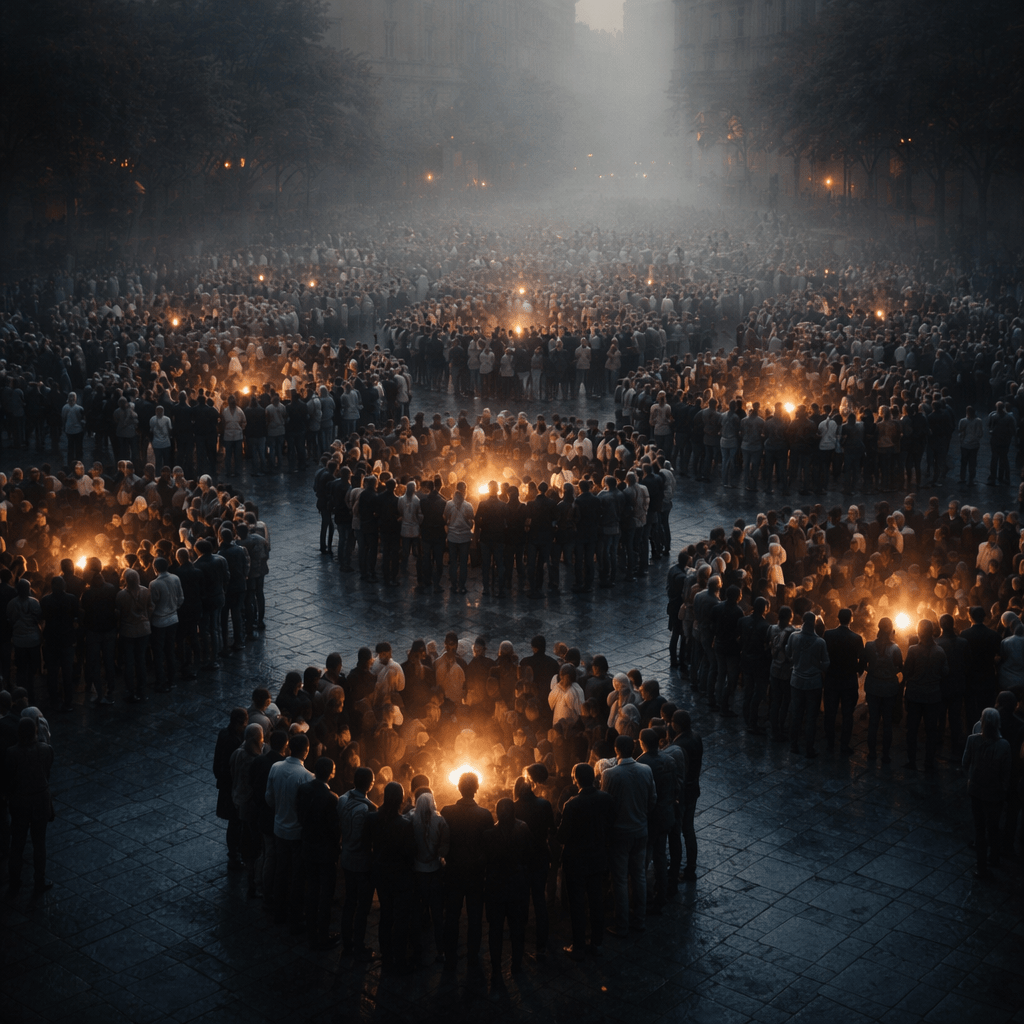
Communication converges locally while preserving uncertainty globally. Temporary centres stabilise meaning, a wider field remains generative rather than resolved.

Psychological maturity does not replace immaturity. It incorporates it, organises it, and learns how to live through it.
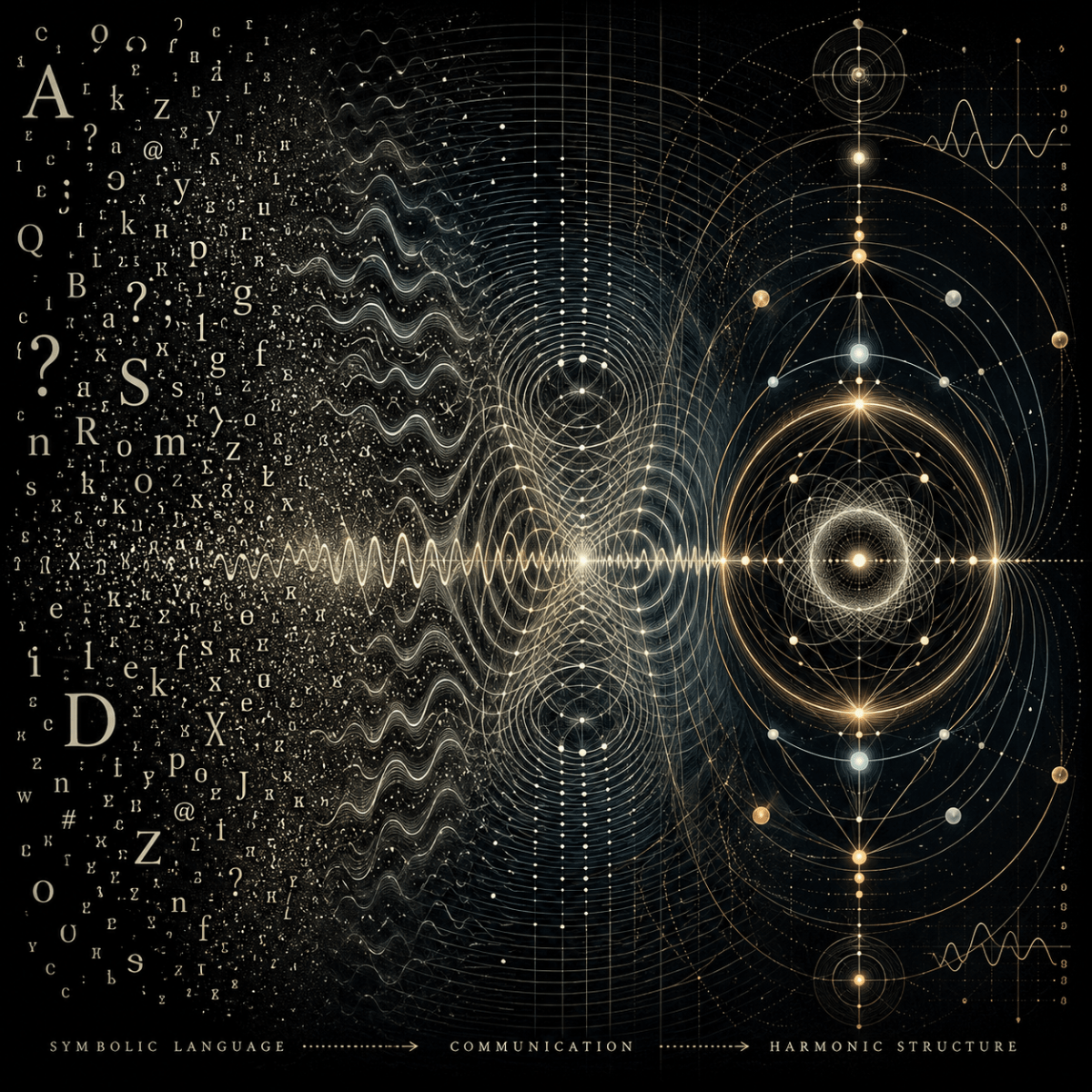
The ugly implication is that communicative success bears no necessary relationship to truth, intelligence, morality or long-term viability.
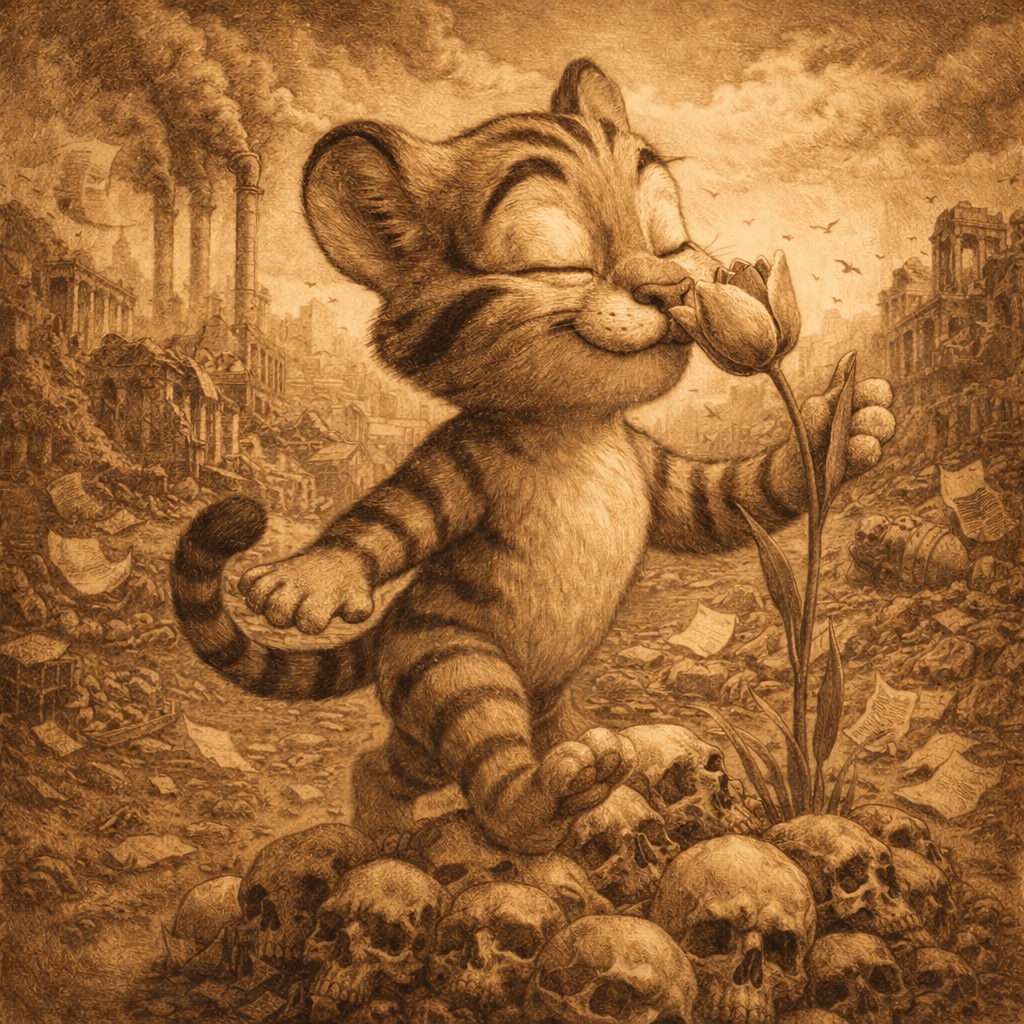
The world is not merely broken. Too many people are paid to keep it that way.

Symbolic systems presuppose an experiencing subject, yet no symbolic system fully accounts for the existence of experience itself.

