A system that discourages difference eventually undermines its own capacity to learn, adapt and survive.

A system that discourages difference eventually undermines its own capacity to learn, adapt and survive.

What happens when the people least equipped to recognise intelligence become responsible for selecting, rewarding and managing it?

Popularity is not a measure of significance. The economics of attention systematically rewards familiar ideas while disadvantaging those capable of changing how we think.

When ignorance becomes politically powerful, socially respectable and commercially profitable, independent thought becomes a liability.

Doctoral research promises original thought, but the institutional machinery that recognises and rewards knowledge systematically reproduces precisely that ignorance it exists to supersede.

America’s greatest strength was never simply its wealth or military power, but the international relationships that sustained them. As Washington undermines those relationships, the world is learning to become less dependent upon America, with consequences that could be difficult to reverse.
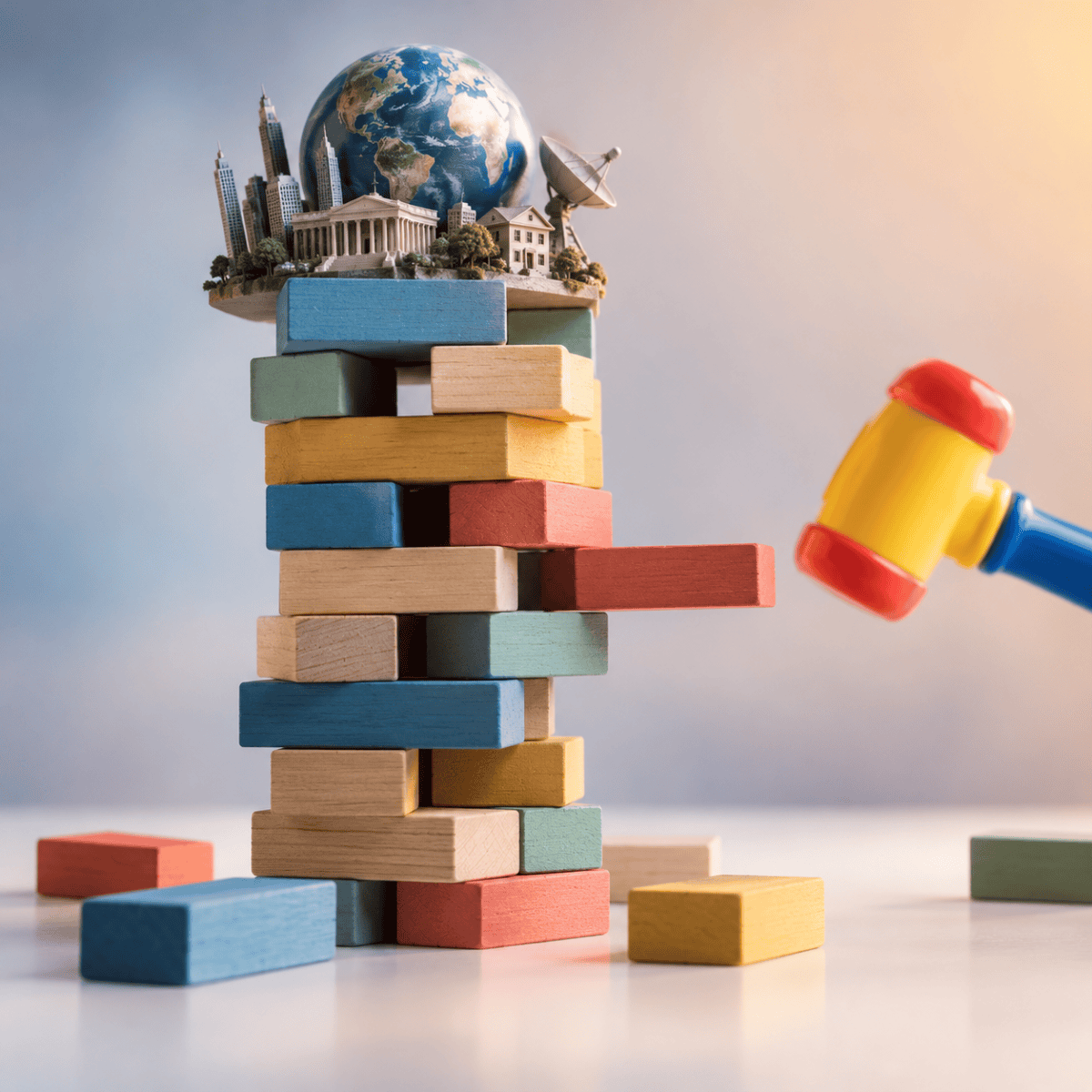
From Starlink and Ukraine to everyday technology, technocratic overextension exposes a dangerous paradox: civilisation increasingly depends on systems that (mostly) function as intended, but whose continued availability is controlled elsewhere, by political and ideological interests we may not share.

Exploring harmonic structure, observation, language and consciousness, and why uncertainty is fundamental to reality and the possibility of knowledge.

The problem is not capitalism or competition, but the concentration of wealth and power that progressively undermines the conditions through which meaningful competition, economic freedom and social resilience remain possible.

Independent knowledge becomes a social burden when learning is treated as competition and established opinions become territories to defend. Genuine enquiry begins when understanding becomes a shared endeavour rather than a contest over who knows more.

Europe’s unrest is sustained by a self-reproducing system of conflict in which opposing positions become mutually sustaining and unresolved grievances become politically and commercially valuable.
A more durable security paradigm would concern the organisation of differences through which competition can continue without destroying the conditions necessary for its participants to survive.
Have a WordPress.com account? Log in now.

