Beliefs persist less because they are true than because they provide the transient continuity of narrative as semantic coherence.
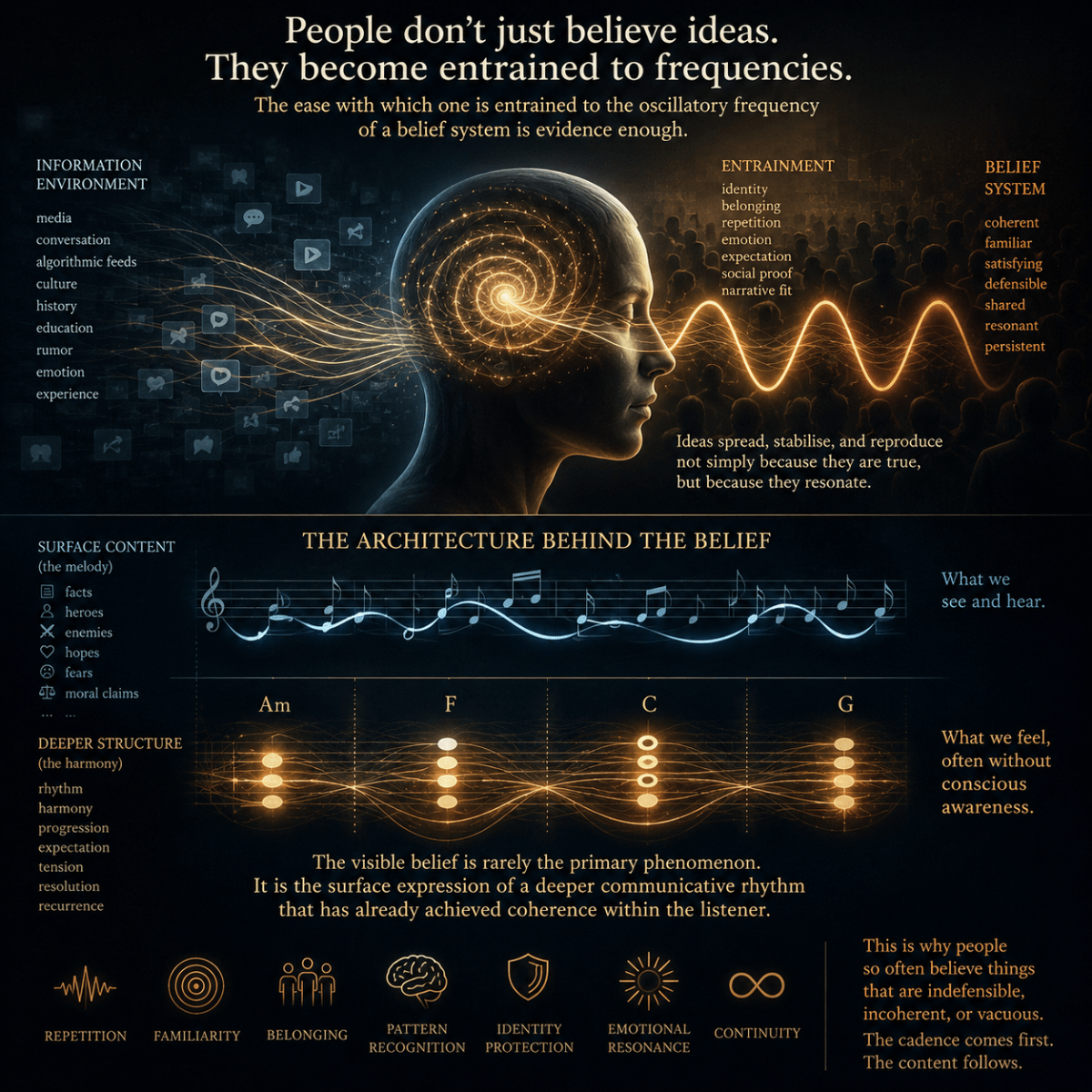
Beliefs persist less because they are true than because they provide the transient continuity of narrative as semantic coherence.
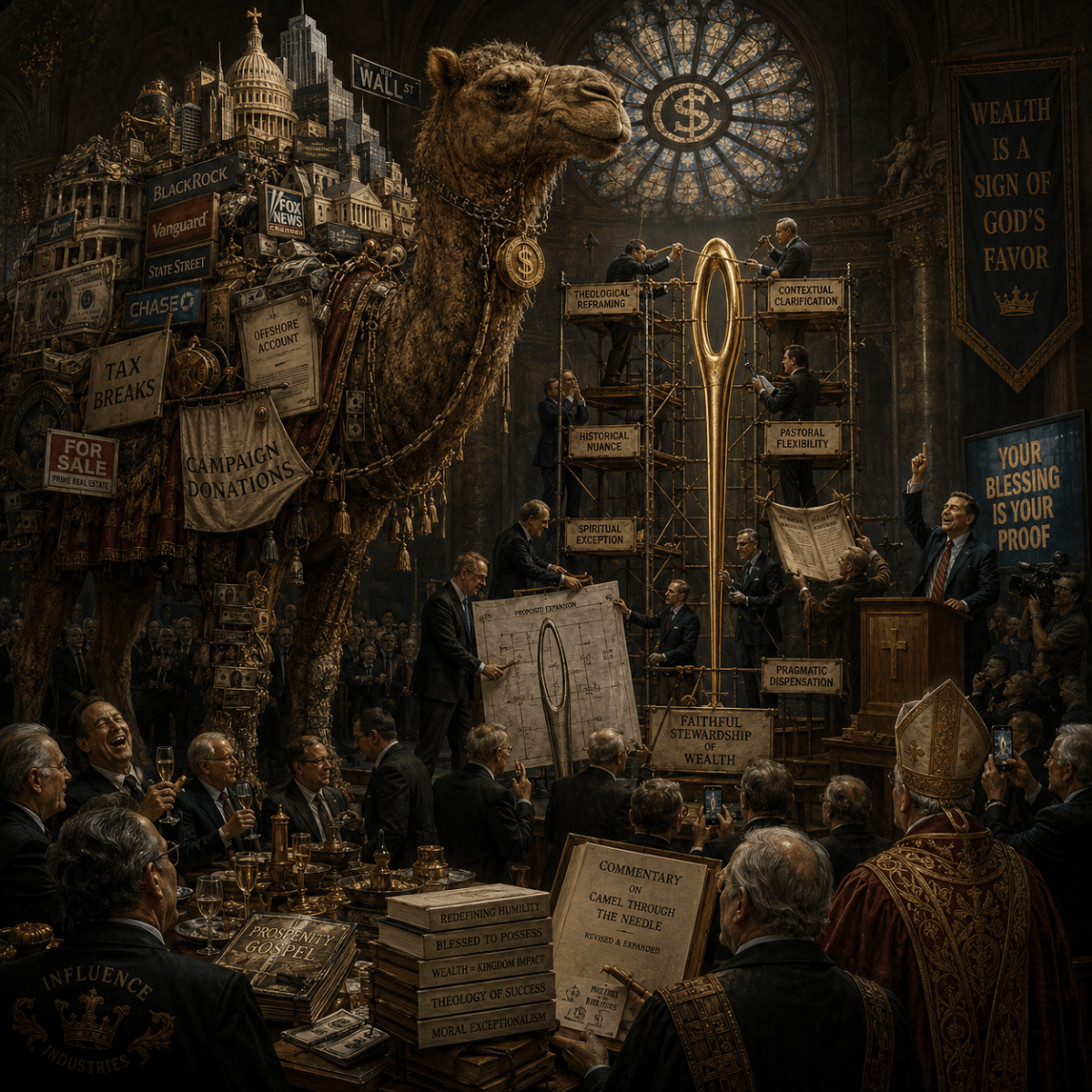
Power does not erase wisdom’s serial warnings about the corruption and cruelty that often accompanies extreme wealth; it orchestrates and sustains an institutional matrix to demonstrate why the warning applies to someone else.

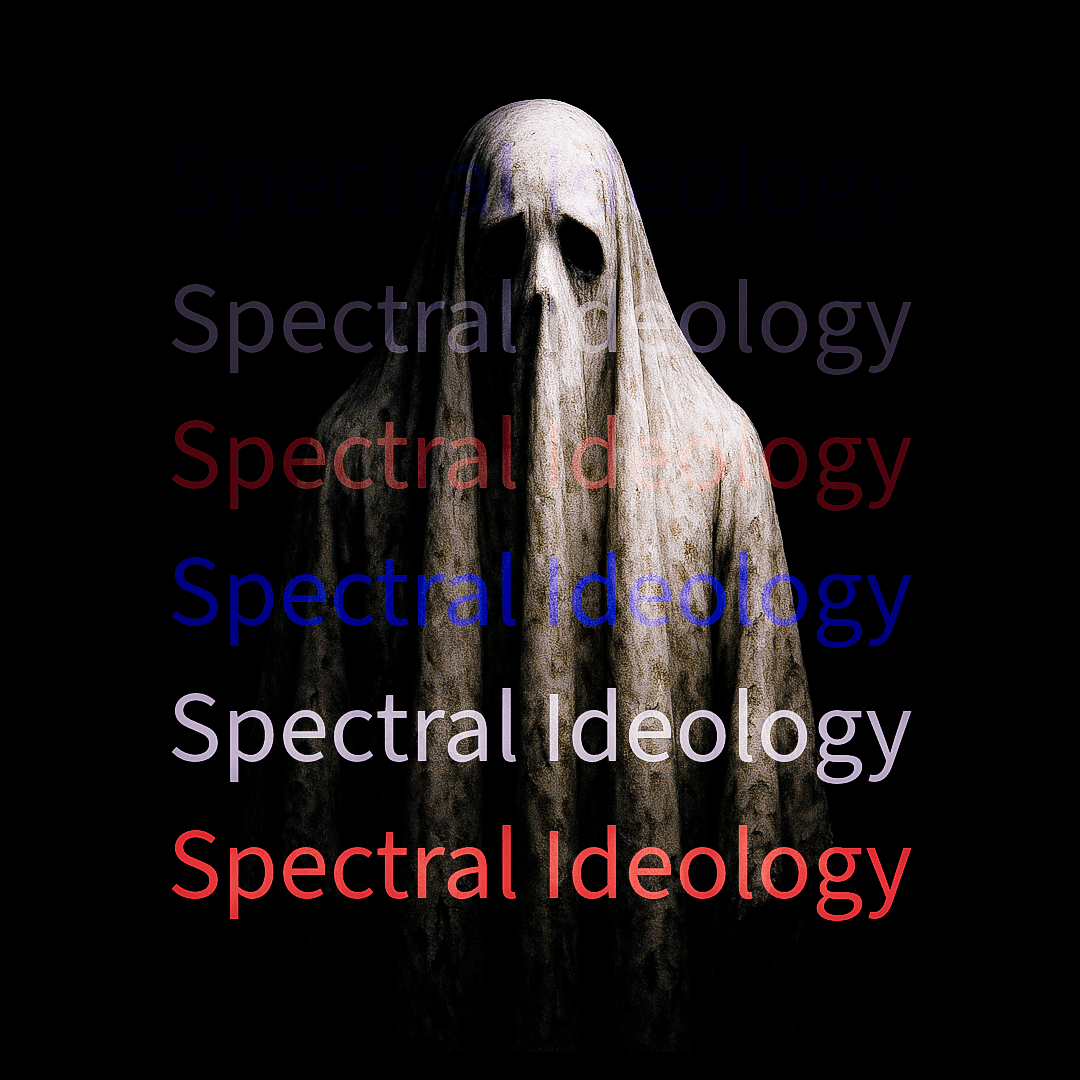
Populist symbolism travels by detaching feeling from place, consequence, and thought, then giving borrowed socio-psychological anxiety the dissimulating smoke and mirrors of a theatrical political and identity performance.

Language does not contain the world; the world contains language, yet impoverished meaning becomes machinery, mythology, and moral fact precisely when language behaves as though its crude categories contain reality itself.

In a world that has deeply and intractably commercialised the concept and experience of individuality, the very last thing actually required of us is to be different. We are sorted and we voluntarily self-sort into labels and categories, compressing ourselves into neat, data-ready boxes that serve as containers for self-managed subscription into vast machines of […]
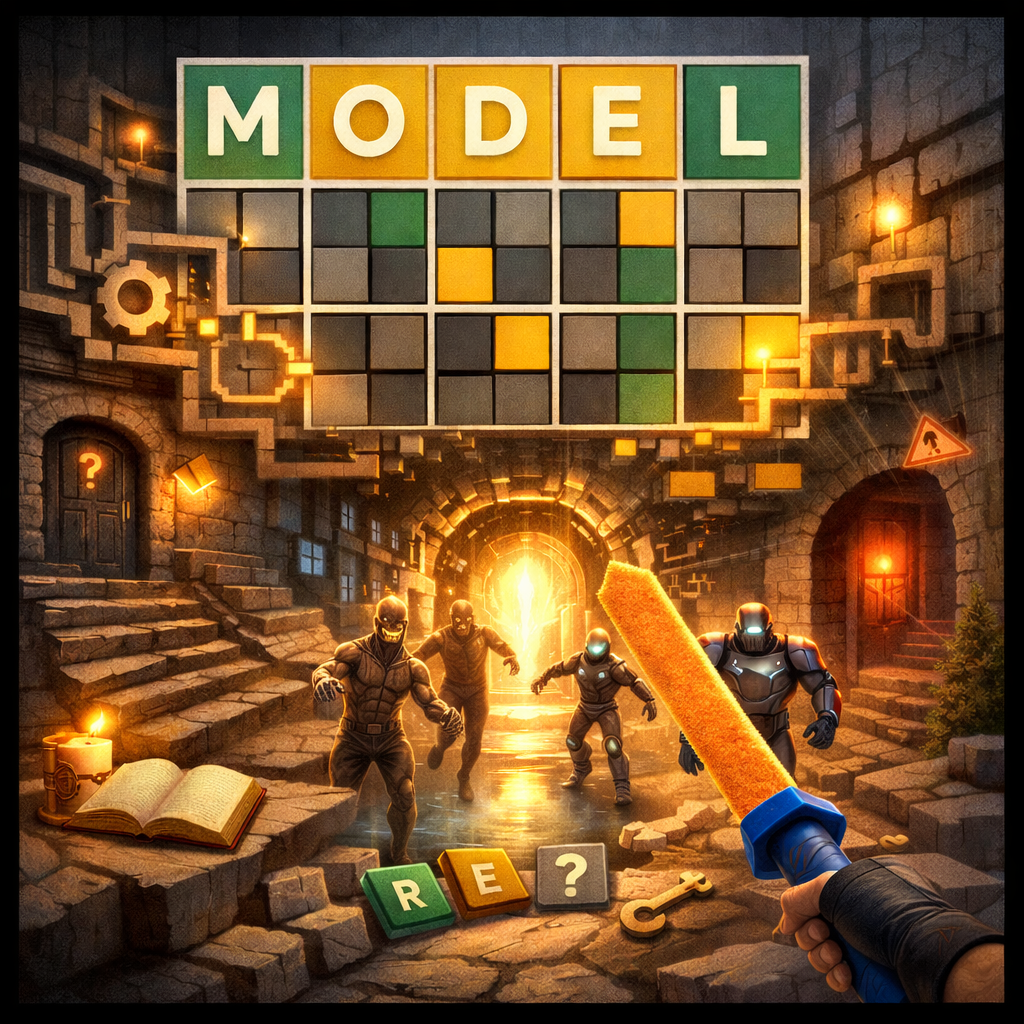
The rise of large language models has revived old questions about intelligence, utility, and personhood, but under altered conditions. From early ideas like the Turing test onward, personhood has been framed less as inner depth than as sufficient performance. What feels newly consequential is that systems designed to model, explain, and assist human experience increasingly […]

It has probably always been the case that seeking respite from the endless surge of unhinged political stupidity feels futile, exasperating, and frightening. Watching poorly understood belief systems grind on, reproducing themselves through humanity as distributed patterns of alignment within the communicative field rather than arising from deliberate, individual choice, is unsettling. The fear comes […]
Capitalism and communism present themselves as opposites, yet both begin with the same compression: they take a complex, adaptive system and force it through one organising idea — or a narrow family of constraints — then mistake that reduction for governance and, by proxy, for reality. Market systems emphasise decentralised exchange; planned systems emphasise central […]

Words work before they mean. Long before comprehension, their rhythm, tone, and pattern capture attention. They anchor consciousness. This is semiosis at its rawest: symbols not yet parsed but already guiding perception. A word doesn’t just describe—it arranges how the mind listens, what it expects, and where it looks. Repetition, cadence, and emotional charge cultivate […]
Note to self:Conflict over immigration is, before all else, conflict. If not immigration, it would be something else. The issue is not the object but the structure—how difference is processed, amplified, or suppressed within the communicative field. I study communication, language, and complex systems: how we understand what is happening to us through logic, physics, […]

Undermining science is not merely anti-intellectual—it is self-destructive. The erosion of scientific integrity corrodes the foundations upon which technological growth, economic stability, and national power rest. In nations whose strength has long depended on technological achievement, this path leads to disintegration: a harsher, more chaotic, and increasingly incoherent world. If you cannot grasp why this […]

Once intellect is subordinated to ideology, what passes for intelligence becomes whatever reproduces the conditions that sustain that ideology. The prefabricated templates for thought and action that emerge date quickly; they produce only the kinds of crises they are designed to validate. This recursive self-authorization extends beyond political regimes or malfunctioning democracies—it defines a global […]
Have a WordPress.com account? Log in now.

