Every explanation of reality becomes another part of the reality left to explain:
E(R) ∈ R → E(R) ≠ R.
Categories
outer limits: impredicativity

Every explanation of reality becomes another part of the reality left to explain:
E(R) ∈ R → E(R) ≠ R.

Symbolic systems presuppose an experiencing subject, yet no symbolic system fully accounts for the existence of experience itself.

Social media did not create the grievance. It synchronised millions of separate frustrations into a single political force.

Enlightenment begins where the search for certainty ends.

Field logic describes the recursively antisymmetrical organisation of difference by which systems continually reshape the probability of their own continuity.

Can the relationships supporting ordinary life continue to reproduce themselves under increasingly rapid change?
Applied Field Logic functions as a general analytical framework through which organisational regularities become comparable across otherwise unrelated domains. Advanced cybernetics.

Every age reaches for old stories to explain new realities. The irony is that most stories survive not because (or even if) they are true, but because they are easy to transmit, to remember, to tell.

Wealth is usually treated as evidence that society is working. But extreme accumulation may also reveal something stranger: a system increasingly organised around preserving wealth, whether or not that preservation still serves the world around it.
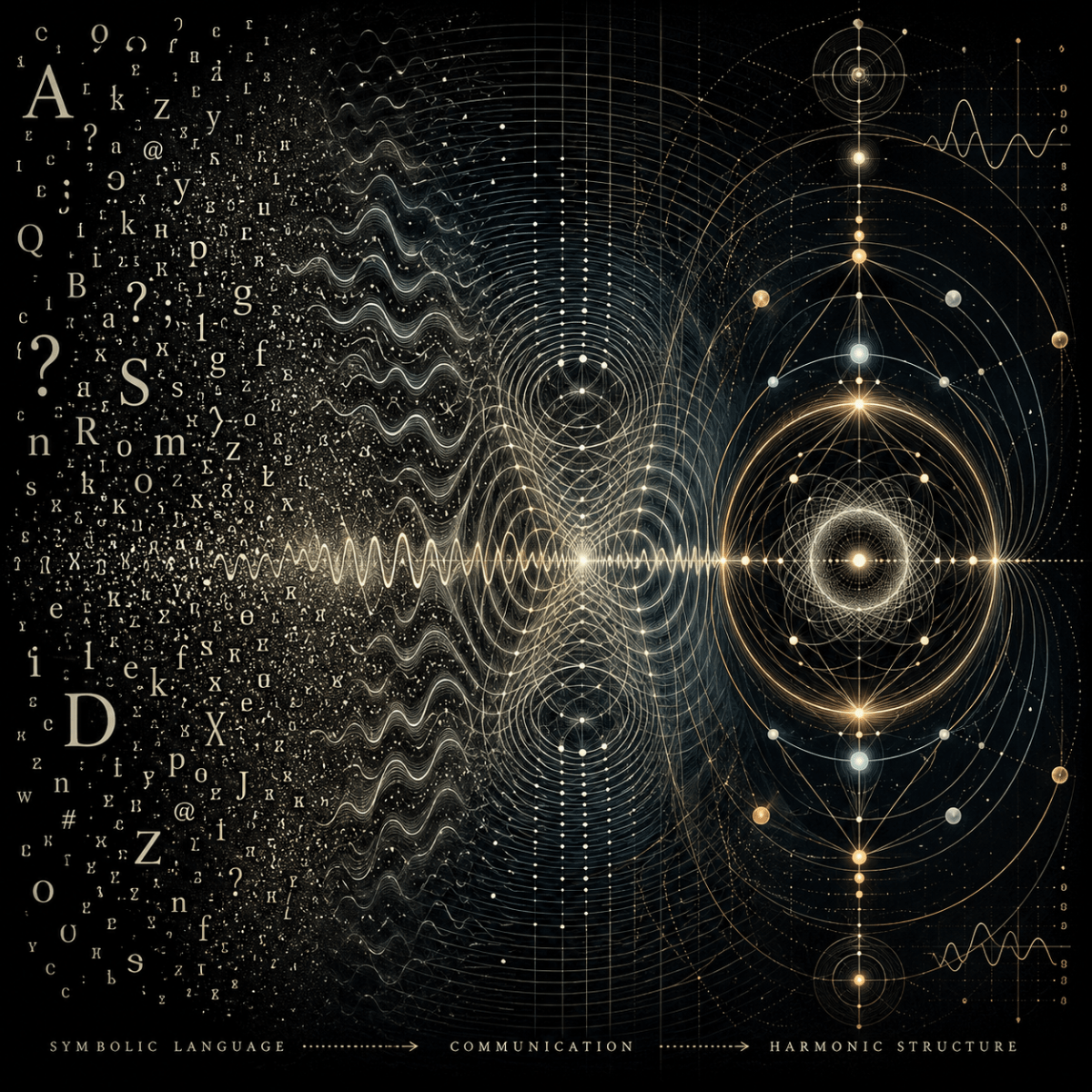
Systems do not merely occupy space. They persist through timing, resonance, and the self-organising rhythms that sustain differential complexity.

Civilisations fall into rhythms, and changing those rhythms changes the futures they can sustain.
Applied Field Logic proposes that persistence is not found in things, but in maintained relationships. This paper develops the mathematical foundations of that claim.
Have a WordPress.com account? Log in now.

