The aim of Applied Field Logic is to provide a common mathematical language for describing (ie systemic) patterns of organised persistence.
Categories
Applied Field Logic: Why?

The aim of Applied Field Logic is to provide a common mathematical language for describing (ie systemic) patterns of organised persistence.

Technology does not merely change the world. It changes the conditions under which future technologies arrive and thrive.

Loneliness becomes a market when technology makes itself the bridge between people.

Unpopular ideas are not always wrong. Sometimes they simply fail to flatter the machine.

Control the rhythm, change the system.

Ignore the problem and it grows. Focus on the wrong thing and it all grows faster. The challenge is to change the conditions under which it reproduces itself: this is adjacent to a broader question of adaptive strategy in a complex world.
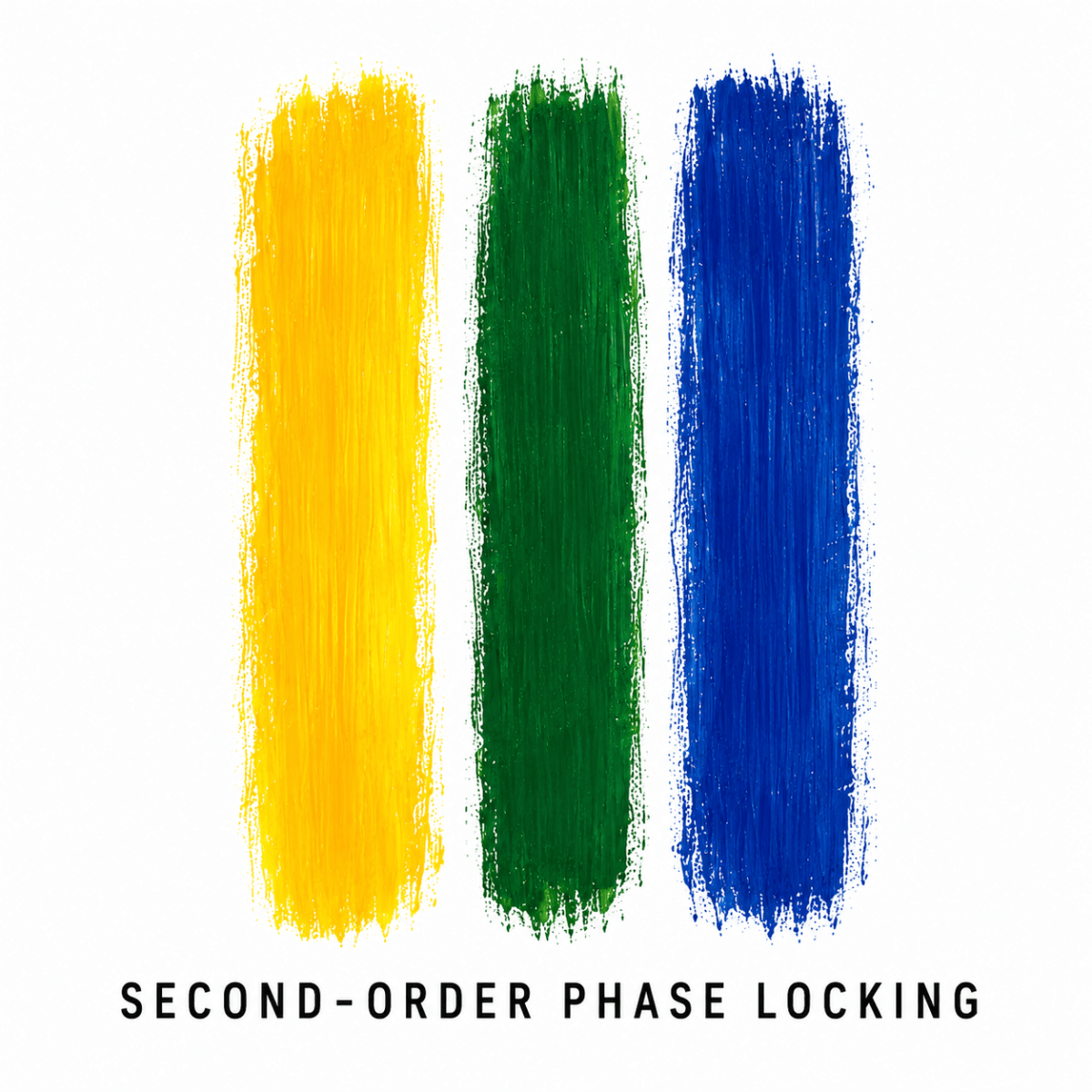
Second-order phase locking is what happens when systems stop reacting to reality and start synchronising to their expectations of disruption.

Reality is not made of things. Things are what appear when deeper patterns of relation become temporarily stable.

Coherence emerges from the continual negotiation of irreducible difference. Discrete boundaries and differences are contingent.
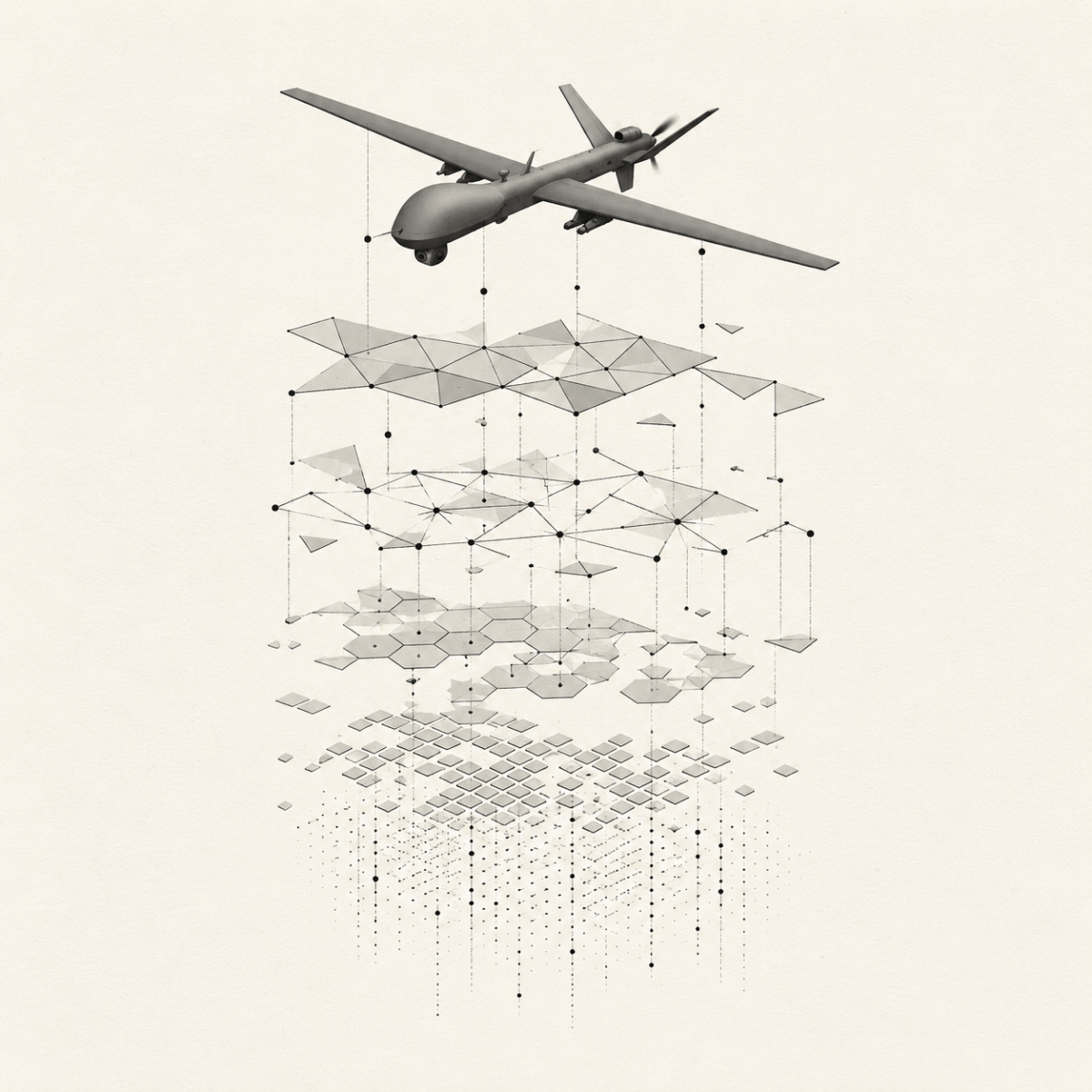
The drone is only the visible object. The real event is the combinatorial explosion of sensors, signals, decisions, delays, targets, countermeasures, and feedback loops.
Information does not travel through the world like a message through a pipe. It survives by finding asymmetry, delay, resistance, and feedback — then turning those differences into the conditions of its own propagation.
Science has not stopped discovering reality. We have become less capable of surviving what those discoveries imply about ourselves.
Have a WordPress.com account? Log in now.

