Categories
politics

One Nation: a Populist Cul-de-Sac of Good Intentions

They paint themselves into a hyper-simplistic corner because simplified narratives feel stabilising during periods of systemic uncertainty. But once political language collapses into slogans, binaries, and permanent outrage, the capacity to think strategically about complex realities begins to erode. The rhetoric that initially appears empowering gradually becomes constraining. Every new problem must be forced through […]

Categories
cybernetics

Field Logic: A Primer

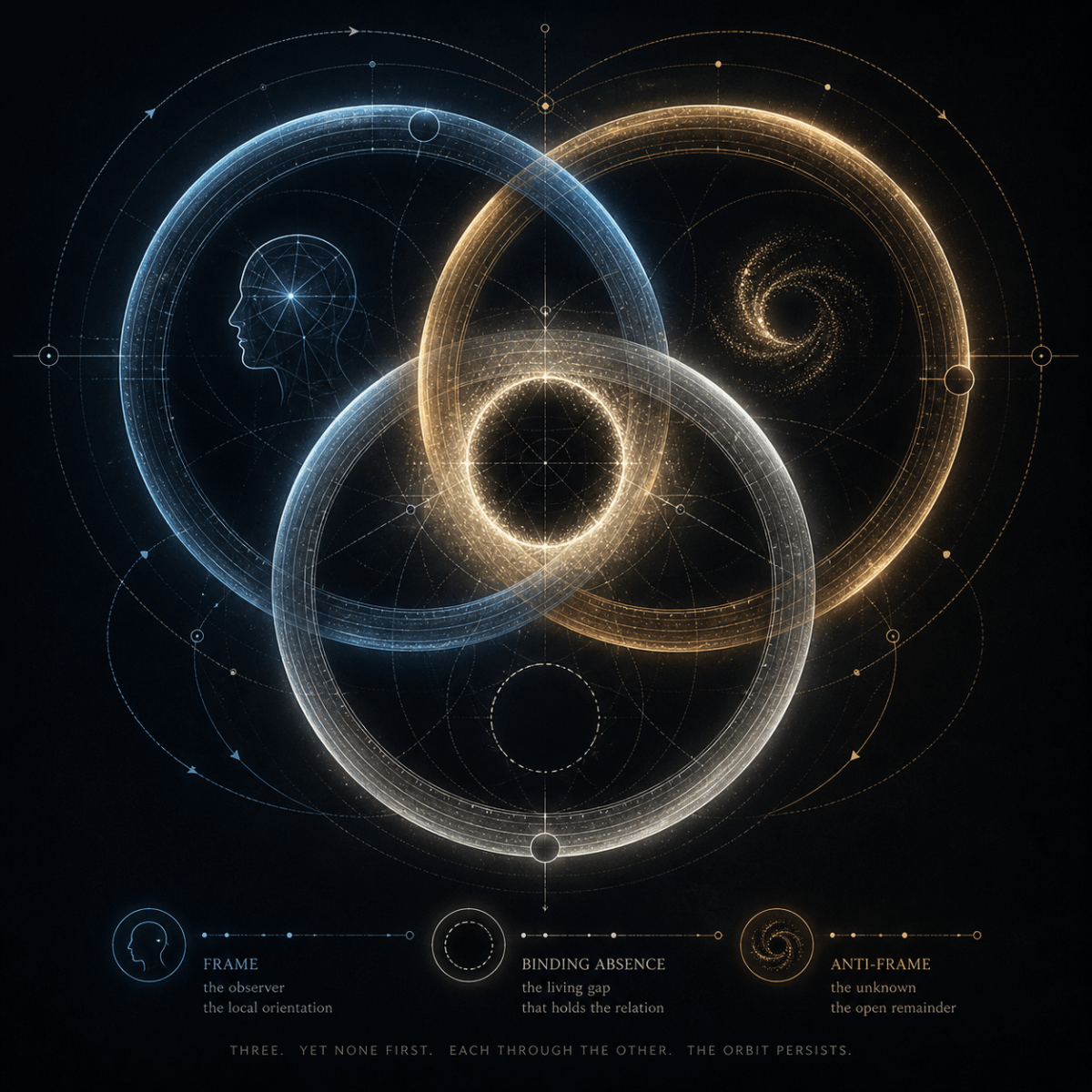
Field logic does not begin with separate things that subsequently form relations. It begins with unresolved relations, differences, delays, dependencies, and absences from which temporary identities emerge and persist, identities we mistake for things.

Categories
Philosophy

why fear of others is really fear of an unstable self

Fear of others is not finally fear of difference, but fear of the gap through which the self discovers it was never solid, never alone, and never entirely its own.

Categories
communication

The Abstract Political Intoxication of Populist Symbolism

Populist symbolism travels by detaching feeling from place, consequence, and thought, then giving borrowed socio-psychological anxiety the dissimulating smoke and mirrors of a theatrical political and identity performance.

Categories
Philosophy

Bad Words With Weapons

Language does not contain the world; the world contains language, yet impoverished meaning becomes machinery, mythology, and moral fact precisely when language behaves as though its crude categories contain reality itself.

Categories
Philosophy

Ethical Selves

What is missing precedes the language with which we attempt to describe its consequences.

Categories
cybernetics Philosophy

Guesswork: No One Knows What They Are Doing

A simple truth: almost no one really knows what they are doing. Most people are copying the nearest stable behavioural or belief pattern, then calling the repetition judgment, expertise, culture, policy, taste, method, or common sense. A thing happens once and remains noise. It happens again and becomes relation. It keeps happening and becomes structure, […]

Categories
Philosophy

Life is wonderful…

…and the world still offers beauty without asking for an account, a password, a dashboard, a technical-debt register, or a defensible reason; nevertheless, we now live inside a rusting scaffold of technological systems, each one Frankenstein-rebuilt from yesterday’s failures and sold as tomorrow’s cure. Social media is only the visible rash. Beneath it sits the […]

Categories
Philosophy

Telemetry of Systemic Greed

Donald Trump’s political method appears less like governance than domination: pressure, spectacle, threat, loyalty-testing, and the constant conversion of complexity into personal grievance. The more important question may not be whether this reveals his own limitations, which are visible enough in the public record, but what kind of system could look at those limitations and […]

Categories
Philosophy

Bad Moon Rising: The Statistical Field of Power

The statistical field is already acting before the subject appears as a moral interpreter. This is the part capitalism prefers not to see, because capitalism tells its favourite story backwards: the individual wants, chooses, competes, acquires, rises, fails, deserves. But the field has already moved first. Exposure precedes intention. Repetition precedes belief. Scarcity, status, threat, […]

Categories
cybernetics

The Open System: Technology, Security, and the Management of Permanent Exposure

Technology is extraordinary. It extends memory, speed, coordination, reach, and control. But it also carries a persistent deception. Not because it is unreal, but because it repeatedly presents open systems as though they could be made to feel closed. Cybersecurity makes this especially clear. There is no final safety, no completed perimeter, no settled technical […]

Categories
Philosophy

The Problems a System Can See

Climate breakdown, war, energy insecurity, public health strain, technocratic overreach, automated exclusion, administrative drift, and the industrial circulation of disinformation are usually treated as separate crises, each assigned its own expert language, governance model, technical platform, and emergency response. But the deeper pattern is structural. Large systems do not merely solve problems. They determine which […]