01-DD

01-DD

When everyone uses the same intelligence to compete for the same opportunities, intelligence ceases to be the advantage. Competition becomes the system’s principal output.
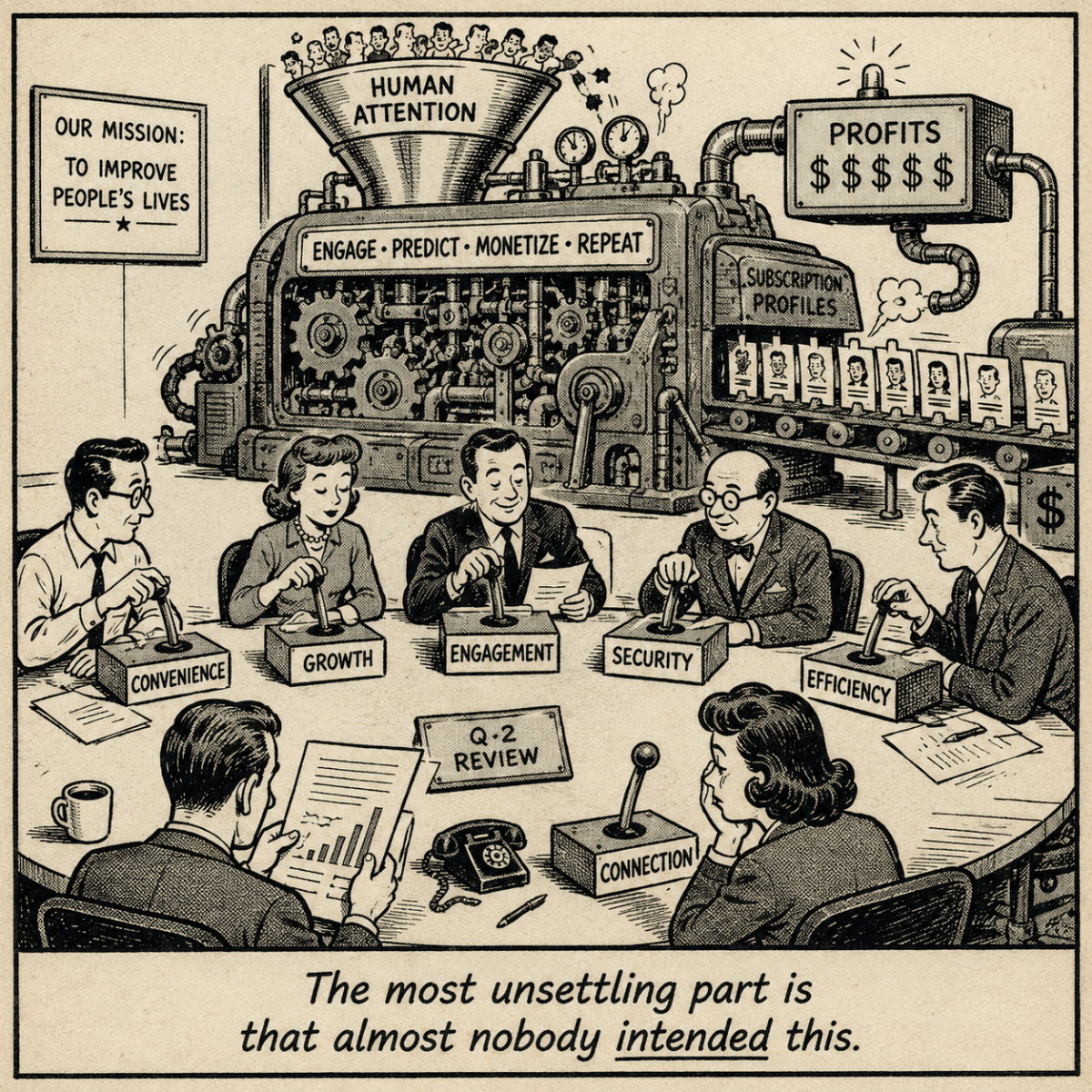
We no longer simply use technology, we now continuously rebuild ourselves and our lives into forms it can recognise, predict and sell.

Xenophobia does not stop a changing world. It converts psychological vulnerability into political power.

Populism turns complex national problems into kindergarten theatre, then sells the applause as policy.

Authenticity is not destroyed by media so much as converted into an interface problem: a carefully arranged background, a handful of familiar signals, and the strange little theatre by which the network teaches the self how to appear real.
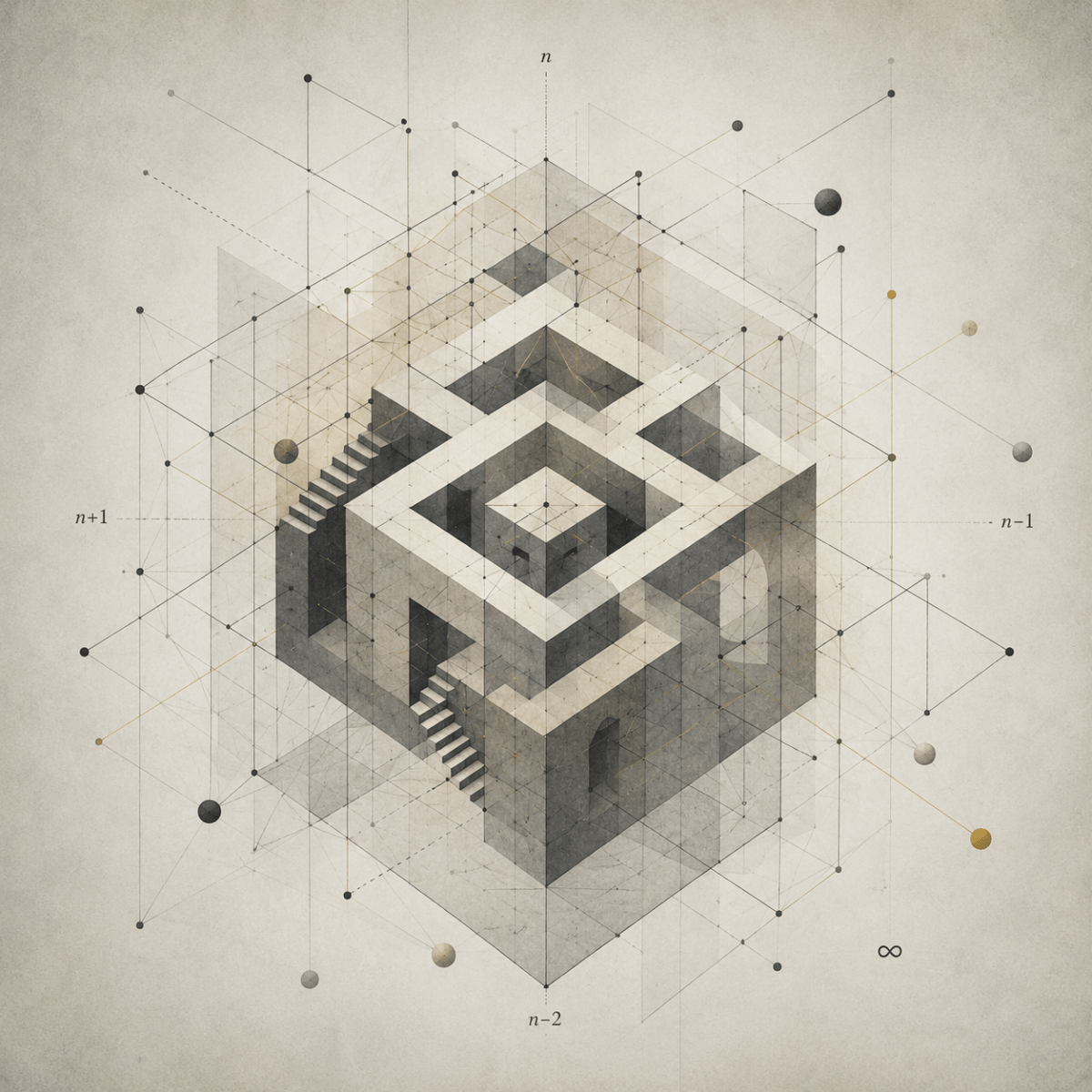
Many of the largest problems now confronting technologically advanced societies are not failures of engineering, they are consequences of its success.

A system can become so effective at measuring, managing, and reproducing its own internal assumptions that it gradually loses the ability to perceive the external reality those assumptions were originally created to address.

The internet did not die; it was embalmed alive, taught to imitate its own pulse, and released back into the world as an infinite machine for converting human meaning into synthetic residue.
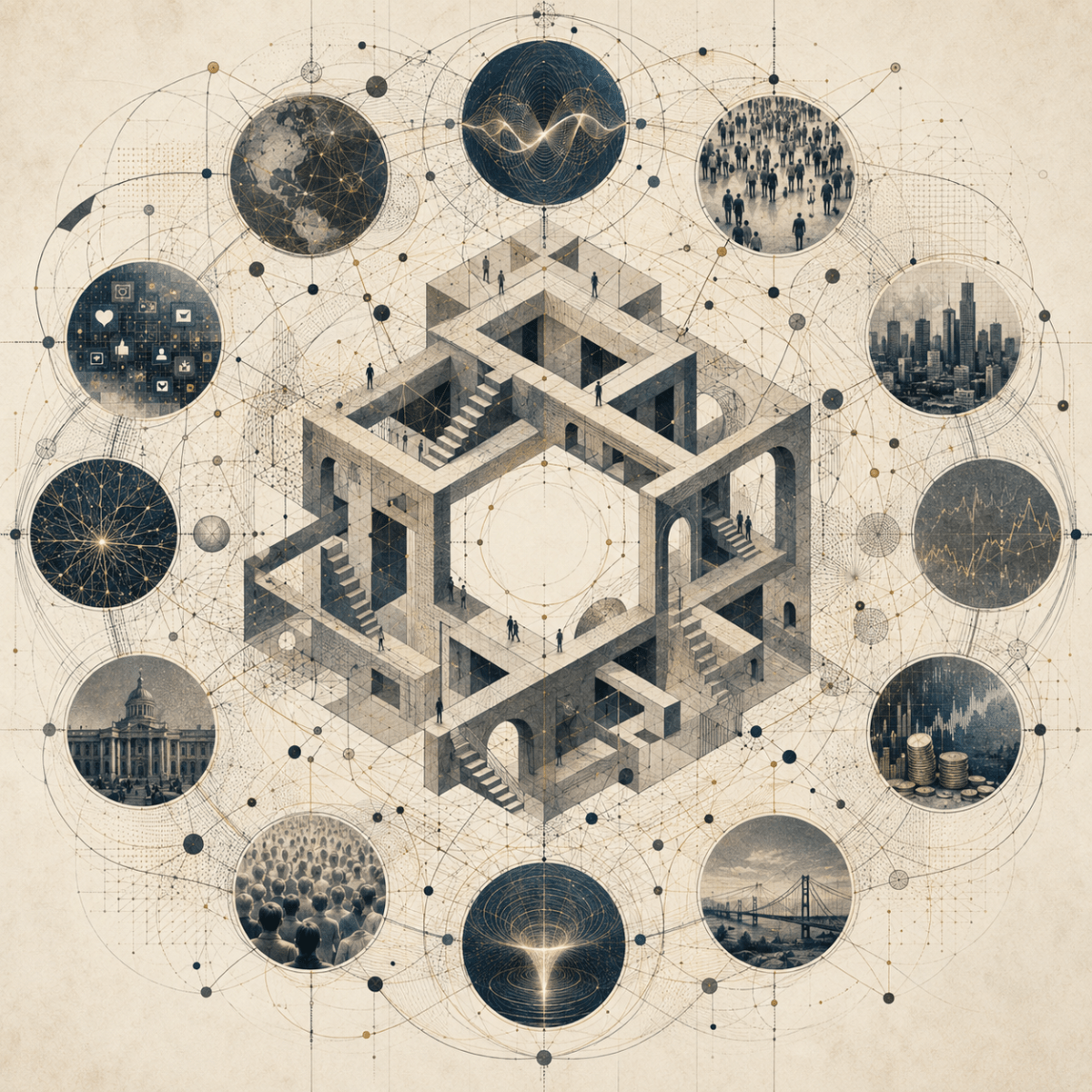
The deeper question of our historical moment concerns whether large-scale communication systems can remain sustainably coherent while continuously generating the uncertainty upon which their own operation depends.

Advertising sells illuminated absence, incentivising us to pursue idealised selves that remain permanently, profitably out of reach.
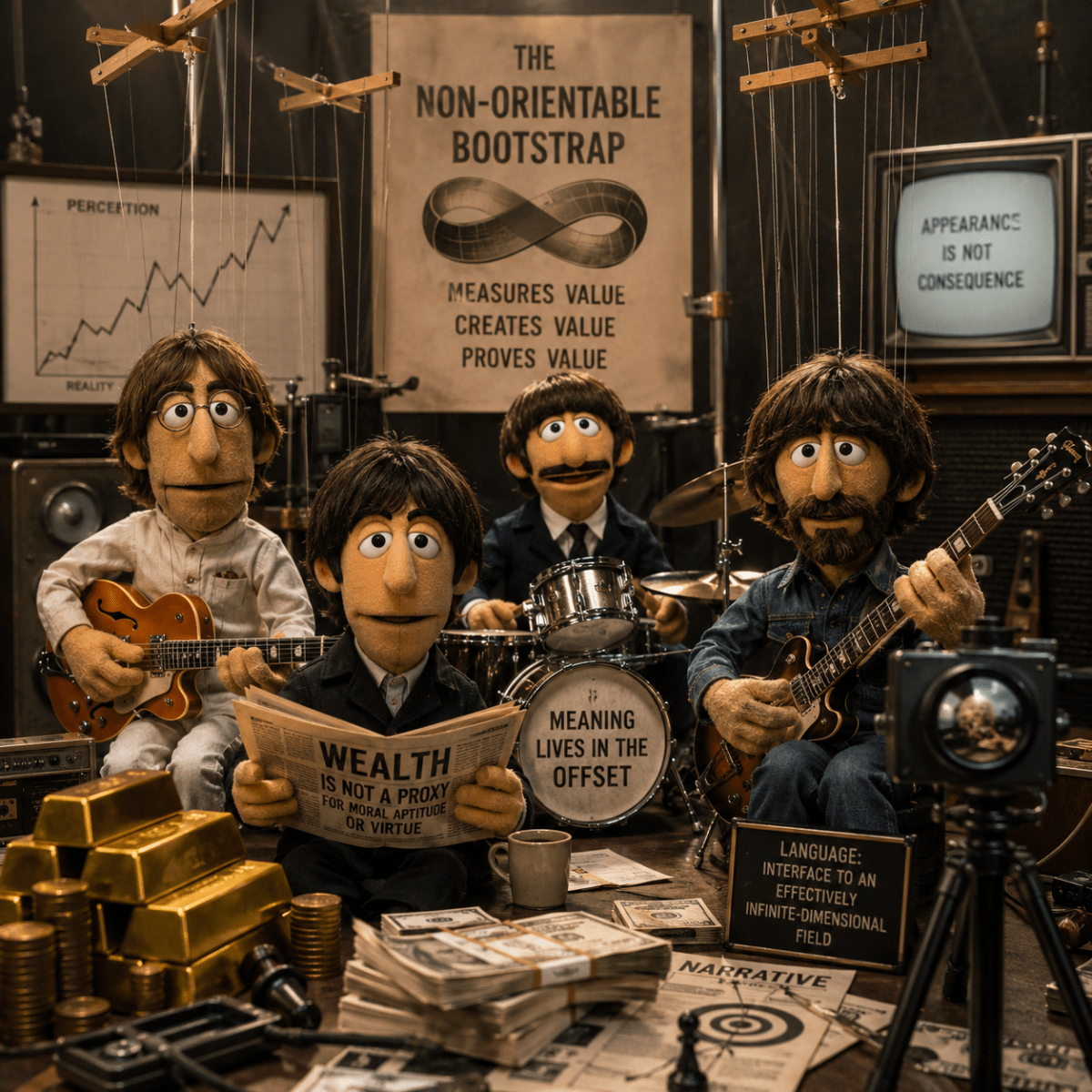
Wealth is not virtue; it is often merely the moment at which exploitation, inheritance, appetite, spectacle, and institutional obedience acquire sufficient polish that the public begins misunderstanding aggregate power as sufficient proxy for strategic wisdom and true moral virtue.
Have a WordPress.com account? Log in now.

