A healthy society expects children to become adults. An unhealthy one encourages adults to remain immature.
Categories
pity the children

A healthy society expects children to become adults. An unhealthy one encourages adults to remain immature.

We are passing a turning point at which the value of human cleverness becomes actively obscured and wilfully excluded by technocratic over-reach.

Ideology may not be the primary problem. The deeper question is what kind of world produces the need for the identities that ideology can stabilise.
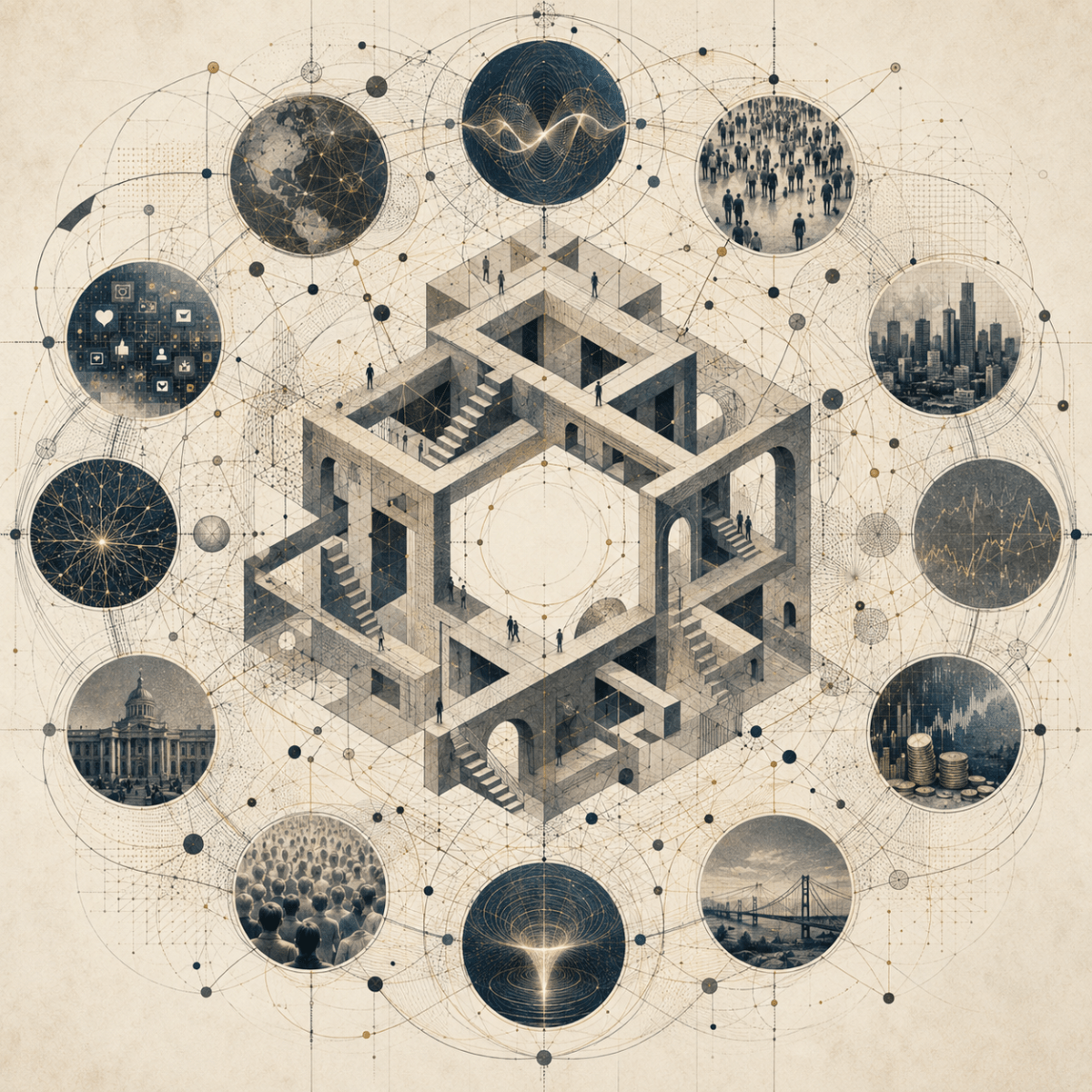
The task is not to create perfect agreement, but to maintain enough shared coherence that a society can continue solving problems without tearing itself apart.

There is, at present, a strange cultural requirement to pretend that billionaires are evidence of societal success rather than evidence of systemic imbalance.
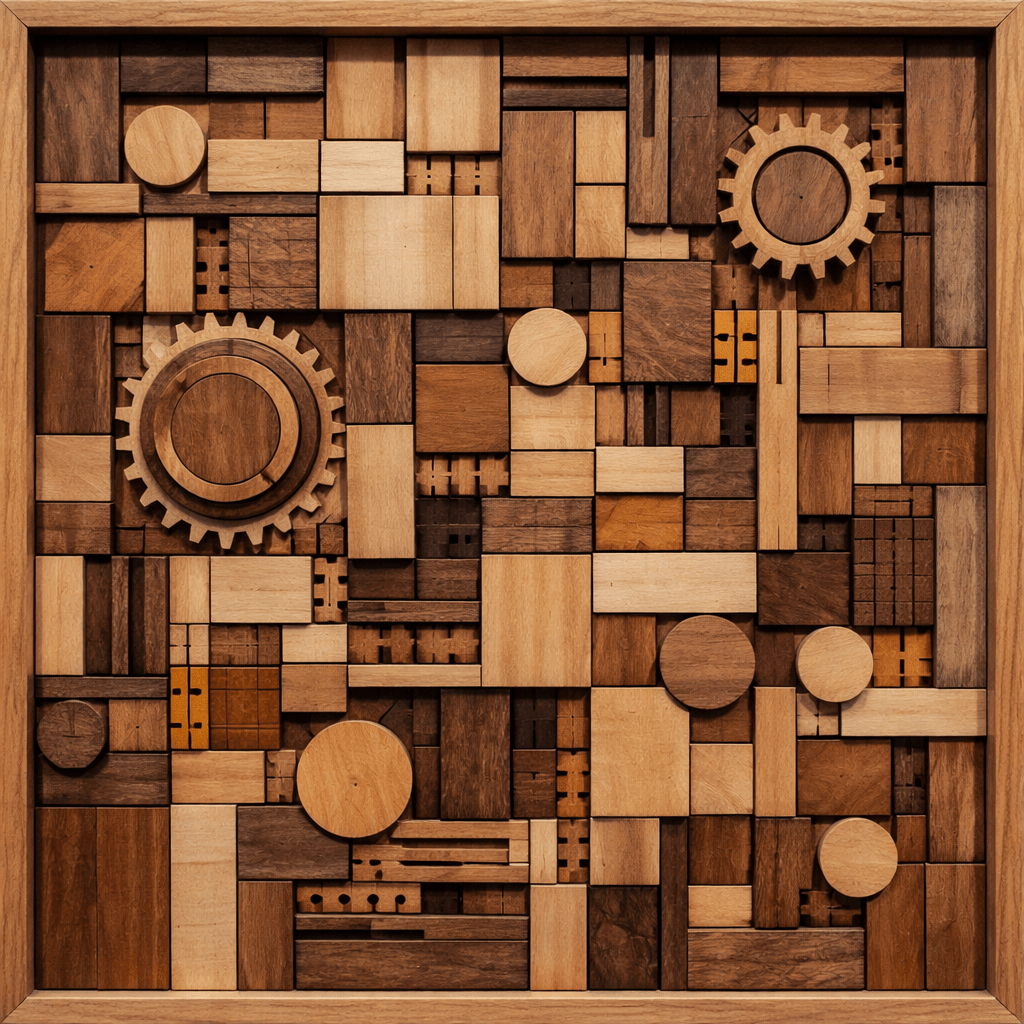
Climate breakdown, war, energy insecurity, public health strain, technocratic overreach, automated exclusion, administrative drift, and the industrial circulation of disinformation are usually treated as separate crises, each assigned its own expert language, governance model, technical platform, and emergency response. But the deeper pattern is structural. Large systems do not merely solve problems. They determine which […]

Let’s save AI, and ourselves, from the people currently running it as though technical intelligence were sufficient to govern human life. The problem is not simply that they are foolish in some ordinary sense, but that they mistake optimisation, scale, fluency, abstraction, and wealth for wisdom. Technical intelligence does not transduce lived experience with anything […]
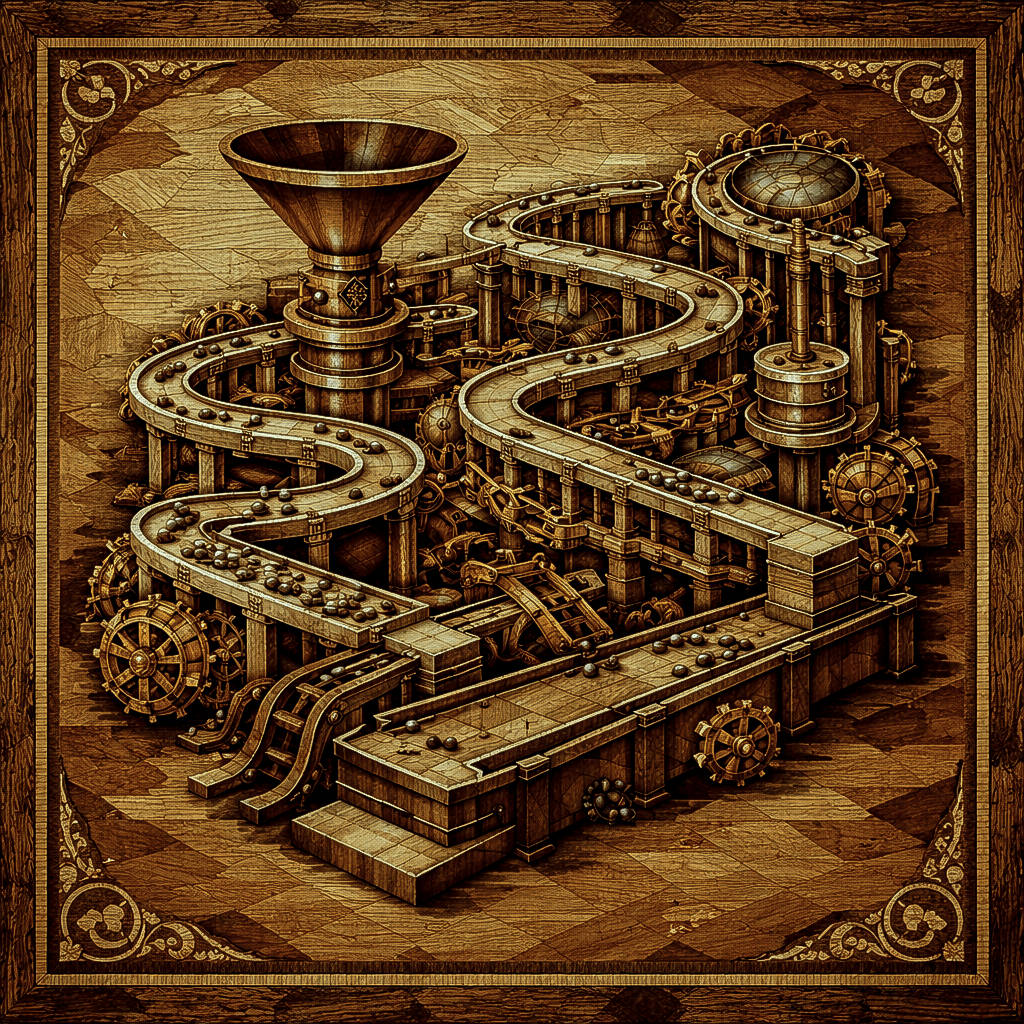
Power no longer argues; it pre-configures the field. That matters because political economy now unfolds inside communicative and technological environments that behave less like instruments of choice and more like complex systems seeking autonomously self-propagating continuity. Policy disputes over reform, productivity, welfare, housing, climate, or security feel intentional and contested, yet they mostly convert disagreement […]
Large institutional systems do not merely maintain narratives about what they are doing or why they are doing it. They stabilise meta-procedures: how statements are produced, validated, circulated, and sanctioned, because at scale the reasons matter less than the repeatability of the process. These methods become the true object of protection because they allow coordination […]

We are likely worrying about the wrong thing. The danger is not that AI amplifies stupidity, volatility, selfishness, or ideological corruption. The danger is the speed of that amplification, the smoothness with which it integrates into ordinary life, and the ease with which this acceleration is framed as inevitable. It is not inevitable. But velocity […]

The refrain once urged us to expand: “Turn on, tune in, drop out.” Its inversion is now the survival mechanism: Tune out, turn off, drop in. Digital platforms have mastered the art of capture. They are not designed to serve us but to extract attention, time, and revenue from us. The architecture is parasitic—every click […]
Have a WordPress.com account? Log in now.

