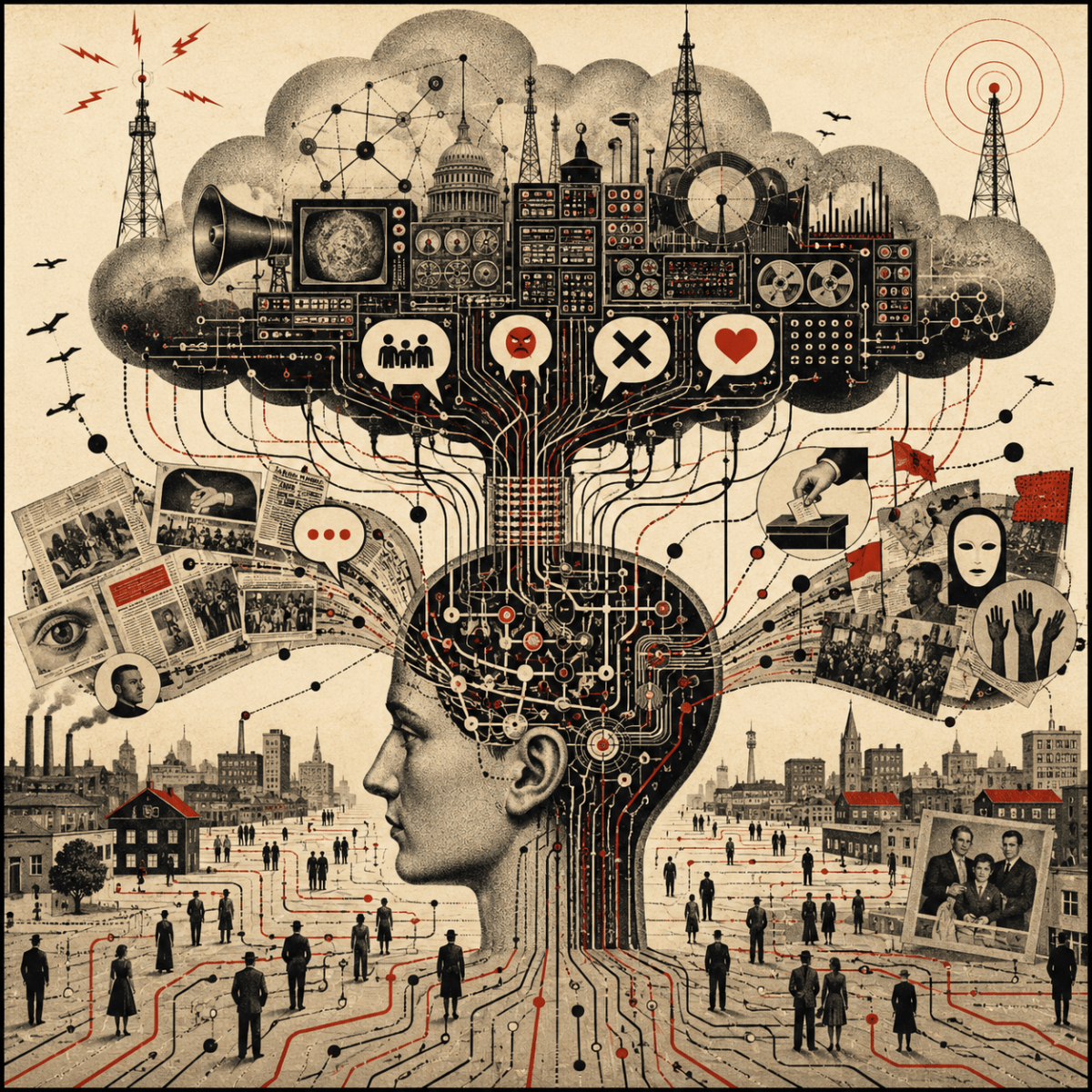
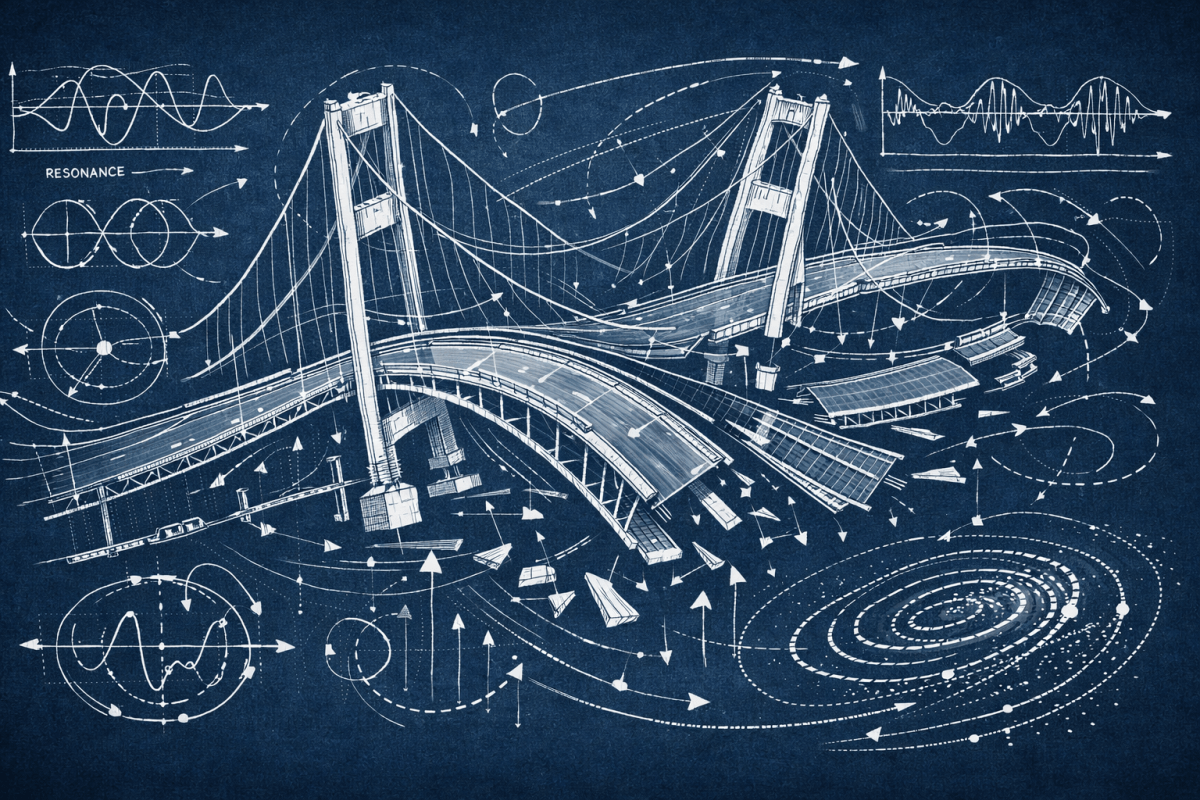
Authenticity is not destroyed by media so much as converted into an interface problem: a carefully arranged background, a handful of familiar signals, and the strange little theatre by which the network teaches the self how to appear real.

- Tags algorithmic culture, applied field logic, attention economy, attention markets, authenticity, authenticity paradox, authenticity theatre, communication networks, communication systems, communication theory, communicative attractors, communicative evolution, communicative systems, communicative-fields, Complexity, credibility signals, credibility technology, cultural attractors, cultural cybernetics, cultural evolution, cybernetic sociology, cybernetics, digital culture, digital identity, digital sociology, distributed cognition, distributed systems, distributed trust, emergence, emergence and adaptation, emergent order, environmental cues, environmental psychology, environmental signalling, field dynamics, Gregory Bateson, identity construction, identity diffusion, identity performance, information dynamics, information ecology, information systems, interface design, interface ecology, interface structures, Marshall McLuhan, media anthropology, media ecology, media environments, media evolution, media infrastructure, media philosophy, media studies, mediated reality, narrative identity, network civilisation, network dynamics, network effects, network selection, network society, networked communication, Niklas Luhmann, online personas, organised difference, parasocial relationships, performative authenticity, platform capitalism, platform dynamics, platform incentives, recursive adaptation, recursive systems, relational coherence, relational identity, relational ontology, relational systems, selection pressures, selfhood, semantic coherence, semantic systems, social complexity, social cybernetics, social media, social reproduction, social signalling, sociotechnical systems, statistical identity, symbolic capital, symbolic environments, symbolic reproduction, systems theory, systems thinking, technological culture, technological mediation, television history, trust formation, trust technologies, YouTube culture