Every explanation of reality becomes another part of the reality left to explain:
E(R) ∈ R → E(R) ≠ R.
Categories
outer limits: impredicativity

Every explanation of reality becomes another part of the reality left to explain:
E(R) ∈ R → E(R) ≠ R.

Symbolic systems presuppose an experiencing subject, yet no symbolic system fully accounts for the existence of experience itself.

A is A. The interesting question is how it keeps getting away with it.

Social media did not create the grievance. It synchronised millions of separate frustrations into a single political force.

Parent-adolescent conflict is not failed communication. It is a regulatory differential through which identity emerges, is negotiated, and persists.
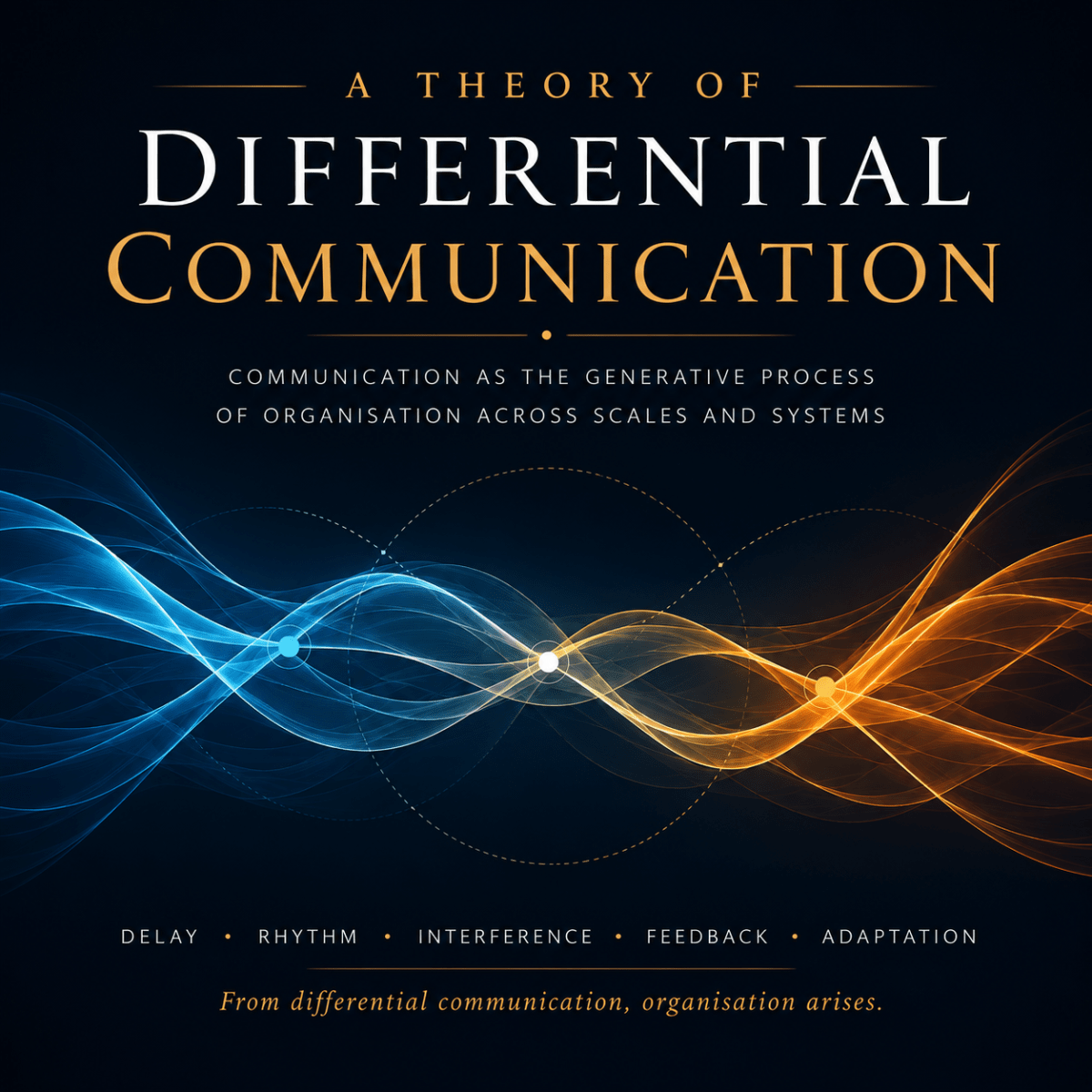
Communication does not move through organised systems; organised systems emerge from the interference patterns of communication.
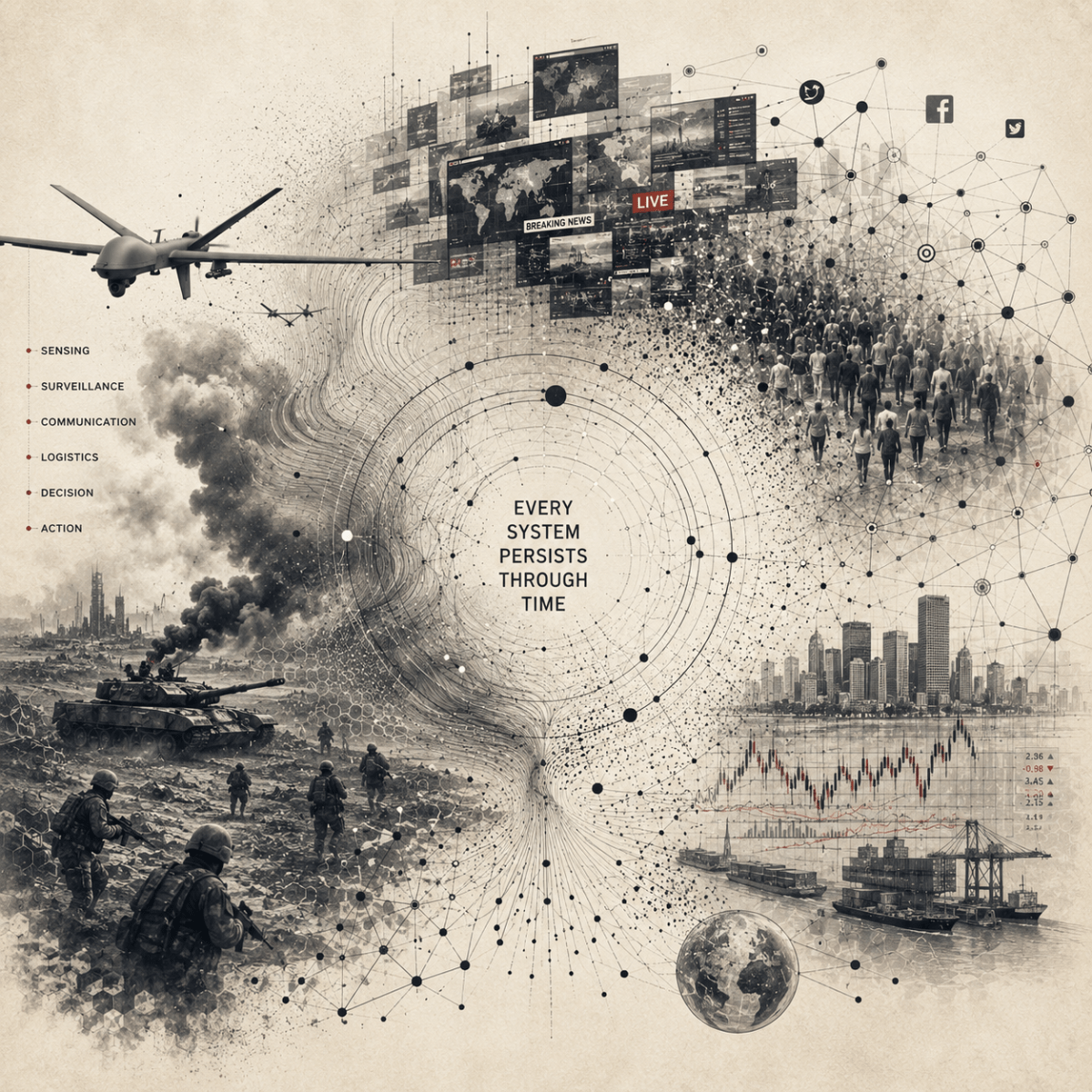
What unifies all processes is, quite simply, that they are processes: dynamical, temporal, contingent, and transient.
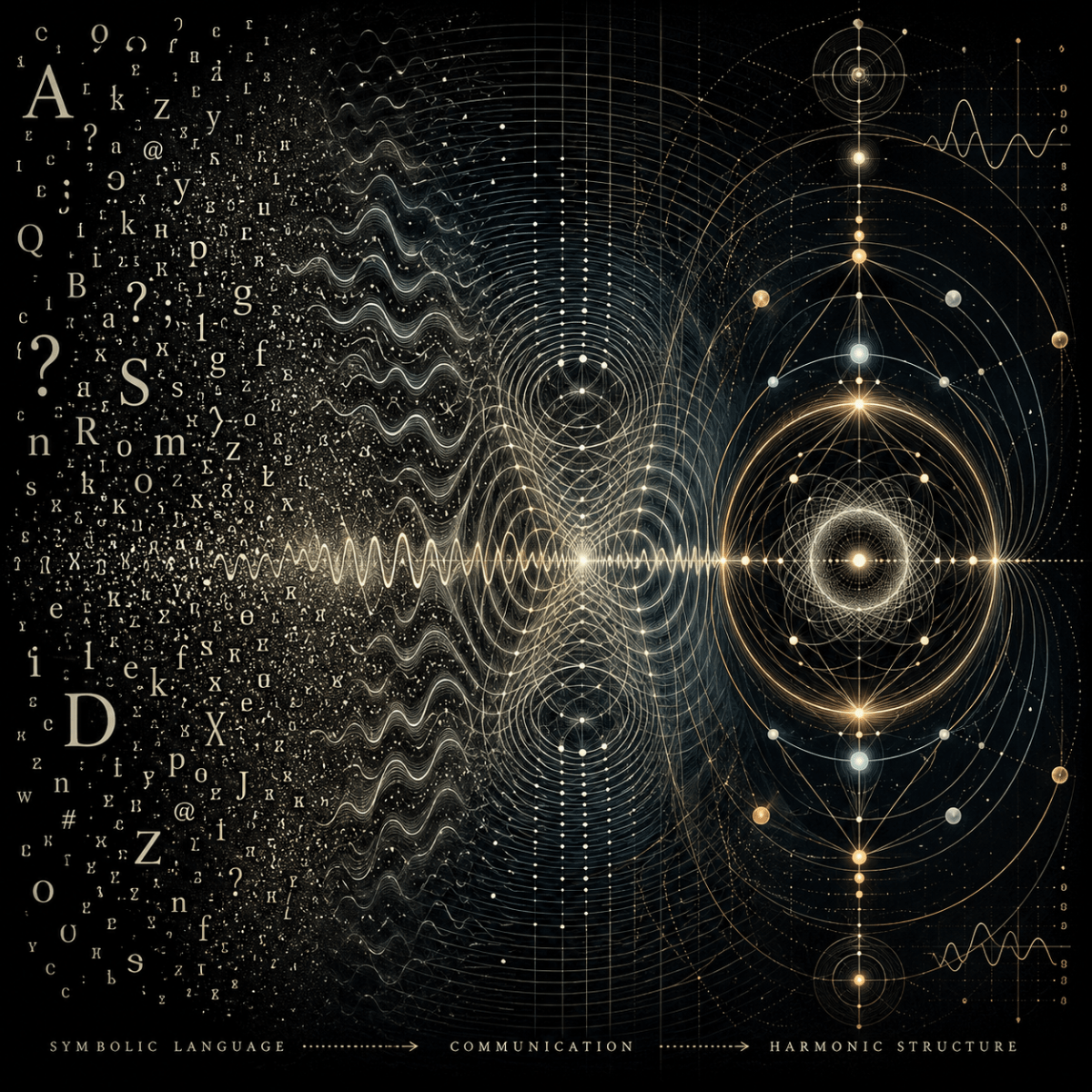
Systems do not merely occupy space. They persist through timing, resonance, and the self-organising rhythms that sustain differential complexity.

Civilisations do not simply make choices. They fall into rhythms — and the future may depend on learning how to change the music.
Applied Field Logic proposes that persistence is not found in things, but in maintained relationships. This paper develops the mathematical foundations of that claim.
The aim of Applied Field Logic is to provide a common mathematical language for describing (ie systemic) patterns of organised persistence.

Non-linearity is rarely an explanation in itself. More often, it is a sign that causal structure is richer than our current description captures.

