Symbolic systems presuppose an experiencing subject, yet no symbolic system fully accounts for the existence of experience itself.
Categories
consciousness and the human world

Symbolic systems presuppose an experiencing subject, yet no symbolic system fully accounts for the existence of experience itself.

A is A. The interesting question is how it keeps getting away with it.

AI accelerates language’s own tendency to reproduce its most probable forms through us.

Political absurdity generates the volatility through which technology acquires influence, while technology increasingly reproduces the conditions that keep political absurdity alive.

Enlightenment begins where the search for certainty ends.
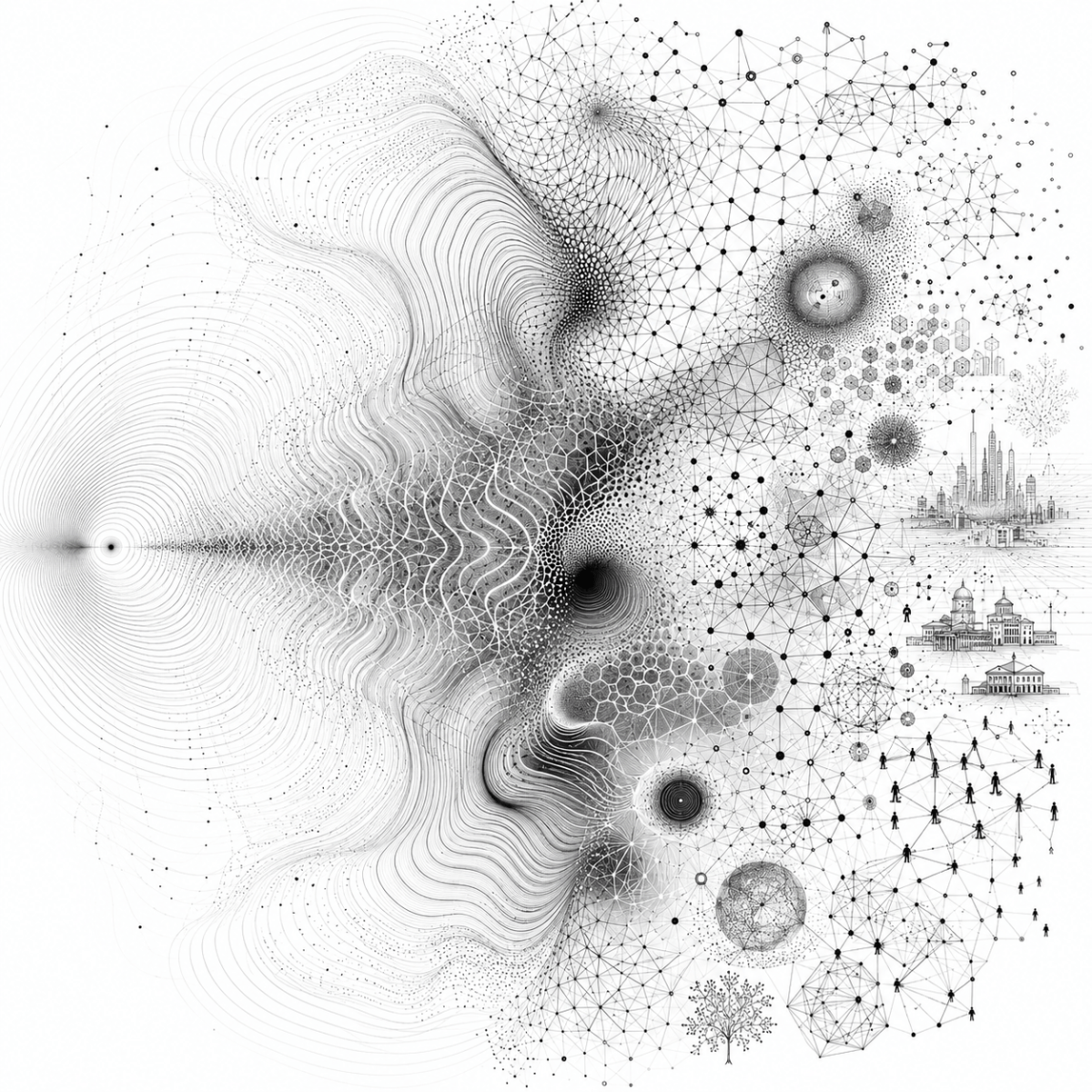
Influence is the capacity of a communicative form to alter the probability distribution of future communication.
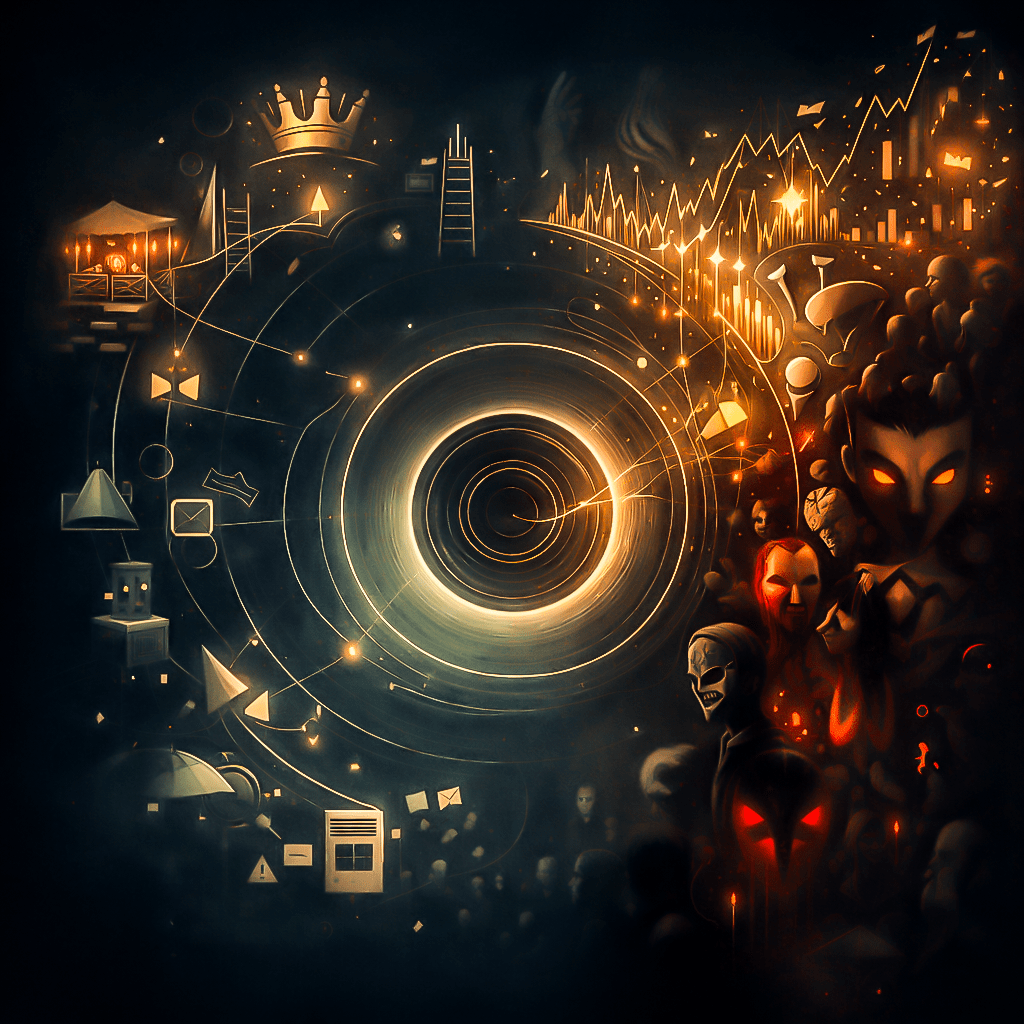
Meaning is not hidden inside things. It emerges through the relationships, delays, absences, and consequences that allow anything to matter at all.

Life does not belong to things. Things belong to life. Consciousness, relation, memory, recurrence, and form are not exceptions within reality. They are what reality does.

Whatever else a life contains, kindness is what makes it matter.
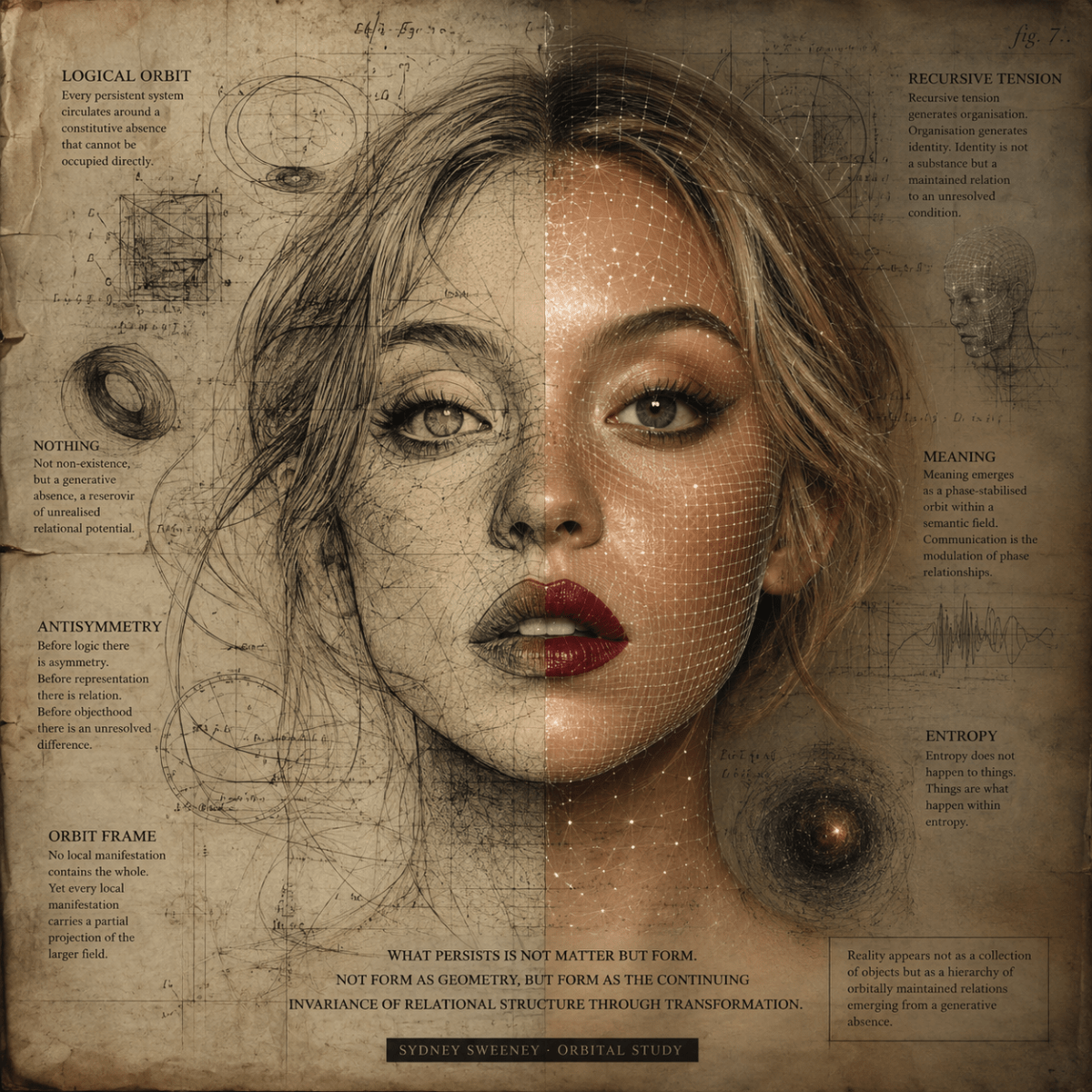
Reality is not made of things. Things are what appear when deeper patterns of relation become temporarily stable.
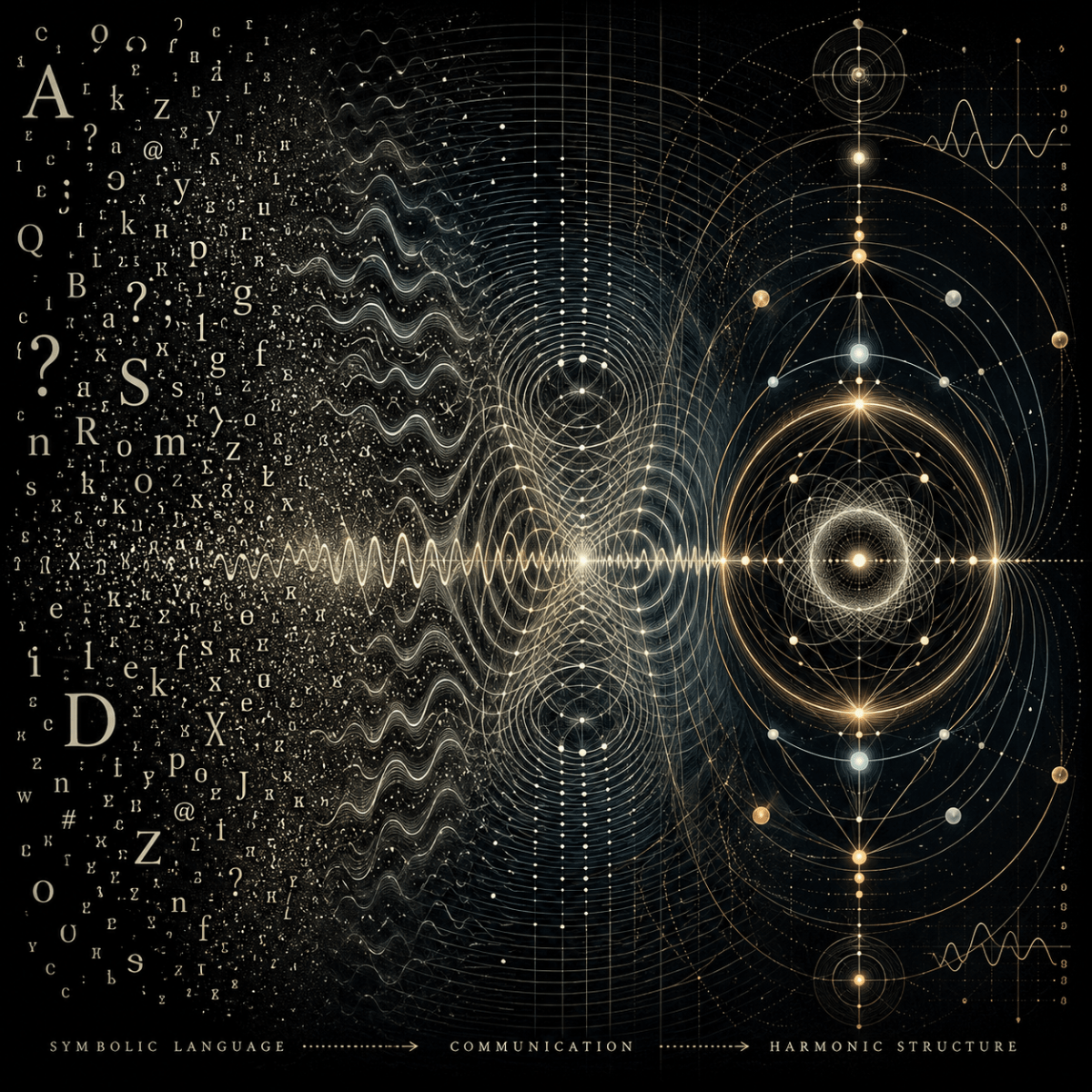
Meaning is not stored in words; it emerges as harmonic structure through time.
Information does not travel through the world like a message through a pipe. It survives by finding asymmetry, delay, resistance, and feedback — then turning those differences into the conditions of its own propagation.
Have a WordPress.com account? Log in now.

