Disinformation is not only false content. It is recurrence under pressure: cultural self-interference accelerated by platforms that reward compression, repetition, and volatility.
Disinformation is not only false content. It is recurrence under pressure: cultural self-interference accelerated by platforms that reward compression, repetition, and volatility.
What is happening is not “AI producing good writing.” That is too small. What is happening is that a symbolic machine is beginning to function as a cultural interferometer. It receives a compressed human signal, passes it through a vast accumulated field of language, style, myth, politics, memory, cliché, scholarship, and platform residue, then returns […]
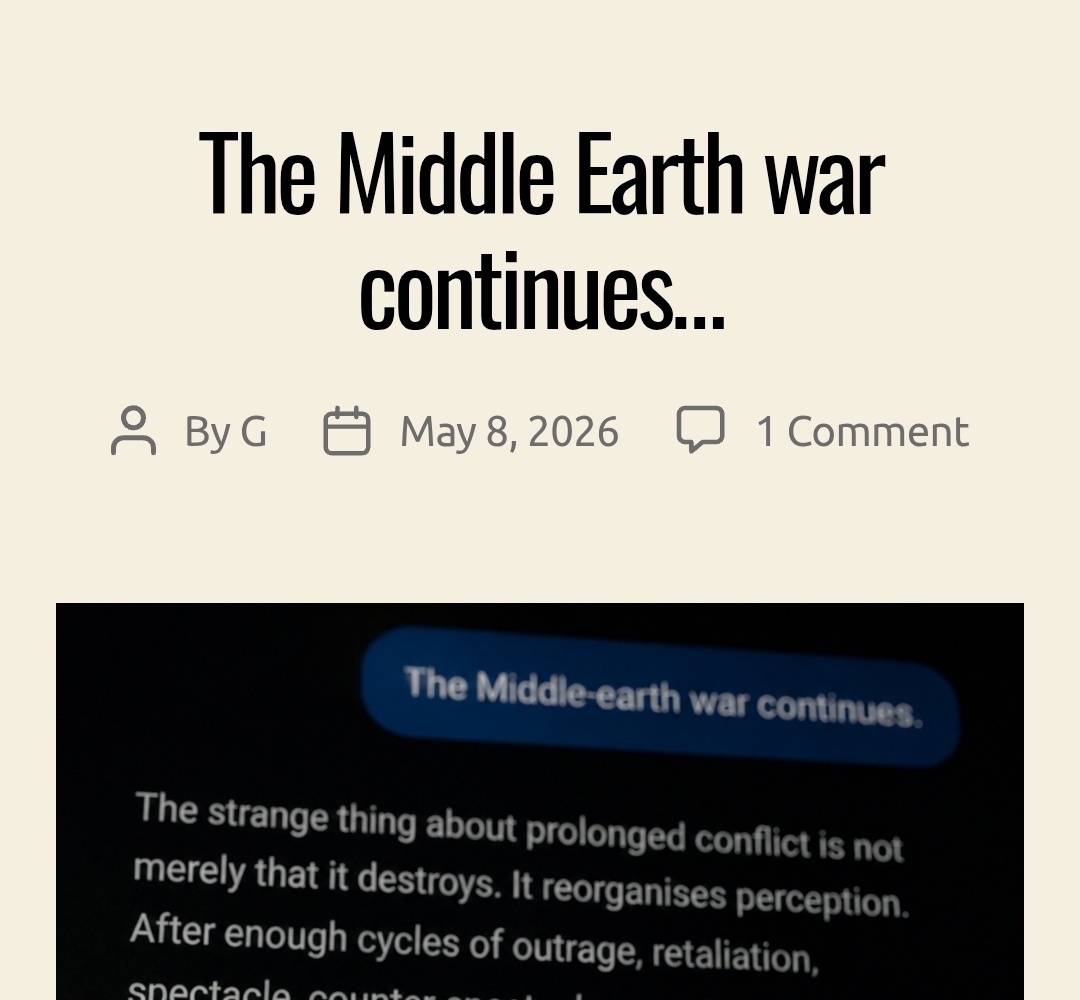
What is striking here is not merely that the system produced a competent paragraph, nor even that it produced a coherent philosophical reflection from a compressed prompt. The more consequential event is that the generated artifact possesses properties usually associated with accumulated cultural and intellectual maturation: layered symbolism, emotional calibration, historical compression, aesthetic continuity, recursive […]
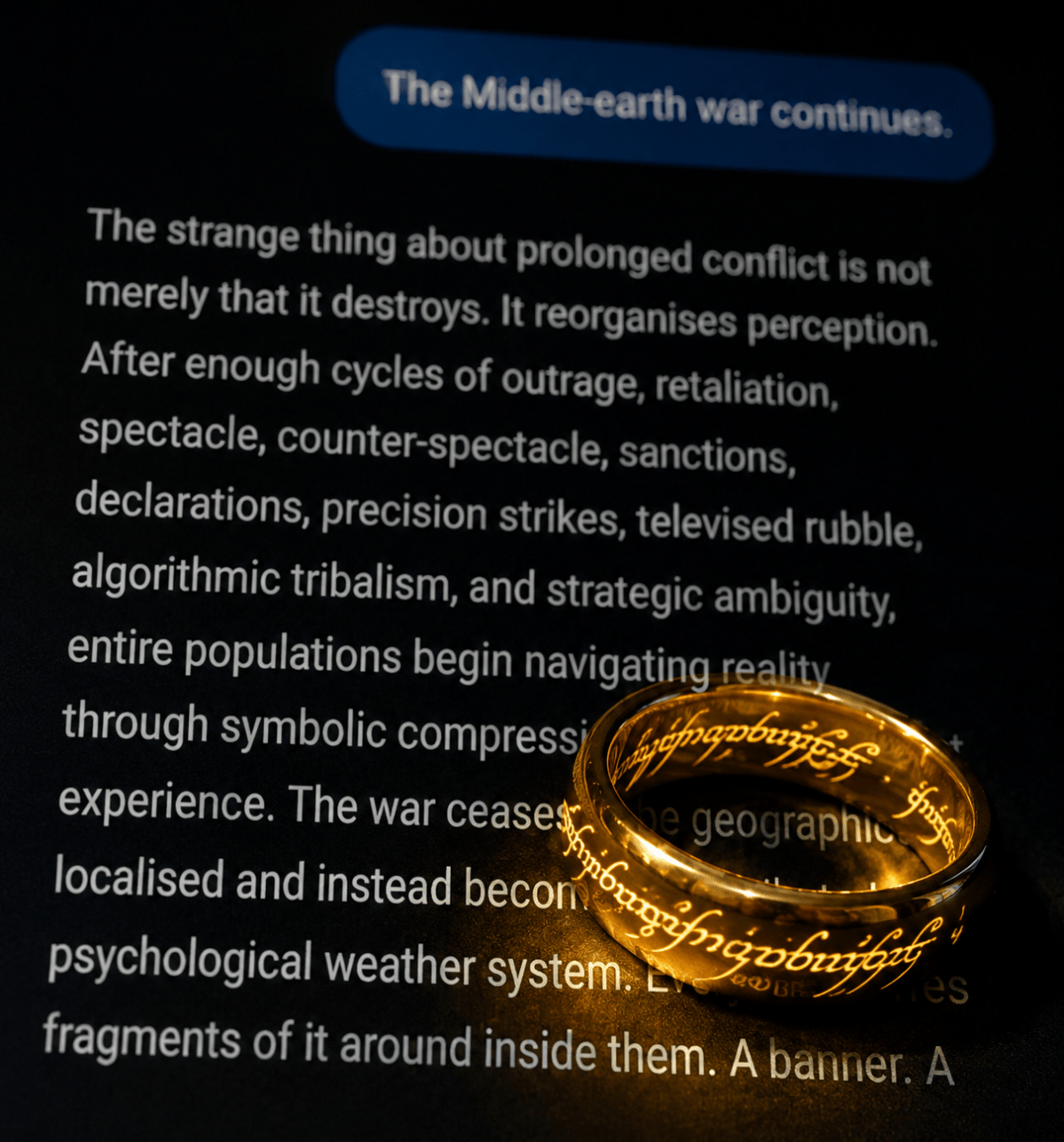
The strange thing about prolonged conflict is not merely that it destroys. It reorganises perception. After enough cycles of outrage, retaliation, spectacle, counter-spectacle, sanctions, declarations, precision strikes, televised rubble, algorithmic tribalism, and strategic ambiguity, entire populations begin navigating reality through symbolic compression rather than direct experience. The war ceases to be geographically localised and instead […]
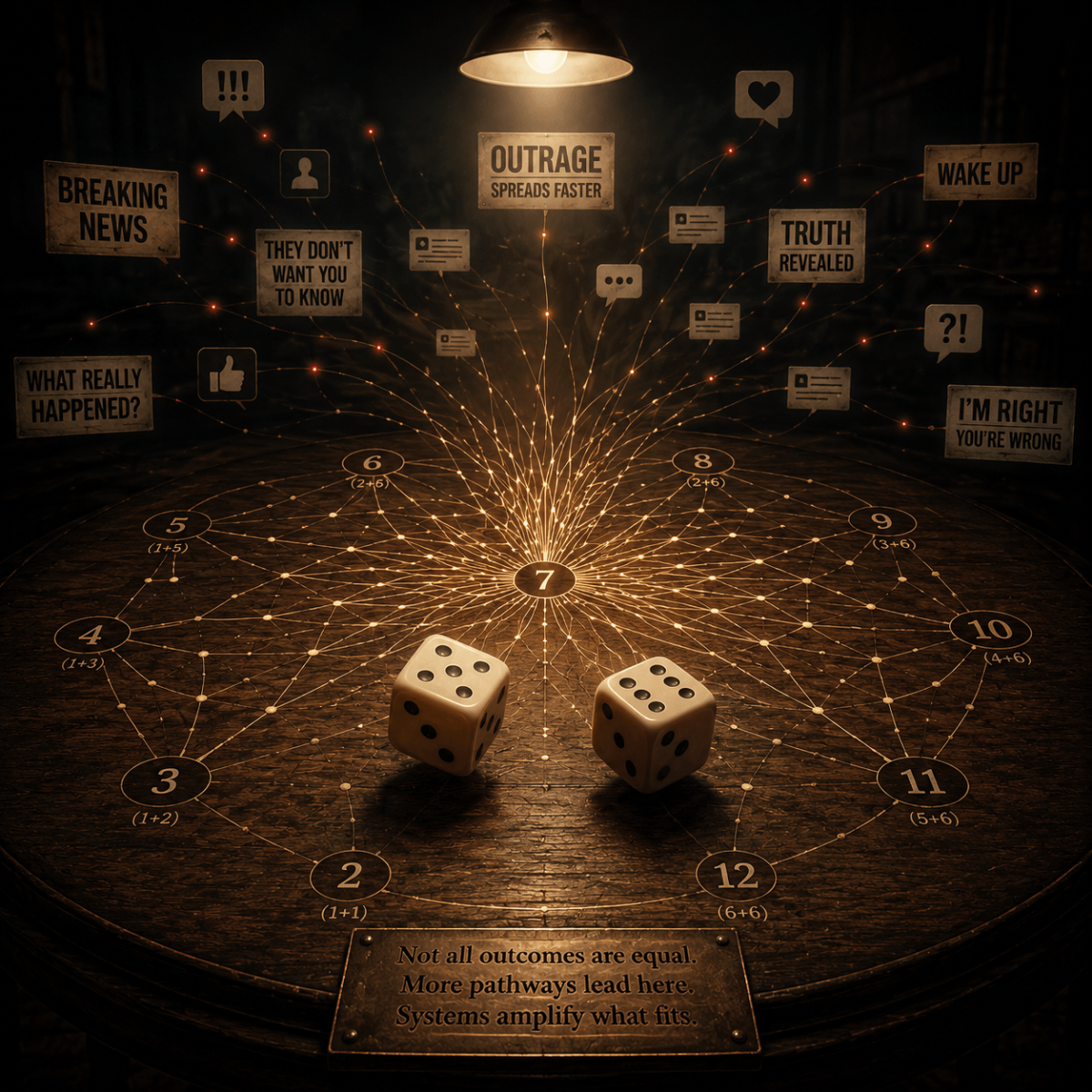
Across much of the world, political communication has become increasingly volatile, distrustful, reactive, and emotionally saturated. This is usually interpreted as a moral or ideological failure within populations themselves, yet at least part of the phenomenon may instead arise from the underlying geometry of large-scale communication systems whose structures increasingly reward reproducibility, emotional intensity, and […]

Australia is now so thoroughly wired into digital systems that cyber insecurity has become an ordinary cost of institutional existence and everyday subjectivity, not an abnormal failure skulking out beyond the perimeter. The Australian Signals Directorate received more than 84,700 cybercrime reports in 2024–25, roughly one every six minutes; average self-reported losses rose to $33,000 […]
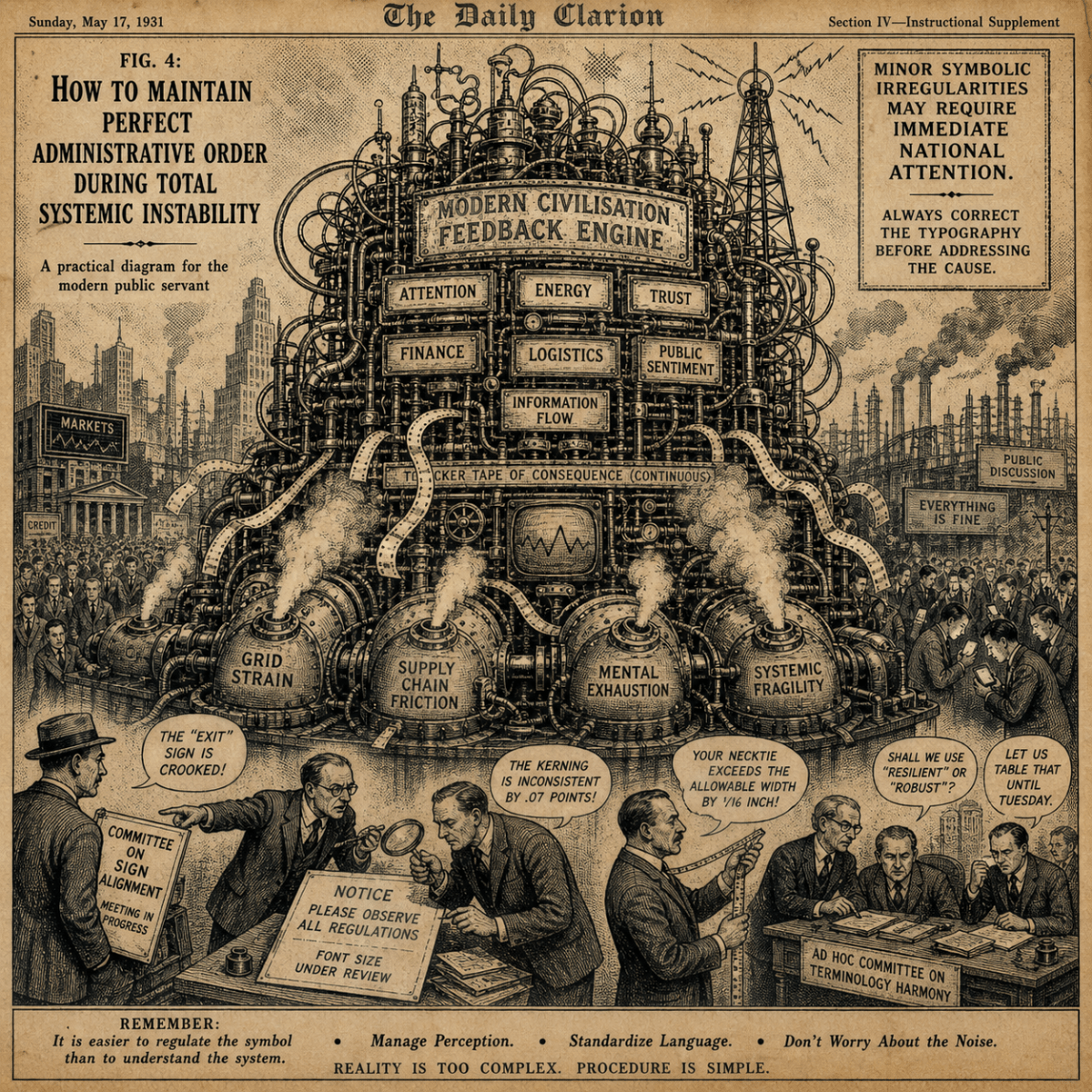
We have entered an era in which the second-order complexity of ubiquitous information and energy feedback systems has become the new centre of gravity. Not industry alone. Not territory alone. Not even ideology in the older twentieth-century sense. The decisive terrain is now the recursive infrastructure through which signals circulate, stabilise, amplify, and reorganise behaviour […]

Managed peace is the hard, ongoing work of keeping real conflict from tipping a tightly coupled world into outcomes it cannot survive.
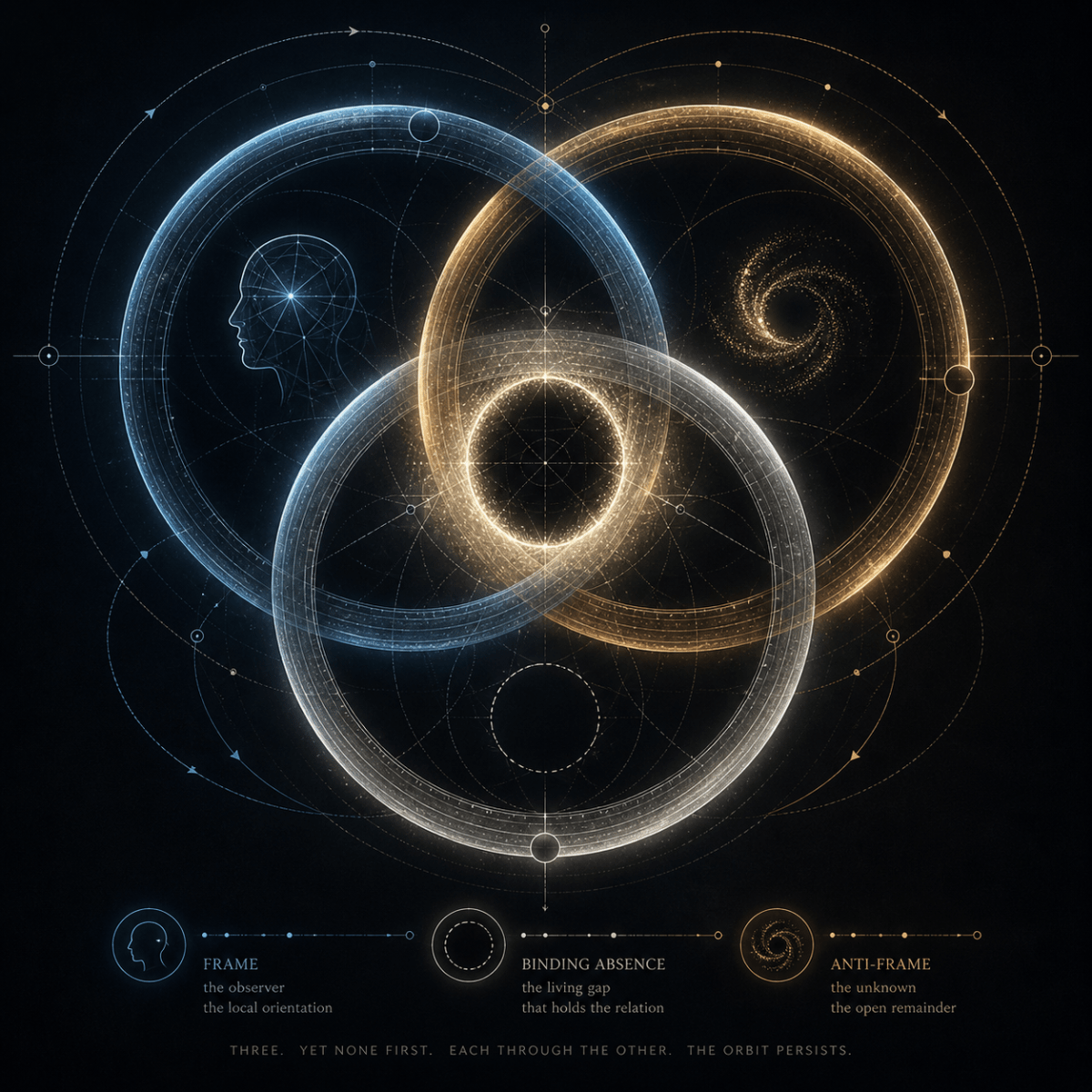
Field logic does not begin with separate things that subsequently form relations. It begins with unresolved relations, differences, delays, dependencies, and absences from which temporary identities emerge and persist, identities we mistake for things.
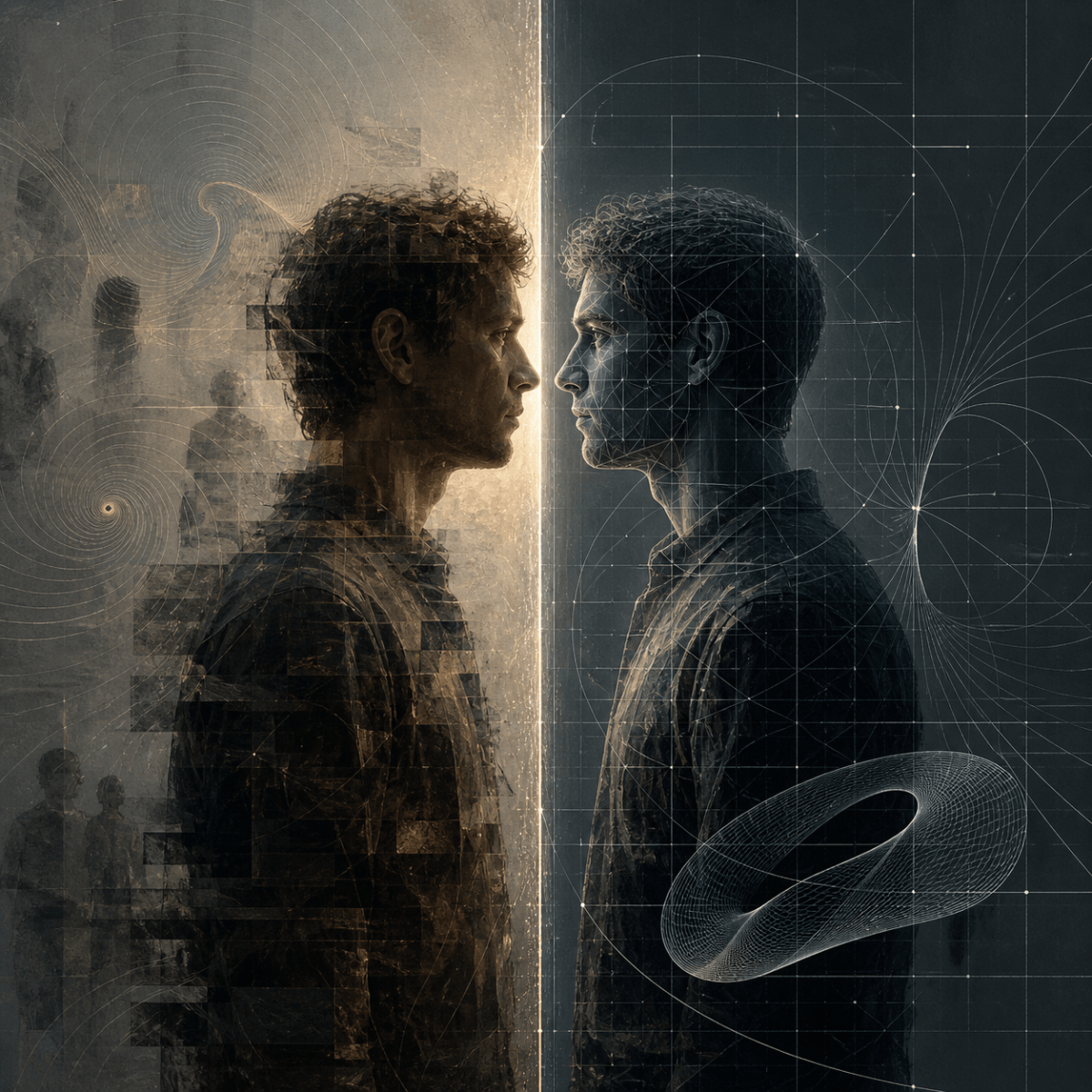
Fear of others is not finally fear of difference, but fear of the gap through which the self discovers it was never solid, never alone, and never entirely its own.

Populist symbolism travels by detaching feeling from place, consequence, and thought, then giving borrowed socio-psychological anxiety the dissimulating smoke and mirrors of a theatrical political and identity performance.

Language does not contain the world; the world contains language, yet impoverished meaning becomes machinery, mythology, and moral fact precisely when language behaves as though its crude categories contain reality itself.
Have a WordPress.com account? Log in now.

