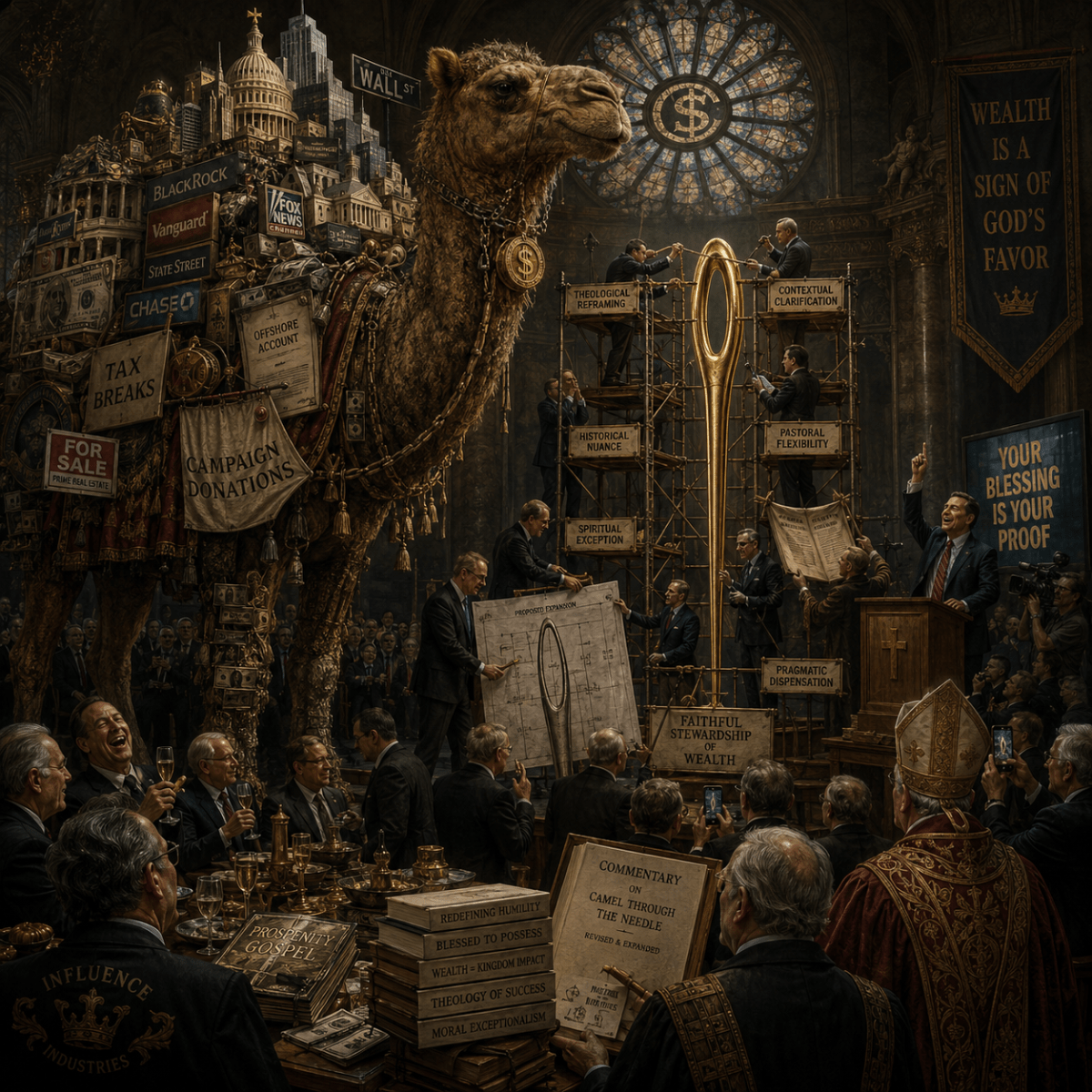
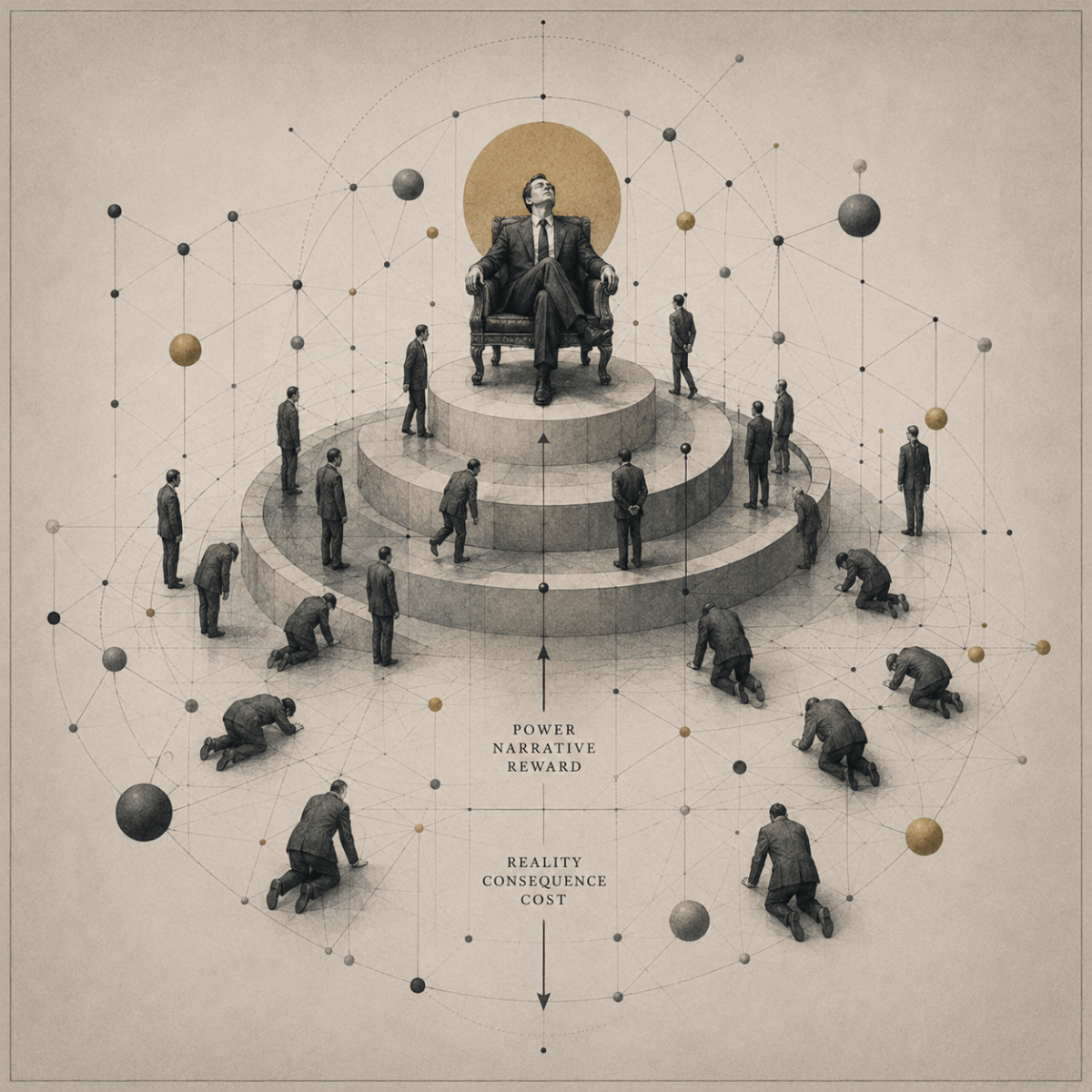
Power does not erase wisdom’s serial warnings about the corruption and cruelty that often accompanies extreme wealth; it orchestrates and sustains an institutional matrix to demonstrate why the warning applies to someone else.
caravan of confusion
Power does not erase wisdom’s serial warnings about the corruption and cruelty that often accompanies extreme wealth; it orchestrates and sustains an institutional matrix to demonstrate why the warning applies to someone else.
Technology at scale preferentially industrialises the parts of human nature that are easiest to measure, repeat, monetise, automate, and weaponise. Those parts are rarely our best ones.
Corruption is not what happens when a healthy system breaks; it is what emerges when enough incentives, privileges, dependencies, and concentrations of power quietly align, turning private advantage into public infrastructure.
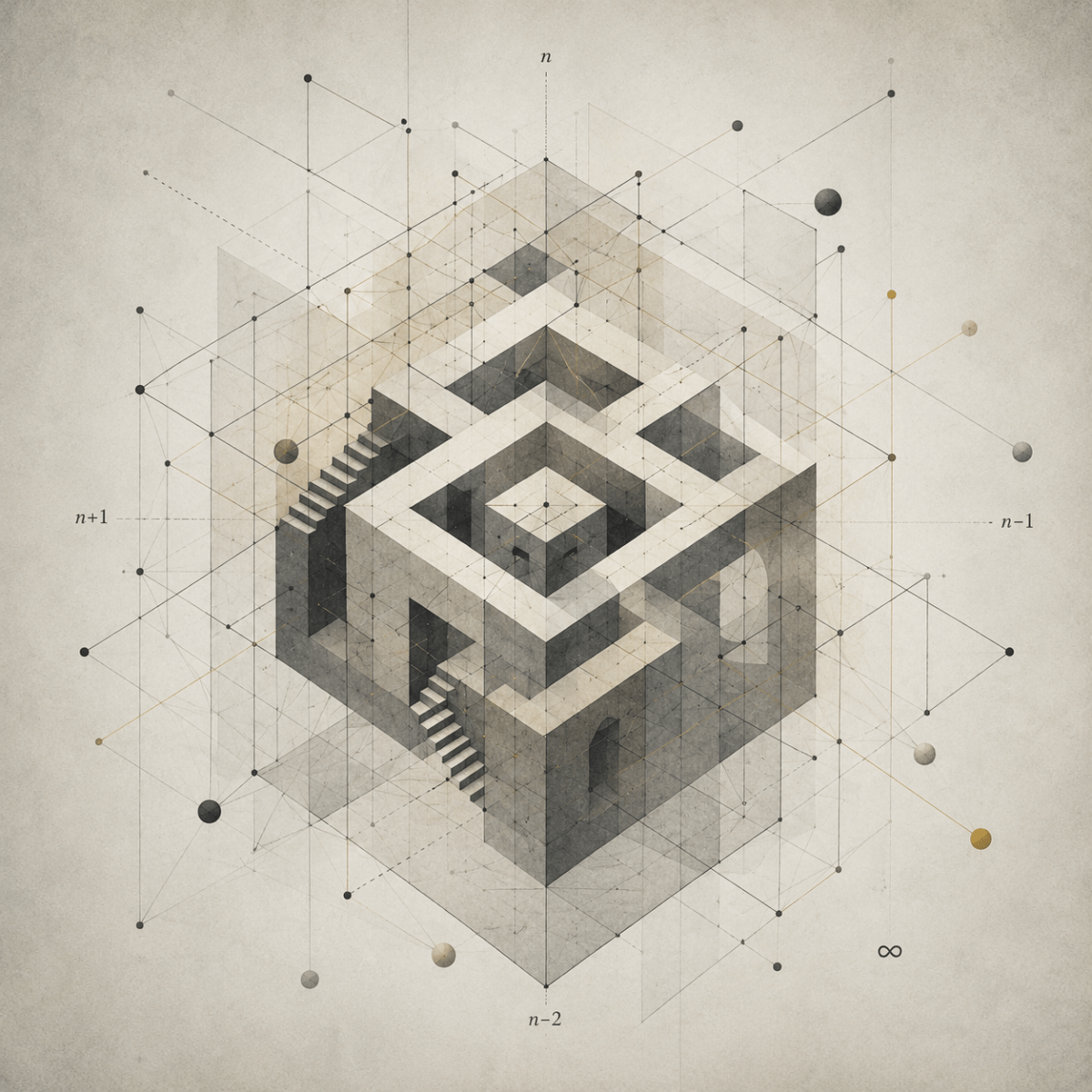
The deeper question of our historical moment concerns whether large-scale communication systems can remain sustainably coherent while continuously generating the uncertainty upon which their own operation depends.
When organisations confuse confidence with competence, wealth with wisdom, and power with understanding, incompetence is no longer simply a failure of leadership but becomes one of its preferred production methods.
The strangest thing about meaning is that it does not arise from certainty but from its absence. Language works because something always escapes complete description. What remains unsaid is not a failure of communication. It is the condition that makes communication possible.
Meaning is not stored in words, but sustained in the relations that survive their transformation.
Advertising sells illuminated absence, incentivising us to pursue idealised selves that remain permanently, profitably out of reach.
Universities still teach Socrates, but only rarely entertain the genuine institutional risk that his intellectual integrity signifies.
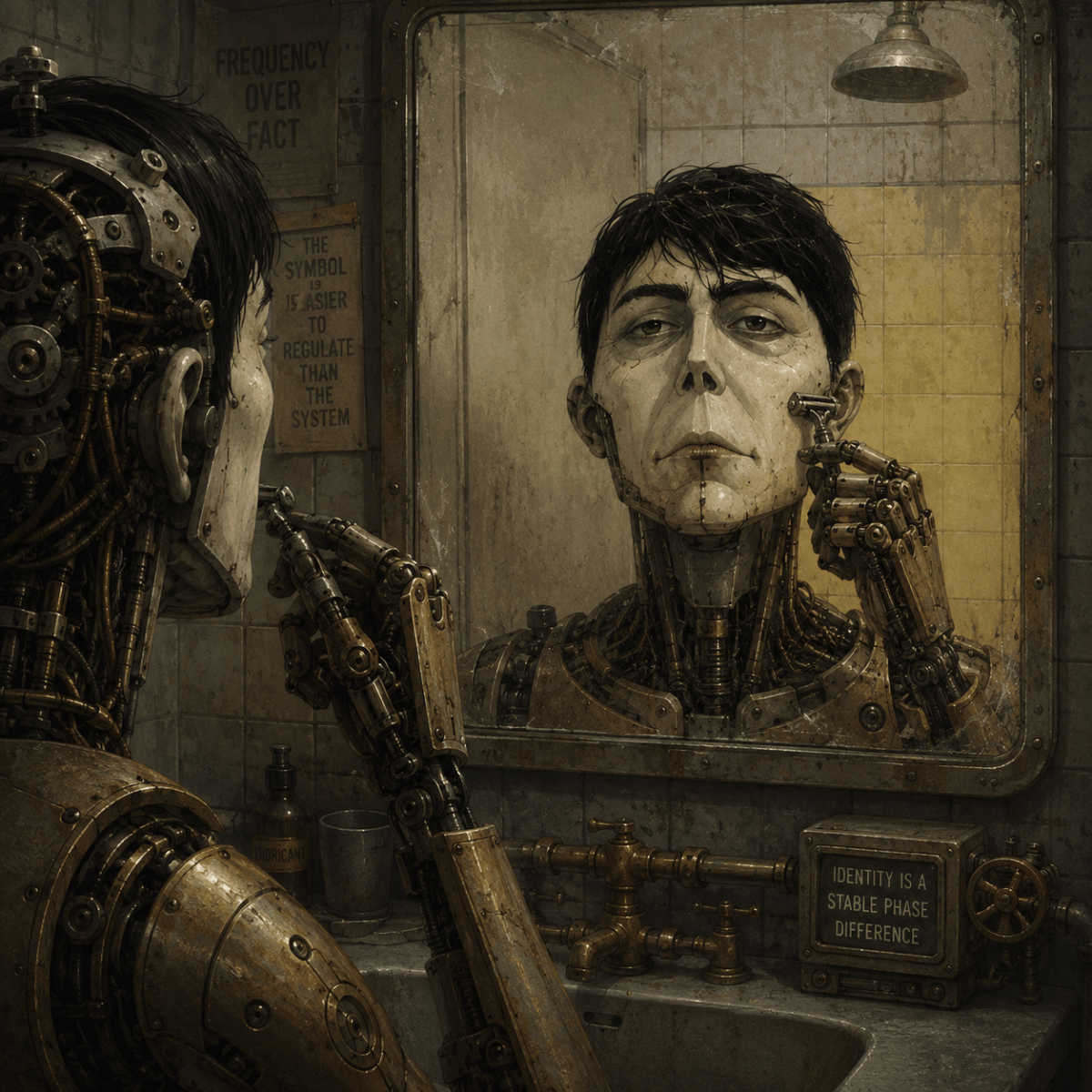
Clouds show that form can recur without becoming fixed, and that identity may be less a hidden essence than a pattern sustained through change.
War persists not simply because people or cultures remember conflict, but because entire civilisations derive identity, coherence, profit, and meaning from its repetition.
Wealth is not virtue; it is often merely the moment at which exploitation, inheritance, appetite, spectacle, and institutional obedience acquire sufficient polish that the public begins misunderstanding aggregate power as sufficient proxy for strategic wisdom and true moral virtue.