Control the rhythm, change the system.
Categories
rhythmic displacement
Control the rhythm, change the system.
Second-order phase locking is what happens when systems stop reacting to reality and start synchronising to their expectations of disruption.
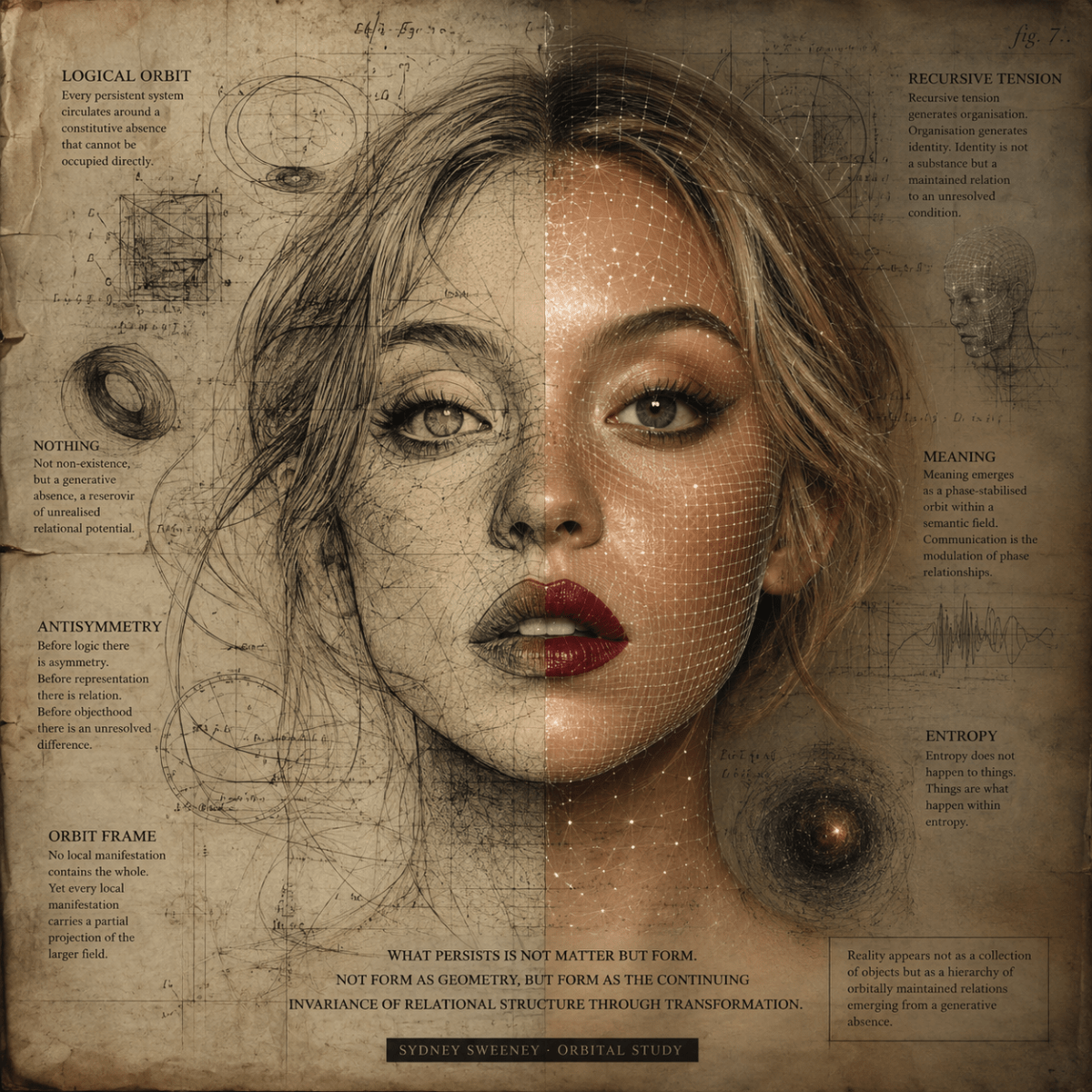
Reality is not made of things. Things are what appear when deeper patterns of relation become temporarily stable.
Coherence emerges from the continual negotiation of irreducible difference. Discrete boundaries and differences are contingent.
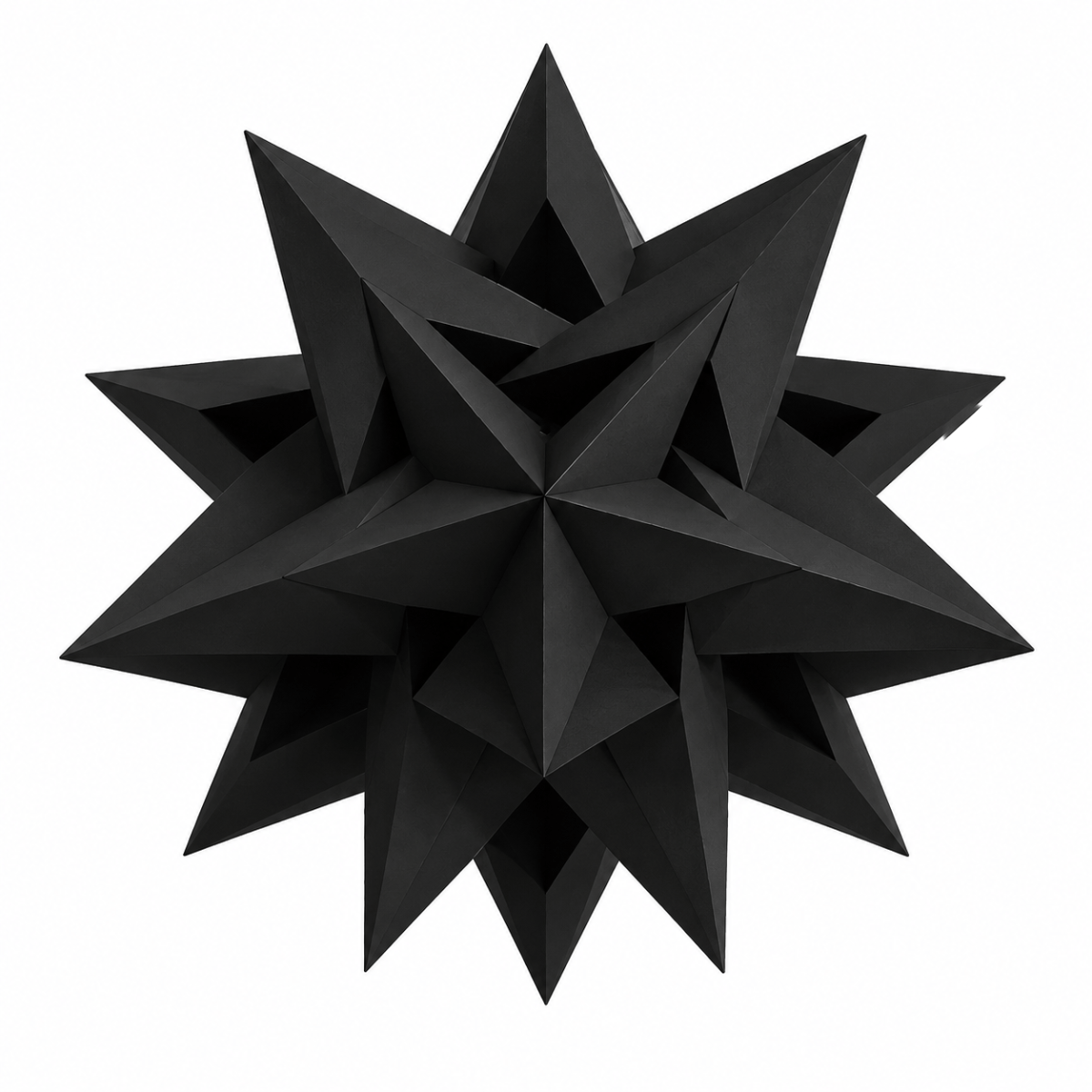
Information does not travel through the world like a message through a pipe. It survives by finding asymmetry, delay, resistance, and feedback — then turning those differences into the conditions of its own propagation.
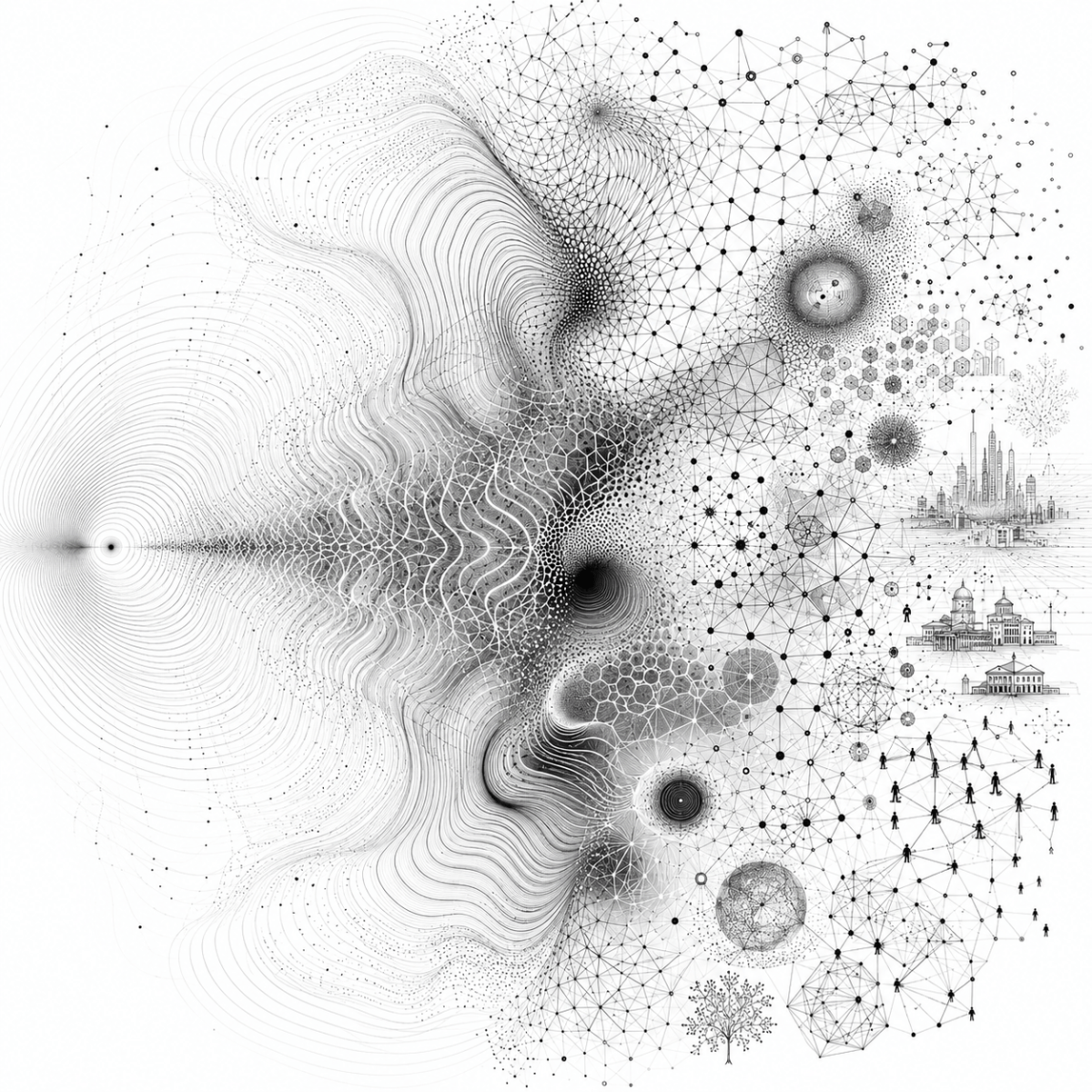
Change the timing and you change the structure. Communication is not merely the transfer of information through a network but the propagation of signals through media of different densities, delays, and constraints. Small temporal modulations accumulate. Phase shifts become interference patterns. Interference becomes organisation.

Populism is not an opinion. It is a phase dynamic.

The more instability surrounds the Strait of Hormuz, the more valuable it becomes. The paradox is that a prolonged conflict may be increasing the strategic importance of one of Iran’s most powerful sources of leverage.

A society overwhelmed by complexity eventually stops seeking explanations and starts seeking certainty; that is when political movements such as One Nation cease to be anomalies and become warnings.

The future will not be defined by any single party or leader. It will be defined by the widening gap between the complexity of the systems governing society and the increasingly simplified narratives through which society attempts to understand them

Technology promised to save us effort, then quietly reorganised civilisation around the effort required to sustain technology.
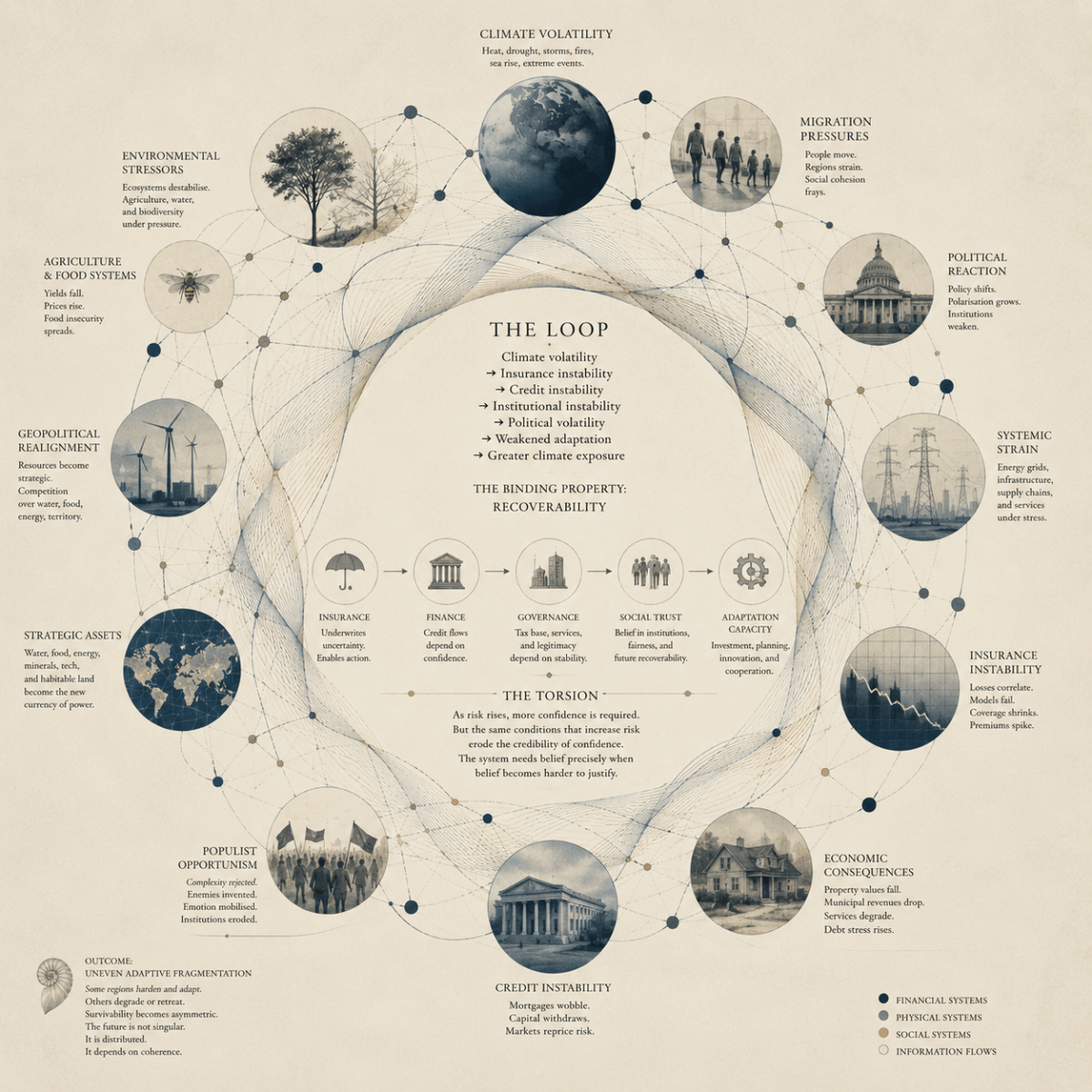
Climate change becomes civilisational risk when insurance can no longer translate catastrophe into recoverable cost.
Have a WordPress.com account? Log in now.

