Every attempt to secure one part of the world changes the conditions of security for everyone else. Endlessly.
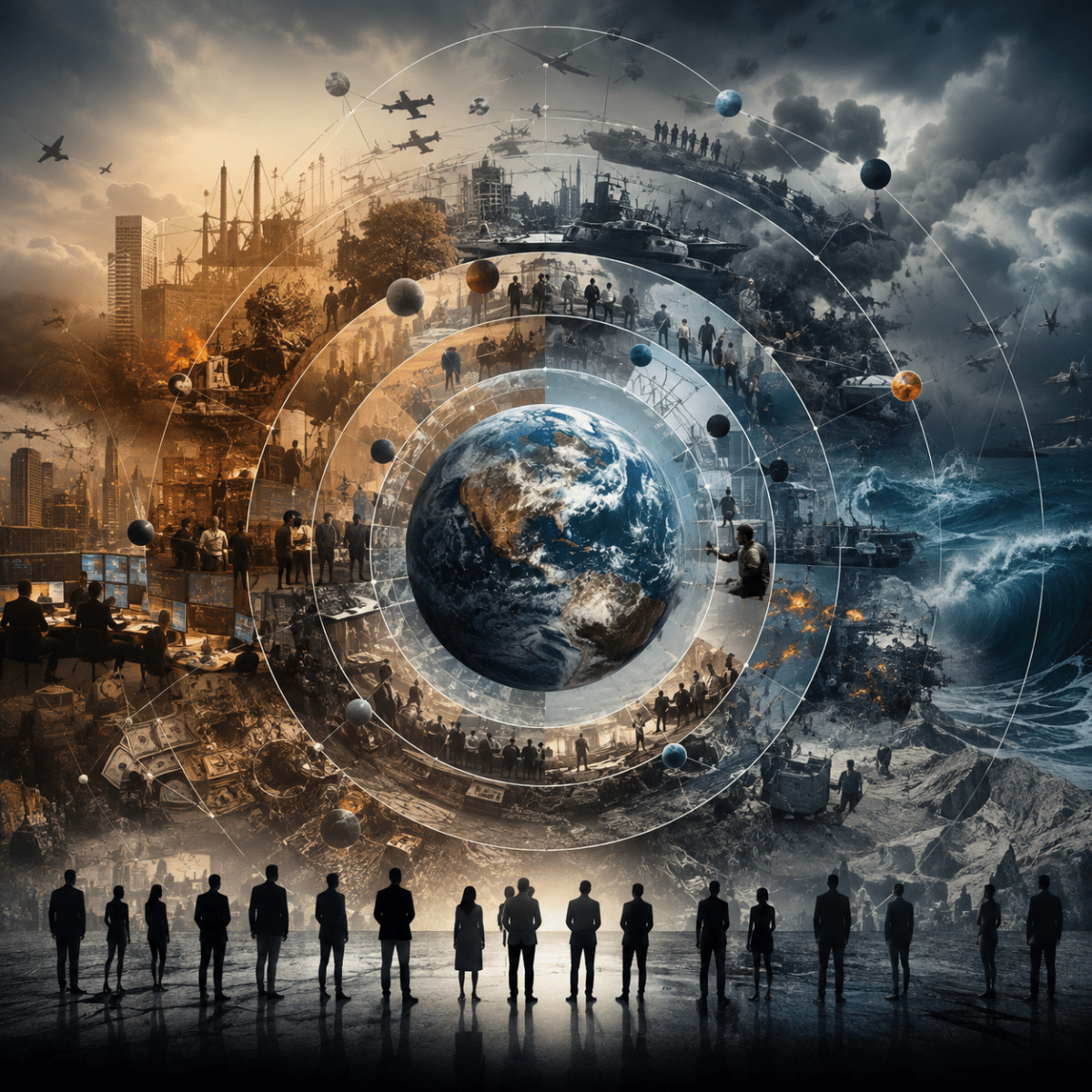
Every attempt to secure one part of the world changes the conditions of security for everyone else. Endlessly.

Reality persists because nothing (and only nothing!) ever fully coincides with itself.

We keep telling the same stories in different ways. The faces, crises and characters change. The same tribal pattern keeps finding new forms.
A home is not simply somewhere a person lives. It is somewhere from which a life can continue.

The machinery does not need to fail. It only needs to keep working in ways that make more of itself necessary.
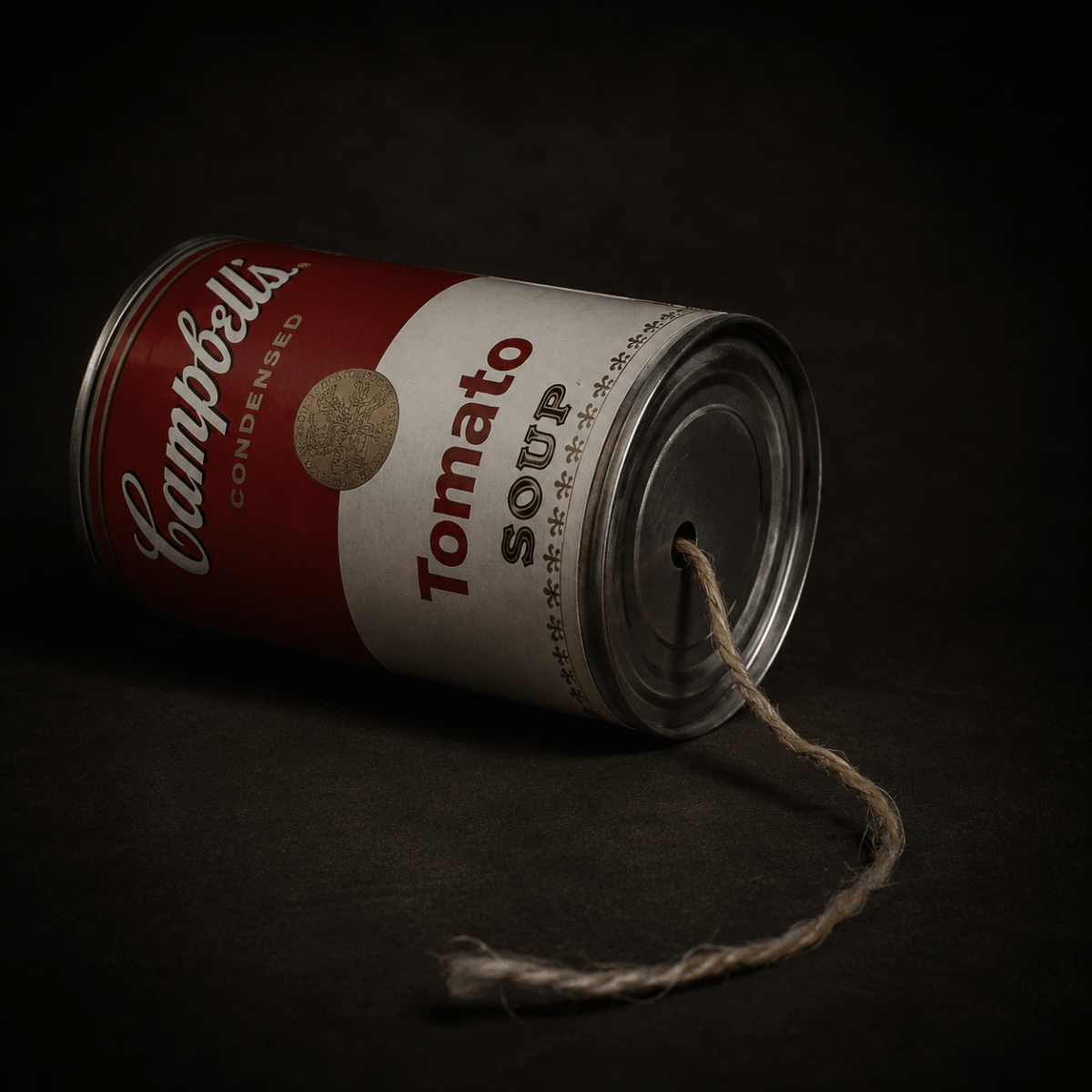
At the limit lies bullshit: language sufficiently detached from external constraint that its capacity to provoke another cycle of response becomes more important than what it describes.
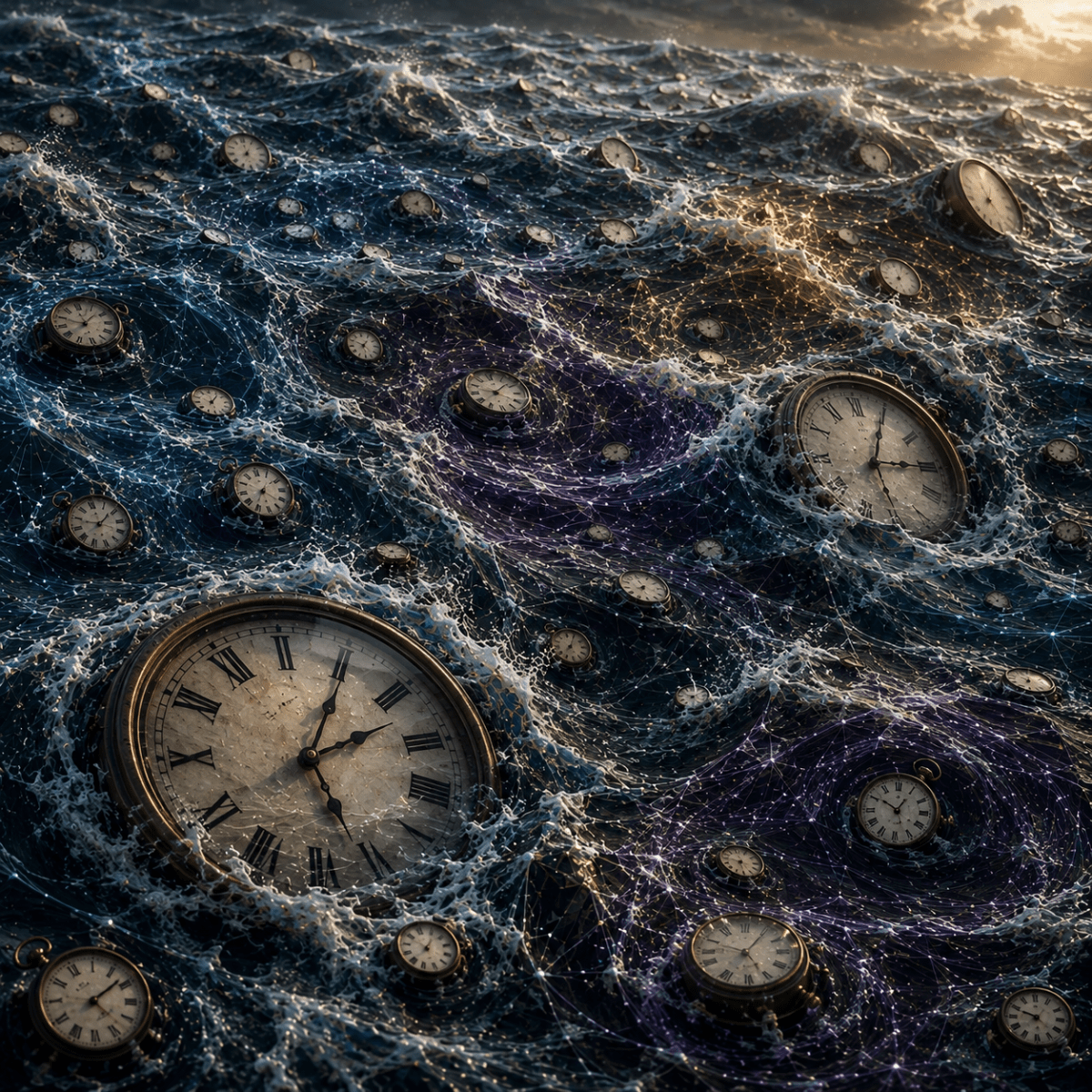
The present is not where possibility ends. It is where an immeasurably larger field of possible futures acquires one local history.

Everyone knows a dickhead. The interesting question is why the conditions that generate them do so, enduringly, and with such uncanny frequency.

A nation cannot be unified by dividing a people against themselves. The danger begins when that contradiction becomes a political method.

Technocratic complexity and populist caricature are parts of the same feedback loop. Each produces the conditions that sustain the other.
Exploring how relation and difference generate the structures we experience as reality.

Civilisations persist by continually reorganising themselves. The unanswered question is whether conflict, crisis and systemic collapse/renewal remain the principal means through which that persistence is achieved.

