The AI business model converts new capabilities into dependencies, then turns the resulting risks, maintenance burdens and failures into reasons for further investment.

The AI business model converts new capabilities into dependencies, then turns the resulting risks, maintenance burdens and failures into reasons for further investment.
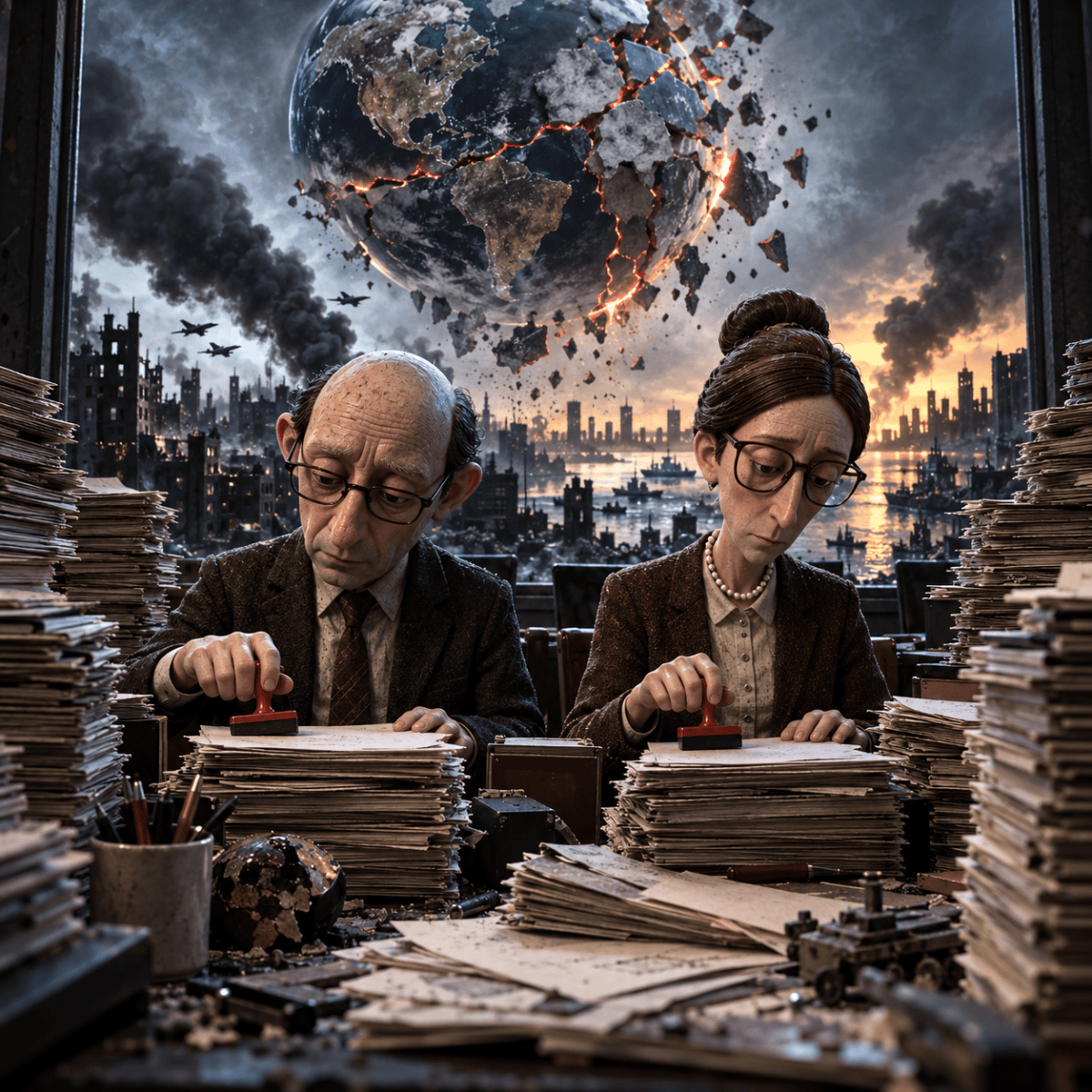
We have become exceptionally capable of reproducing (our, collective) insecurity in the name of security.

Political systems are historical constructions, not immutable necessities. Their persistence does not establish their continuing adequacy.
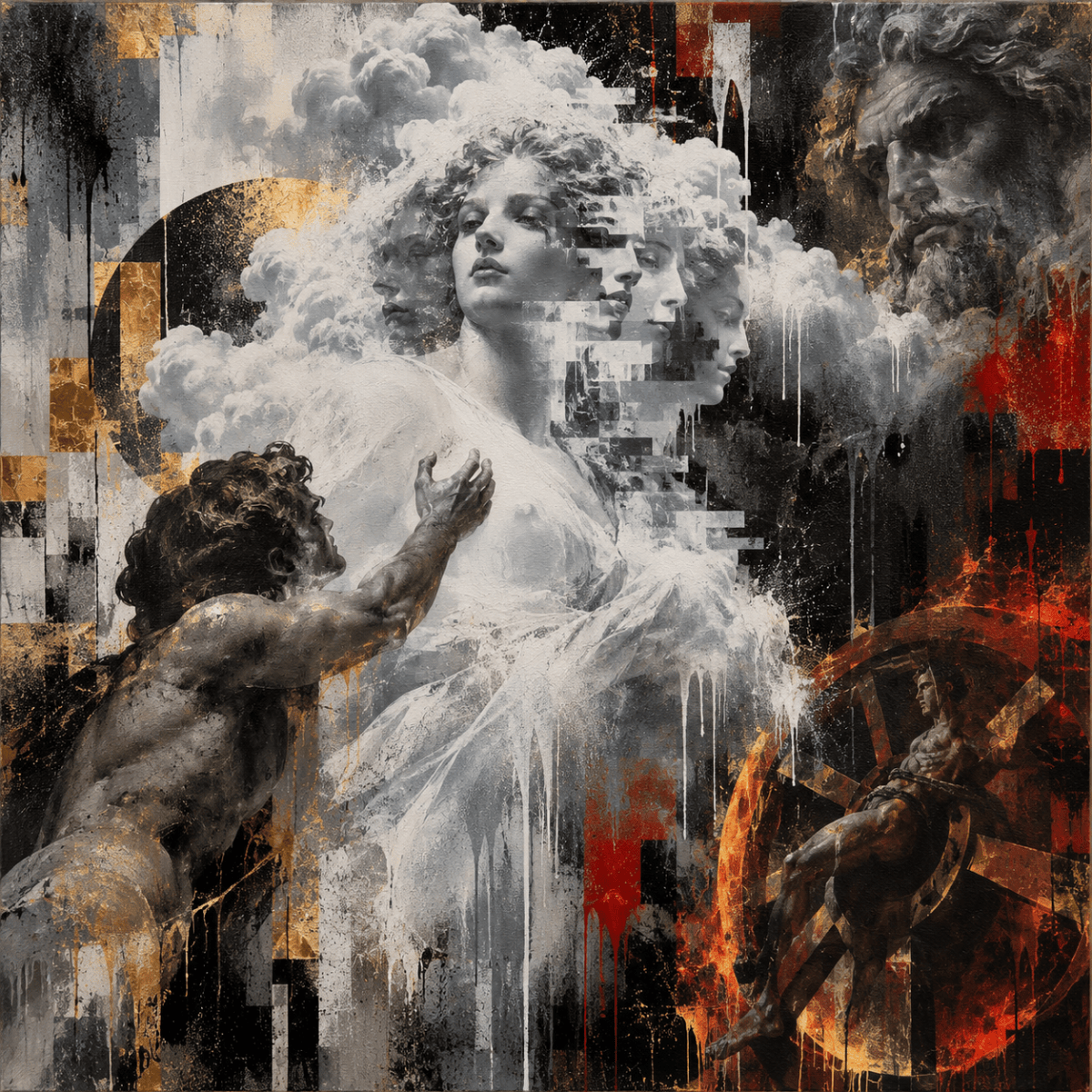
Technology keeps solving the problems technology creates, tightening our dependence on machinery whose cumulative costs keep growing and from which there is no longer any clean exit.
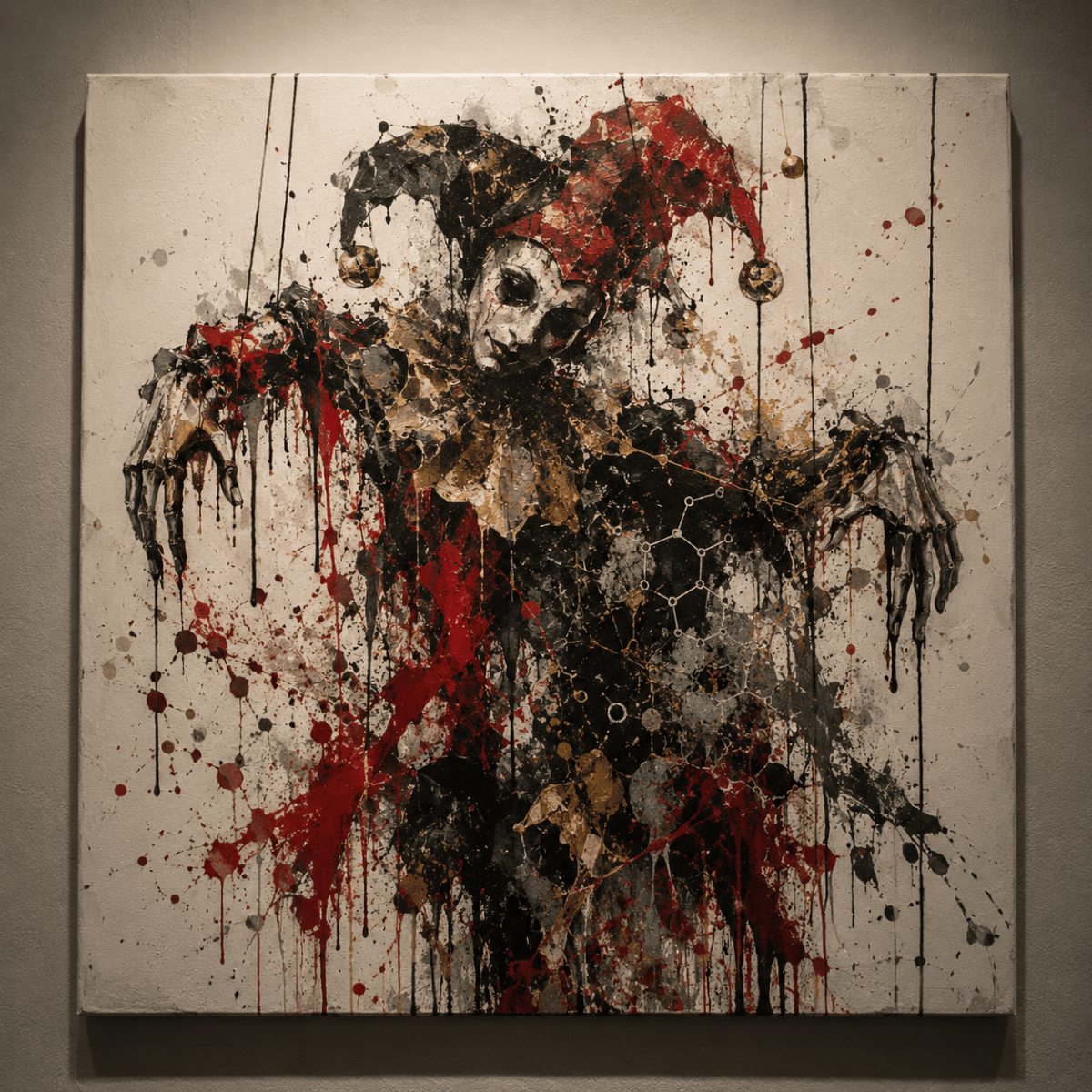
This is the triumphal stagnancy of technological overreach: extraordinary technical acceleration coupled to an increasingly repetitive behavioural repertoire.
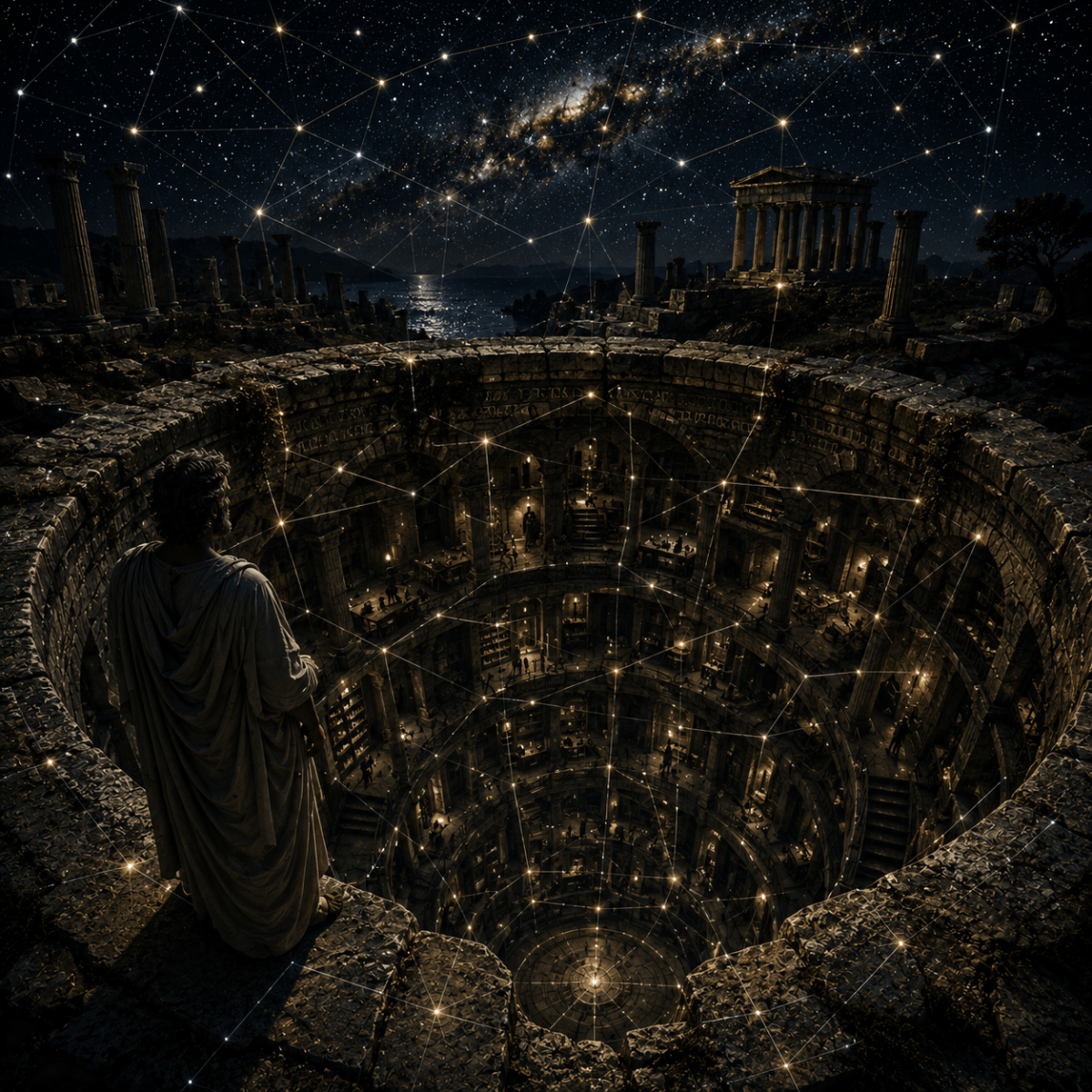
Institutions study the world remarkably well. The harder problem is that the world they are studying is also inside the building, and there is no position outside the system from which that entanglement simply disappears.

The current US President destabilised one of the most tightly coupled junctions on Earth, then seemed surprised when the consequences spread. The deeper problem is that political, ideological and socioeconomic systems often reproduce themselves through the disorder they create.

Reality persists because nothing (and only nothing!) ever fully coincides with itself.

We keep telling the same stories in different ways. The faces, crises and characters change. The same tribal pattern keeps finding new forms.

The manosphere promises strength and control, yet its communities, platforms and markets are structurally and commercially dependent on reproducing the insecurities they claim to resolve.
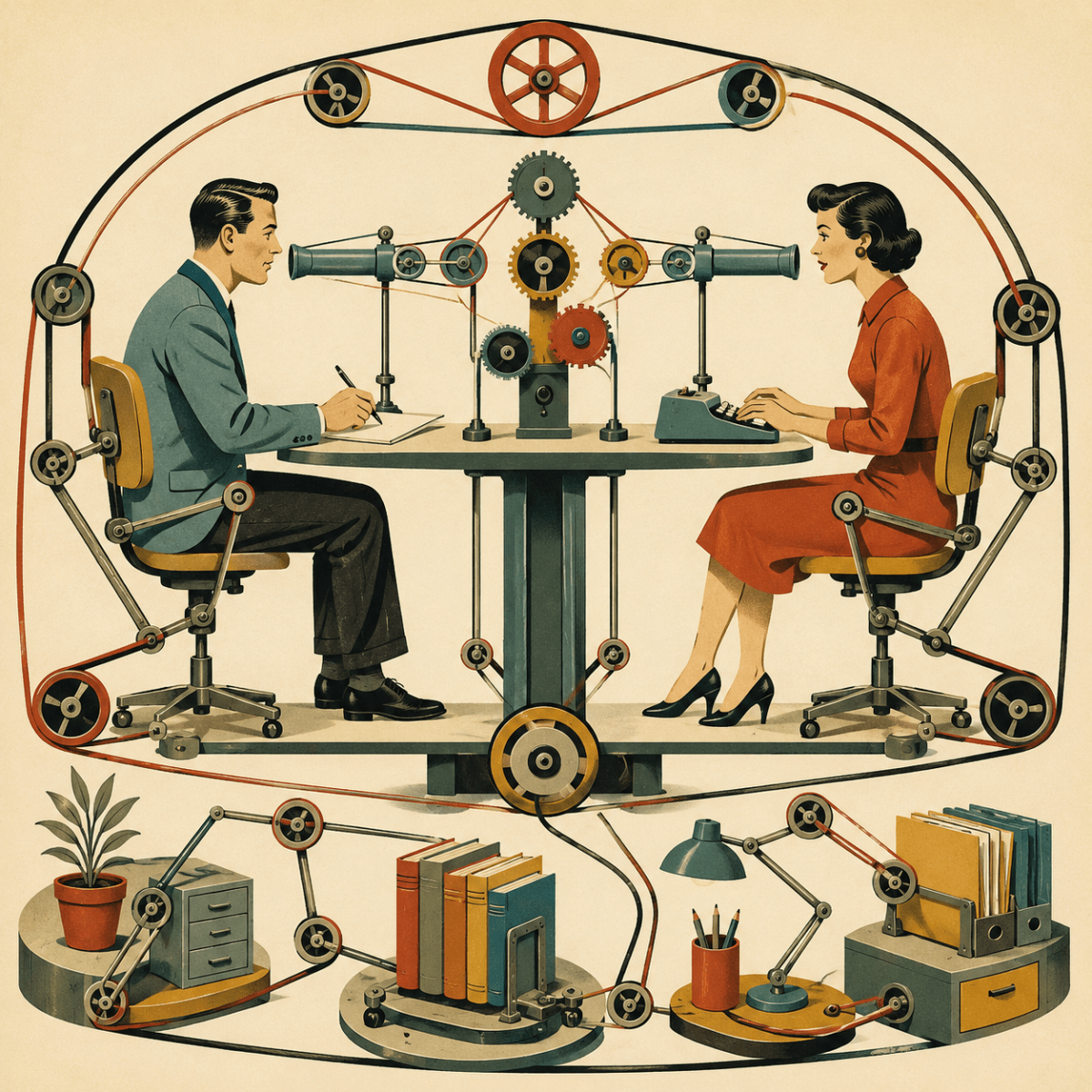
The machinery does not need to fail. It only needs to keep working in ways that make more of itself necessary.

Technocratic complexity and populist caricature are parts of the same feedback loop. Each produces the conditions that sustain the other.

