A force built to exploit asymmetry now operates inside legal and informational systems capable of generating asymmetric effects upon it.

A force built to exploit asymmetry now operates inside legal and informational systems capable of generating asymmetric effects upon it.
Climate change is not occurring inside a stable planetary system. It is altering the persistent structure of relations among climatic states, variables and phases, changing the conditions under which subsequent states become possible and probable.
Climate change is not a problem inside a stable planetary system. This text indicates how it is reorganising the relations through which planetary stability itself is reproduced.
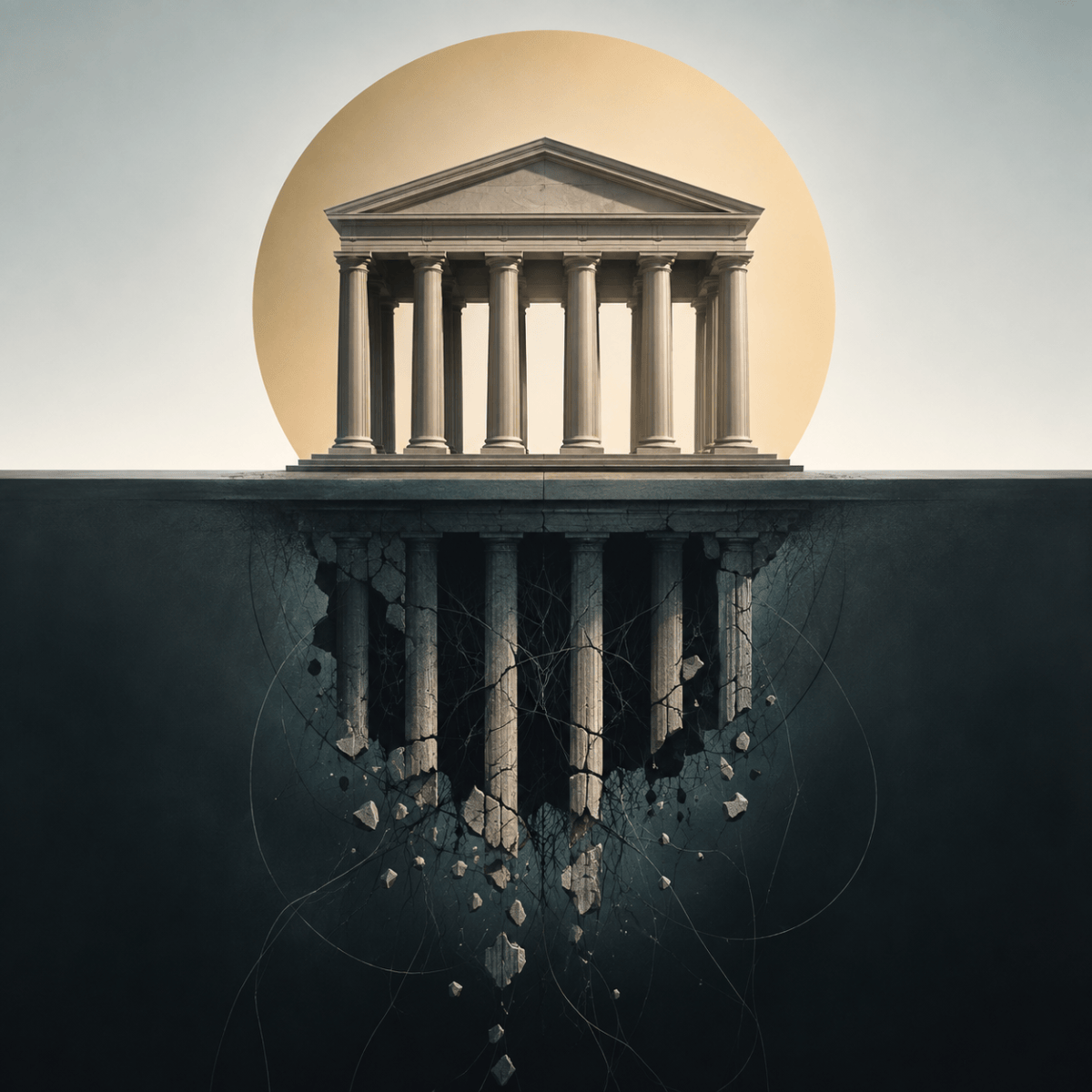
An institution’s measure is not how successfully it preserves itself or claims success, but whether it continues to serve its human purpose.

A spider’s book lungs pack an immense surface for exchange into a tiny space. Across lungs, brains, cells and information, the same principle recurs: internal structure multiplies what a finite system can do.
Counter-disinformation has a structural problem: engaging a message often helps keep it alive. While this is generally unsurprising dynamical behaviour, it remains widely misunderstood.

A civilisation builds systems to solve its problems, then discovers that the systems have become the problems, while its dependence upon them has made their continuity deeply problematic.
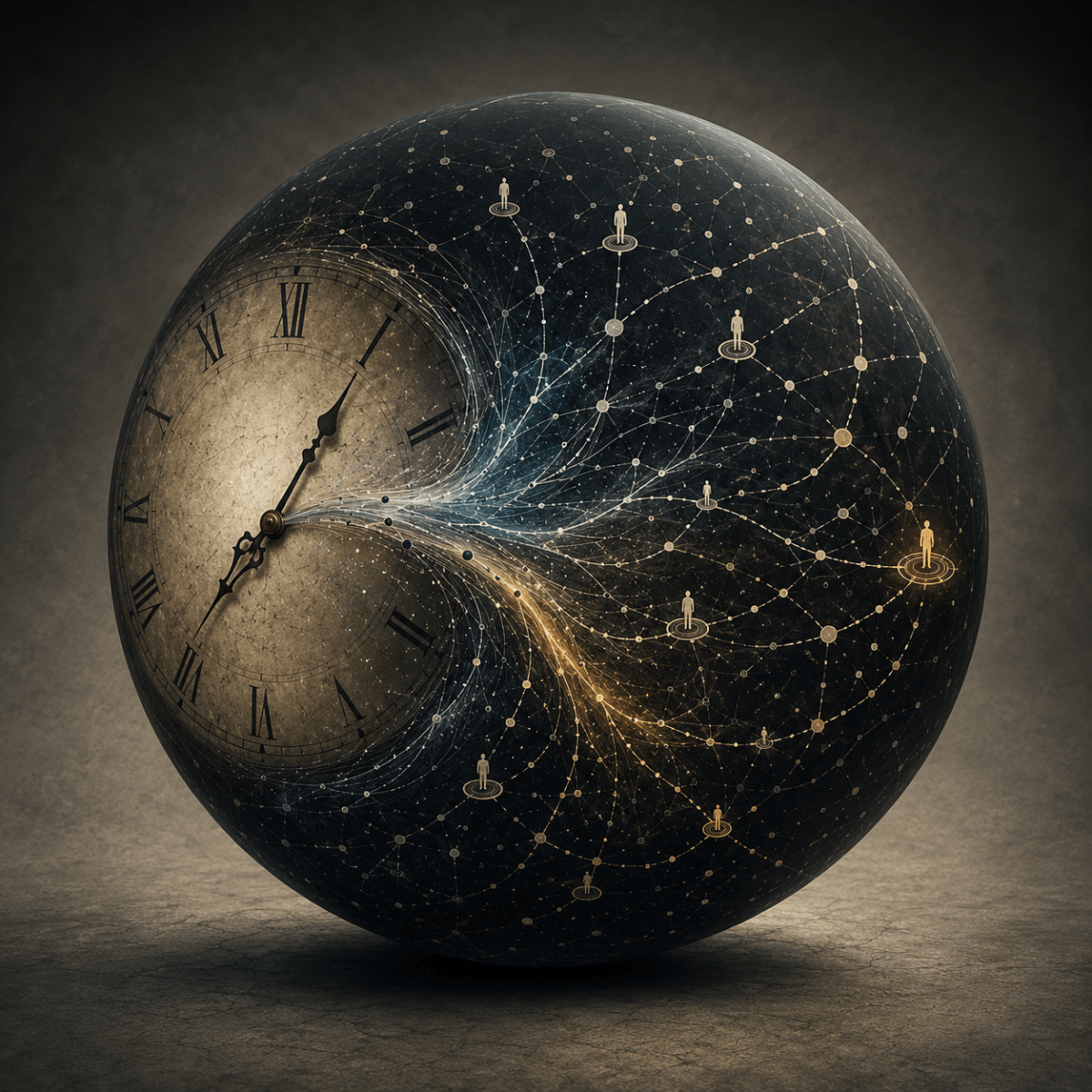
Ideology is what happens when a way of seeing the world becomes part of the world itself, shaping not only what we believe, but what becomes easier to believe next.

Meaning repeats because recurrence builds structure, and structure influences what follows. History rhymes for much the same reason.
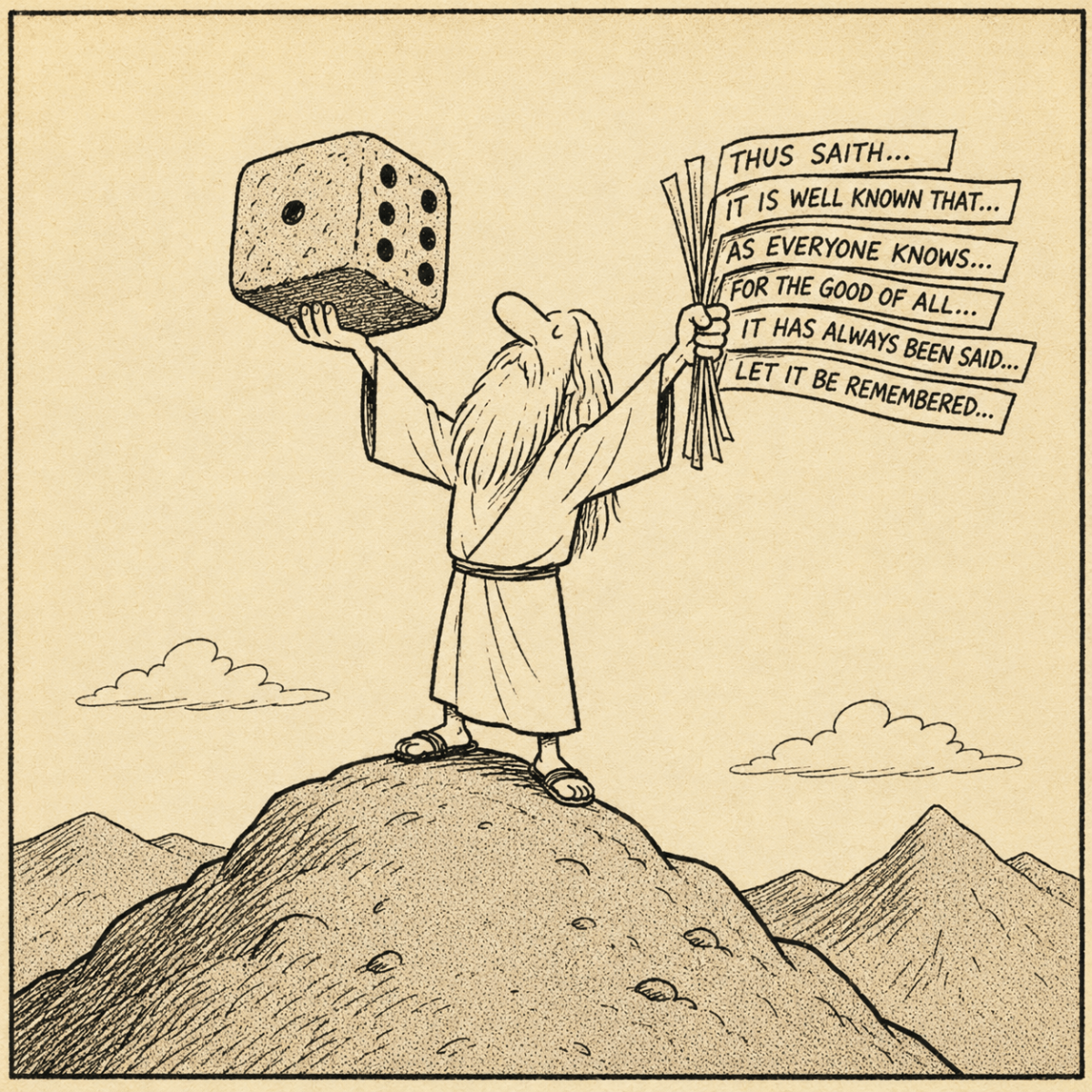
The probable is a proper subset of the possible. Old habits die hard because viable communication preferentially reproduces patterns that make themselves more likely to recur.
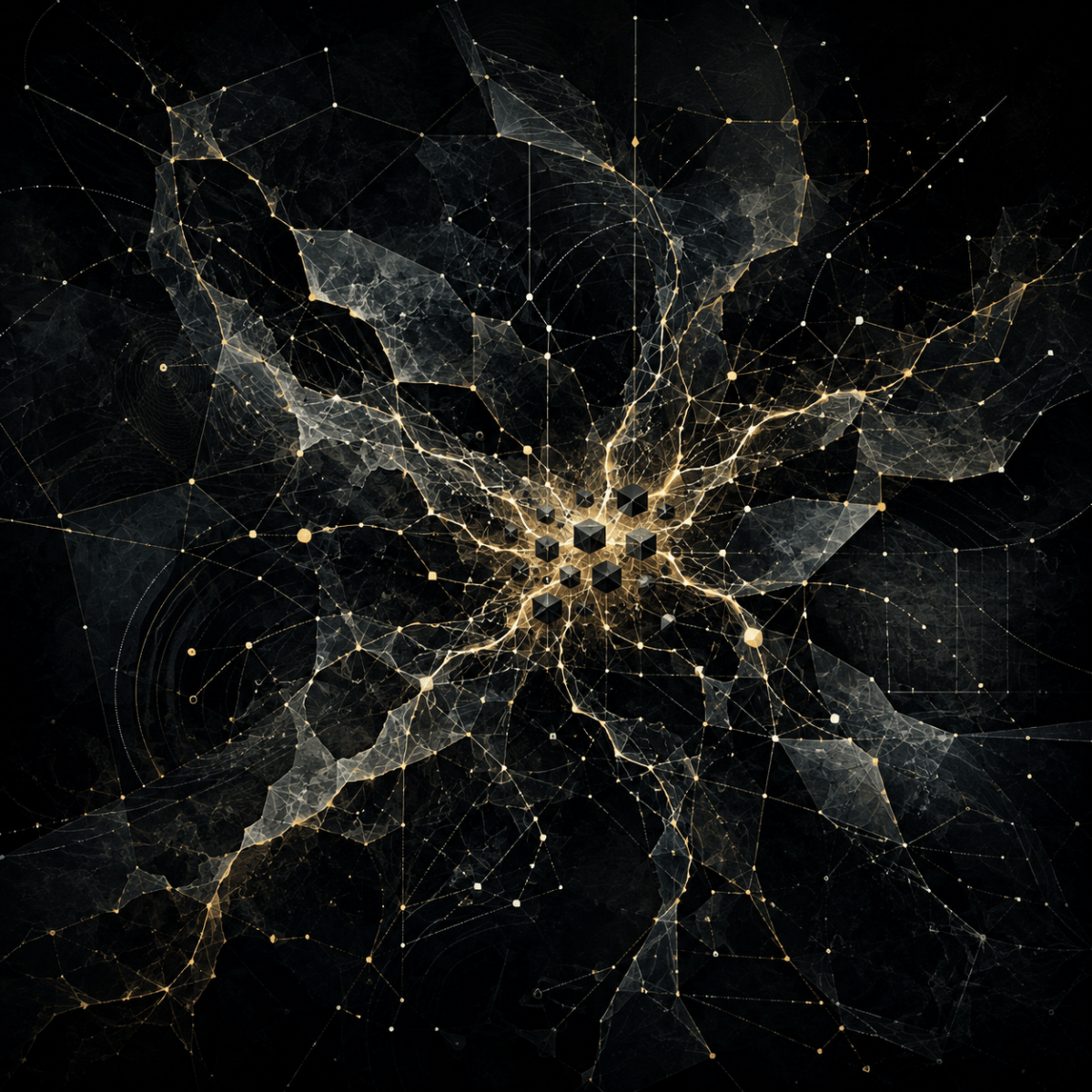
Disinformation does not persist because individual false claims survive. It persists because the communicative relations that make those claims meaningful continue to reproduce themselves.

Civilisations persist by continually reorganising themselves. The unanswered question is whether conflict, crisis and systemic collapse/renewal remain the principal means through which that persistence is achieved.
Have a WordPress.com account? Log in now.

